

Hong Kong captures the heart with its skyline threaded by mountains, neon signs, and an endless energy pulsing from the harbor. When you visit Hong Kong, you’re met with more than just tall buildings and busy shopping streets. This coastal city blends its old Cantonese soul with global rhythms. Looking up, you see shining glass towers. At your feet, old temples, lively markets, and tiny noodle shops await. Each street and sight tells its own story. Whether you’re planning your first trip to Hong Kong or only know the city’s name, this guide shares easy advice, playful stories, and tips for seeing the best of China’s most iconic harbor city.
Table of Contents
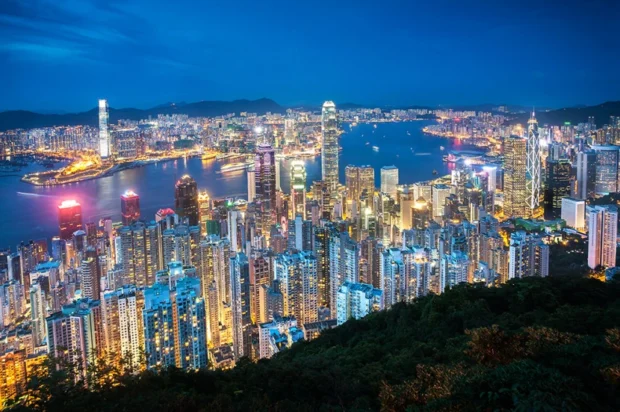
Victoria Peak Views and Windy Trails
Victoria Peak rises above Hong Kong, and locals call it just “The Peak.” It’s the city’s highest mountain, and from the top, the view looks like a painted postcard: rows of skyscrapers, the shining Victoria Harbour, and trails of ferries drifting between islands. If you want the full show, arrive late afternoon before sunset. The city glows gold, and every window reflects the light. Even after several months here, I found standing on the viewing platform thrilling it reminds you how small you are and how much is happening below.
You reach The Peak by riding the historic Peak Tram, which has been climbing the mountain since 1888. Behind me in line stood a grandmother who remembered taking it as a child she whispered that in old times, wild boar would sometimes cross the tracks. Now it’s smooth and quick, rising above lush forest and busy roads. The tram leaves from Garden Road with easy signs in English and Chinese, but do expect a line if you’re visiting on a weekend.
At the top, follow the easy circular trail Peak Circle Walk which wraps around for excellent views far away from the crowds. I met a retired painter sketching the harbor. He once told me locals believe the wind is lucky at the peak. There are also cafes and a small shopping gallery nearby. While the modern Peak Tower looks futuristic, I preferred sneaking behind the main building where the woods are quiet and you can hear birds, not tour groups.
The Star Ferry and the Shimmering Harbor
Hong Kong’s harbor wouldn’t feel alive without the famous Star Ferry. These ferries, green and white, link the Kowloon side and Hong Kong Island day and night. For just a few Hong Kong dollars, you can cross between Tsim Sha Tsui and Central, passing massive ships and tiny junk boats along the way. The journey only takes about ten minutes, but for me, it’s one of the city’s highlights even after my hundredth crossing.
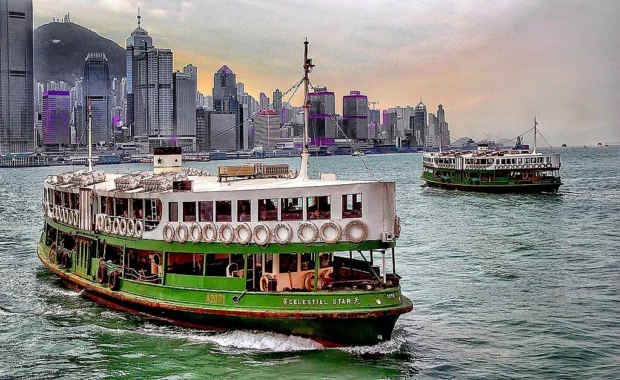
On my first trip, a local father pointed at the water, telling his son that their great-grandfather crossed here before the city became towers. Sometimes, mist floats above the harbor, and the city lights shine soft and mysterious. Sunset is best; crowds gather at the railings, cameras out, hoping to snatch that perfect photo. If you ride at night, don’t miss “A Symphony of Lights,” a light show on both sides of the harbor after 8 PM skyscrapers blink and dance to music.
Tsim Sha Tsui Promenade: Cityscape in Motion
Tsim Sha Tsui Promenade hugs the tip of the Kowloon Peninsula, one of the best spots for watching Hong Kong’s skyline sparkle. Earlier this year, I walked here after rain; the city’s towers reflected in wide puddles, almost as if the whole city had doubled itself. Tourists, lovers, and teenagers with bubble tea stroll along the water. Musicians sometimes bring flutes or guitars and play for coins near the famous clock tower, a leftover from the old railway station.
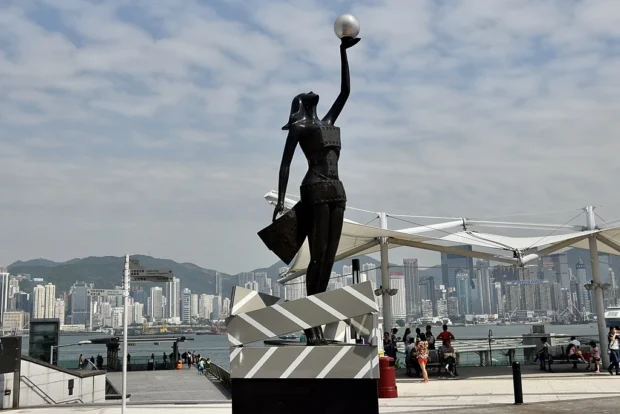
Along the promenade, you’ll see science museums and grand hotels behind you. Street photographers capture the harbor, while local teenagers race skateboards next to business people. If you have extra time, pause at the Avenue of Stars a path lined with handprints of Hong Kong movie celebrities, including the famous Bruce Lee statue striking a kung-fu pose. The walkway is free, always open, and easy to find at the southern end of Nathan Road.
Markets Full of Life and Surprises
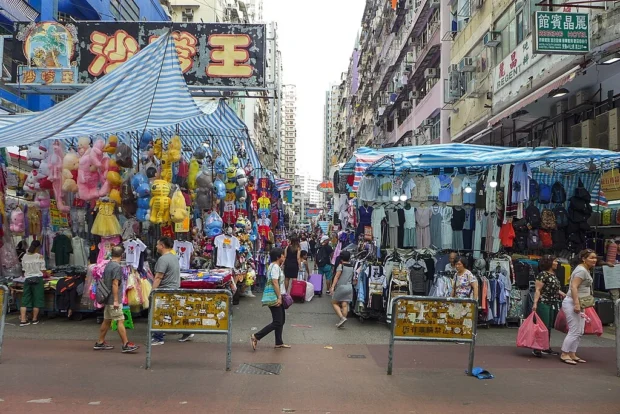
Hong Kong’s best places to feel old Cantonese spirit are its markets, loud and bright. Ladies Market, in Mong Kok, has thousands of colorful stands. Vendors sell everything from printed T-shirts to fake designer handbags, blinking fans, and toys that shout or light up. Sometimes, I saw mothers bargain hard for a handbag while children tugged at their hands for discounts on cartoon socks. Even if you aren’t buying, just walking through is an experience the noise, colors, and mix of scents from fruit, hot noodles, and incense.
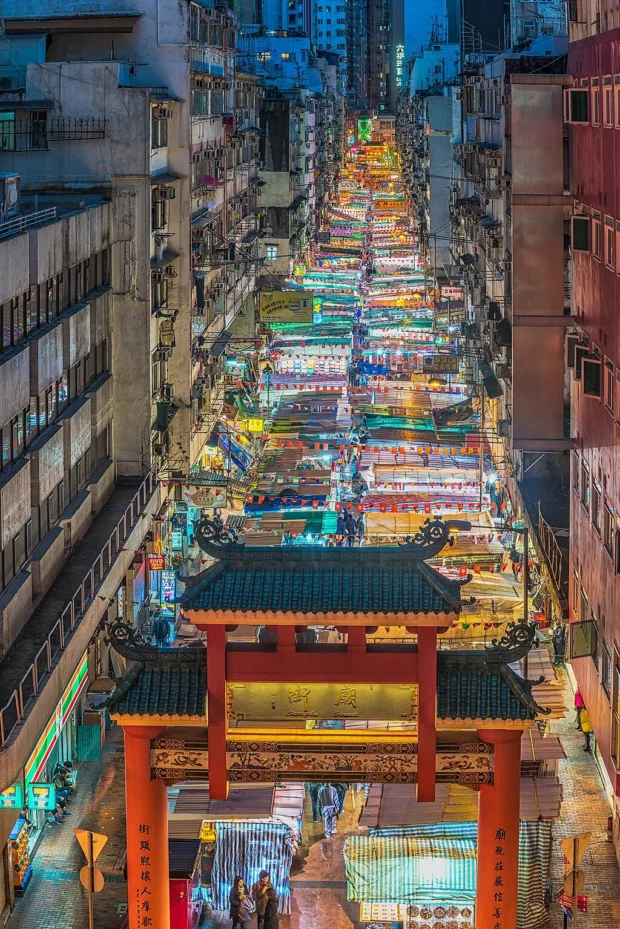
Nearby, Temple Street Night Market takes over after dark. Here, fortune-tellers set up on folding tables, and the smell of grilled squid fills the air. I once watched an old man drawing Chinese characters on rice paper for luck he explained, “The street brings us fortune and stories. We just wait for the right one.” Many stands serve hot claypot rice, a must-try dish: rice cooked in a clay bowl with meats and soy sauce, sizzling at the edge. Some vendors display electronics or old Cantonese opera DVDs. Keep your eyes open for small shrines, hidden behind bamboo screens, where locals burn incense for health and business blessings.
Disneyland Hong Kong: Childhood Dreams on Lantau
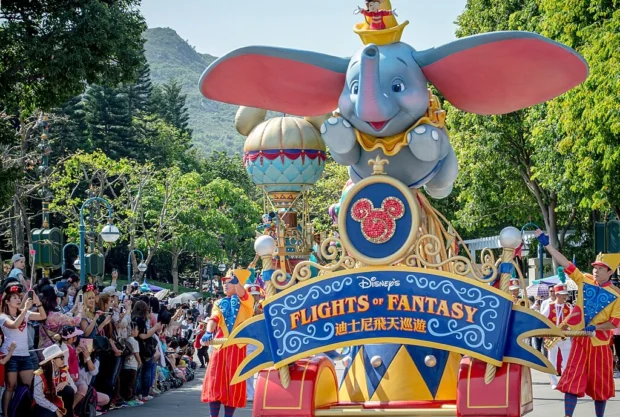
On Lantau Island sits Hong Kong Disneyland, a place where fairy tales meet Asian themes. Families flock here, especially for special events like the Chinese New Year parade, with Mickey and Minnie wearing traditional clothes. The park is smaller than some overseas Disneylands, but it feels fresh and local, with dim sum shaped like beloved cartoon characters.
My favorite memory? A pirate show by the fountains where actors leapt into the water. There was a group of grandmothers from Guangzhou, giggling and taking selfies on Main Street under hanging red lanterns. Popular rides include the magical Mystic Manor and the Jungle River Cruise, which have Cantonese-speaking guides. Lines are longest for Iron Man and princess meet-and-greets, so try to arrive early in the day.
From Airport to City: Riding the Rails
Getting into Hong Kong from the airport is quick and easy by train. The Airport Express zooms to Kowloon or Central in about 25 minutes, clean and smooth. Stations have clear English signs, and there are lockers for heavy luggage. If you arrive at the busy Lo Wu Station from mainland China, follow the signs for the Mass Transit Railway (MTR). The MTR trains are the city’s bloodline, always on time.
To get around the city, buy an Octopus card from any station. This plastic travel pass lets you pay for trains, ferries, trams, and even snacks at supermarkets. When lost, just ask: Hong Kongers are used to giving directions, and most speak basic English, Cantonese, and often Mandarin, too. I found myself surprised once a woman not only pointed the way but walked several blocks with me, chatting about her favorite street food.
Ngong Ping 360 and Tian Tan Buddha: Lantau’s Sacred Side
Far from the glass towers, Lantau Island offers hills, sleepy villages, and sacred monuments. Take the Ngong Ping 360 cable car a 25-minute ride soaring above treetops and water. The glass-bottom “crystal cabins” are both thrilling and a little scary. Watch clouds roll over green mountains and fishing boats far below.
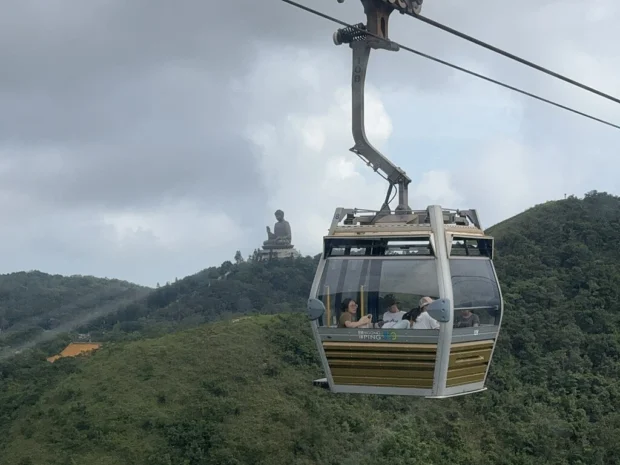
The cable car brings you to Ngong Ping Village where the mighty Tian Tan Buddha sits. This bronze Buddha, called “Big Buddha,” is one of the largest seated outdoor bronze Buddhas in the world. Even locals sigh in wonder when climbing the 268 steps to its base. Up close, you see kind eyes and a raised palm. Monks sometimes mingle with tourists, blessing offerings of fruit or incense.
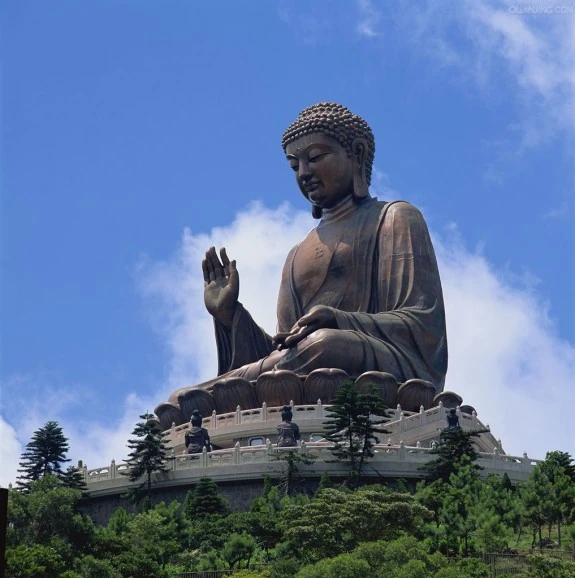
Behind the Buddha, Po Lin Monastery’s incense curls into the sky, with vegetarian food served by quiet nuns. Try steamed buns filled with mushrooms and lotus paste they’re soft and comforting, perfect after a long climb. One uncle shared that the Buddha’s right hand means fearlessness, and the left hand brings blessings to the world. From here, the mountains seem to protect the monastery, and it’s easy to understand why Lantau was picked for reflection and healing.
Cooking Up Memories: What to Eat and Where
Hong Kong eats are legendary, shaped by Cantonese, British, and southern Chinese influences. In Mong Kok, street stalls make egg waffles crispy outside, warm and chewy in each bubble. You find the classic dim sum in shamelessly busy tea houses; servers push carts of steamed dumplings, pork buns, and “phoenix claws” (that’s chicken feet, loved by locals but maybe not for every guest).
Don’t miss a bowl of wonton noodles, thin egg noodles with fresh shrimp dumplings, best tasted in Central district, near the banks. In Sai Kung, the “seafood village,” place your order by pointing at tanks of live fish, then sit outdoors for stir-fried lobster in ginger and spring onions.
If you crave something sweet, try mango pomelo sago a rich pudding topped with bright fruit, often sold in little shops across Tsim Sha Tsui. For a lighter taste, stop for silken tofu pudding with sweet syrup. Many foods here come with stories; an elderly man in Yau Ma Tei told me pineapple buns once fed workers because sugar made them strong for long shifts.
Ocean Park and Pagodas by the Sea
Ocean Park is where marine life, rollercoasters, and pandas mix on the hills of Aberdeen. It’s a bit of a maze, part seaside aquarium, part amusement park. I once got lost and ended up in the goldfish gallery, where a young guide explained the fish are symbols of wealth. If rides attract you, the Hair Raiser coaster and ferris wheel give views over the South China Sea.
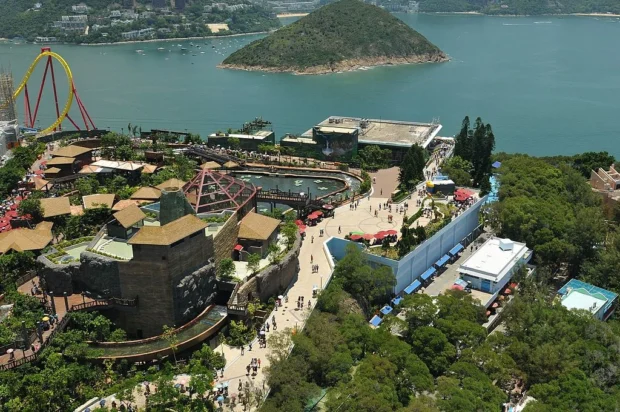
For something peaceful, walk along the back trails above the park, passing small pagodas and overgrown banyan trees. Sometimes the fog rolls in and you can smell the salt air, a memory that stays longer than any thrill ride. Ocean Park is popular for families the penguins and giant pandas are a favorite, and the jellyfish gallery glows like a living light show.
Temples, Shrines, and Craft Traditions
The scent of incense drifts from old temples hidden in busy neighborhoods. Man Mo Temple is one of the oldest, devoted to the gods of literature and war. Inside, red and gold lamps flicker, and thick coils of incense hang overhead. Locals write prayers on pink slips and tie them to wooden stands. Once, I watched a grandmother carefully light incense while her granddaughter watched. She told me, “If you respect the past here, your future will bloom.”
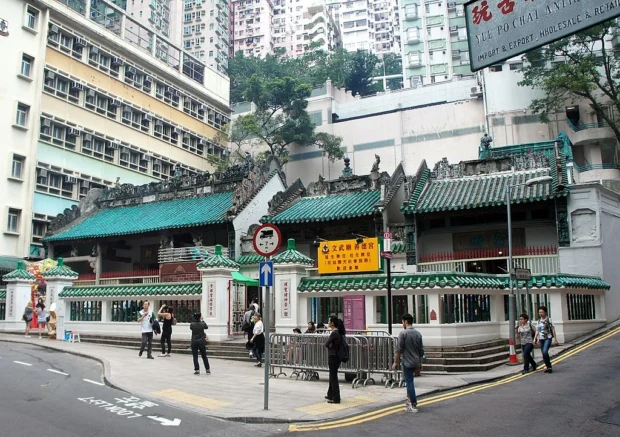
Beyond the temples, there’s a strong tradition of craftsmanship. In Sheung Wan, small shops create joss sticks, ceremonial papers, and wooden stamps by hand. Some shopkeepers have worked here for three generations. Their fingers move quickly rolling, folding, carving, always respectful to old methods. Deep in Sham Shui Po, the textile markets sell bold silks and fine cotton. I once spent hours with women sewing intricate cheongsam dresses, learning the difference between fast fashion and lasting art.
Culture, Customs, and Simple Do’s and Don’ts
Hong Kong is fast and driven, but always polite. Respect for elders is felt at every meal older guests are served tea first, and younger diners pour for everyone else before themselves. When giving or receiving a business card or a gift, use both hands it’s a sign of honor. And while bargaining is welcome at markets, it’s rare in big stores or malls; a smile and friendly “can you give me a better price?” can work wonders at outdoor stalls.
Dress is usually modern but modest locals pair suits with sneakers, and even teenagers wear long pants in shopping malls. On the street, avoid public displays of anger. Instead, pause, breathe, and remember: behind the busy faces, Hong Kongers prize harmony and clever solutions.
Where to Stay: Easy Choices for Every Style
Hong Kong offers everything from historic guesthouses to high-rise apartments with postcard views. On Hong Kong Island, you’ll find cozy places tucked into old neighborhoods Mid-levels and Sheung Wan are good for those who like quiet evenings with local flavor. In Kowloon, especially Tsim Sha Tsui, you’re close to shopping, food, and the harbor views. For travelers wanting cool air and peaceful nights, staying out on Lantau Island near the beaches gives a break from city rush, but it takes longer to reach the center.
Most accommodation has English-speaking staff, and free Wi-Fi is standard. Smaller lodges often include free breakfast usually toast and strong Hong Kong milk tea. For those on a budget, there are capsule hostels and family-run inns. Whichever area you choose, the city’s MTR system makes it easy to wake up to new adventures each morning.
Final Impressions of Hong Kong
Hong Kong rewards curiosity. Its heart beats in narrow market lanes, calm temple courtyards, salty seaside towns, and on every ferry across the harbor. From the dizzying views at Victoria Peak to the warmth of street food in Sham Shui Po, each day brings contrasts. In a city where bamboo scaffolding sits beside glass towers, tradition and progress walk side by side.
Let the city surprise you. Ask questions, eat bravely, and leave space to wander. Hong Kong is more than a destination it’s an invitation to find old stories in new places, and to make fresh memories at the edge of sea and mountain.
A Chinese tour guide with deep knowledge of the Far East, its traditions, and culinary secrets.
- Hong Kong Island Skyline 2009 by WiNG on Wikimedia Commons – cc by-sa 3.0
- Hong Kong Night view from Victoria Peak by Yungeditor on Wikimedia Commons – cc by-sa 4.0
- Hong Kong Film Awards statue at Garden of Stars, Hong Kong (Ank Kumar, Infosys Limited) 12 by Ank Kumar on Wikimedia Commons – cc by-sa 4.0
- Tung Choi Street 201705 by Wpcpey on Wikimedia Commons – cc by-sa 4.0
- Colorful Asian street market (Unsplash) by Steven Wei stevenwei on Wikimedia Commons – cc0
- Disneyland Hong Kong China 3 by Philip Nalangan on Wikimedia Commons – cc by 4.0
- Ngong Ping 360 Cable Car No.108 22-06-2024 by LN9267 on Wikimedia Commons – cc by-sa 4.0
- Big-Buddha by Kitakitzcom on Wikimedia Commons – cc by-sa 4.0
- 中国香港海洋公园 China Hong Kong Ocean Park China Xinjiang Urumq – panoramio (17) by 罗布泊 on Wikimedia Commons – cc by 3.0
- Chrám Man Mo, Sheung Wan, Hongkong by Ondřej Žváček on Wikimedia Commons – cc by 2.5


_12.jpg)

.jpg)


.jpg)
