

Buenos Aires is a city that does not rush to reveal itself. It waits on shady boulevards and at the edge of grand plazas, always inviting but never begging for attention. I arrived on a steamy afternoon, the kind when the scent of grilled beef drifts through the streets and the city’s famously wide avenues shimmer with heat. My first impression was a tangle of history, music, and flavors. This guide blends the places you must see with the small discoveries that make Buenos Aires unforgettable, using simple English for everyone to enjoy and sharing those local moments you won’t find in guidebooks.
Table of Contents
Arriving in Buenos Aires: First Impressions and Getting Around
After a long flight, Ezeiza International Airport opens onto a world that feels both European and distinctly South American. The city center, about 30 kilometers away, is best reached by the local shuttle bus service or the regular city buses known as “colectivos.” Buses are cheap and reliable, though you’ll need a SUBE card, which you can buy at kiosks inside the airport. The journey itself is a cross-section of Buenos Aires: from flat Pampas outside the terminal to dense neighborhoods alive with street art and local markets.
Once in the city, I quickly learned to rely on the Subte (subway) system. It’s easy to use, with color-coded lines linking the main districts. The Subte is not luxurious, but it is fast and full of people from all walks of life. For short hops, city buses and plenty of wide, walkable avenues make getting around a pleasure. Do not leave your valuables hanging loose pickpockets know these streets well, especially in busy areas like Plaza de Mayo or San Telmo’s market lanes.
La Boca: Where Colors and Passion Collide
“Caminito! Caminito!” a street artist called out as I arrived in La Boca. This neighborhood, close to the old port, is unlike anywhere else. Its corrugated iron houses wear every color in the box, painted by old immigrants who used leftover ship paint. The air shakes with tango music and the laughter of visitors watching impromptu dancers on cobbled lanes. A quick walk here feels like stepping into a living painting. I learned from a local painter that these splashes of red, blue, and yellow became a symbol of working-class pride.

La Boca is famous for football, too. The legendary Boca Juniors stadium, La Bombonera, stands only a few blocks from the Caminito street. Even if you are not a fan, the roar from inside on match day is a thrill; it’s a place where soccer is life, not just a game. Street vendors sell choripán grilled sausage in crusty bread filling the air with spicy aroma. Visiting during the day is best, as the area can feel a bit rough after dark. Still, the colors of La Boca glow brightest in early morning light, while muralists and sculptors set up their stalls.
Recoleta Cemetery: A City of Angels and Shadows
At the heart of the elegant Recoleta neighborhood lies a place as captivating as any museum. The Recoleta Cemetery is more than a burial ground; it is an open-air city of marble, angels, and silent stories. I wandered through lanes between crypts shaped like little chapels, each with its own legend. The most famous is the tomb of Eva Perón, whose flowers are never absent.
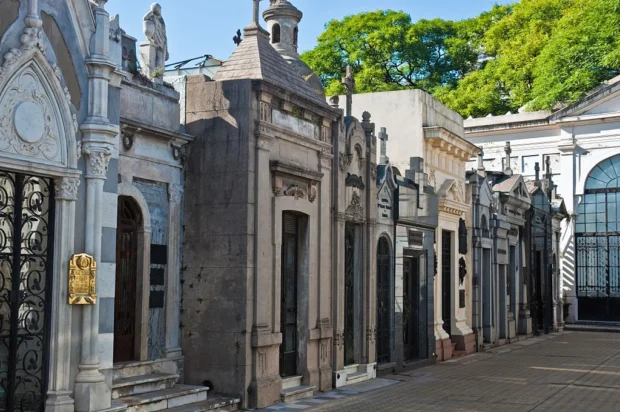
Surprising fact: some crypts hold entire family histories, while others belong to former presidents, artists, and soldiers. Local cats wander among the statues, giving the place a feeling both peaceful and haunted. The cemetery is open daily, and guided tours (sometimes in English) reveal dramatic tales of love, betrayal, and duels. Just outside its walls, the Plaza Francia hosts weekend craft fairs and mate-drinking students. Recoleta, with its leafy promenades and belle époque architecture, is a district that whispers of old Buenos Aires wealth and culture.
Plaza de Mayo: The Heart of Argentine History
Standing in Plaza de Mayo, I felt the weight of Argentina’s turbulent past and its hopes for the future. This square has seen revolutions, protests, and celebrations for over two centuries. The Casa Rosada, the pink presidential palace, rises on one side, its balcony forever tied to the image of Eva Perón greeting the crowds. On Thursday afternoons, the Mothers of Plaza de Mayo, wearing white headscarves, walk in circles to remember their children lost during the military dictatorship an act of remembrance that moves everyone who witnesses it.

The square is framed by grand architecture: the Metropolitan Cathedral, with silent soldiers beside the tomb of national hero San Martín; the colonial Cabildo; and the old Banco Nación building. A local historian I met at a café told me the plaza was once filled with carriages and market stalls, and that its palm trees are over a century old. Today, it’s the city’s main stage every major event seems to pass through here. I recommend sitting on a bench with a medialuna (sweet croissant) and watching the city pulse around you.
Palermo Woods and Floralis Genérica: Green Spaces and Living Sculptures
When the city feels busy, I head to Bosques de Palermo Palermo Woods. These huge parks are a sea of calm, with rose gardens, lakes, and tree-shaded paths where cyclists and couples stroll. Dog walkers with ten leashes or more are a common sight, chatting as their charges tangle cheerfully. The air smells of eucalyptus and fresh grass, a welcome break from city traffic. Street musicians sometimes play by the lake, and families picnic on weekends.
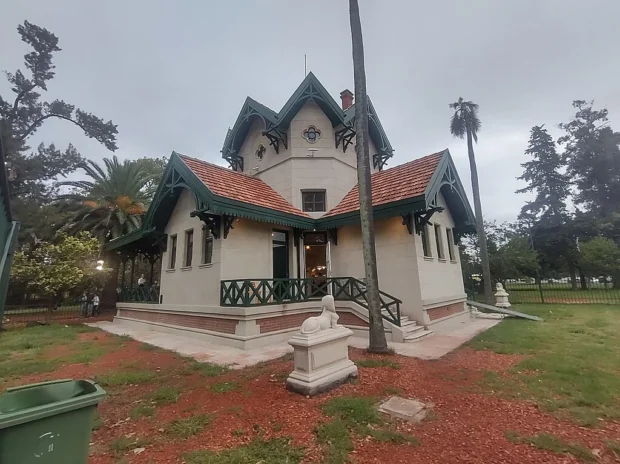
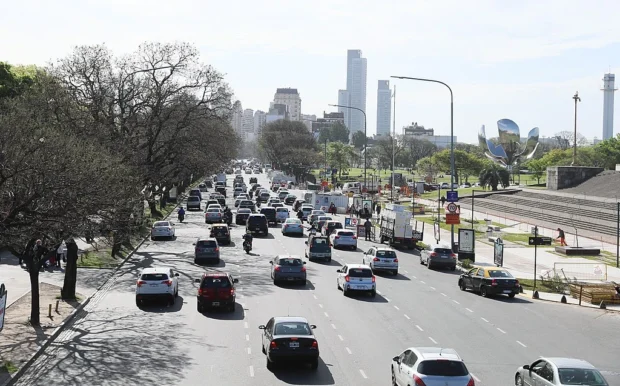
Not far away, in the middle of a small plaza, stands Floralis Genérica. This giant, steel flower opens its petals every morning and closes at dusk, powered by clever engineering. Many people miss this quietly spectacular sculpture, but it’s one of my favorite scenes for photographs especially against the pink-orange sky at sunset. Both the woods and the flower are reminders that Buenos Aires is as much about graceful pauses as about excitement.
San Telmo: Tango, Antiques, and Café Culture
San Telmo is the oldest district in Buenos Aires—its cobbled streets are lined with iron lamps and grand old houses. On Sundays, the Feria de San Telmo brings the whole neighborhood alive. Market stalls sell vintage cameras, dusty books, and handmade jewelry A tango orchestra sets up near Plaza Dorrego, and dancers in black and red perform right on the stones. I spent a long afternoon sipping strong coffee in an old literary café, feeling the ghosts of writers and poets at my elbow. Buenos Aires is celebrated for its café culture, and San Telmo’s bars—some more than a century old—are where this tradition lives on.
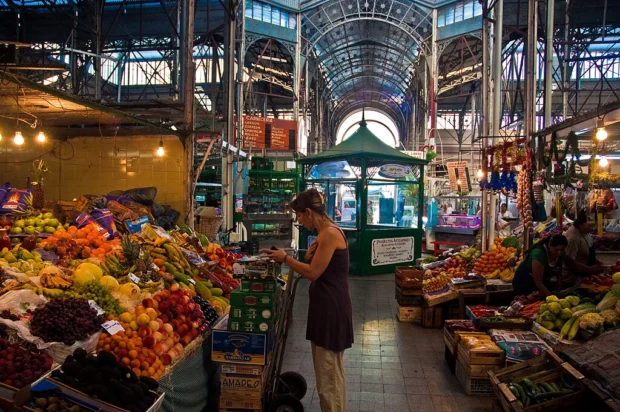
I found quirky murals hidden in narrow alleys and listened as a local showed me the secret of a proper empanada: flaky crust, plenty of cumin, and always with a squeeze of lemon. San Telmo is also home to small galleries and workshops, where artisans make everything from silver jewelry to handmade hats. Many buildings still bear marks from old floods and fires, adding atmosphere to every entranceway.
City Icons: Obelisco, Teatro Colón, and Puerto Madero
Walking along Avenida 9 de Julio, you cannot miss the Obelisco: a white spire that rises above the city’s broadest avenue. It was built in 1936 and stands as a symbol of Buenos Aires’ modern era. Locals joke that if you get lost, “walk toward the Obelisco” it is visible from almost everywhere in the city.

Nearby is the Teatro Colón, the city’s world-famous opera house. The golden halls and plush red seats feel as grand as any palace. A local retired teacher told me that singers and musicians dream of performing here, as its acoustics are among the best in the world. There are guided tours most days, and tickets for a concert are not as expensive as you might think. Check the official schedule at the Teatro Colón website if you want to attend a performance.

Puerto Madero, once a forgotten docklands, is now a district of sleek towers, riverside promenades, and glass bridges. At night, the old brick warehouses glow with trendy restaurants and cocktail bars. I loved watching rowers on the canal by day, and couples taking slow walks under city lights by night. Try the local cut of beef bife de chorizo with a glass of Malbec. This is the Buenos Aires of the future, rising alongside its past.

Art, Museums, and Buenos Aires’ Culinary Heritage
No visit is complete without time in a museum. The Museo Nacional de Bellas Artes holds the country’s best collection of European and Argentine paintings. Entrance is usually free, and the cool quiet rooms are an escape from noisy avenues. I stood before works by Goya and Berni, reflecting on how Argentina’s story is told in brushstroke and color.

But true Buenos Aires art is also found in the street: walls painted with giant horses and tango couples, subway stations decorated with mosaics, and tiny theaters above bookstores. In Palermo, I joined a walking tour focused on street art and ended up at a backstreet parrilla (grill). There, local families gather for asado grilled beef, crispy sweetbreads, and smoky provoleta cheese. Palermo is the home of modern food, too: try helado (ice cream) with odd flavors like yerba mate or dulce de leche, or stop by a “closed-door” restaurant in someone’s apartment for a meal you’ll never forget.
Food is a social ritual here. In cafés, you will see friends sharing mate, a strong herbal tea, using the same straw. It is polite to accept if offered. Dinners begin late sometimes after 10 p.m. and people linger over conversation long after the plates are cleared. I learned quickly to slow down and savor the moment.
Where to Stay and Practical Advice
Buenos Aires is large, but many sights are concentrated in the central neighborhoods. For quiet streets and a touch of old-world charm, try Recoleta or Palermo. San Telmo is lively and artsy, perfect for night owls and market hunters. Microcentro puts you in the heart of the action, though traffic and noise never rest. Most places to stay offer courtyards or balconies; open a window and listen for distant tango music or the call of street vendors. Hostels and guesthouses are friendly and budget-friendly, with communal kitchens and lots of advice from fellow travelers.
The city’s buses and subway run from early morning until late evening, with a reduced schedule on Sundays. You do not need to tip for every service, but rounding up the bill in cafés or leaving small change is appreciated. At restaurants, 10% is standard but not required. Always greet shopkeepers and bus drivers with a “buen día” small manners go a long way. Do not expect everyone to speak English; a few Spanish phrases and a smile will earn you a warm welcome.
Everyday Life: Customs, Do’s, and Don’ts
Argentines love conversation if you stop to ask for directions, be ready for a story or two. They often greet each other with a single kiss on the right cheek, even between strangers. Avoid loud discussions about politics or football unless invited; passions run deep. Traffic lights are sometimes treated as suggestions, so cross streets carefully. Carry a reusable water bottle public fountains are rare, and summer heat can be intense.
The city is generally safe, but busy markets and stations call for caution with valuables. Most street corners have a kiosk selling bus cards, snacks, and bottled water. Sunday markets are good for people-watching or picking up a mate gourd or painted tin sign. If invited to share mate, always pass it back to the server before drinking again. These small customs build a sense of trust and community everywhere you go.
Final Thoughts: The City’s Changing Melody
Buenos Aires is a city that rewards the curious. I left with memories of laughter under jacaranda trees, the echo of tango from open windows, and the taste of creamy gelato on a hot afternoon. The city is always changing from the old stones of San Telmo to the shining towers of Puerto Madero but it never loses its rhythm. Spend time in its plazas and parks, listen to the stories of its people, and you will find your own Buenos Aires, full of life and light.
Valencia’s La Lonja de la Seda offers a quiet elegance in Gothic architecture contrasting Buenos Aires’ lively streets.
Lover of cities, local cafés, and historic streets, exploring urban life with attention to architecture and culinary delights.
- Buenos Aires Obelisk-20110509-RM-104316 by Ermell on Wikimedia Commons – cc by-sa 4.0
- 2018-10-19 La Boca, Buenos Aires, Argentina (Martin Rulsch) 10 by DerHexer on Wikimedia Commons – cc by-sa 4.0
- Cementerio de la Recoleta, Recoleta, Buenos Aires, Argentina, 28th. Dec. 2010 – Flickr – PhillipC by Phillip Capper from Wellington, New Zealand on Wikimedia Commons – cc by 2.0
- 2018-10-19 Plaza de Mayo, Buenos Aires, Argentina (Martin Rulsch) 14 by DerHexer on Wikimedia Commons – cc by-sa 4.0
- El Tambito by Roberto Fiadone on Wikimedia Commons – cc by-sa 4.0
- 2018-10-19 Buenos Aires by Sandro Halank–056 by Sandro Halank on Wikimedia Commons – cc by-sa 4.0
- San Telmo Market, Buenos Aires, Argentina by Phillip Capper on Wikimedia Commons – cc by 2.0
- Buenos Aires – Obelisco – 20130312 144258 by Barcex on Wikimedia Commons – cc by-sa 3.0
- Fachada del Teatro Colón en Buenos Aires, Argentina by EEJCC on Wikimedia Commons – cc0
- Buenos Aires Puerto Madero 19 by Andrzej Otrębski on Wikimedia Commons – cc by-sa 4.0
- 2018-10-19 Recoleta, Buenos Aires, Argentina (Martin Rulsch) 14 by DerHexer on Wikimedia Commons – cc by-sa 4.0

_10.jpg)

_14.jpg)


_14.jpg)