
I arrived in Mexico City expecting only chaotic traffic and famous ruins, but the city surprised me with much more. The air was filled with sounds music from busy plazas, laughter from markets, and the distant echo of street vendors calling “¡Ándale!” Even as a first-time visitor, I felt swept up in a current of color, taste, and living history. Mexico City is huge but never cold; each neighborhood is its own world. In this post, I share my walks, meals, and the classic sights that made me feel part of this city. Whether you like food, old stones, or friendly conversations, you will find a little magic in every block.
Table of Contents
Centro Histórico and the Zócalo Heartbeat
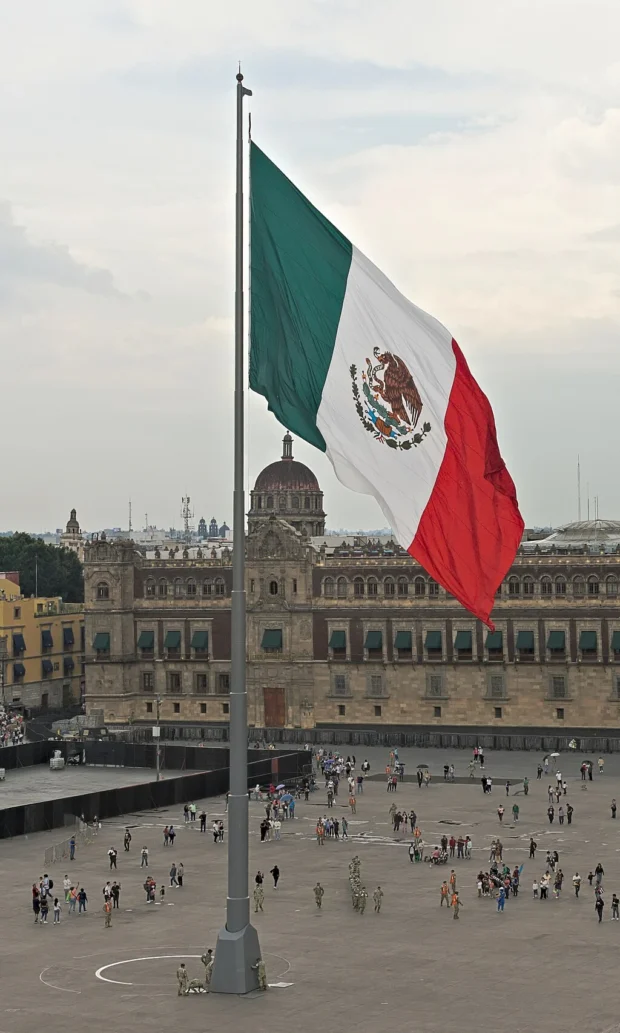
My first morning, I joined the crowds heading to the Zócalo, the city’s main square. Bigger than most European squares, the Zócalo is where history and daily life come together. School groups, protestors, and street performers move across ancient stones. The gigantic flag in the center waves above Palacio Nacional and the Catedral Metropolitana. As I stood there, a local said, “Aquí late el corazón de México” here beats the heart of Mexico. It felt true. Every hour, something changes: speeches, parades, or just families feeding pigeons.

I walked a few steps from the Zócalo to the ruins of Templo Mayor, a powerful reminder of the Aztec capital, Tenochtitlán. Imagine a time when this city was covered by lakes, and these pyramids reached to the sun. The on-site museum holds offerings found under the old city jaguar sculptures, turquoise mosaics, and even ancient cacao shells. For anyone interested in Mexico’s origins, this site tells stories that no book can.

Chapultepec Castle and Forest Retreat
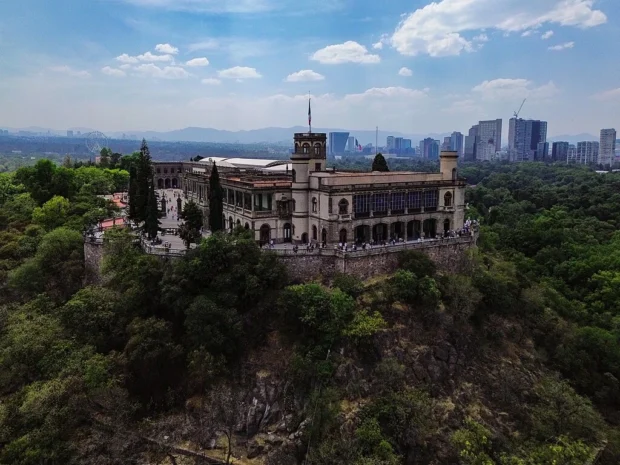
In search of green space, I took the local subway called the Metro, fast and cheap toward Chapultepec Park. This park is easily the lungs of Mexico City. Families picnic under ancient trees. Vendors sell sweet tamarind candies and roasted corn (elote) dusted with cheese and chili. Above all, Chapultepec Castle rises, the only royal castle in the Americas. I walked its grand staircases, explored rooms lined with 19th-century paintings, and peered out at the city from elegant balconies. On one wall, I saw the heroic story of child soldiers Los Niños Héroes who defended the castle from invasion. If you want to feel the city’s mix of old and new, the castle is essential. The official website for the castle and the park’s museums is always updated at Museo Nacional de Antropología though the main page is dedicated to the anthropology museum.
The Museo Nacional de Antropología nearby offers rich insights into Mexico’s ancient cultures, enhancing your visit beyond the castle and park.
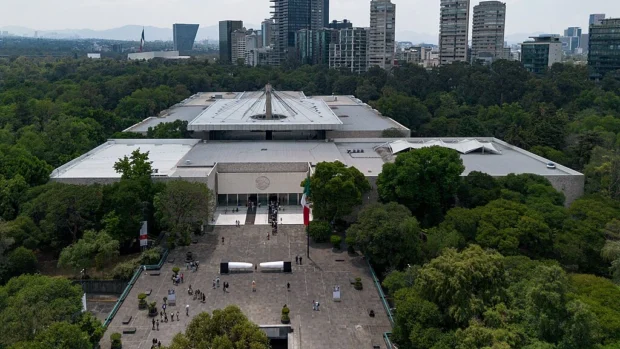
Nearby, the Museo Nacional de Antropología stands as one of the world’s best anthropology museums. Its Aztec Sun Stone, giant Olmec heads, and life-size Mayan temples stunned me. Every room tells a different story how people in the highlands shaped corn, how coastal tribes fished, how languages and crafts survive today. You could spend a week and still discover new details.
The Art and Soul at Bellas Artes
If you walk from the Zócalo along Avenida Juárez, you reach Palacio de Bellas Artes. This pearl-white building blends French and Mexican styles, with stained-glass ceilings and gold balconies. I joined a crowd for a Sunday ballet just standing room, but nobody cared. The painted stage curtain shows volcanoes and agaves. Upstairs, murals by Diego Rivera and Rufino Tamayo leap off the walls with bold color. Even the restrooms have marble fixtures older than most countries. It’s a place for music, dance, and catching your breath from the city’s rush.

Across the street, Alameda Central offers shade and fountains. Couples dance, old men play chess, and artists sell watercolors. I bought a lime ice pop here, just to cool down after so much walking. It’s the city’s oldest park and feels as relaxed as a living room for everyone.

Coyoacán and the Frida Kahlo Connection
South of the city, Coyoacán is a neighborhood with cobbled streets, bright facades, and the calm of an old village. I followed signs to the Frida Kahlo Museum, also known as Casa Azul, or the Blue House. The line outside is always long, but the wait is worth it. This is where Frida was born, painted, and lived with Diego Rivera. Her kitchen still smells of chili and maize. Her dresses and self-portraits are on display, and the courtyard is filled with native plants and folk art. A guide explained how Frida’s art blended pain and hope, and how she changed Mexican painting forever. Buy tickets early, as this is one of the city’s most loved museums.

Afterwards, I wandered the Coyoacán market, tasting churros and pan dulce. Shoppers called out, “¿Cuánto cuesta?” (How much is it?), and I learned that small talk is part of every deal. People use “¡Buen provecho!” (Enjoy your meal) to wish each other well, even strangers. I heard “¡Qué padre!” (How cool!) when a musician performed an old folk song. The rhythms here are slower, the plazas quieter, and the aroma of coffee drifts through the air.

Floating Colors of Xochimilco
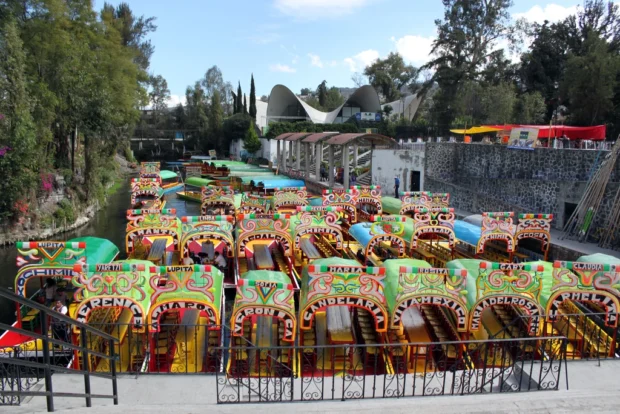
One sunny morning, I set out for Xochimilco, famous for its floating gardens or chinampas. Locals say this area is the last trace of the Aztec’s watery world. I joined a group on a painted boat, called a trajinera, and our “captain” showed us the channels lined with flowers and vegetable plots. Mariachi bands drifted by in other boats, families picnicked with homemade mole, and farmers sold bunches of dahlias. You can bring your own food or buy quesadillas from passing vendors. The slow trip reveals a world far from the rush of downtown, where you see how city and countryside blend.
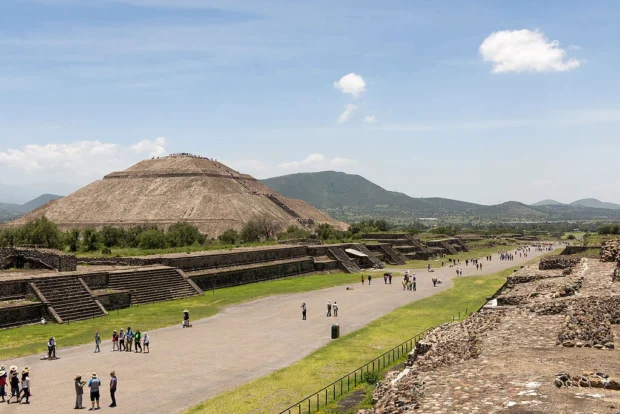
For a peaceful retreat from the city’s buzz, visit the Teotihuacan Pyramids near Mexico City to unwind amid ancient wonders and blue skies.

If you come on weekends, the canals fill with music and color, but even on quiet days, birdsong and laughter ripple across the water. Xochimilco is not only a tourist spot; for many, these gardens are still a source of fresh produc for city markets. Locals joke that “si no visitas Xochimilco, no viste la ciudad”—if you haven’t been to Xochimilco, you haven’t seen the city at all.
Food Traditions and Culinary Surprises
No visit to Mexico City can skip the food. In Roma and Condesa neighborhoods, I found both classic and creative dishes. Early mornings meant tamales corn dough stuffed with chicken or beans, steamed in banana leaves served on street corners. In the afternoons, I grabbed a seat at a small eatery and tried tlayudas (giant tortillas covered with beans and cheese) and tacos al pastor, where pork is spit-roasted and sliced thin. The spices? Complex, but never overwhelming.
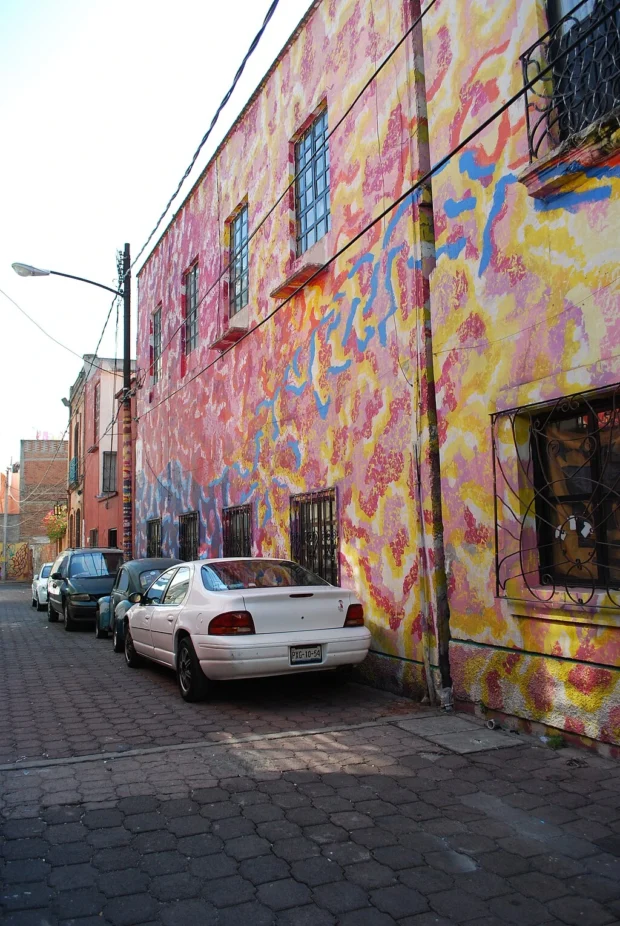
Each market brought new joys. In Mercado de San Juan, chefs hunt for rare mushrooms, wild herbs, and local cheeses. I tasted huitlacoche (corn fungus, black and earthy) and grasshoppers sprinkled with chili. At first, the idea surprised me, but the crunchy chapulines were oddly addictive, with a squeeze of lime. Street food is everywhere, from blue corn tlacoyos in the alleys of Coyoacán to cinnamon-dusted churros near the Alameda. For breakfast, I loved pan dulce sweet breads shaped like shells or stars, dunked in hot chocolate. Coffee is smooth but strong, often served with a smile and quick questions about your day.
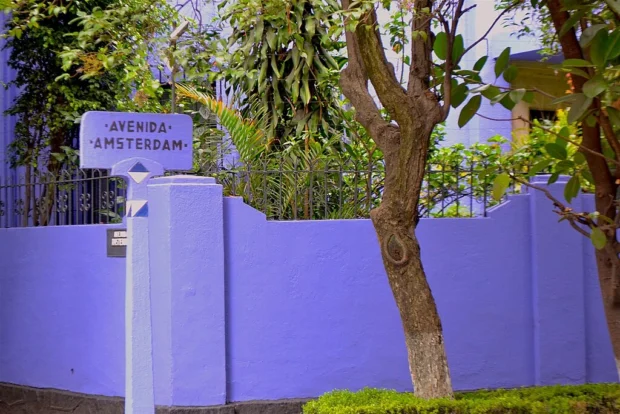
What amazed me most was how each district has its own food tradition. Xochimilco specializes in tamales with fresh local greens, while Condesa offers trendy takes on mole and ceviche with mango. At artisan bakeries, bakers show pride in bread’s crust and crumb, using Mexican wheat and old techniques. Cheese lovers must try queso Oaxaca long strands you can peel, mild but creamy. Food here is not just for eating, but for sharing; if you hesitate, someone will show you how to wrap a taco or add green salsa to pozole (hominy soup).
Where to Stay and Moving Around
Mexico City’s size is massive, but it is easy to get around. The Metro is safe, with clear signs and cheap tickets, especially if you avoid rush hour. Buses and metro-buses cover most areas, and there are bicycle sharing systems for short rides. From the airport, I used the Metro, connecting at Terminal Aérea station. A local told me, “Es fácil, sólo pregunta” it’s easy, just ask. People are generous with directions, and sometimes will even walk you to your stop. In historic neighborhoods like Roma and Condesa, I felt safe walking at night just stay on well-lit streets and watch for uneven sidewalks.
For places to stay, each district offers something unique. Centro Histórico puts you close to the major sights, and I enjoyed mornings watching the Zócalo come alive. Roma and Condesa are leafy, full of cafés, old mansions, and art deco buildings. Coyoacán feels village-like, with quiet guesthouses near parks. If you want more modern comforts, Polanco is upscale and packed with international shops. Each area feels different, so you can match your stay to your pace and interests.
Unexpected Views and Local Secrets
One evening, I went up the Torre Latinoamericana, a tall tower with a 360-degree view of the city. As the sun set, the volcanoes Popocatépetl and Iztaccíhuatl turned pink in the distance, and the city’s lights began to sparkle. On weekends, locals gather here for music and coffee; the top floor is windy but magical. A guide told me the tower has survived all the city’s major earthquakes thanks to its special design, making it a symbol of Mexico City’s resilience.

While most visitors rush to big museums, I found joy in tiny chapels and family-run bakeries. In the neighborhood of San Ángel, Saturday art markets fill with pottery, jewelry, and bright paintings. Local grandmothers sell home-baked cookies with anise and orange peel. In Colonia Doctores, I was invited to a lucha libre wrestling match full of masked drama and cheers of “¡Órale!” It’s an experience both wild and funny, a blast of energy after quiet afternoons spent reading in leafy parks.
Customs, Etiquette, and Everyday Life
Mexicans value politeness and warmth. When entering shops or cafés, it is usual to greet with “Buenos días” or “Buenas tardes.” Even strangers are quick to smile or offer advice. At meals, waiters might wish you “Provecho,” and it’s kind to reply, even with a simple “Gracias.” While bargaining is common in markets, it is done with humor and respect; drama is saved for stories, not for shopping.
As a visitor, I learned to take things slowly. Meals are longer, conversations flow easily, and nobody rushes the end of a good story. Tipping is customary 10 to 15% in restaurants is fair. I avoided drinking tap water, as locals recommend bottled or filtered water instead. Most surprising? The city feels safe and open, especially if you follow local advice, trust your instincts, and remember to look up murals, historic plaques, and even eagles nest above the busiest streets.
Day Trips Beyond the City
On my last full day, I joined a small group traveling to the Teotihuacan Pyramids, about an hour outside the city. The site is older than the Aztecs, with the towering Pyramid of the Sun and Pyramid of the Moon rising from flat plains. I climbed the ancient steps slowly, feeling the heat and the history. Guides shared legends of gods and sacrifices, and pointed out hidden tunnels and carvings of jaguars. The view from the top is wide, quiet, and humbling a reminder that this city is just the latest chapter in a very long story.
Returning at sunset, I saw pilgrims walking to the Basilica of Our Lady of Guadalupe. Some carried flowers, some crawled on their knees. The basilica is one of the world’s most visited Catholic shrines, and even non-religious visitors are moved by the devotion, music, and candlelight. Across the city, faith, tradition, and modern life live side by side sometimes noisy, sometimes peaceful, always alive.

Final Impressions and Farewell
After many walks and tastes, I left Mexico City filled with respect and joy. The city’s sounds distant bells, market sellers, marimba bands still echo in my mind. I came for famous sights like the Zócalo, Chapultepec Castle, and Frida Kahlo’s home, but I stayed for the streets, the flavors, and the surprising warmth of everyday encounters. In Mexico City, the past lives with the present, and every dish, mural, or plaza offers a new conversation. If you come with open eyes and a hungry heart, the city will give you stories and flavors to remember mucho más de lo que uno imagina.
For a coastal contrast to Mexico City’s urban pulse, consider visiting Tulum’s turquoise shores and ancient ruins, where sea breeze meets history.
- Monumental Flag, Zocalo, Mexico 20250907 p1 by Cvmontuy on Wikimedia Commons – cc by 4.0
- Plaza de la Constitucion Ciudad de Mexico City by Flickr user schlaeger on Wikimedia Commons – cc by-sa 2.0
- Mexico City (2018) – 582 by Another Believer on Wikimedia Commons – cc by-sa 4.0
- Vista aérea del Castillo de Chapultepec 2 by ProtoplasmaKid on Wikimedia Commons – cc by 4.0
- Vista aérea del Museo Nacional de Antropología de México 2 by ProtoplasmaKid on Wikimedia Commons – cc by 4.0
- Mexico City 2015 010 by Photograph by Mike Peel (www.mikepeel.net). on Wikimedia Commons – cc by-sa 4.0
- Ciudad de México – Alameda Central 0374 by Phyrexian on Wikimedia Commons – cc by-sa 4.0
- Museo Frida Kahlo-La Casa Azul by Jorge Akio Olvera Arao on Wikimedia Commons – cc by-sa 4.0
- Iglesia de San Juan Bautista en Coyoacán Ciudad de México by Juan Carlos Fonseca Mata on Wikimedia Commons – cc by-sa 4.0
- Mariachis – Xochimilco, Ciudad de México II by Juan Carlos Fonseca Mata on Wikimedia Commons – cc by-sa 4.0
- 2013-12-22 Xochimilco 01 anagoria by Anagoria on Wikimedia Commons – cc by 3.0
- LaRomita04 by AlejandroLinaresGarcia on Wikimedia Commons – cc by-sa 3.0
- Nombre de la Avenida Ámsterdam, antes Pista de Caballos Club Hipódromo Condesa by Katia Flores Torres on Wikimedia Commons – cc by-sa 4.0
- Torre Latinoamericana, Mexico City 2019-10-03 by Alexey Komarov on Wikimedia Commons – cc by-sa 4.0
- 15-07-13-Teotihuacan-RalfR-WMA 0251 by Ralf Roletschek on Wikimedia Commons – gfdl 1.2
- Basílica de Guadalupe desde el aire 7 by ProtoplasmaKid on Wikimedia Commons – cc by-sa 4.0


_-_582.jpg)


