

Nestled in the vibrant heart of Florence, Italy, the Florence Cathedral officially known as Cattedrale di Santa Maria del Fiore stands as a masterpiece of Renaissance architecture and a beacon of human creativity. This monumental complex, with its imposing dome, elaborate façade, and intricate interior, invites admirers from around the world to appreciate its artisanship and historical significance. Whether arriving from Florence Airport, Santa Maria Novella railway station, or strolling through the city center, visitors find themselves drawn to the cathedral’s captivating presence. Nearby accommodations range from cozy guesthouses to charming boutique inns, offering a restful base amid Florence’s rich urban fabric. The local culinary scene, featuring Tuscan specialties such as ribollita and lampredotto, complements a visit, providing an authentic taste of Florentine culture.
Table of Contents

Architectural Grandeur: The Cathedral’s Form and Proportions
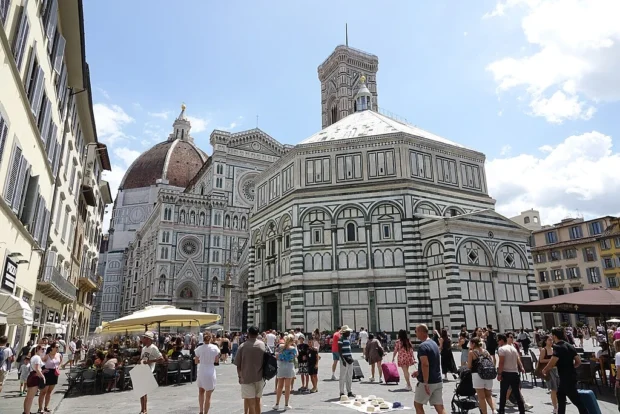
The Florence Cathedral’s silhouette dominates the city skyline with a harmonious blend of Gothic structure and Renaissance innovation. Its vast nave and soaring verticality echo the aspirations of 14th-century builders, while Filippo Brunelleschi’s revolutionary dome stands as an engineering triumph. Measuring 45.5 meters in diameter, the dome’s double-shell design eschewed traditional wooden centering, instead employing a sophisticated herringbone brick pattern to ensure stability and elegance. The façade, completed centuries later, abounds with polychrome marble panels in green, white, and pink, articulating geometric rhythms that engage observers both near and afar. The cathedral’s campanile, designed by Giotto, complements the composition with slender grace, creating a vertical counterpoint that balances the dome’s monumental mass.

Brunelleschi’s Dome: Innovation Meets Artistry
Brunelleschi’s dome is not merely majestic; it represents a pivotal moment in architectural history. Before its construction, domes of such scale posed significant challenges. Brunelleschi, inspired by classical Roman methods and his studies of octagonal forms, devised a technique that combined a double shell with a unique brick-laying system, allowing self-support during erection. This achievement marked a transition from medieval to Renaissance architecture, emphasizing harmony, proportion, and human ingenuity. The lantern crowning the dome, visible from across Florence, culminates this emblem of artistic and technical prowess.

Unfolding Layers: History and Cultural Importance
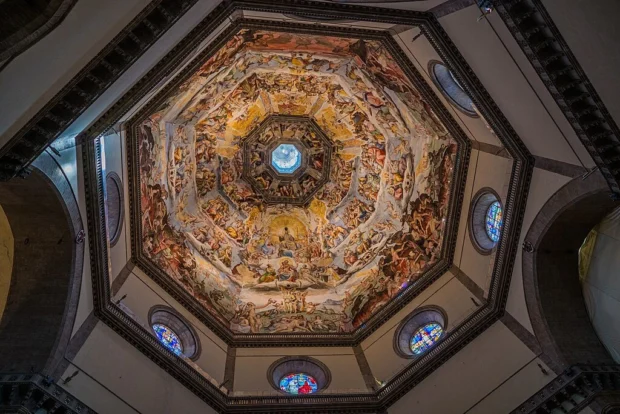
The Florence Cathedral’s genesis spans over a century, reflecting shifts in aesthetic ideals and political ambitions. Its foundation stone was laid in 1296 under Arnolfo di Cambio, embodying Florence’s desire to express civic pride and religious devotion. The cathedral replaced the earlier Santa Reparata, signifying Florence’s emergence from medieval obscurity into a flourishing metropolis. Over subsequent centuries, the cathedral became a stage for historical events, including Medici ceremonies and public celebrations. Its interior houses masterpieces such as Giorgio Vasari’s Last Judgment frescoes and the clock by Paolo Uccello, blending sacred narrative with artistic innovation. The cathedral remains a symbol of Florence’s identity and a monument to human creativity.
After admiring the cathedral, a visit to the nearby Palazzo Vecchio reveals more of Florence’s rich history and civic life, blending art and power in its walls. Palazzo Vecchio insights enhance your city experience.
Myths and Stories Within the Walls
Among the cathedral’s many legends is the tale of Brunelleschi’s secret methods, which he guarded jealously to protect his invention. Some suggest he used mirrors and hidden scaffolding designs to deceive skeptics. Another story recounts how the dome’s construction inspired rival cities and architects, sparking new approaches to large-span masonry. Visitors often overlook the subtle symbolism embedded in the façade’s statues and reliefs, which narrate biblical and Florentine history, encoding civic values within sacred art.
Arrival and Navigation: How to Reach the Florence Cathedral
Florence Cathedral enjoys an accessible location in Piazza del Duomo, easily reachable by various modes of transport. From Florence Airport (Amerigo Vespucci), visitors can take a taxi or the Volainbus shuttle connecting directly to the city center in about 20 minutes. The Santa Maria Novella railway station, Florence’s main train hub, lies a short walk west of the cathedral, approximately 10 minutes on foot through the bustling Via Panzani. For those within the city, numerous bus lines service the area, and pedestrian zones ensure a serene approach to the historic core. Parking nearby is limited, encouraging sustainable transport methods.
Best Moments to Visit: Timing and Tips
Timing a visit to the Florence Cathedral can enhance your experience profoundly. Early mornings on weekdays, particularly from Tuesday to Thursday, offer fewer crowds and softer light for appreciating details. Spring and autumn afford pleasant weather and moderate visitor flow, while summer can bring intense crowds and heat. The cathedral’s interior is often cooler and quieter during early hours, providing a peaceful atmosphere for contemplation. Sundays and religious holidays see increased attendance for services, limiting tourist access but offering unique cultural insight for those interested.
Reservation and Tour Information
To access the cathedral’s dome, baptistery, museum, and bell tower, purchasing a combined ticket is advisable. Booking online in advance secures your entry and avoids long queues, especially in peak season. Guided tours, available in multiple languages, illuminate the cathedral’s architectural features and historical context, enriching your visit. While the cathedral’s main nave does not require a ticket for entry, climbing the dome demands physical endurance and adherence to safety protocols. Visitors should wear comfortable footwear and note that children under six and individuals with certain health conditions may be restricted.
Nearby Accommodation and Culinary Delights
Surrounding the cathedral, Florence offers diverse accommodation options that blend convenience with local charm. Many lodgings occupy historic buildings with views of the Duomo’s dome, allowing guests to immerse themselves in the city’s atmosphere. Nearby streets feature trattorias and enotecas serving traditional Florentine cuisine. Sampling dishes like bistecca alla fiorentina or crispy schiacciata bread, paired with Tuscan wines, complements the visual feast of the cathedral. Piazza del Duomo also hosts markets where local artisans present crafts and delicacies, ideal for souvenirs or a casual meal.
Consider exploring the Uffizi Gallery, another Renaissance gem nearby that complements the cathedral’s artistic heritage.
Official Resources and Further Planning
For comprehensive information on opening hours, ticketing, and special events, the cathedral’s official website serves as the definitive guide. It provides updates in multiple languages, detailed visitor rules, and options for booking tours:
Florence Cathedral Official Website
Consulting this resource before your trip ensures a well-prepared visit, aligned with conservation policies and visitor care standards.
Final Reflections: An Ode to Craftsmanship and Human Vision
Standing before the Florence Cathedral, one senses the magnitude of collective effort and visionary artistry that sustained its creation. From the meticulous marble inlay of the façade to the soaring dome that crowns the city, every element demonstrates a commitment to beauty, proportion, and technical mastery. As an architectural historian and passionate observer, I marvel at the cathedral’s role as a bridge between epochs medieval aspirations realized through Renaissance genius. For anyone drawn to the dialogue between form and function, tradition and innovation, the Florence Cathedral offers a profound encounter with the extraordinary achievements of human creativity.
If you admire Renaissance domes, the grandeur of St. Peter’s Basilica in Vatican City offers a stunning continuation.
- Florence, Italy, Brunelleschi's Dome of Florence Cathedral at sunset by Vyacheslav Argenberg on Wikimedia Commons – cc by 4.0
- Cathédrale Santa Maria del Fiore (Florence) by Gzen92 on Wikimedia Commons – cc by-sa 4.0
- Brunelleschi's Dome (Florence) by Maksim Sokolov (maxergon.com) on Wikimedia Commons – cc by-sa 4.0
- Cathedral of Santa Maria del Fiore Opera Duomo Florence Italy 20240517 111811730 by bobistraveling on Wikimedia Commons – cc by 2.0
- Florence Cathedral – Duomo – Cathedral of Santa Maria del Fiore (51351486593) by Nan Palmero from San Antonio, TX, USA on Wikimedia Commons – cc by 2.0
- Cathédrale Santa Maria del Fiore et baptistère (Florence) by Gzen92 on Wikimedia Commons – cc by-sa 4.0

.jpg)
.jpg)

.jpg)
.jpg)