

Shanghai is not a city you tiptoe through. It is a city that sweeps you up sometimes gently, sometimes with a noisy, confident tug. I lived here for a year, and even now, the city’s music returns to me: street vendors frying breakfast buns at dawn, city buses sighing awake, laundry fluttering far above the sidewalk. In Shanghai, every block feels like a new chapter in the world’s most driven yet unexpectedly poetic urban novel.
Table of Contents
Mention Shanghai, and the first pictures people imagine are futuristic towers and riverside lights. But this city is more than bright facades and fast trains; it is a living web of markets, parks, and old alleys, where the past and present blend in a way that feels entirely Shanghai. Let me guide you through its essential places, unexpected corners, and persistent flavors, with my footsteps as your gentle map.
Start Along the Bund: Shanghai’s Postcard View
I often began my mornings with a slow walk along the Bund. This famous riverfront promenade feels both grand and simple at once. On one side, the curve of the Huangpu River carries cargo ships and ferries. On the other, a proud parade of historic buildings think neoclassical banks, Art Deco hotels, and once-powerful trading houses lines the street. Early light glows on the stone lions and brass doors, while locals practice tai chi or dance quietly with fans. I always watched the elderly couples in coordinated tracksuits moving as if they owned the city, which, in a way, they do.

The view across the river is Shanghai’s most recognizable: the spiky Oriental Pearl Tower, the hard-edged Jin Mao Tower, and the cloud-touching Shanghai Tower all squeeze together like a family portrait of ambition. At night, the towers flash with color, their reflections shimmering in the water a sight that has filled many camera rolls and artists’ sketchbooks, including my own.
If you enjoy exploring Shanghai’s iconic views, take a moment to stroll along the riverfront at The Bund, where history meets the modern skyline.

Yu Garden and Old Shanghai’s Living Heritage
Beyond the towers, I slipped into the winding lanes of Old Shanghai, where Yu Garden waits. This classical garden is a pocket of Ming-dynasty calm in a city that rarely sits still. Dragon walls curl along shaded paths; stone bridges arch over koi ponds; pavilions are tucked between willow trees. It is the kind of place where you sense the old scholars would have debated poetry, their voices softened by the rustle of bamboo.

Yu Garden’s surrounding bazaar is another world a bright, bustling maze of snack stalls and souvenir shops. I still crave the taste of xiaolongbao (soup dumplings), their thin skins holding hot, fragrant broth. Locals and visitors queue patiently, chatting in a dozen dialects. The market smells of sweet bean paste and fried sesame, and the air is busy with laughter, bargaining, and the click of mahjong tiles from upstairs windows.
Skyline Drama: Shanghai Tower and High-Rise Icons
When I want to feel the city’s energy from above, I head to Shanghai Tower. This is not just China’s tallest building, but a symbol of how far Shanghai dreams. The elevator whooshes you up at heart-hurrying speed to a sky-high deck. From here, the city below appears both tiny and endless: tiny cars, endless neighborhoods, the river looping through the heart of it all.

Nearby, the Jin Mao Tower and the World Financial Center (locals call it “the bottle opener” for its shape) rise in elegant rivalry. The Oriental Pearl Tower, with its bold pink spheres, always makes me think of a retro science-fiction movie. I once sipped coffee in the revolving restaurant up there, watching the clouds drift past as if the city itself were a ship at sea. The skyline is not just vertical each tower tells a story of design and determination.

Nanjing Road and the Urban Pulse
No description of Shanghai is complete without Nanjing Road. This is the city’s grandest shopping street, stretching from People’s Square to the Bund. In the evening, neon signs and LED screens light up the sky, calling out to strollers, shoppers, and groups on their way to a late dinner. I lost count of the times I wandered here, letting the crowd carry me past department stores, old-time bookstores, and chic cafés.

Between the sleek shops, you’ll spot hidden family-run noodle houses or bakeries selling thick slabs of sponge cake. At Spring Festival, red lanterns swing from lamp posts and the street fills with music. I often paused to watch children eat tanghulu candied fruit on sticks as their parents took photos in front of holiday displays. Nanjing Road is where the city’s new dreams and old rituals collide.
Urban Neighborhoods: Tianzifang, Xintiandi, and Community Life
Shanghai’s soul is not just in its towers but in its neighborhoods. Tianzifang, tucked inside the old French Concession, is a web of narrow alleys filled with art studios, quirky shops, and tiny bars. Here, laundry hangs above café umbrellas, and the air is scented with roasted coffee and steamed buns. I loved slipping into poetry readings in a second-floor bookstore or chatting with shopkeepers about their handmade jewelry.

Xintiandi, in contrast, is a patchwork of restored stone buildings (shikumen houses) turned into restaurants and galleries. Locals gather here for late-night snacks maybe spicy crayfish or sweet soy tofu while jazz floats out from hidden clubs. These areas are both stage and living room for Shanghai’s creative crowd. In the early mornings, neighbors sweep their doorways, and you might even see a street calligrapher painting poems on the pavement with a water brush.

Cultural and Spiritual Heartbeats
For a slower rhythm, I would visit the Jade Buddha Temple, a peaceful oasis within busy Jing’an District. Monks in saffron robes sweep the courtyards, and visitors light incense, sending wishes into the sky. The temple’s white jade Buddha, brought from Burma over a century ago, seems to radiate stillness. I often lingered near the carp pond, watching as reflections rippled and city noise faded away.

Another favorite is Longhua Temple, the city’s oldest and largest, especially during the lantern festival when the grounds glow and families gather to share dumplings. Shanghai’s temples are not only places of worship; they are also part of the city’s social life a spot to meet friends, find quiet, or celebrate the turning of the seasons.

Art, History, and Unexpected Stories
Shanghai’s museums tell stories as dramatic as its skyline. The Shanghai Museum in People’s Square holds treasures from thousands of years: bronzes and ceramics, ancient calligraphy, delicate jade. I wandered its circular galleries for hours, lost in the curve of a painted bowl or the fierce eyes of a Han dynasty lion.

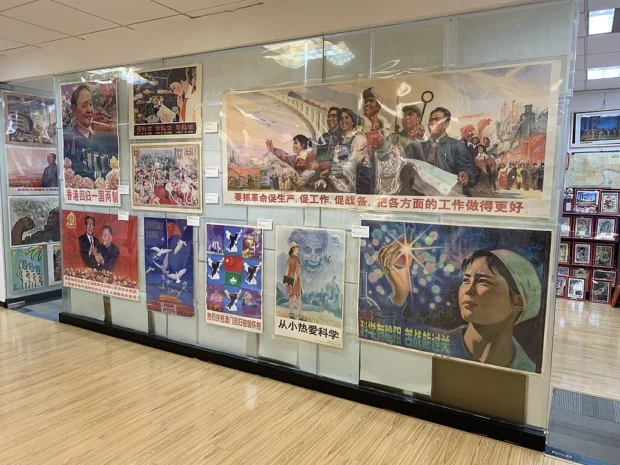
Tucked away in a quiet lane, the Propaganda Poster Art Centre is a surprise. Here, you’ll see bright posters from China’s revolutionary past slogans, heroic workers, and doves of peace. The colors are bold, the stories sometimes strange, and the messages both hopeful and stark. It’s a reminder that Shanghai, for all its gloss, has lived many lives.
For a taste of old water-town life, Zhujiajiao is a short metro and bus ride away. There, stone bridges cross sleepy canals, and tea houses serve sticky rice dumplings on shaded decks. I once spent an entire afternoon with an elderly boatman, who told me tales of floods and festivals while we drifted under willow branches. Just outside Shanghai, yet centuries away in spirit.

Where to Stay and Getting Around
Choosing where to stay depends on your style. If you love history, neighborhoods like the French Concession or Jing’an put you near tree-lined avenues, leafy parks, and coffee shops with creaky floors. For skyline lovers, try the high-rises near Lujiazui or the Bund, where you wake up to city views that almost seem unreal. Families sometimes prefer the quieter green spaces around Zhongshan Park, or the playful hotels near Shanghai Disneyland yes, there’s a full-sized Disney world just outside the city.
Getting around Shanghai is easy and (almost always) fun. The metro is clean, quick, and with English signs everywhere. At Pudong International Airport, just hop on the Maglev train a floating magnetic wonder that covers 30 kilometers in about 8 minutes, faster than most people can blink twice. Buses fill in the city’s gaps, and public bike rentals are everywhere; I recommend a slow ride along the tree-shaded lanes for a different view of the city’s heart.
Culinary Heritage: Markets, Street Food, and Sweet Surprises
To eat in Shanghai is to taste both adventure and memory. Street food markets wake up before sunrise especially in neighborhoods like Huangpu or Yangpu offering shengjian bao (crispy-bottom pork buns), scallion pancakes, and soy milk so fresh it almost hums. I often queued with office workers and schoolchildren for breakfast, learning that “one more” is always possible when the food is good.
In the old neighborhoods, you will find tiny noodle shops serving bowls of thick, hand-pulled noodles topped with red-cooked pork or pickled greens. At lunch, look for stalls with long lines; the busiest ones are often the best. In winter, I craved hot pot simmers of beef, greens, and chili especially in the lively streets around People’s Square. For sweet teeth, Shanghai’s mooncakes (filled with lotus seed or red bean) are a small, perfect comfort.
Cafés have their own scene, from literary dens in the French Concession to sleek tea houses along Suzhou Creek. I spent slow afternoons sipping pu-erh tea, writing postcards in cafés lined with dusty books, and listening to poetry readings that drifted outside on the breeze. Shanghai’s café culture is both creative and calm; some locals bring chess boards, others just their stories.
Customs, Do’s and Don’ts, and Everyday Etiquette
Shanghai’s people are proud, fast-moving, and friendly, but a few customs can help you feel at home. When meeting someone, a simple nod or handshake is usual—hugs are rare between strangers. Gift-giving is thoughtful; avoid giving clocks (they sound like “end” in Chinese). In restaurants, it’s polite to leave a little food on your plate to show you are full. That surprised me at first, but soon felt like common sense
Public spaces can be crowded, especially during festivals, but people share space with invisible grace. In markets, bargaining is more playful than serious; a smile goes a long way. Locals are happy to recommend favorite noodle shops or explain the meaning of a temple festival if you ask. Shanghai is a city where traditions matter, but curiosity is always welcome.
The Unexpected: Stories From the Streets
Some of my best Shanghai memories are not from guidebooks. I once joined a morning dance group in Fuxing Park; we moved in slow circles under old plane trees, the music scratchy and sweet. On a rainy night, I ducked into a mahjong parlor, where laughter, tea, and the clack of tiles filled the air. At a market in Yangpu, a grandmother taught me the secret to her pickled vegetables: “Patience, salt, and laughter,” she said, in a mix of Mandarin and hand gestures.
Even the subways have stories. On Line 10, I once sat beside a calligrapher who painted my name on a fan with a brush dipped in water. It faded before the next stop, but for a moment, my name belonged to the city.
Reflections on Shanghai’s Pulse
After months spent wandering these streets, I believe Shanghai’s magic is not in its size or speed, but in its layers. It is a city that is always moving, but never forgets to pause for a poem, a story, or a bowl of noodles. Here, skyscrapers rise from alleys where children skip rope, and the future grows from deep, tangled roots.
If you listen carefully, you’ll hear it: the rhythm of shoes on stone, the clink of tea cups, the faint hum of a city still becoming itself. Shanghai stays with you a reminder that every great city is not just seen, but felt, one ordinary, extraordinary day at a time.
Lover of cities, local cafés, and historic streets, exploring urban life with attention to architecture and culinary delights.
- Shanghai skyline waterfront pudong 5166168 69 70 by Ermell on Wikimedia Commons – cc0
- The Bund, Shanghai, China (December 2015) – 15 by Another Believer on Wikimedia Commons – cc by-sa 4.0
- Oriental Pearl Tower in Shanghai by Dmitry A. Mottl on Wikimedia Commons – cc by-sa 4.0
- Shanghai – Yu Garden – 0011 by Stefan Fussan on Wikimedia Commons – cc by-sa 3.0
- 20191114 Shanghai Tower-1 by Balon Greyjoy on Wikimedia Commons – cc0
- 20191114 Jin Mao Tower and SWFC-3 by Balon Greyjoy on Wikimedia Commons – cc0
- East Nanjing Road at night, Shanghai by EditQ on Wikimedia Commons – cc by-sa 4.0
- Tianzifang 21634-Shanghai (33070694105) by xiquinhosilva on Wikimedia Commons – cc by 2.0
- 上海新天地,New World,Shanghai – panoramio (1) by Adazzy.Gonzo on Wikimedia Commons – cc by-sa 3.0
- Shanghai Jade Buddha Temple courtyard by Iamtherealnick on Wikimedia Commons – cc by-sa 3.0
- 20191113 Longhua Temple lantern-5 by Balon Greyjoy on Wikimedia Commons – cc0
- China Art Museum, Shanghai (2015) – 03 by Another Believer on Wikimedia Commons – cc by-sa 4.0
- China-Shanghai – Propaganda Poster Art Centre (2024) – img 02 by Chainwit. on Wikimedia Commons – cc by 4.0
- Zhujiajiao ancient water town, Nr. Shanghai, China – 3 by Lloyd Tudor on Wikimedia Commons – cc by-sa 4.0

_-_15.JPG)


.jpg)
.jpg)


_-_03.JPG)
_-_img_02.jpg)
