

Arriving in Skopje, North Macedonia’s capital, always brings a sense of energy mixed with layers of history. You notice it from the first moment a city shaped by empires, earthquakes, poets, and visionaries. Streets hum with the sound of Macedonian (“Zdravo!” means hello), and coffee shops fill with laughter. It’s easy to feel both a guest and a participant here. The Vardar River splits the city, while the peaks of Mount Vodno rise in the background, promising beauty and surprises for even the most seasoned explorer.
Table of Contents
Skopje Fortress: Witness to Centuries
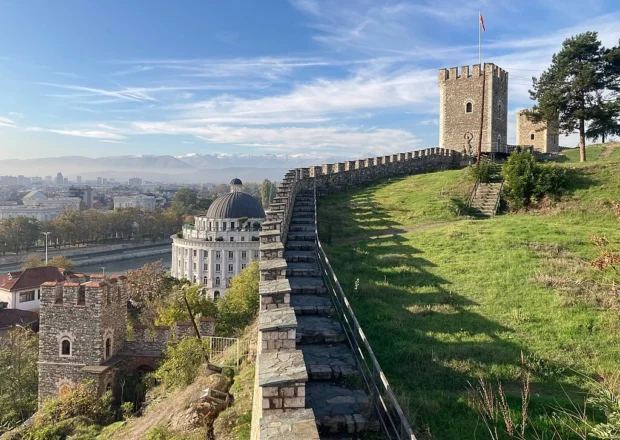
We started our time in Skopje with a walk up to the Skopje Fortress, called Kale by locals. This sturdy stone sentinel stands proud above the city, its foundations dating back as far as the 6th century. I watched children play where soldiers once guarded the city, and older residents swapped stories about past earthquakes and sieges. There’s a hush here, even when tourists chatter, and sweeping views over the old and new sides of Skopje make for a picture-perfect memory.
The fortress walls are patched with stones from different ages Byzantine, Ottoman, and even ancient Roman. You might stumble on archaeologists gently brushing away dust, finding clues to life before modern living. If you time it right, you’ll catch the sunset painting the city in gold, with the distant call to prayer drifting from the Old Bazaar below. It’s a living classroom and a peaceful spot for reflection, the kind of place where history feels close enough to touch.
The Allure of the Stone Bridge
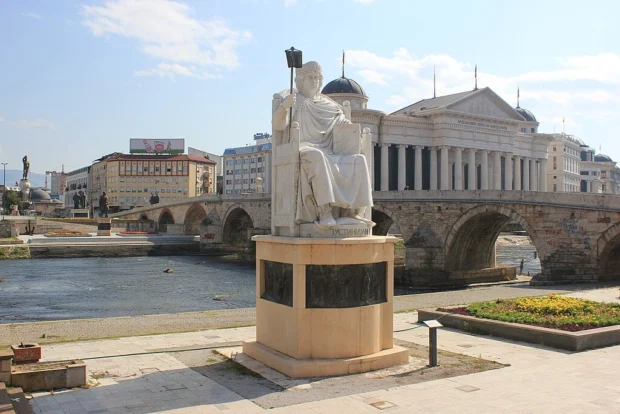
All roads in central Skopje seem to lead to the Stone Bridge a graceful, centuries-old span connecting Macedonia Square with the Old Bazaar. Built in the 15th century during Ottoman times, its massive stones have survived earthquakes and armies, now mingling with the slow parade of locals and travelers crossing between Skopje’s two worlds. Walking across the bridge is something of a ritual: families pause for photos, musicians strum on balmy evenings, and vendors offer roasted chestnuts or simit rings.
Beneath its arches, the Vardar River flows quietly, carrying stories from the mountains to the plains. Though the bridge itself is not flashy, I recommend spending time here just watching daily life unfold. Street artists often perform here, adding a splash of energy to the historic scene. For many in Skopje, the Stone Bridge (“Kamen Most”) symbolizes the meeting of cultures east and west, old and new, all mingling in this city’s heart.
For those interested in Balkan cities with rich river histories, Podgorica’s bridges and everyday life offer a fresh perspective on blending tradition and modernity.
Old Bazaar: Skopje’s Living Market
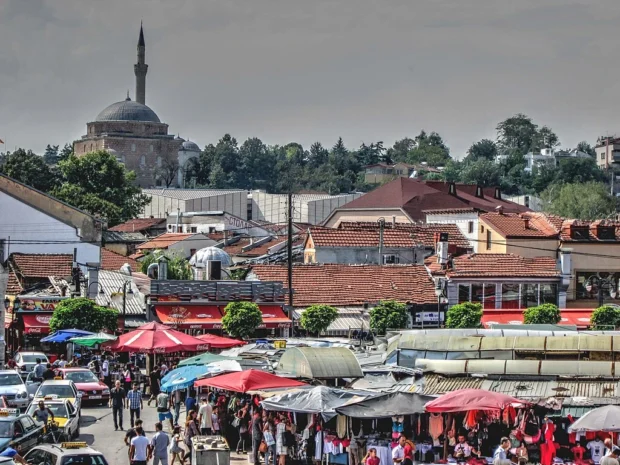
On the north side of the Stone Bridge, the Old Bazaar stretches out in a maze of cobbled lanes, domed roofs, and ancient caravanserais. This is not a place to rush. We wandered past goldsmiths, spice stalls, and hand-loom weavers working textile patterns passed down through generations. The mingled aromas of strong coffee, fresh bread, and grilled kebabs made it hard to know where to taste first.
I stopped to chat with a potter her hands painted with clay, making elegant ceramic jugs in a style unchanged for centuries. Every so often, the call “Povelete!” (Please, come in!) invited us into cool courtyards for tea or small plates. The Old Bazaar is the soul of Skopje’s trading heritage. Its shops reveal Ottoman arches, Persian carpets, antique books, and local silverwork, each corner holding a fragment of the city’s long connection to trade routes across the Balkans and beyond.
A short stroll brought us to Daut Pasha Hammam, a 15th-century Turkish bath now hosting the National Gallery’s collection. The domed roofs, silent now, once echoed with steam and gentle gossip. Inside, modern sculptures sit where once there was water and whispered secrets. The Islamic Religious Museum nearby presents delicate manuscripts and ritual objects, offering a glimpse into Skopje’s multi-faith past.
Macedonia Square and Urban Surprises
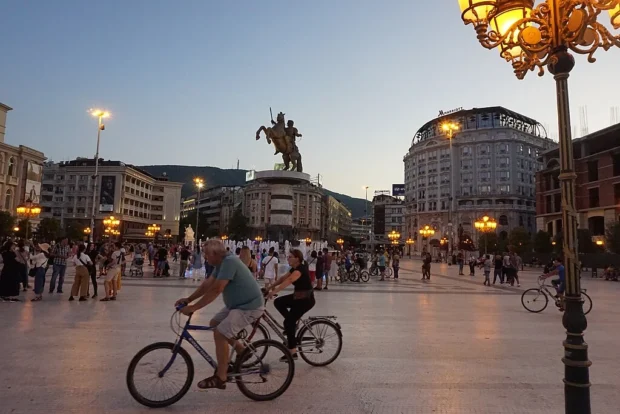
If you crave the city’s pulse, start at Macedonia Square. Enormous statues of historical figures, fountains, and grand government buildings dominate the space, while cafes line every edge. The centerpiece is the giant bronze statue of Alexander the Great (officially called “Warrior on a Horse”)—it’s bold, brash, and a perfect spot to meet friends or take in the local scene. Skopje’s proud urban re-design is clear here, sometimes controversial, but always lively.
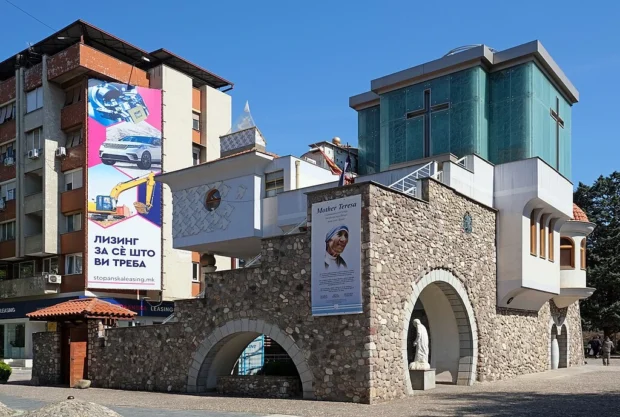
From the square, walking south brings you to the Memorial House of Mother Teresa, a striking white building dedicated to the city’s most famous daughter. Born here in 1910, Mother Teresa’s legacy fills the simple space with photos, letters, and personal items. Quiet and understated, the house contrasts with the city’s larger-than-life monuments, reminding visitors that Skopje has produced figures of immense compassion as well as history.
Art, Museums, and Creative Energy
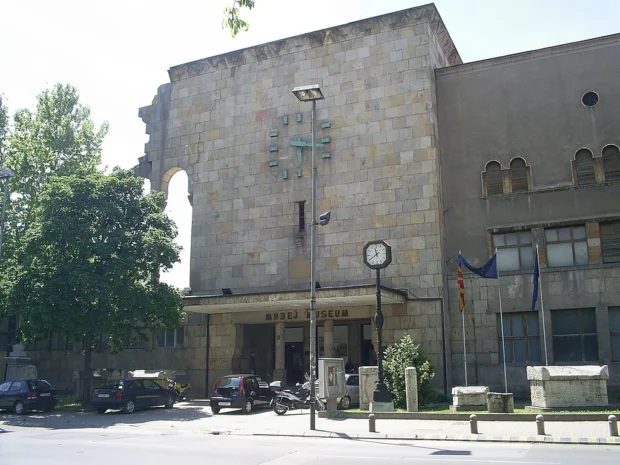
Skopje is not just about old stones or dramatic statues; it is alive with creativity. The City Museum of Skopje, in a former railway station shattered by the 1963 earthquake, offers a moving account of the city’s resilience. One clock on the wall remains frozen at the moment of the earthquake a souvenir of tragedy and recovery.
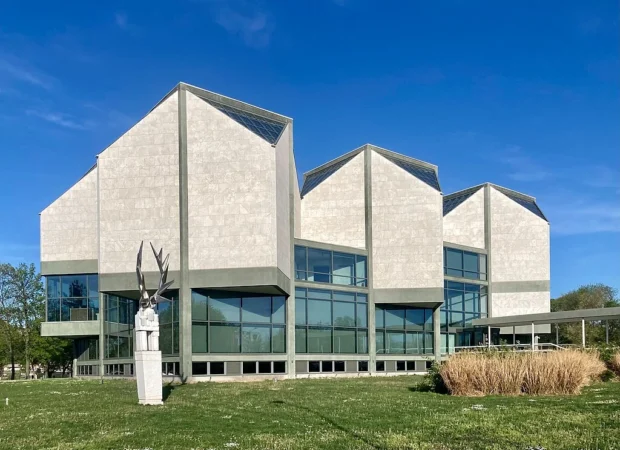
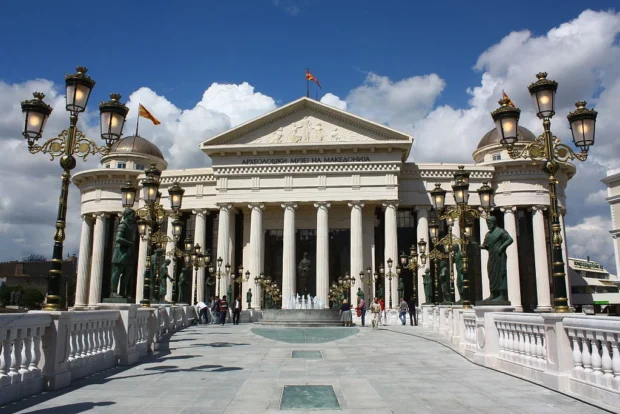
Across the river, the Archaeological Museum of Macedonia stands tall with its neoclassical pillars, showcasing treasures ranging from ancient coins to Byzantine icons. Nearby, the Museum of Contemporary Art Skopje surprised me with bold modern displays from Macedonian and international artists a gift from the world after the earthquake.
Art spills into the streets too. From colorful murals decorating underpasses to striking sculptures that double as play spots for children, Skopje’s artistic side is impossible to miss. I found impromptu concerts and folk musicians near the Holiday Inn Viewpoint, where city views are particularly impressive after sunset. This is a place where traditions meet modernity head-on, and locals seem happy to talk about everything from pop music to poetry.
Churches, Mosques, and Sacred Spaces
Religious harmony has always shaped Skopje’s identity. I admired the bold architecture of the St. Clement of Ohrid Cathedral, a modern Orthodox church with sweeping domes and tranquil mosaics. Locals light candles here for good luck and family health.
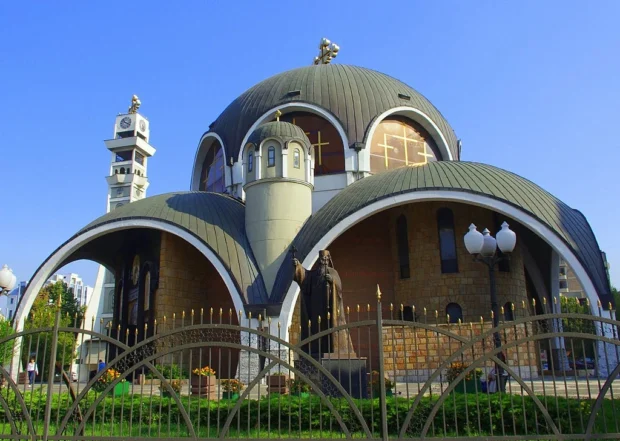
Not far away, in the foothills outside the city, sits the medieval Church of St. Panteleimon. Its faded frescoes seem to glow in the soft light; inside, the hush is almost magical. We arrived on a quiet afternoon, listening to the stories of a caretaker who described weddings and baptisms that have filled the church for hundreds of years.
In the Old Bazaar, minarets rise over the rooftops, and mosques welcome worshippers throughout the day. One morning, a local invited us to share baklava after Friday prayers, explaining with a smile, “Vo Skopje, site se prijatelji” in Skopje, everyone is a friend.
Mount Vodno and Skopje’s Natural Beauty
Whenever the city feels busy, locals head for green escapes. Mount Vodno is the most beloved. Just a short journey by city bus, the mountain is crowned by the soaring Millennium Cross, visible from all directions. A modern cable car whisks visitors to the top, where panoramic views stretch across the entire capital and even beyond to distant villages and hills.
We hiked along forested trails, sometimes passing cyclists or elderly Macedonians collecting herbs. Wildflowers and singing birds made us forget we were just minutes from a bustling city. Picnics are a must here; families bring homemade pita and burek, and laughter drifts in every direction. The clean air and broad views give Skopje an entirely different feel one of peace, resilience, and belonging.
Historic Buildings and Everyday Life
Walking through Skopje, you find layers of architecture that reveal the city’s many influences. The Saraj, or old Ottoman-era city hall, is a favorite. Its elegant arches and shady gardens speak of bureaucracy mixed with beauty a reminder that public life here blends history with practicality.
The railway heritage is memorable too: old station clocks, vintage tracks, and industrial buildings quietly frame daily life. Skopje’s evolving skyline is a conversation topic among residents. Some love the neoclassical facades, others miss the simpler days before the earthquake. Yet, almost everyone finds pride in the city’s ability to adapt and build anew.
Markets, Ceramics, and Everyday Encounters
If you like hands-on culture, visit the bustling produce markets where women in headscarves debate the best cheese and peppers. At the Bit Pazar, you can bargain (“Kolku e?” or “How much is it?”). Don’t be shy negotiating is part of the fun, and most vendors greet friendly attempts with a smile.
Ceramics and textiles are still made by hand in small workshops. I watched an old man shape a water jug, singing softly in Macedonian folk tunes learned as a child. Textile shops near the Bazaar show off bold colors and complex patterns, reminders of the city’s location on ancient trade routes. Traditional rugs, decorated in geometric motifs, tell stories as old as the Balkan hills.
Skopje’s Food Scene: Flavors of Old and New
You can’t miss Skopje’s food traditions. For classic Macedonian specialties, head to the Old Bazaar after dark, where tiny grills sizzle with ćevapi (small sausages) and tavče gravče (baked beans in clay pots). In the Debar Maalo district, modern cafes put local twists on centuries-old favorites think fresh river fish, crunchy shopska salad, or flaky pastries filled with cheese, spinach, or apple.
Street food is everywhere: by the riverside, try “burek” for breakfast or a sweet sesame pastry called “kozunak” with your strong black coffee. At lunchtime, a bowl of hearty vegetable stew and fresh bread is a staple. As one old woman in the market told me, “Bez hleb nema obed,” meaning “Without bread, there is no meal.”
For travelers with a sweet tooth, baklava and tulumba (fried dough with syrup) appear at every turn. The flavors reveal the city’s melting-pot character, blending Ottoman, Slavic, and Mediterranean influences in every bite. If you get invited to a family table, accept. Meals here are about togetherness and you’ll never leave hungry.
If you want to try something truly local, ask for “ajvar” a red pepper relish that locals put on almost everything.
Getting Around Skopje: Tips for Easy Travel
Getting into the city from Skopje International Airport is simple: city buses connect the terminal with the center, with departures every 30–40 minutes. For train travelers, the main railway station is a practical landmark, connecting Skopje to the rest of North Macedonia and neighboring countries. Public buses are reliable, with clear signs in both Cyrillic and Latin scripts, though sometimes a friendly local will offer directions. If you’re lost, just ask, “Kadé e?” (Where is…?), and someone will help.
Most of Skopje’s main landmarks cluster within walking distance of the Vardar river. For the energetic, renting a bicycle is a great way to wander neighborhoods and riverside parks. Street crossings can be lively locals move quickly, but always stop for the elderly or children.
Tradition, Etiquette, and Feeling at Home
Skopje’s customs are built on warmth and respect. When greeting someone, a simple handshake or the local “Zdravo!” works for nearly everyone. In cafes, locals linger over coffee you won’t be rushed. It’s respectful to take off shoes when entering a private home, and to accept small offers of food or coffee, even if it’s just a taste.
Dress is mostly casual, but modesty is appreciated around religious sites. Photography is fine in most public spaces, but always ask before taking close-ups of people, especially at markets or inside mosques and churches. I felt welcomed everywhere, and mistakes in etiquette were met with gentle smiles and helpful advice.
Why Skopje Leaves a Lasting Impression
There’s a saying among locals: “Site patishta vodiat kon Skopje” all roads lead to Skopje. After a few days here, I understood why. This city is never just one thing. It’s an open-air museum, a busy marketplace, a modern art gallery, and a crossroads of memory and hope. Every conversation, corner, and cup of coffee adds to its story. From the ancient stones of the Skopje Fortress and the old-world charm of the Bazaar, to the bold city squares and green hills of Vodno, Skopje’s past and present stay with you long after you leave.
After exploring Skopje’s rich history, you might appreciate a journey to St. Mark’s Basilica in Venice, where Byzantine art and Venetian culture blend beautifully.
Whether you’re a lover of history, food, music, or the simple pleasures of daily life, you’ll find genuine warmth and inspiration in Skopje. The legends, food scents, mosaic of faces, and river breeze all come together here. If you listen closely, you’ll hear the city whisper “Dobrodojde vo Skopje!” Welcome to Skopje.
Eastern Europe travel specialist uncovering hidden gems from the Baltics to the Balkans.
- Skopje 2014 – Art Bridge by Pudelek on Wikimedia Commons – cc by-sa 4.0
- Kale Skopje Fortress by kallerna on Wikimedia Commons – cc by-sa 4.0
- Skopje – Vardar Bridge (2017) by Julian Nyča on Wikimedia Commons – cc by-sa 3.0
- Old Bazaar 14 by Делфина on Wikimedia Commons – cc by-sa 3.0
- Macedonia Square, Skopje (50383662696) by Andrew Milligan sumo on Wikimedia Commons – cc by 2.0
- Memorial House of Mother Teresa by kallerna on Wikimedia Commons – cc by-sa 4.0
- National Museum of History of Republic of Macedonia (Skopje) by Svik at Bulgarian Wikipedia on Wikimedia Commons – cc by-sa 3.0
- Museum of contemporary art Belgrade 3 by kallerna on Wikimedia Commons – cc by-sa 4.0
- Arheo Museum of Macedonia (13) byThis illustration was made by Rašo. An email toRašo would be appreciated too. on Wikimedia Commons – cc by-sa 3.0
- Church of St. Clement of Ohrid – panoramio (1) by Tim Tregenza on Wikimedia Commons – cc by-sa 3.0


.jpg)

.jpg)

.JPG)

.JPG)
.jpg)