

San Francisco’s Golden Gate Bridge stands as a striking symbol of engineering, urban planning, and regional connectivity. Spanning the entrance to the San Francisco Bay, this landmark structure is not only a key transport link but also a treasure trove for enthusiasts of bridges, route logistics, and scenic accessibility. For travelers arriving at San Francisco International Airport or Union Square, understanding how to navigate to this monument, when to visit, and the nuances of its history and access can enhance the experience considerably.
Table of Contents
For a broader view on San Francisco’s attractions and efficient sightseeing tips, see our San Francisco Must-Sees guide.

Getting There: Seamless Routes to the Golden Gate Bridge
Starting from downtown San Francisco, the simplest route involves taking the historic US Route 101 northbound. Public transport options include the Golden Gate Transit buses, which depart regularly from the Transbay Terminal at 200 Folsom Street. The bus ride offers sweeping views of the bay as you approach the bridge.
From San Francisco International Airport (SFO), one can use the BART (Bay Area Rapid Transit) system to downtown and then transfer to bus routes heading to the bridge’s welcome centers. For travelers who prefer cycling, dedicated bike paths connect downtown San Francisco with the bridge’s east walkway, offering a functional and scenic approach.
Detailed Directions for Drivers
Use GPS coordinates 37.8199° N, 122.4783° W for the main Golden Gate Bridge parking areas. Note that parking near the south end is limited and can fill early, so arrive early or consider parking in nearby neighborhoods and walking or cycling in.

Visitor Timing and Tour Scheduling: Optimizing Your Bridge Experience
The bridge is busiest during weekends and midday hours, so weekdays, especially mornings just after sunrise, offer a quieter, more contemplative atmosphere. Weather tends to be clearest in late summer and early fall, reducing the infamous San Francisco fog and improving visibility.

There is no ticket required simply to walk or drive across the bridge. However, if interested in guided tours or special infrastructure visits focusing on engineering and history, advance reservations are recommended. The Golden Gate Bridge Welcome Center offers educational walks and schedule details at their official site.
Official Tour and Reservation Details
Guided tours highlight the bridge’s construction innovations and operational logistics. Booking these can be done through the official Golden Gate Bridge website, which also provides updated information on visitor access and any maintenance-related closures.
Architectural Marvel and Transport Heritage of the Golden Gate Bridge
Completed in 1937, the Golden Gate Bridge was a pioneering suspension bridge, combining aesthetic grace with durability to span 1.7 miles (2.7 km) over turbulent waters. Designed by Joseph Strauss and influenced by engineer Leon Moisseiff, it was the longest suspension bridge of its time.

Besides its engineering feats, the bridge has served as a vital artery for commerce and daily commutes in the Bay Area. Its role in reducing travel times and linking San Francisco to Marin County exemplifies successful urban infrastructure planning.
Exploring Amenities and Surrounding Locales Near the Bridge
Nearby accommodations ange from boutique lodgings nestled in the Presidio to guesthouses along the Marina District, all providing different vantage points of the bridge. Local eateries specializing in seafood and Californian cuisine are abundant, especially near Crissy Field and Sausalito, just across the bridge.
Sampling fresh Dungeness crab or clam chowder in these areas pairs well with panoramic views and fresh bay air. Public parks adjacent to the bridge are ideal for picnics or leisurely strolls, blending natural beauty with remarkable engineering history.
For a different scenic water experience, consider the delightful boat trips on the Bosporus Strait, highlighting Istanbul’s unique cultural and historic waterways Bosporus Boat Trips.
Practical Tips for Smooth Transit and Accessibility
- Utilize the Golden Gate Bridge’s toll system efficiently: southbound vehicles pay a toll collected electronically; northbound is toll-free.
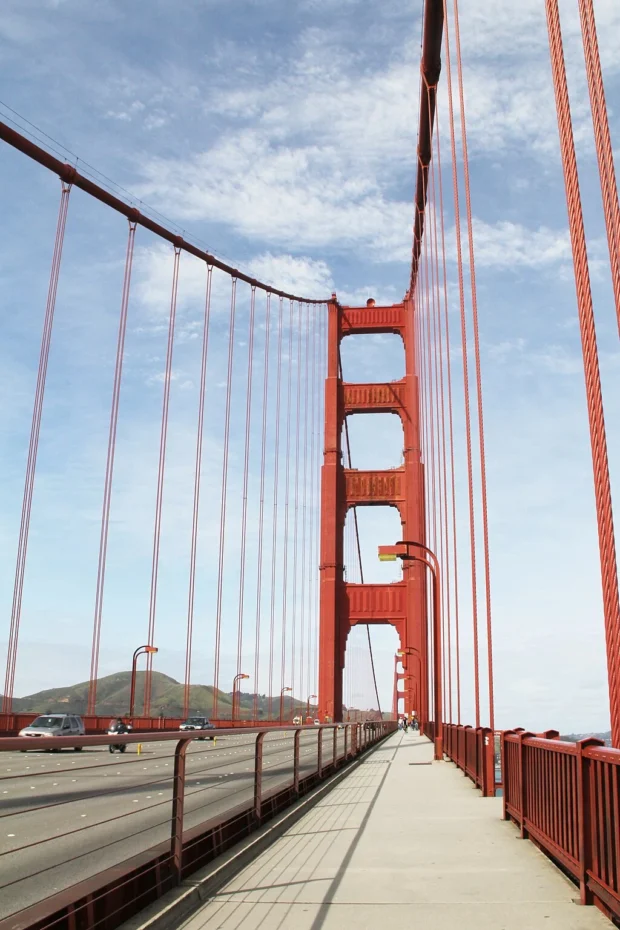
- Cyclists and pedestrians have dedicated lanes east side for pedestrians and west side for cyclists ensuring safety and ease of movement.
- For those interested in long-distance cycling routes, the bridge connects to a network of coastal trails and regional bike corridors extending north into Marin County.
- Wheelchair users will find the bridge accessible, with ramps and viewing areas designed adhering to Americans with Disabilities Act (ADA) standards.
- Check the official website before traveling for any alerts about maintenance work or special events that might impact visitor access.
Golden Gate Bridge Official Information and Resources
For comprehensive and up-to-date information, including visitor center hours, guided tours, toll details, and transportation options, the official Golden Gate Bridge website is a valuable resource. It serves both tourists and transport professionals interested in infrastructure insights.
Golden Gate Bridge Official Website
Final Thoughts on Navigating the Golden Gate Bridge
Whether you arrive by car, public transit, bike, or on foot, the Golden Gate Bridge offers an intriguing blend of engineering grandeur and urban connectivity. Its storied past, combined with thoughtful access and amenities, makes it a prime example of how a transport landmark can also serve cultural, scenic, and recreational needs. With careful planning and timing, your visit can unfold efficiently and memorably.

- GoldenGateBridge-001 by Rich Niewiroski Jr. on Wikimedia Commons – cc by 2.5
- Golden Gate Bridge San Francisco April 2011 001 by King of Hearts on Wikimedia Commons – cc by-sa 3.0
- Golden Gate Bridge, San Francisco 08 by Photograph by Mike Peel (www.mikepeel.net). on Wikimedia Commons – cc by-sa 4.0
- Golden Gate Bridge Yang Ming Line by Cary Bass on Wikimedia Commons – cc by-sa 3.0
- Golden Gate Bridge south tower by Jonathon Simister-Jennings on Wikimedia Commons – cc by 4.0
- Pedestrian walkway on Golden Gate Bridge, San Francisco USA – panoramio by The Erica Chang on Wikimedia Commons – cc by 3.0


