

Santiago, Chile is a city that never sleeps under the gaze of the snow-tipped Andes. Energy is everywhere in parks, markets, art, and the syncopated steps of locals crossing cobbled streets. If you want color and chaos, quirky corners, and grand plazas where life unfolds with Latino heat and mountain air, Santiago holds plenty. Whether you’re drawn by the impressive cityscape or the scent of sizzling empanadas, I invite you to wander with me through this South American capital, one story and odd fact at a time.
Table of Contents
Santiago’s Living Pulse: From Plaza de Armas to Lastarria
No place feels more like Santiago’s heart than Plaza de Armas. Mornings start with street musicians warming their guitars under palm trees. Elderly men play chess at stone tables while shoeshiners call out for trade. The square is old it’s been the city’s central meeting spot for nearly 500 years. My favorite time here is sunset, when teens take over the benches and couples pose bravely for wedding photos beside the Metropolitan Cathedral of Santiago, whose grand neoclassical facade glows golden in the slanting light.
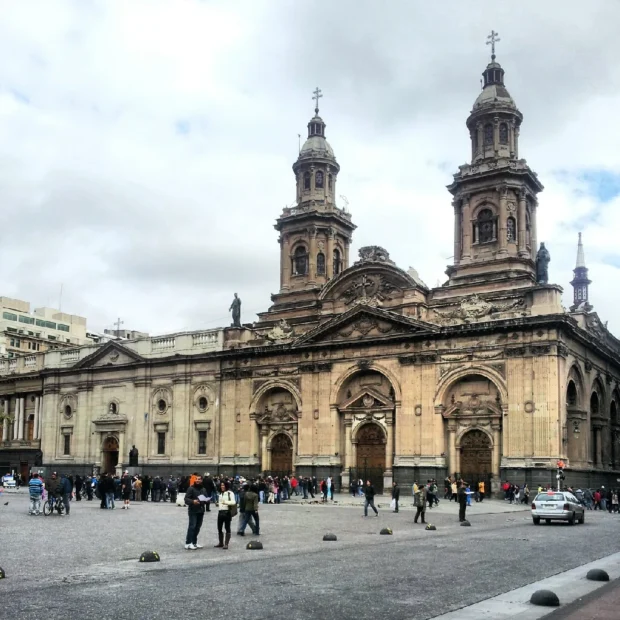
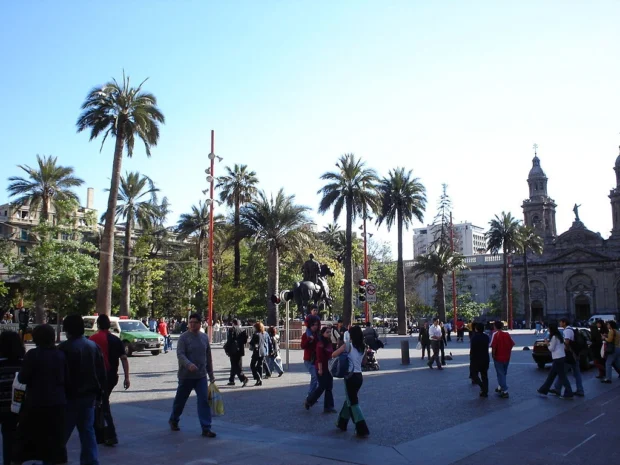
Beside the square, you’ll find the Barrio Lastarria, one of Santiago’s cultural hot zones. Imagine a place where book fairs crowd the pavement and jazz leaks from candlelit bars. Here, old mansions hide vegan bakeries and creative co-ops behind iron gates. On Saturdays, artists hang paintings across the park’s railings to sell. Stop for a quick mote con huesillo the sweet, syrupy apricot drink with soft wheat, which at first sip might seem strange but trust me, it grows on you fast.

Somewhere between Lastarria and the Plaza, I stumbled into a festival where cueca, Chile’s folkloric national dance, broke out. Couples circled, waving white handkerchiefs on a tiny stage, singing out the steps. The crowd clapped in time while local seniors looked on, nodding with approval. It’s one of those moments when a city’s heritage feels beautifully alive.
Climbing Hills and Chasing Views: Cerro San Cristóbal and Santa Lucía
You can’t say you’ve seen Santiago if you haven’t wandered up Cerro San Cristóbal. Rising above the city’s north side, this towering hill is more than a lookout it’s a local legend. Even dogs, I swear, manage to climb it in pairs. There’s a park at the base entrance is free, but I recommend the funicular if your legs are more for dancing than hiking. The rickety wooden train carries you through eucalyptus forests and up, up, up.
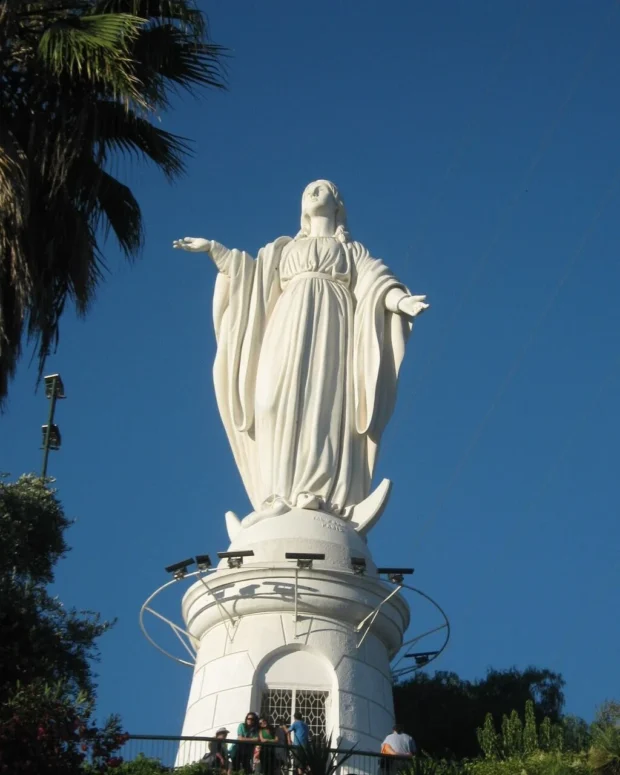
At the summit, there’s the famous marble Virgin Mary statue, arms open wide above the city. On clear days, you can see all the way to the Andes. I met a local who swears he once saw the Pacific from here—“on a day so crisp,” he said, “the city blinked like a diamond.” Sip a mote con huesillo from a hilltop stand, watch kids run wild, and feel that cool mountain breeze. If you plan ahead, you can check schedules and events or more at the official Parque Metropolitano de Santiago.
On the other hand, Santa Lucía Hill is smaller, but it sits right downtown like a patch of green magic. It was once a rocky volcano, now a garden maze of terraces and fountains. Early mornings I’d watch city workers rush up its stone steps to breathe before office hours. Legend says this hill’s old stone is haunted by dogs, poets, and the spirit of Mapuche warriors. Honestly, I mostly met joggers and tourists snapping cityscapes, but if you close your eyes, you can almost hear the past echoing off the fountains. My advice: sit on a bench, eat a flaky sopaipilla from a nearby vendor, and watch the modern city whir by below.

Political Heartbeat: La Moneda Palace and Faces of the Past
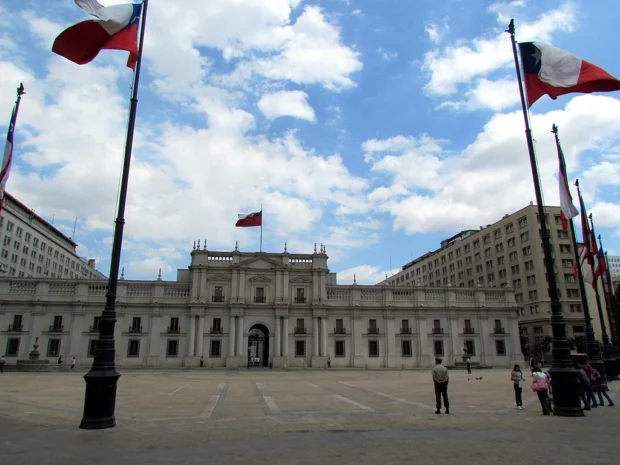
In the cold, crisp mornings, workers shuffle past the La Moneda Palace, the grand white building that houses Chile’s president. Its plain, strong lines tell a story older than most nearby glass towers. I strolled here with a local guide who shared stories of revolution, resistance, and the morning in 1973 when the palace was shelled during a coup d’etat. Today, children chase pigeons here as soldiers in bright dress uniforms watch sternly. Sometimes, if you arrive early enough, you can see the daily cambio de guardia, the ceremonial changing of the guards, with trumpets and foot-stomping that shakes the ground.
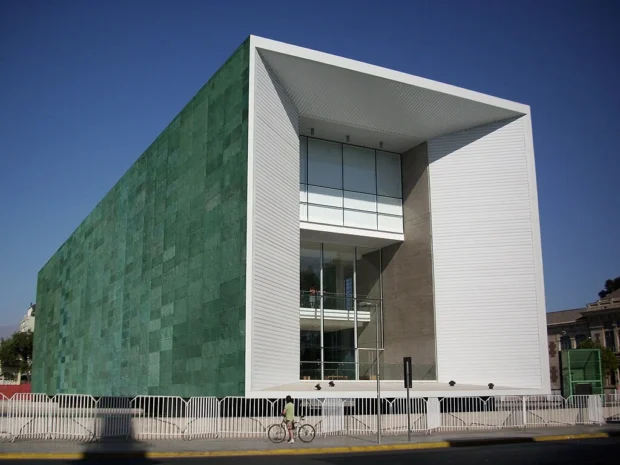
Just a short metro ride away stands the Museum of Memory and Human Rights. It’s not an easy place this museum is dedicated to remembering those who suffered during Chile’s dictatorship. Inside, I walked through silent, bright rooms with walls of black-and-white photographs and stories in quiet, plain words. School groups came and went. One young woman stood in front of a letter from her grandfather, eyes wet. This isn’t a fun, sunny sight, but it’s important. The courage here, and the calm hope, is real. Respect is key take your time and listen.
Bellavista to Parque Forestal: Where Art, Music, and Nightlife Beat Loud
If you enjoy life after dark, Bellavista is Santiago’s heartbeat. This neighborhood, nestled just under San Cristóbal hill, comes alive as soon as the sun dips behind red rooftops. Streets are dressed with wild murals street art that stretches over entire buildings in swirls of color. One night I ended up at a backyard cumbia party with students, street artists, and retirees, all dancing shoulder-to-shoulder under paper lanterns. Locals will proudly show visitors “Pio Nono,” the buzzing avenue lined with bars, late-night cuchufli sellers (offering crunchy caramel treats), and artisans with handcrafted jewelry spread on blankets.
If you enjoy Santiago’s lively streets, you might appreciate the charming atmosphere of Cambridge’s quaint markets and historic lanes for a contrasting but equally inviting experience.
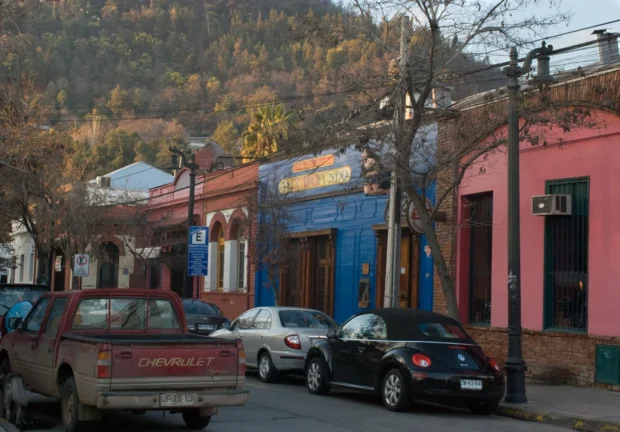
For the curious, daytime in Bellavista offers more than drinking. Drop into galleries, peek behind iron gates for small theater performances, or smell smoky anticuchos (meat skewers) grilling on street corners. Don’t miss the quirky houses where dogs bark and grandmothers gossip from open windows. And if you love mural history, some will tell you about the “rainbow stairs” painted during a past festival, each step holding a secret wish from a city child.
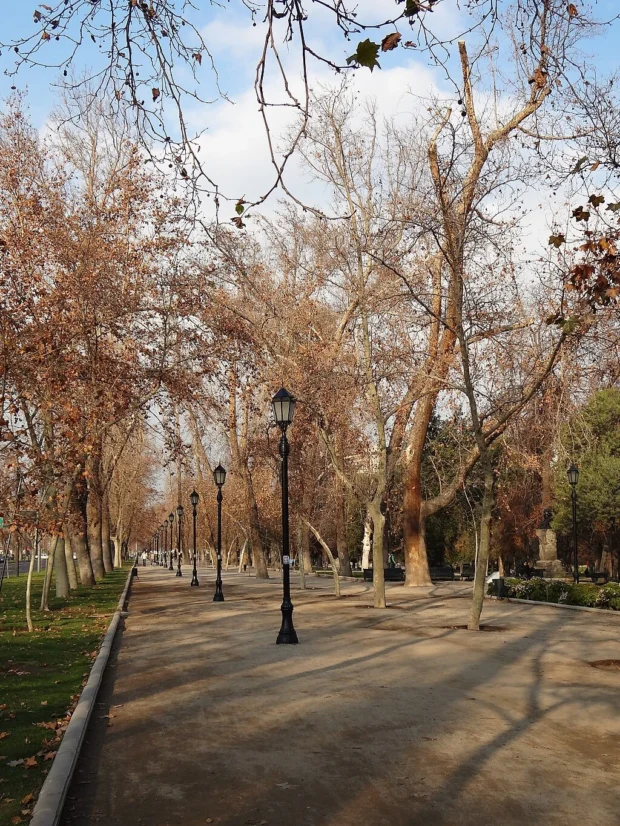
If you want a slower pace or green relief nearby, wander through Parque Forestal. This park is a long stripe of leafy shade running parallel to the Mapocho River. On Sundays, it fills with picnic families, buskers blowing jazz, and teens skating on painted ramps. Couples nap under willow trees. Near the park, the Chilean National Museum of Fine Arts rises like a European palace, with iron and glass ceilings and a collection stretching from colonial portraits to modern abstraction. Admission is often free, and while some visitors sprint through, I like to linger in the grand central hall, staring up at light falling over the marble statues.
Street Scenes, Urban Legends, and Everyday Santiago
Santiago’s stories don’t always sit in museums or plazas they’re in its tangled neighborhoods and old shops too. One Sunday, I wandered into the Mercado Central, where fishmongers shouted “reineta, reineta” (a local fish), competing for customers by tapping slippery scales and smiling wide. The scent briny and sweet stuck to my jacket for hours. Fresh ceviche here is unforgettable, cut with lime and cilantro, best eaten standing up at sunrise with clatter all around.
Another day took me to La Vega Central, the city’s sprawling produce market. Baskets overflow with cherimoya, purple potatoes, and long, wrinkled red peppers. An old man showed me how to pick perfect avocados: “It must yield only to your grandmother’s thumb,” he insisted with a wink. People come not just for produce, but for conversation and the sense that something exciting is always being chopped, fried, or squeezed just out of view.
Santiago has a habit of placing the past right beside the present. Some say the ghost of poet Pablo Neruda walks among his books in his old Bellavista house, La Chascona, muttering new verses. Or that the hills around Plaza de Armas echo with footsteps of lost conquistadors looking for gold. Ask around, and someone will share a favorite local myth perhaps about the marble dog that guards the old post office, bringing luck to those who rub its nose on a Tuesday.
Where to Stay in Santiago’s Spirited Districts
For those searching for a good night’s sleep (or at least a place to lay your head after too many pisco sours), Santiago’s neighborhoods offer plenty of options. In Lastarria or Bellavista, guesthouses and city apartments put you close to nightlife, with music and food never more than a quick walk away. Centro, the city’s downtown, is perfect for those who want old architecture, bustling morning tempo, and proximity to most main sights. Barrio Brasil provides quieter streets and an artsy feel, loved by students and bohemian types alike, while Providencia, a leafy central district, balances ease with calm, and is a favorite for longer stays.
Food and Flavors: Santiago’s Specialties
You can’t wander Santiago without your stomach leading the way. In the narrow alleys around Bellavista and Lastarria, grab a completo a Chilean hot dog stacked with avocado, tomato, and mayo, so messy you’ll need both hands and lots of napkins. Stop in a parrilla for asado, the Chilean barbecue of beef, sausage, and chicken, always served with pebre, a sharp cilantro salsa. For a sweet fix, try manjar (think caramel-like dulce de leche) spooned into pastries all over Barrio Brasil.
Have a peek at local bakeries: you’ll often find pan amasado (rich, chewy bread) and inventive empanadas filled not just with beef and onions but also mushrooms, cheese, or seafood. Food is social here. Evenings stretch over slow meals, shared bottles of carmenere wine, and plenty of debate. If you’re brave, sample a terremoto (the “earthquake”), a shockingly sweet and boozy pineapple cocktail that, locals warn, may send your legs shaking after just one glass.
Getting Around and Practical City Wisdom
Santiago is blessed with a well-organized metro system. It’s fast, clean, and color-coded. If you arrive by plane, hop on the airport Centropuerto bus for a quick and affordable ride to the city center’s Los Héroes metro station don’t bother with taxis. From there, metro lines reach almost every district mentioned here. Buses are plentiful but may confuse first-timers, so start with the metro and branch out as your confidence grows. Walking is safe in busy areas, although always watch your bags, especially in crowded streets or markets.
One quirky fact: buses and the metro run on the Bip! card (no single tickets, so grab a card at any major metro station). In rush hour, locals might squeeze into impossibly full trains without ever looking flustered. Don’t be afraid to ask for help even if your Spanish stumbles, Chileans often love a friendly chat or two.
Customs, Courtesy, and Woven Threads of Culture
Chileans value politeness, but hugs and kisses on the cheek are common even among new friends. It’s considered rude to talk politics loudly in public, but inside homes, passionate debates are a point of pride. When sharing food and drink, always wish “Buen provecho!” before eating. Never pour wine with your left hand the old superstition still survives in many homes. And though street art is celebrated, don’t tag your name without local invitation murals here are protected by strong neighborhood spirit.
Music weaves through almost every Santiago street, from Andean folk tunes played on panpipes to the furious rhythm of reggaeton in city bars. Listen for cueca on national holidays it’s both a dance and a story, performed anywhere from markets to subway platforms. On warm spring nights, many gather in public squares for impromptu theater, poetry readings, or just to enjoy creaky old radios blaring romantic ballads.
Santiago’s Everyday Magic: Why I Return
Cheerful, stubborn, always shifting Santiago is a city that rewards those who linger. Its best secrets aren’t always marked on maps but given away by a shopkeeper’s laugh, a painted wall whispering old dreams, or a park bench facing the dazzling Andes. If you come, take your time. Watch the faces around you; listen for the clang of metro doors closing, the shout of vendors at La Vega, the giggle of children chasing pigeons in Plaza de Armas.
For a contrast to Santiago’s vibrant streets, the peaceful rhythms and iconic sites of Parisian life offer a charming complement worth your time.
Each visit carves a new path through murals and museums, markets and music, inviting you to look twice, listen closely, and always always come back for one more story. Santiago’s offbeat corners, to me, are as dazzling as its grandest sights.
For a change of scene that still honors lively plazas and historic architecture, check out the charming Grand Place in Brussels, known for its stunning guildhalls and rich history.

Urban traveler into music, street culture, and city neighborhoods with personal storytelling.
- Santiago en invierno by victor san martin on Wikimedia Commons – cc by-sa 2.0
- Catedral Metropolitana de Santiago 2012-09-01 10-05-15 by elsamuel on Wikimedia Commons – cc by-sa 3.0
- Plaza de Armas, vista hacia el sur poniente by Frguerre on Wikimedia Commons – cc by-sa 3.0
- Barrio Lastarria 2025 7 by Tommy Boy on Wikimedia Commons – cc by-sa 4.0
- Cerro San Cristóbal – Santuario – 05 by José Joaquín Cortes on Wikimedia Commons – cc by-sa 4.0
- Cerro Santa Lucia – May 10, 2022 by Francisco Anzola on Wikimedia Commons – cc by 2.0
- La Moneda – Presidential Palace – Santiago, Chile (5277420609) by David Berkowitz from New York, NY, USA on Wikimedia Commons – cc by 2.0
- Museo de la Memoria y los Derechos Humanos by Jorge Barrios on Wikimedia Commons – cc by-sa 3.0
- Bellavista – Neuschul by Carol Neuschul on Wikimedia Commons – cc by-sa 2.0
- Parque Florestal – Santiago , Chile (14669485170) by Cesar I. Martins from Jundiai, Brazil on Wikimedia Commons – cc by 2.0


.jpg)


.jpg)