
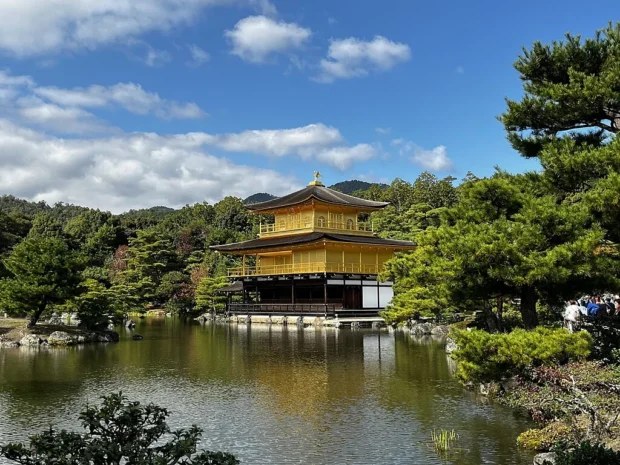
In the heart of Kyoto, Japan, lies a dazzling sight that has inspired poets, painters, and visitors for centuries Kinkaku-ji. This iconic golden pavilion, framed by serene gardens and a shimmering pond, is not just a temple but a living symbol of Kyoto’s rich cultural heritage and craftsmanship. If you are dreaming of stepping into a place where history, nature, and art blend seamlessly, Kinkaku-ji offers such an experience, perfect for those who cherish moments of quiet reflection amid vibrant colors. This travel piece will guide you in finding your way to Kinkaku-ji, understanding its deep story, and savoring nearby delights, wrapped in the gentle rhythms of Kyoto life.
Table of Contents

Tracing the Golden Path: How to Reach Kinkaku-ji
Getting to Kinkaku-ji is as much a part of the journey as the temple itself. From Kyoto’s bustling city center, you can take buses which are the most straightforward option. Kyoto city buses number 101 and 205 run frequently from Kyoto Station heading directly to Kinkaku-ji-michi bus stop, right near the entrance. The journey takes about 40 minutes, offering glimpses of urban streets giving way to greener, quieter neighborhoods.
If you arrive via Kansai International Airport, a convenient way is to catch the JR Haruka Express train to Kyoto Station, then switch to one of the local buses or taxis. Taxi rides, while pricier, provide a faster, more personalized route, especially if you prefer to avoid crowded buses during peak hours.
Once you arrive, the temple is well signposted, and the walk around the grounds reveals a stunning integration of architecture and natural elements that changes subtly with every step.
Seasonal Glimmers and Quiet Mornings: Best Time for Your Visit
Kinkaku-ji shines brightly throughout the year, but visiting in the early morning or late afternoon during weekdays offers a particularly peaceful experience. The temple is open from 9 am to 5 pm, which allows a full day of discovery if you combine it with nearby attractions.
Spring brings cherry blossoms that frame the golden pavilion in soft pinks, while autumn drapes the gardens in fiery reds and oranges. Winter mornings, with the possibility of a light dusting of snow, transform the temple into a scene from a traditional Japanese painting, where gold contrasts sharply with white brilliance.
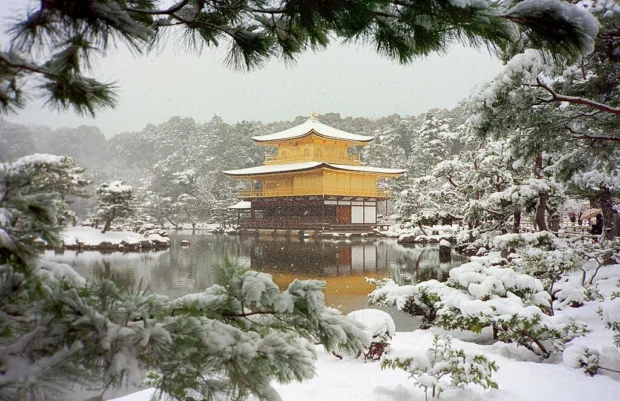
- Weekday mornings: fewer crowds and soft natural lighting perfect for photography.
- Spring and autumn: enjoy the temple surrounded by seasonal blooms and foliage.
- Winter’s quiet snowfall: an ethereal atmosphere for contemplation and solitude.
The Story Behind the Gold: History and Meaning of Kinkaku-ji
Kinkaku-ji, officially named Rokuon-ji, dates back to the late 14th century and was originally a retirement villa for the shogun Ashikaga Yoshimitsu. Upon his death, it was converted into a Zen Buddhist temple according to his wishes. The temple’s exterior is famously covered in gold leaf, symbolizing the pure land of Buddha and reflecting the sunlight to brighten the surrounding pond and gardens.
It has survived fires and restorations, each changing hands but preserving the architectural style influenced by Muromachi period aesthetics that emphasize harmony between structure and nature. An interesting lore surrounds a fire in 1950 caused by a young monk, yet the pavilion was rebuilt exactly as before, respecting every stroke of its golden splendour.
Symbolic Elements to Notice
When you stroll around the pond, observe how the pavilion’s reflection blends with the water’s gentle ripples this visual harmony exemplifies Zen principles and the Japanese art of garden design. The phoenix on the roof, crafted in gold leaf, is another significant detail, believed to protect the temple and bring good fortune.
Preparing Your Visit: Tickets, Tours, and Quiet Planning
Entry to Kinkaku-ji requires a modest fee, payable on site. As of this writing, tickets cost 400 yen for adults, which supports the upkeep of the temple and gardens. No advance booking is generally necessary as walk-ins are welcome the site is well managed to accommodate a steady flow of visitors. Guided tours are available from numerous Kyoto tour operators, often combining Kinkaku-ji with other spiritual sites like Ryoan-ji or the Kyoto Imperial Palace.
If you prefer a more intimate and educational visit, hiring a local guide can enrich understanding, especially regarding Zen concepts and garden symbolism. Early booking of such guides is recommended during peak tourist seasons to ensure availability.
Nearby Stays and Culinary Finds: Rest and Flavor in Kyoto
Close to Kinkaku-ji, several traditional inns and guesthouses offer comfortable rooms with a touch of Kyoto elegance, ideal for resting after a day of sightseeing. These accommodations often feature tatami flooring and futon bedding, inviting guests to immerse in Japanese ambiance fully.
Dining options range from elegant kaiseki (multi-course meals) celebrating local and seasonal ingredients to cozy street food stalls offering yakitori and matcha sweets. A recommended experience is tasting freshly made yuba (tofu skin), a specialty linked to Kyoto’s culinary tradition, served in nearby restaurants.
Quiet Corners and Hidden Paths Near Kinkaku-ji
While many visitors focus on the golden sight itself, wandering the adjacent walking trails reveals less crowded spots filled with seasonal flowers and small shrines, where local worshippers pause in respectful prayer. These quieter corners offer a chance to connect with the spiritual rhythms of the place without distraction.
Consider taking a few moments by the small Koi ponds or the bamboo groves that add peaceful, whispering sounds a soft contrast to the bustling temple entrance.

Practical Tips for a Smooth Visit
- Wear comfortable shoes suitable for garden paths that may be uneven or slippery when wet.
- Bring a camera or sketchbook; the pavilion and garden vistas make inspiring subjects.
- Stay hydrated and prepare for changing weather, especially if visiting in summer or winter.
- Respect local customs, including quiet voices within temple grounds and no drone photography.
For official information and any updates about visiting Kinkaku-ji, you can consult the temple’s homepage (opens in new window).
Enjoy your quiet moments in Kyoto, where the gleaming Kinkaku-ji stands as a timeless treasure amidst the changing seasons and daily lives.
If you appreciate the historic beauty in Kyoto, a visit to Osaka Castle reveals another iconic landmark with rich stories and seasonal charm nearby.
A Chinese tour guide with deep knowledge of the Far East, its traditions, and culinary secrets.
- Kinkaku-ji, Kyoto by 27curlyta on Wikimedia Commons – cc0
- Kyoto, Kinkaku-ji, Golden Temple (6172337393) by Arian Zwegers from Brussels, Belgium on Wikimedia Commons – cc by 2.0
- Kinkakuji174a by Gisling on Wikimedia Commons – cc by 3.0

.jpg)
