

The Bay of Kotor in Montenegro is a breathtaking natural harbor with a rich blend of history, culture, and stunning landscapes. Nestled between rugged mountains and shimmering blue waters, this area offers a mix of medieval charm and coastal allure. If you seek a place where ancient walls meet quiet fishing villages and diverse traditions flow through the streets, Kotor and its bay provide exactly that. Whether you arrive by land or sea, the Bay of Kotor invites you to slow down, listen to old stories whispered by stone fortresses, and savor fresh seafood by the waterfront.
Table of Contents
If you enjoy learning about the Bay of Kotor’s grand nature and history, this post on Kotor Old Town’s coastal secrets offers a deep dive into the city’s charming streets and hidden treasures.
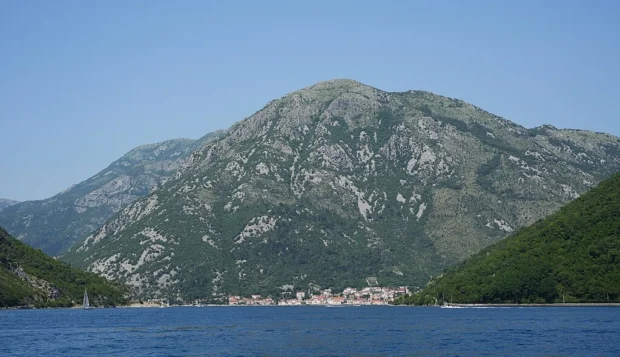
Mapping the Way: Access and Arrival to Kotor Bay
Getting to Kotor is an adventure in itself. The bay is located in southwestern Montenegro, roughly 90 kilometers south of the capital, Podgorica, and about 80 kilometers from the coastal city of Dubrovnik, Croatia. If you’re flying in, the nearest major airport is Tivat Airport, just 8 kilometers from Kotor, offering connections mostly from European cities.
From Tivat, local buses and taxis can take you into Kotor’s Old Town in about 15 minutes. Alternatively, Podgorica Airport is approximately a two-hour drive, where you can rent a car or book a shuttle transfer. For those traveling from Dubrovnik, the coastal roads meander along stunning cliffs and offer several border crossings into Montenegro. Buses run regularly on this route, but be prepared for longer travel times during peak seasons.
Once in Kotor, walking is the best way to explore the Old Town and the harbor area. If you want to visit nearby villages or climb the famous city walls, consider renting a bicycle or booking local tours that include transportation. The bay also welcomes yachts and cruise ships, providing a picturesque arrival that few landlocked places can match.
Living History: The Bay’s Timeless Importance
Kotor’s history is carved deeply into the limestone cliffs and ancient stones that guard the town. The bay has been a vital point for maritime trade since Roman times. Later, it became a crucial fortress city under Venetian rule, which lasted from the 15th to the 18th century. The Venetian influence is unmistakable in the architecture narrow streets, stone houses with red tile roofs, and the fortress walls climbing steeply above the town.
Legend has it that the bay’s deep, fjord-like shape was formed by a dragon’s tail curling into the sea, giving the area its mysterious and captivating character. During the Middle Ages, Kotor was a hub for merchants and sailors who brought goods and stories from across the Mediterranean.
Today, the Old Town is a UNESCO World Heritage Site. Its fortifications, such as the San Giovanni Fortress, showcase centuries of strategic importance. Climbing to the fortress gives a rare perspective on how geography and human endeavor come together. The bay has also nurtured a unique blend of Orthodox, Catholic, and Ottoman cultural influences, reflected in the town’s churches, mosques, and customs.

When to Go: Timing Your Visit to the Bay
The best time to visit the Bay of Kotor largely depends on what you seek. For warm weather and lively streets, late spring to early autumn (May through September) is ideal. July and August bring the most tourists, so expect bustling markets and full restaurants. If you prefer a quieter experience, May, June, or September allow you to enjoy pleasant weather without large crowds.
After enjoying Kotor’s stunning bay, wander through Dubrovnik’s Old Town to see another Adriatic gem rich with history and coastal charm.
Weekdays tend to be calmer than weekends, especially in the Old Town, where local markets and cafes fill with visitors. Early mornings offer peaceful walks along the harbor, perfect for catching the soft light on the bay’s calm waters. If you’re interested in local festivals, check the calendar for events around August, when Kotor hosts music and folk celebrations that reveal the region’s living traditions.

Seasonal Weather Notes
Winters in Kotor are mild but can be rainy, with fewer tourists and many shops closing for the season. This off-season offers a different charm foggy mornings, quiet streets, and a chance to connect more deeply with local life. Spring brings blooming flowers and fresh seafood specials, while autumn showcases colorful foliage on the hillsides surrounding the bay.
Booking Insights: Tours, Reservations, and Important Access
While wandering the Old Town is free, some attractions require entrance fees or reservations. For instance, the climb up to San Giovanni Fortress charges a small ticket, but the panoramic views are worth every euro. Booking in advance during high season is recommended to avoid long waits.
Guided walking tours enrich your visit by revealing hidden corners and stories not found in guidebooks. Many local companies offer tours focusing on history, architecture, or culinary delights. If you want to visit nearby villages like Perast, boat tours around the bay are popular and often require reservations to guarantee a spot.

For travelers arriving by cruise ship, the port is within walking distance to the Old Town, but note that large groups can flood the streets mid-morning. Planning early or late visits helps avoid the busiest times. Also, some boat tours and special dinners in traditional coastal restaurants require advance booking, especially during summer.
Essential Tips for Booking and Entry
- Reserve fortress climb tickets online or at visitor centers.
- Join small group tours for a personalized experience.
- Book boat excursions at least a day ahead in peak months.
- Check opening hours of museums and churches, as they vary seasonally.
- Consider purchasing a local guidebook or app for self-guided exploration.
Where to Rest and Dine Along the Bay
Accommodation options near Kotor range from charming guesthouses and apartments to seaside inns. Many visitors prefer staying just outside the Old Town for quieter nights while remaining a short walk from the main attractions. The nearby villages offer peaceful stays amid olive groves and vineyards.
When hunger strikes, the bay’s culinary heritage shines with fresh seafood dishes such as grilled calamari, sardine specialties, and black risotto made with squid ink. Local markets and family-run konobas (traditional taverns) serve up hearty meals accompanied by wines from Montenegro’s coastal vineyards. Don’t miss tasting cicvara, a creamy cornmeal dish, or pršut, dry-cured ham typical of the region.
Many eateries overlook the bay, offering stunning views that make every meal memorable. Arriving just before sunset guarantees a serene atmosphere and perfect light for photos. For a sweet finish, try local honey or fig-based delicacies available in artisan shops lining the old streets.
Hidden Stories and Quirky Corners Worth Noticing
While most visitors admire the large churches and fortress walls, smaller details often tell the richest stories. For example, the town’s maze of narrow alleys shelters centuries-old wells where residents once gathered water. Notice the inscriptions above doorways many date back to Venetian times and include family crests or dates carved in stone.
One curious tradition still alive in Kotor is the “boka night,” when fishermen celebrate the end of the season with music, dancing, and lantern-lit boats floating on the bay. If you happen to visit during this time, join in the festive spirit it’s a glimpse into the heart of local life.
Discovering the historic charm of Corfu with its blend of Greek and Venetian culture enriches your journey beyond Kotor’s walls through a captivating island setting. Corfu Sights offers a glimpse of vibrant streets and timeless traditions not to miss.
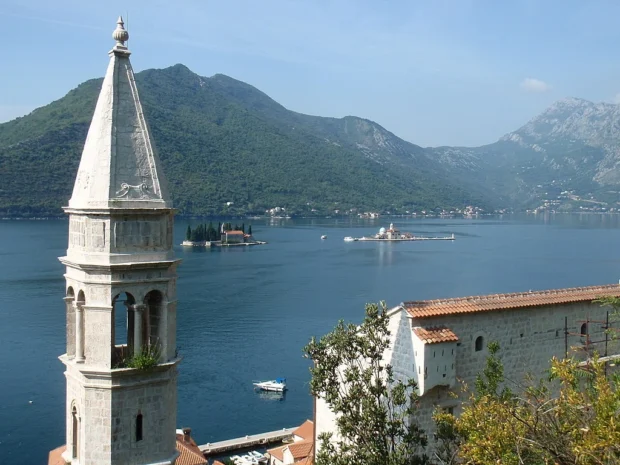
Artisans crafting lace, woodwork, and ceramics keep the region’s folk traditions alive in small workshops hidden behind the main squares. Visiting these studios adds depth and texture to your journey, revealing how past and present coexist in Kotor’s daily rhythms.
Official Information and Helpful Resources
For updated details on tours, events, and visitor services, the best source is the official local tourism site. It offers practical advice, seasonal tips, and contact information for guides and accommodation.
You can plan your trip thoroughly through the Kotor Tourism Official Website. Although some pages may lean on local language usage, the site is user-friendly and includes visual guides and maps that help navigate the area.
Eastern Europe travel specialist uncovering hidden gems from the Baltics to the Balkans.
- Iglesia de Nuestra Señora de los Remedios, Kotor, Bahía de Kotor, Montenegro, 2014-04-19, DD 29 by Diego Delso on Wikimedia Commons – cc by-sa 3.0
- Bay of Kotor – Kamenari by Ingo Mehling on Wikimedia Commons – cc by-sa 4.0
- 20090719 Crkva Gospa od Zdravlja Kotor Bay Montenegro by User:Ggia on Wikimedia Commons – cc by-sa 3.0
- Kotor – koty są wszędzie – panoramio by krysi@ on Wikimedia Commons – cc by 3.0
- Church of Our Lady of the Rocks, Perast (49631172447) by Jocelyn Erskine-Kellie from London, UK on Wikimedia Commons – cc by-sa 2.0
- Perast – panoramio (3) by Raki_Man on Wikimedia Commons – cc by 3.0


.jpg)
.jpg)