
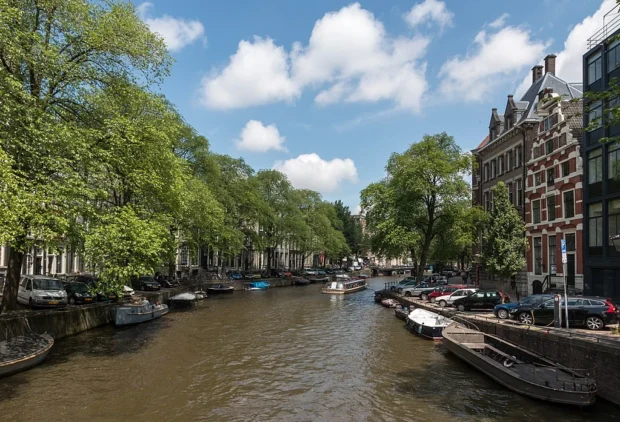
Amsterdam, a city shaped by water and history, offers an inviting scene to those who wander in search of inspiration and comfort. The city’s name often calls to mind colorful canals, bicycles gliding past elegant townhouses, and a certain relaxed rhythm gently humming through cobbled lanes. For me, arriving in Amsterdam felt much like stepping into an old painting vivid, layered, yet full of surprises. With its picturesque Canal Ring, celebrated museums, and renowned public squares, the city offers a tapestry of experiences for curious minds and hungry hearts. As I explored, I found the most stirring discoveries happened between the well-trod landmarks, in small cafés, or beside the blooms floating on the water at Bloemenmarkt.
Table of Contents
Arrival and First Impressions in the Heart of Amsterdam
After my arrival at Amsterdam Centraal Station, I found myself drawn immediately to the city’s iconic canals, the Grachtengordel. The canals over 100 kilometers in total wind gracefully through the city, reflecting centuries-old gabled houses and arching bridges. Walking along the water, I sensed a deep calm, despite the lively energy around me. Boats glided by, carrying both tourists and locals who waved with friendly smiles. A local, hearing my accent, greeted me with “Welkom!” (welcome) the first of many brief but cheerful exchanges that made me feel at home.
The city is remarkably easy to navigate. A reliable and frequent tram system connects the center with outlying districts, and from the airport, the direct train delivers you to Centraal Station in less than twenty minutes. I relied on my feet and public transport for most of my visit, savoring the freedom to pause beneath chestnut trees or sample stroopwafels from street vendors in the Jordaan District.
Rijksmuseum: The Home of Dutch Masters
My journey into Amsterdam’s artistic soul began at the Rijksmuseum. Easily reached by tram from the city center, the museum is an imposing structure, its neo-Gothic brickwork rising above Museumplein. The moment I entered, I felt dwarfed by the grandeur high vaulted ceilings, abundant light, and an air of quiet reverence.
Learn more about Dutch art and history by visiting the detailed Rijksmuseum in Amsterdam, a highlight near many city attractions.

Inside, I drifted through galleries that tell the story of the Dutch Golden Age. I lingered before Rembrandt’s “The Night Watch,” awed by the drama and play of light. Each room revealed new details: delicate Delftware, intricate ship models, and portraits that seemed to meet my gaze. The museum’s gardens, trimmed and peaceful, offered a thoughtful pause before the swirl of the city resumed.
Anne Frank House: A Place of Reflection
A walk along the Prinsengracht canal led me to the Anne Frank House. Though quiet from the outside, this museum holds the echoes of a remarkable, tragic story. Inside, the restored rooms and narrow staircases bear witness to the resilience of Anne Frank and her family, who hid here during the darkest days of World War II. I found it difficult, yet important, to move through the secret annex. The diary pages on display brought Anne’s words closer, and I left with a deeper sense of Amsterdam’s history and the importance of memory.
For a deeper connection to Amsterdam’s history, the Anne Frank House offers a touching glimpse into the city’s resilience and courage.

Booking tickets online in advance is essential, as the space is small and demand is high. I spoke with a staff member at the entrance who thanked me in Dutch: “Dank je wel.” That genuine touch lingered with me as I headed back into the sunlight.
Discovering Van Gogh’s Brushstrokes in Museumplein
The Van Gogh Museum is a bold, modern building beside the sweeping lawns of Museumplein, not far from the Rijksmuseum. The striking structure felt inviting, almost intimate, with spaces designed for close encounters with art. I found myself face to face with Van Gogh’s “Sunflowers,” struck by the texture and color that photos never quite capture.

Each gallery tells the story of Vincent’s life turbulent, passionate, and full of longing. Sketches, letters, and lesser-known works reveal the artist’s constant search for meaning and beauty. The museum, with its curated lighting and gentle flow between rooms, inspired a quiet awe, and the gift shop offered prints that would later remind me of these luminous moments. For more information about visiting hours and exhibitions, I found the official Van Gogh Museum website helpful and clear.
From Dam Square to the Royal Palace: City’s Beating Heart
At the core of Amsterdam sits Dam Square, a dynamic meeting point where locals and visitors alike gather. The square’s history is centuries deep once the site of the city’s original dam and later a marketplace, it remains full of life. Street performers, flower sellers, and travelers cluster around the National Monument, while the stately Royal Palace of Amsterdam stands nearby, its façade an impressive example of Dutch classicism.
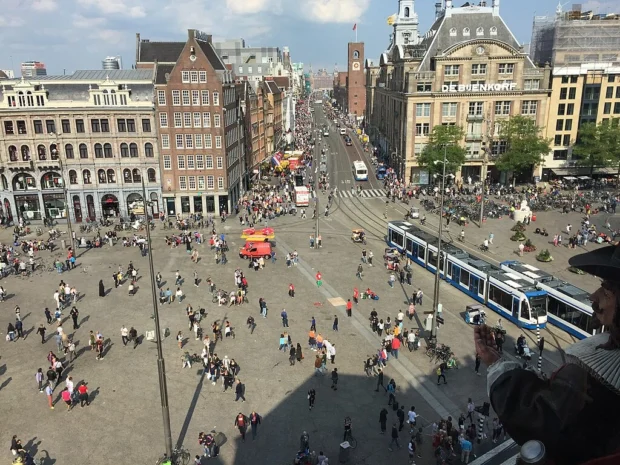
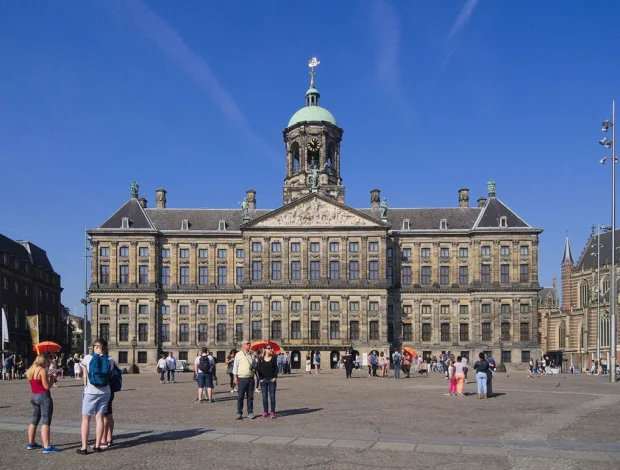
As I watched bicycles weaving through the crowd, I was struck by the delicate balance of old and new. Horse-drawn carriages share space with modern trams, and the buildings seem to whisper stories from the city’s trading past. It is easy to lose track of time here, drawn in by the rhythm of the square and the people who fill it.
Strolling Through Jordaan and the Canal Belt
Drawn away from the central squares, I ventured into the Jordaan District a patchwork of narrow streets, leafy canals, and independent boutiques. The area, once home to artisans and immigrants, breathes creativity and warmth. I stopped at a small café with polished wooden tables, where the barista greeted me with “Hoe gaat het?” (How are you?). The coffee, rich and balanced, came with a small almond biscuit, and I watched as locals discussed neighborhood news in soft Dutch tones.
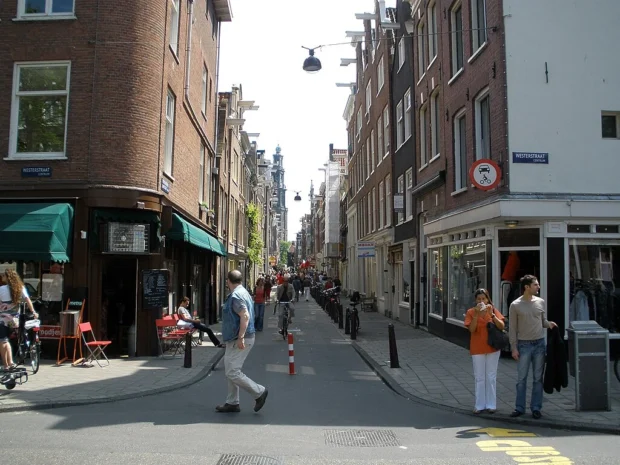
Jordaan’s streets brim with unique shops, art galleries, and atmospheric markets. At the Noordermarkt, I sampled boerenkaas a traditional Dutch farmhouse cheese whose creamy depth reminded me that culinary heritage is as much a part of Amsterdam as its art. I recommend wandering without a map; in this district, serendipity rewards the curious.
Canal Ring Scenes and a Floating Flower Market
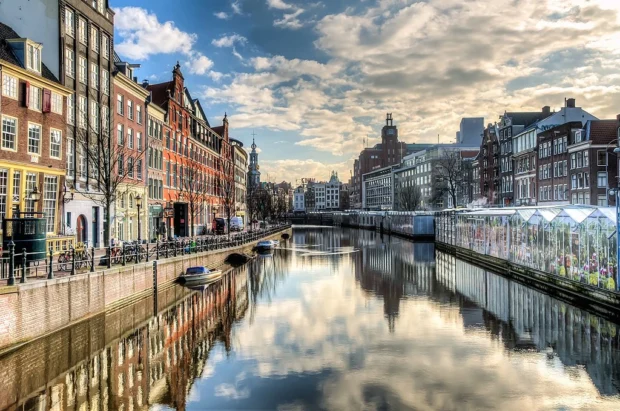
Nowhere does Amsterdam’s character shine more brightly than along its canals. The entire Canal Ring is a UNESCO World Heritage site, and for good reason. I strolled across the Blauwbrug and paused on a quiet bridge in the golden hour light, watching as houseboats bobbed gently on the water. The scene was tranquil, yet utterly alive with detail.
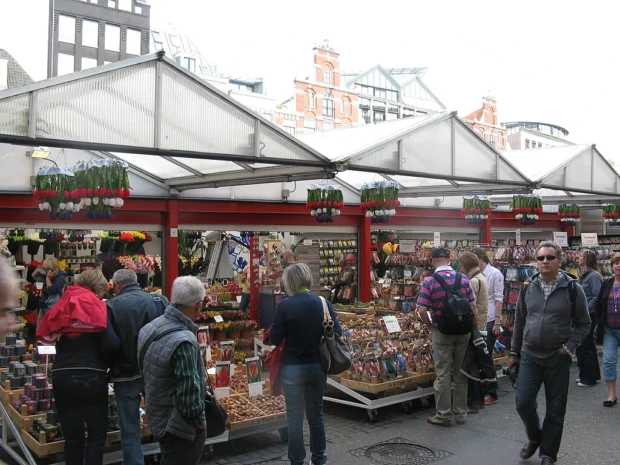
A short walk brought me to the Bloemenmarkt, the world’s only floating flower market. Here, stalls burst with colors tulips, daffodils, and orchids, all arranged in tidy rows atop barges. I chatted with a vendor who taught me “Tot ziens!” (goodbye), wishing me pleasant journeys. The scent of fresh blooms filled the air, and I bought small bulbs to carry home a fragrant memory of the city’s love affair with flowers.
Cultural Sites and Modern Curiosities
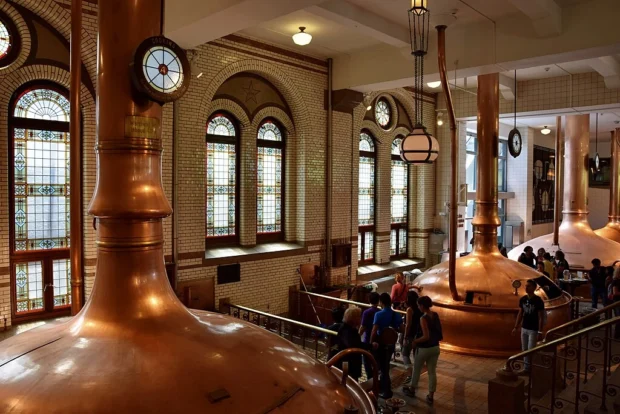
Amsterdam is a city of contrasts, where history and innovation intertwine. The Heineken Experience offers an interactive look at the brewing traditions of the Netherlands. Inside the historic brewery, I learned not just about beer, but also about the city’s spirit of invention. Tasting a fresh pour among fellow visitors, conversation easily flowed Dutch people are open and ready to help, especially if you try a few words in their language.
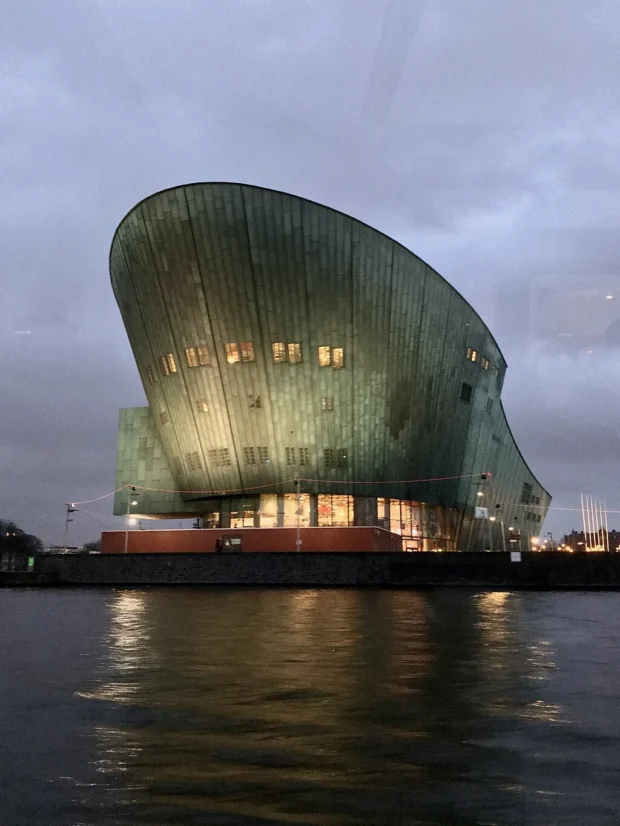
A short tram ride led me to the NEMO Science Museum

The Amsterdam Museum, housed in a former orphanage, tells the rich story of the city’s growth from a small fishing village to a thriving capital. Each exhibit feels inviting, interactive, and thoughtfully designed. On a quieter note, the Begijnhof one of Amsterdam’s oldest inner courtyards offers a peaceful refuge. Surrounded by centuries-old houses and a hidden chapel, it is a place for quiet reflection. I overheard a group of friends speaking in Dutch about the peacefulness, repeating the phrase “Gezellig” a word that means cozy, friendly, and comfortable, but more than that, it describes the special feeling you find in Amsterdam’s corners.
Where to Stay for Comfort and Local Flavor
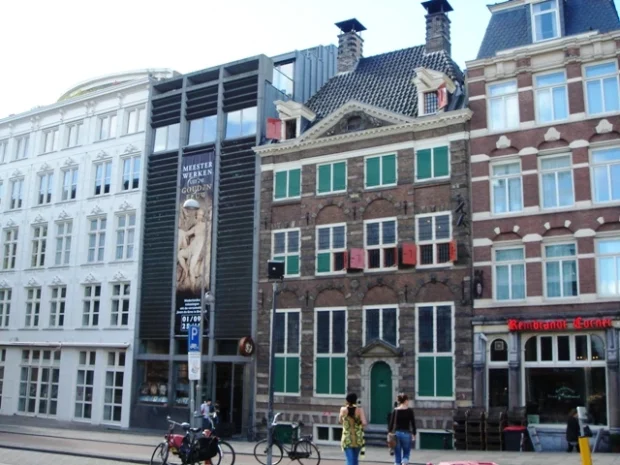
Selecting accommodation in Amsterdam depends on your interests and travel rhythm. For those who wish to be near the major museums and open green spaces, the Museumplein area provides stylish, quiet lodgings within walking distance of the city’s art treasures. If your heart leans toward lively nightlife and a bohemian spirit, the De Pijp district offers vibrant streets and easy access to the Albert Cuyp Market, famous for its street food and multicultural energy
Families and culture seekers may appreciate staying on the western edge of the Canal Ring, near Jordaan or Westerpark, where leafy canals wrap around cozy bakeries and independent shops. The city’s efficient tram, bus, and metro network connects all major districts. I found the “OV-chipkaart” (public transport card) simple to use and recharged at newsstands or transport kiosks.
Culinary Traditions and Dynamic Food Scenes
Amsterdam’s culinary landscape is a lively blend of traditional Dutch fare and global influences. In the mornings, I joined locals for koffie verkeerd (coffee with warm milk) at literary cafés in the Canal Belt, always accompanied by a slice of appeltaart (apple pie) generously dusted with cinnamon.
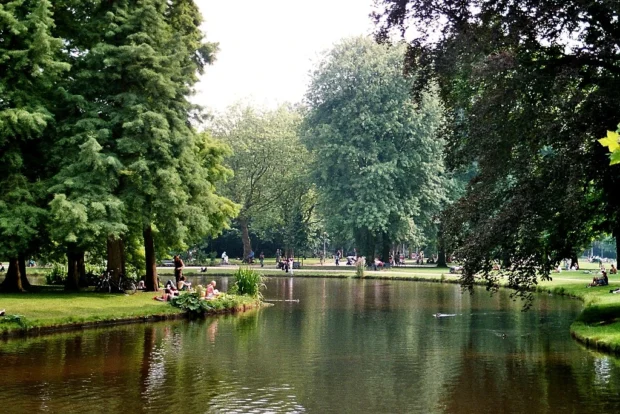
Lunch brought me to Vondelpark, where street vendors sold freshly made broodje haring raw herring, lightly salted, served with onions and pickles in a soft bun. This delicacy, best enjoyed standing near the water, might surprise some, but it is well worth a try. In De Pijp, Surinamese and Indonesian restaurants offer fragrant rijsttafel an array of spiced dishes, a living reminder of Amsterdam’s colonial past.
Evenings in the Jordaan or around Leidseplein revealed another side of the city: craft beer bars, cheese shops displaying golden wheels of local gouda, and tiny brown cafés where the walls are stained by time and laughter. The diversity of flavors sweet poffertjes (mini pancakes), rich erwtensoep (pea soup) in winter, and fresh stroopwafels year-round ensured that every meal was a delight and a lesson in tradition.
Cultural Customs and Social Etiquette in Amsterdam
During my stay, I observed a few customs that shaped daily life. The Dutch value punctuality; arriving late is considered impolite. It is customary to greet shop owners and staff with a friendly “Goedemorgen” (good morning) or “Goedemiddag” (good afternoon), which always received a smile in return. When cycling or walking, be mindful of the designated lanes bicycles have priority in most areas, and a ringing bell is a polite signal to step aside.
Amsterdam’s people are direct but never unfriendly. Conversations, even with strangers, are often open and honest, reflecting a society that values clarity and respect for individual space. I enjoyed watching gatherings in the city’s many social hubs, from bustling markets to calm green spaces in Vondelpark.
Final Reflections: The Lasting Beauty of Amsterdam
As my days in Amsterdam drew to a close, I found myself replaying images in my mind: the shimmering reflection of the Canal Ring at dusk, the quiet dignity of the Anne Frank House, and the jubilant laughter echoing from street cafés. Amsterdam is a city that reveals its soul not only in grand museums or bustling squares, but also in the soft gestures the offer of a warm stroopwafel, a shared bike lane, a word of greeting from a stranger.
After experiencing Amsterdam’s vibrant vibe, enjoy the calm charm of Bern’s medieval Old Town to see another side of European history Bern’s Old Town Streets.
For those with a love of art, food, and history, Amsterdam is endlessly rewarding. Even as a first-time visitor, I felt invited to both admire and participate in its daily life. The city rewards patience and openness, inviting each traveler to find their own “gezellig” moment quiet, joyful, and distinctly Dutch. When you leave, you may find, as I did, that a piece of Amsterdam’s spirit lingers long after the journey ends.
Lover of cities, local cafés, and historic streets, exploring urban life with attention to architecture and culinary delights.
- Amsterdam (NL), Herengracht — 2015 — 7174 by Dietmar Rabich on Wikimedia Commons – cc by-sa 4.0
- Rijksmuseum.Amsterdam by Beatriz Busaniche aka MotherForker on Wikimedia Commons – cc by 2.5
- Anne Frank House (Museum), Amsterdam 03 by Ank Kumar on Wikimedia Commons – cc by-sa 4.0
- Van Gogh Museum, Kurokawa wing by Sebastian Koppehel on Wikimedia Commons – cc by 4.0
- Amsterdam – Dam Square towards the train station by Lionster on Wikimedia Commons – cc by-sa 4.0
- Amsterdam Royal Palace 1699 by C messier on Wikimedia Commons – cc by-sa 4.0
- Bloemenmarkt-Amsterdam by Yair-haklai on Wikimedia Commons – cc by-sa 3.0
- Heineken Experience, Amsterdam (Ank Kumar, Infosys ) 14 by Ank Kumar on Wikimedia Commons – cc by-sa 4.0
- Nemo Science Museum (56) by Elekes Andor on Wikimedia Commons – cc by-sa 4.0
- Amsterdam, Vondelpark, at the pond-2 by Dguendel on Wikimedia Commons – cc by 4.0
- Amsterdam – the Canal Ring (8652262148) by Lies Thru a Lens on Wikimedia Commons – cc by 2.0
- 2018 – NEMO Science Museum, Amsterdam, Netherlands ( Ank Kumar ) 02 by Ank Kumar on Wikimedia Commons – cc by-sa 4.0
,_Herengracht_--_2015_--_7174.jpg)

,_Amsterdam_03.jpg)


_14.jpg)
.jpg)

.jpg)
_02.jpg)