

Standing between East and West, Budapest stirs the spirit and sharpens curiosity. From the gentle curve of the Danube River to romantic rooftops and bustling markets, this city blends a thousand years of history with fresh energy. You can feel the old layers, from Gothic towers to Habsburg palaces, each telling a story sometimes in whispers, sometimes in vivid colors. Budapest consistently ranks high for its cultural sights, hearty Hungarian cuisine, and unique thermal baths, making it one of Europe’s most fascinating capitals. You may hear many languages on the streets, but a few words of Hungarian one of the world’s hardest languages go a long way. Let’s walk this dazzling city together, taking in grandeur and everyday life, from iconic landmarks to hidden corners.
Table of Contents
Buda Castle: A Hilltop with Echoes of History
Our walk starts on the hilly Buda side, where the Buda Castle crowns the skyline. This sprawling UNESCO World Heritage site rises above the Danube, its domed silhouette soaking in the city’s changing light. At the foot of the hill, a modern funicular inches up toward grand courtyards locals call this ride a “panoramic postcard.” The original medieval stronghold was attacked and rebuilt so often that you almost expect to hear the clank of swords. Inside, museums house royal art, while outside, the cobbled paths reveal secret views across to Pest. On quiet mornings, I watched locals pause around the Matthias Fountain, where a bronze hunting party catches sunlight. Once, a retired teacher welcomed me with “Jó napot!” (Good day), telling stories about 1956, when he saw tanks rumble through these squares living memory, layered atop fortress stones.
For a closer look at Budapest’s past, the detailed history and charms of Buda Castle make a perfect next stop after this journey through the city.

Parliament Building: The Grandeur of Pest
The Hungarian Parliament Building is instantly recognizable 12 miles of corridors, gothic spires, and a giant red dome. During dusk, its facade glows along the river, reflected in the Danube’s calm waters. This is the seat of Hungarian democracy and one of Europe’s largest legislative buildings; you can join a guided tour to see golden corridors, mosaic floors, and the dazzling Crown Jewels deep inside. Outside, the statue of poet Attila József recalls Hungary’s turbulent 20th century, while guards in elegant uniforms remind us that tradition is alive. Early one Sunday, I met a group of local students practicing English near the steps. One girl taught me the phrase “Köszönöm” (Thank you), which I practiced while admiring the detailed façade. For history lovers, legends about the architect Steindl, who went blind before seeing his creation finished, add mystery to the grandeur.
Explore the striking Budapest Parliament Building, its grand halls and rich stories offering a deeper view of the city’s heart and history Budapest Parliament Building.

Chain Bridge to Margaret Island: Danube River Life
Crossing the city’s famous Chain Bridge feels timeless. Its iron lions and graceful arches connect Buda’s hills to Pest’s boulevards. As I traced its stones, I listened to an older couple humming “Duna” (meaning Danube), as they strolled almost in step with tram bells ringing beyond. The bridge has witnessed revolutions, sieges, and celebrations; at night, its lamps cast golden trails in the river.

From the bridge, Margaret Island is only a pleasant walk or a quick tram ride away. This leafy green park floats in the middle of the Danube and is filled with joggers, picnickers, and families renting quirky pedal-cars. The 12th-century ruins of a convent tell another Budapest story: Margaret, a princess, lived here as a nun during the Mongol invasions. Today, music fountains and wild gardens make the island a peaceful escape from city bustle. I met a gardener who taught me “Szép napot!” (Have a nice day), while handing me an apple from an old orchard tree.
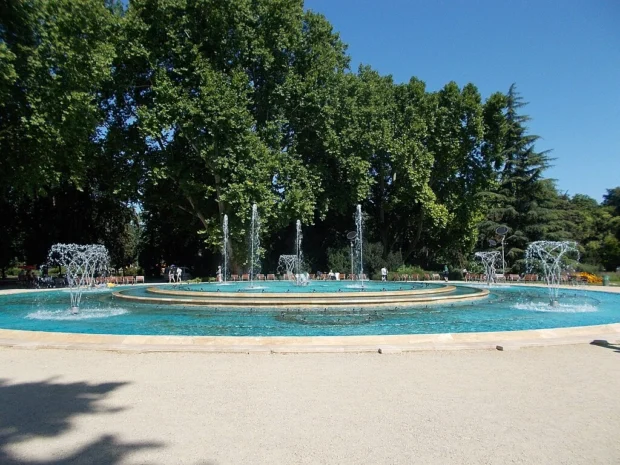
Fisherman’s Bastion: Fairytale Walls and City Views
Up on Castle Hill again, the Fisherman’s Bastion is unlike anywhere in the world whitewashed turrets, walking terraces, and a view locals claim is the finest in Budapest. The name honors the medieval fishing guild that once defended this stretch. Some say that if you lean over the balustrade just as church bells ring, you’ll find inspiration for your own adventures. I tried it, soaking in the spiky Parliament Building, stone bridges, and red-tile rooftops. Street musicians with violins echo off the arches; selfie-takers share a laugh with local painters selling small watercolors.
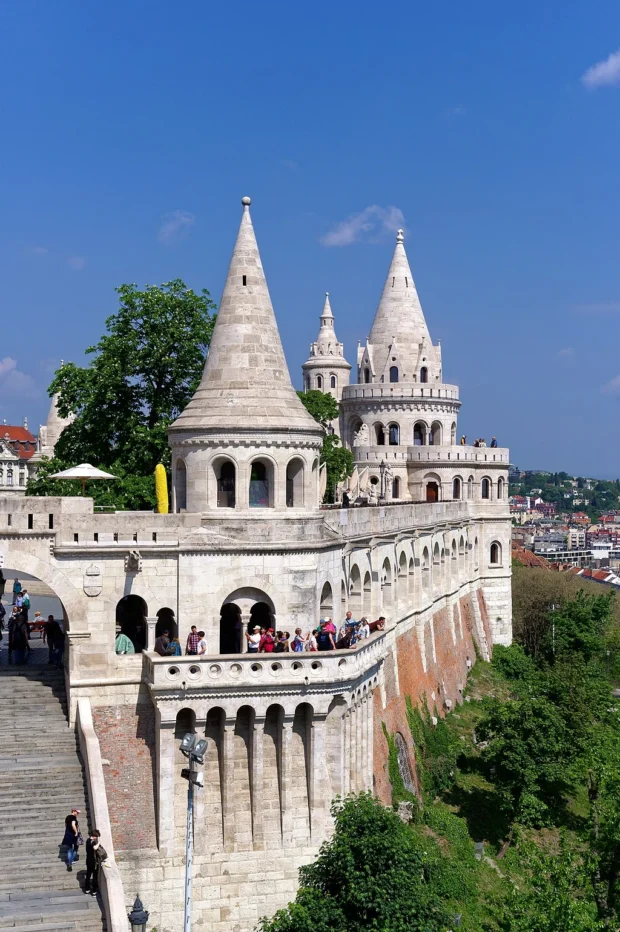
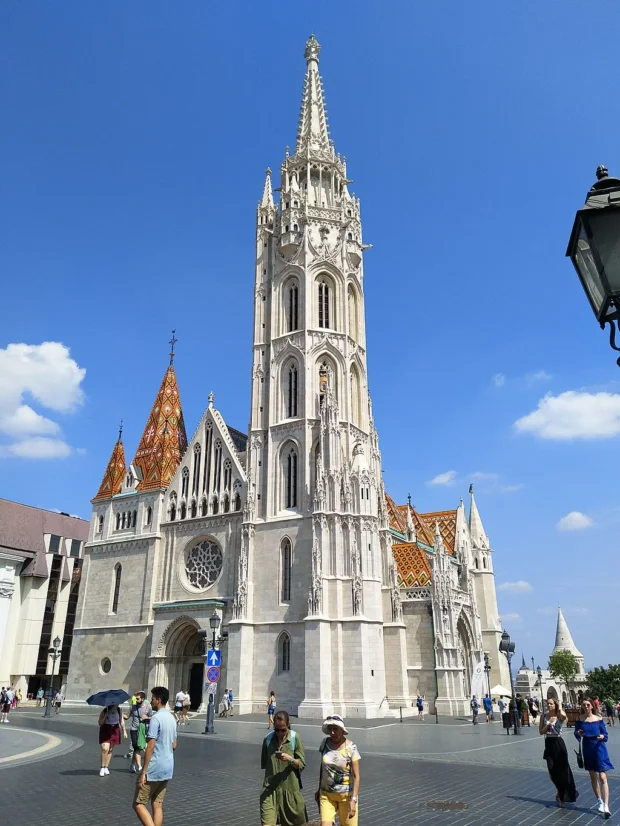
Right beside the Bastion stands Matthias Church. Its colorful tiled roof sparkles in sunlight folk legend says the shifting patterns protect the building from bad luck. Inside, walls glow with medieval frescoes. I lingered under a painted arch, speaking softly so as not to disturb a small wedding. “Egészségedre” (Cheers, or Bless you), I heard after a sneeze from a laughing grandfather during the vows, reminding me that here, tradition and daily life often merge.
Living Heritage: Markets, Baths, and Opera
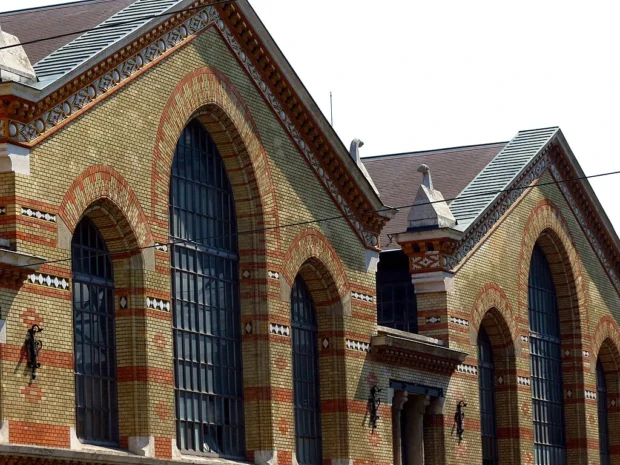
On the Pest side, it’s impossible to miss the Great Market Hall. This vast cathedral of produce and spices is over a century old. Vendors pour fiery paprika and pile high stacks of sweet-smelling peaches; but most famous are “lángos” fried flatbreads brushed with sour cream, garlicky and warm. In District IX, I chatted with a butcher who told me the market rules: always greet with a smile and never touch fruit without asking. Food heritage here is strong; stalls brim with sausages, local honey, and strings of red peppers used since Ottoman times.
Relaxation in Budapest means a dip into a thermal bath. Whether you choose the ornate Széchenyi Baths in City Park, with yellow Neo-Baroque pavilions, or the turquoise-tiled Gellért Baths at the foot of Gellért Hill, traditions run deep. City lore says the Romans first discovered the healing waters, and generations of locals have followed, from poets to politicians. On a rainy afternoon, old men played chess in steaming pools; I joined a group “gőzben” in the steam room where I learned to always shower before entering and to keep conversations gentle.
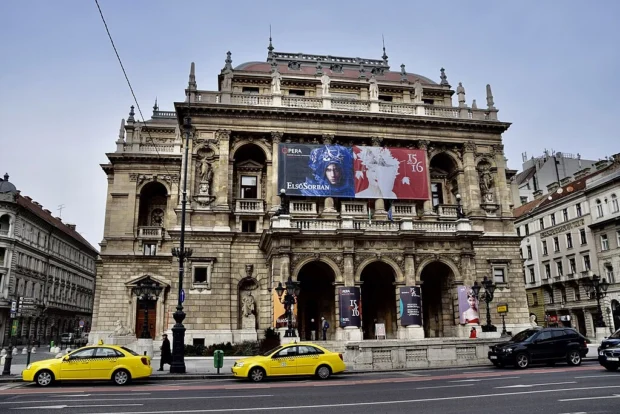
Don’t miss the Hungarian State Opera House for a splash of 19th-century grandeur. Even if you just peek inside the foyer, gilded stucco and red velvet lamps recall the Austro-Hungarian Empire’s golden age. Guides often share the story of Empress Sissi, who rode from Vienna for premieres here, and sometimes the whispers of singers warming up float down the grand staircase.
For those intrigued by historic architecture and royal stories, London’s Tower of London offers another captivating glimpse into Europe’s regal past.
Pest’s Pulse: Architecture, Squares, and Grand Boulevards
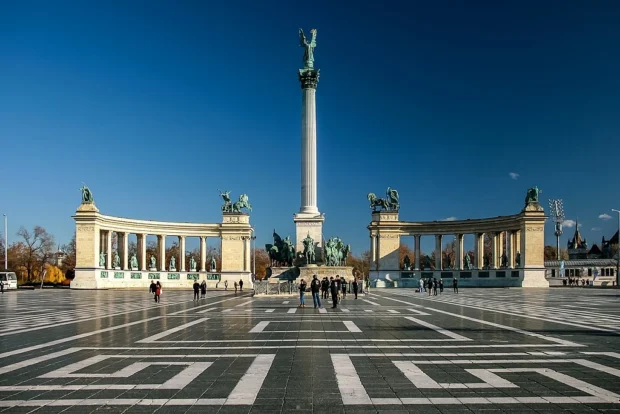
Walking Pest, you’ll notice the grand boulevards and wide sidewalks. Andrássy Avenue often called the Champs-Élysées of Budapest cuts straight to heroes in stone (Heroes’ Square), where statues immortalize Magyar chieftains with their proud mustaches and curved swords. At sunset, the square feels especially alive as children run beneath the outstretched horses.
Nearby, St. Stephen’s Basilica rises with a perfect dome. It houses the “Holy Right,” the preserved hand of Hungary’s first king Saint Stephen guarded with almost religious devotion. Once, while climbing to the dome’s viewing terrace, a student pointed out the perfect symmetry; legend says no building in Budapest can be taller than the Parliament or the Basilica, a balance between church and state. I can confirm, the panorama is worth each step (and a mild fear of heights).

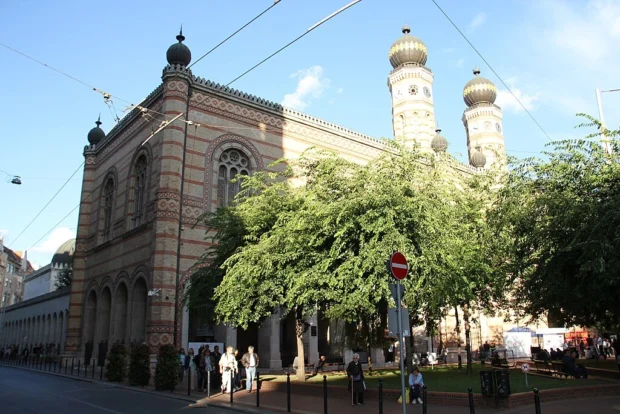
The Dohány Street Synagogue, Europe’s largest, draws you with its Moorish stripes and onion domes. Inside, the mood turns solemn its museum and memorial garden quietly recall the tragedies of the Holocaust, but the energy here is also of resilience, with concerts and lively community events.
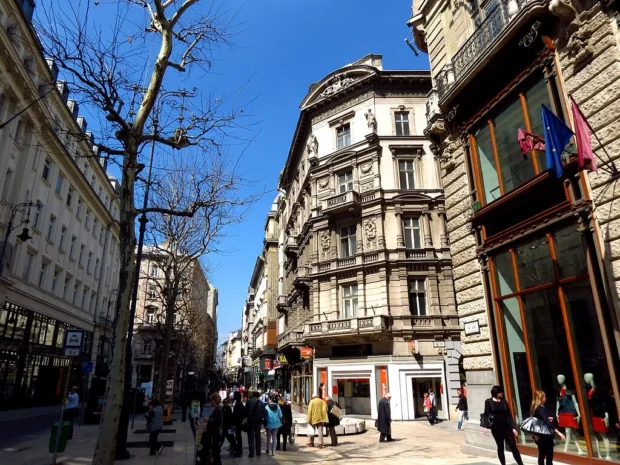
For a slower pace, window-shop down Váci Street. Packed with little coffee bars and pastel façades, it feels both lively and relaxed. I chatted with a local craftsman weaving lace at a small shop he told me how crafts were once sold by weight, not design, and shared a tip: “In Budapest, patience is key and politeness is proof you’re a guest.”
Tales from Gellért Hill and the City’s Edges
Climb Gellért Hill for sweeping views locals march up at sunrise for the best quiet moments. The Citadel fortress at the top was built by the Habsburgs for control, but today’s visitors come for photos, not battles. Street sellers often offer slices of kürtőskalács (chimney cake) sweet, hollow pastries rolled in sugar and cinnamon. Under the trees, you may spot groups practicing tai chi, or hear a guitarist’s tune drifting with the wind.
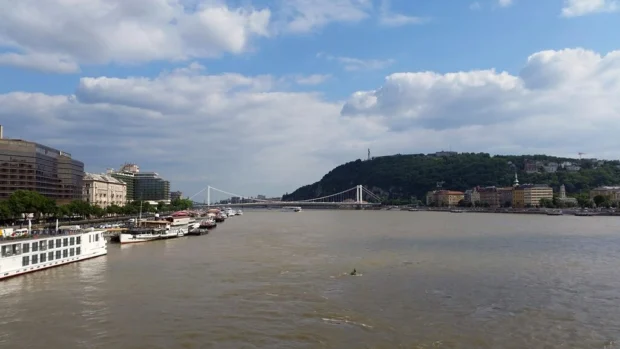
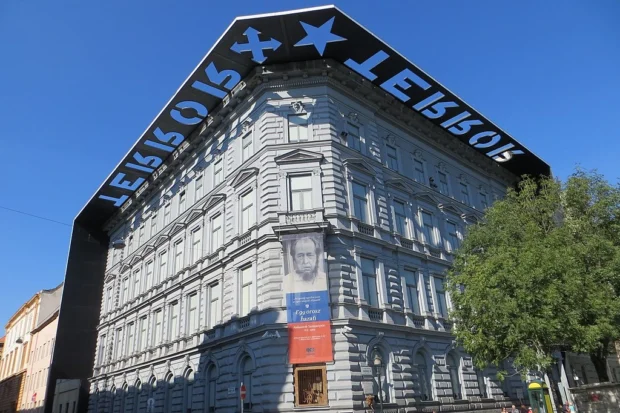
From above, you can see how the Danube shaped the city once a trade artery filled with wooden rafts. Railway buffs, take note: the riverside tracks still carry trains to rural Hungary, echoing the city’s roots as a river town. On the far edge, Budapest’s House of Terror Museum reminds us of hard lessons. Housed in a chilling former secret police HQ, its exhibits are confronting but vital, explaining Hungary’s struggles under two totalitarian regimes Nazi and Communist. It’s emotional, but local school kids often visit, their voices filling the courtyard with hope.
Staying, Etiquette, and Getting Around Budapest
For accommodation, most travelers choose the heart of Pest (District V or VI) for easy walking and dining. Buda’s quieter hills offer leafy streets and peaceful evenings. Look for traditional “panziók” small guesthouses if you wish for a family-run stay. Larger hotels are found near the main train station or riverside.
Getting from Budapest Airport to the city center is simple. Airport bus shuttle (line 100E) connects directly to Deák Ferenc Square, the main transport hub, in about 30 minutes. Budapest’s public transport system includes trams, buses, and a historic metro, the oldest in continental Europe. All stops are announced in Hungarian, but staff usually help if you ask, and the network is well marked with maps. Avoid taxis and use ticket machines most accept cards.
Hungarians take politeness seriously. Always greet shopkeepers or hosts with a “Jó napot!” and say “Köszönöm” when served. Don’t clink beer glasses an old custom tied to national pride but say “Egészségedre” for wine or spirits. Locals are more reserved than southern Europeans but quick to help if you ask with respect. Small gestures such as holding open a door or waiting quietly in queues are appreciated.
Quirky Facts, Myths, and Scenes You’ll Remember
Some streets in Budapest have Roman paving stones hundreds of years old. The city still celebrates “Farsang” winter Carnival where schoolchildren dress as kitchen utensils and animals for luck. Near the Buda hills, you might stumble on tiny “Tabán” houses, built by Serb migrants, with wooden porches and grapevines.
Railway heritage lives on at the Nyugati and Keleti stations, majestic halls with buffet tables modeled after Paris and Vienna. Some locals still handcraft ceramics shaped like peppers and goulash pots look for these in family-run market stalls. Once, I tried “halászlé” (fisherman’s soup) at a Danube-side restaurant in Óbuda; a waiter told me legends of river traders who measured their worth in salt and red paprika.
Budapest is a city of bridges but also of stories old and new, shared and secret. Whether you are sipping strong coffee in a Belle-Époque café, climbing ancient ramparts, or relaxing beneath a plane tree on Margaret Island, you share in the same traditions that have shaped Budapest for centuries. Each moment, from markets to synagogues to thermal baths, offers a piece of living heritage.
As you wander this city, know that every corner has a tale, and every smile whether in Hungarian or another language is an invitation. Budapest is ready for you szép napot kívánok!
Eastern Europe travel specialist uncovering hidden gems from the Baltics to the Balkans.
- Budapest Hungarian Parliament (31363963556) by Jorge Franganillo from Barcelona, Spain on Wikimedia Commons – cc by 2.0
- 20190502 Zamek w Budapeszcie 0647 1862 DxO by Jakub Hałun on Wikimedia Commons – cc by-sa 4.0
- Budapest-Parliament-0001 by Source: User:Godot13 Derivative: User:MathKnight on Wikimedia Commons – cc by-sa 4.0
- Budapest Chain Bridge (31600041191) by Jorge Franganillo from Barcelona, Spain on Wikimedia Commons – cc by 2.0
- Musical fountain on Margaret Island. (South) – Budapest, Hungary by Globetrotter19 on Wikimedia Commons – cc by-sa 3.0
- 20190502 Baszta Rybacka w Budapeszcie 1047 2007 DxO by Jakub Hałun on Wikimedia Commons – cc by-sa 4.0
- Grand Market Hall, 2013 Budapest (406) (13227325915) by xorge on Wikimedia Commons – cc by-sa 2.0
- Hungarian State Opera House, Budapest, Hungary (Ank Kumar) 05 by Ank Kumar on Wikimedia Commons – cc by-sa 4.0
- Budapest Heroes' Square (30600452383) by Jorge Franganillo from Barcelona, Spain on Wikimedia Commons – cc by 2.0
- Budapest, St. Stephen's Basilica C16 byWhen reusing, please credit me asauthor: Adam Kliczek, http://memoriesstay.com (CC-BY-SA-3.0)If you use my image on your website, please send me an email with webpage adress.Contact me at: adam.kliczekgmail.compl en +/−pl en +/− on Wikimedia Commons – cc by-sa 3.0
- Budapest dohany street synagogue IMG 1061 by Bjoertvedt on Wikimedia Commons – cc by-sa 4.0
- Streetview, Váci street at Kígyó street, 2013 Budapest (445) (13227337414) by xorge on Wikimedia Commons – cc by-sa 2.0
- Gellért Hill from Chain Bridge, Budapest by Boreaallane on Wikimedia Commons – cc by-sa 4.0
- House of Terror – panoramio (2) by Mister No on Wikimedia Commons – cc by 3.0
- Matthias Church, Budapest 14-08-2018 by Bart Werink on Wikimedia Commons – cc by-sa 4.0
.jpg)


.jpg)
_-_Budapest,_Hungary.JPG)

_(13227325915).jpg)
_05.jpg)
.jpg)


_(13227337414).jpg)

.jpg)
