
Lima, Peru a city gently breathing on the edge of the Pacific Ocean always held my imagination. With the words Lima, South America, and Pacific often together in travel searches, my expectations were high. After landing at Jorge Chávez International Airport, I carried only a small daypack, hopeful for a slower pace. Every detail sky, breeze, fragment of sound felt like an invitation. The sense of balance between restless city rhythms and the hush of ocean winds sets Lima apart. It is not just a capital city; it is a meeting point of history, community, and quiet transformation.
Table of Contents
Arriving in Lima: First Impressions and Warm Hellos
My first morning in Lima carried the soft scent of sea and street food, mingling with early sunlight that painted the city’s colonial rooftops golden. The drive from the airport, using the frequent airport bus line, allowed for a slow taking-in of silhouettes: green parks, stone churches, people cupping their coffees with care. Lima knows how to move at its own tempo a blend of gentle patience and underlying energy. I heard a friendly “¡Buenos días!” from the driver, and returned the greeting, smiling at the warmth that is at the heart of Peruvian society.
My accommodation was simple and clean, close to the Miraflores district, a practical choice for wandering on foot. This area is known for safety, community markets, and tree-lined avenues. Even small guesthouses often participate in eco-friendly projects solar water heating, sorting kitchen waste, or using local textiles in decor. The sense of sustainability is quiet yet thoughtfully present. Later, I strolled to the neighborhood bakery to try pan de yema, a subtle-sweet bread. A nod, a gentle “gracias,” and the sense of welcome grew stronger.
Miraflores Boardwalk: Breathing Along Lima’s Coast
The Miraflores Boardwalk or Malecón de Miraflores unfolds above the ocean in long, soft curves. Walking here, with cliffs on one side and sweeping Pacific views on the other, quiets the restlessness of daily life. Runners, couples, friends with small dogs everyone seems to find their own rhythm. I saw hand-painted tiles on benches, each telling a tiny story of community projects. At the famous Parque del Amor (Love Park), there is a colorful sculpture of two lovers, and the Pacific wind often carries the laughter of families sharing picnics.
Along the boardwalk, paragliders drift soundlessly overhead. Waves crash below, and in the distance, surfers rise and disappear among the foam. I paused beside a local gardener tending flower beds and asked awkwardly, at first about Lima’s park traditions. “Todo el mundo viene aquí para respirar,” she replied. Everyone comes here to breathe. Her words seemed to match the mood of the boardwalk perfectly, where presence matters more than pace.
Huaca Pucllana: Echoes from Lima’s Ancient Heart
Tucked among Miraflores’ modern buildings stands the adobe pyramid of Huaca Pucllana, quietly enduring since before the Incas. The site, constructed around 500 AD, is made from millions of handmade mud bricks originally arranged by the indigenous Lima culture to catch sunlight and cast shadows across ceremonial plazas. Walking its dusty walkways with a soft “permiso” (excuse me) to other visitors, I listened as local guides explained its mysteries; some myths suggest it was built with community rituals, not slave labor.

There is a museum here, with pottery and ancient textiles, showing how the city’s first inhabitants shaped the valley’s life. Children from local schools visit to learn their own history, and guides often share stories in both Spanish and English. From the top of the ruins, you can see the sharp contrasting lines of city and past skyscrapers and ancient walls together. I quietly wondered how many mornings Lima’s mist has rolled across these bricks, softening each generation’s edge.
Plaza Mayor: Lima’s Colonial Centerpiece
To stand in the heart of Plaza Mayor (also called Plaza de Armas) is to feel Lima’s long story pulsing beneath your feet. Opposite the grand Government Palace, the golden façade of the Cathedral shimmers at sunset. Policemen wander around on foot, and it is easy to imagine donkeys and carriages crossing the square centuries ago, leaving dust in the air. Local workers, vendors, and schoolchildren fill the benches some trading jokes, others simply gazing at the ornate lamp posts.
If you are lucky, you might hear the midday church bells or the soft, rhythmic sweep of street sweepers maintaining this important space. Around the plaza’s edge, the Archbishop’s Palace features carved wooden balconies and the yellow Municipal Palace hosts local events. There are always small surprises a group of university students practicing dances or a table of Peruvian crafts set up by women from distant villages. Silence and sound, shade and light, seem almost perfectly balanced here.
Iconic Attractions from Barranco to San Francisco
Crossing into the Barranco District, the vibe changes artists paint murals, musicians strum guitars, and small galleries open their doors to anyone curious. Barranco is famous for its wooden “Puente de los Suspiros” (Bridge of Sighs), which, according to tradition, grants your wish if you can hold your breath and cross without exhaling. No one seemed to judge my obvious effort. Passing under blooming bougainvillea, I chatted with an elderly man making wire sculptures. Such encounters, shaped by patience and openness, reveal Lima’s gentle humor and respect for quiet ambition.
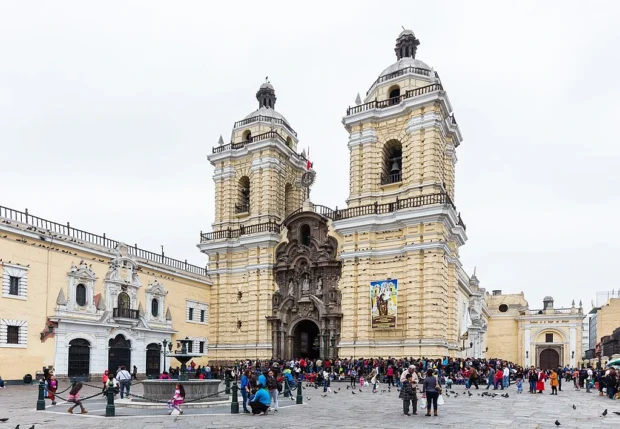
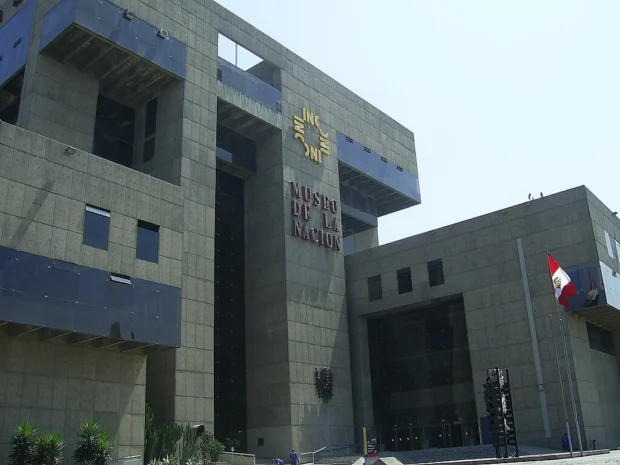
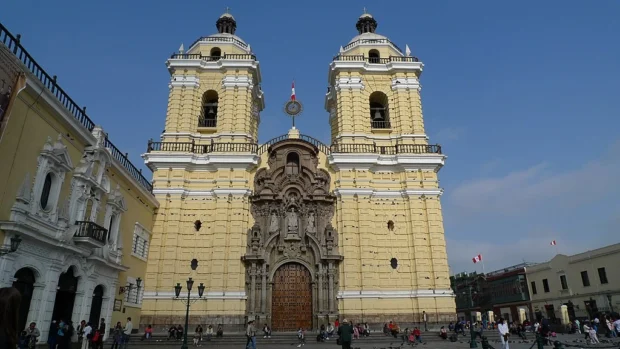
A morning walk led me to the Museum of the Nation its design smooth and modern, its halls full of artifacts. I studied textiles woven with traditional patterns from the Andes, each piece carrying centuries of meaning. Museum guides explained how community exchange has shaped Peru’s resilience. “Nos cuidamos todos,” one guide told me we take care of each other. Later, I wandered toward the elaborate Basilica and Convent of San Francisco. The sandstone walls hide catacombs holding thousands of bones a reminder that Lima knows both how to celebrate life and to honor those who came before.
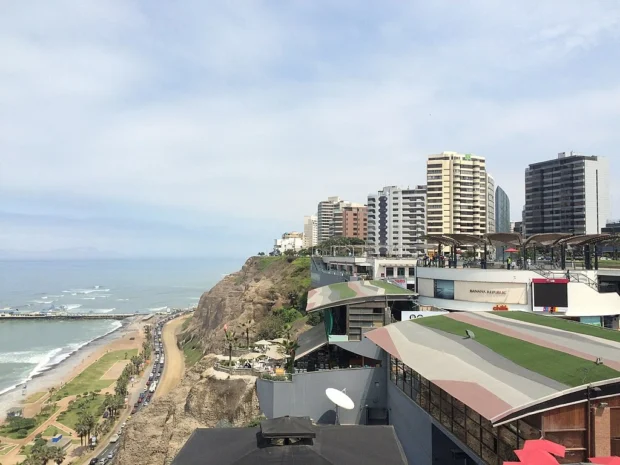
From there, a gentle walk took me to Parque Kennedy, in the heart of Miraflores. Famous for its many friendly cats (cared for by local volunteers), this green space is alive at dusk with small markets, street performers, and conversations between old friends. Further down, Larcomar a lively shopping and dining terrace built into the cliffs offers wide ocean views, with local crafts and “helado” (ice cream) stands frequented by families and couples on breezy evenings.

Magic Water Circuit: Evening Light and Community Joy
When day faded toward dusk, I joined a busy crowd heading for the Magic Water Circuit (Circuito Mágico del Agua) in the Parque de la Reserva. This park transforms at night: dozens of colorful fountains leap and spin, their reflections rolling on the pavement like silver ribbons. Children run through the mist, trying not to get wet, while adults lean against benches, laughing with them. The light shows, set to music, create an almost dreamlike scene.
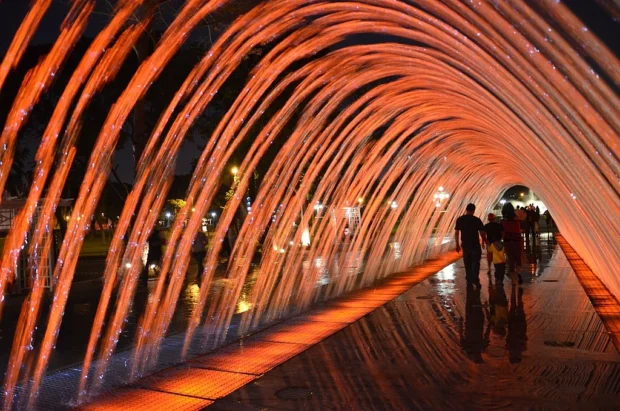
What struck me most was the community presence families, solo visitors, couples. Admission fees are used to support the park’s upkeep, and local food stalls sell small plates of anticuchos (spiced beef skewers) and churros. You hear languages from across South America, and a gentle “por favor” (please) as people drift to let children get close to the fountains. In Lima, public spaces are more than just scenery they are woven into the daily rituals of rest, joy, and community care.
Tastes and Textures: Peruvian Cuisine in Lima
Lima’s food deserves its own love letter. At a Miraflores street stall, I tried ceviche fresh white fish marinated in lime juice, served with sweet potato and crunchy maize. The seller, noticing my delight, said “¡Muy rico, verdad!” (Very tasty, right!) I agreed, savoring the citrus and sea together. In Barranco, I joined a group of neighbors sharing tamales with coffee. Small-scale hosts, using ingredients grown nearby, showed their pride in each regional specialty.
For a casual lunch, I sampled aji de gallina a creamy chicken stew, mild but with a warming chili flavor. A walk through the Surquillo market introduced me to lucuma, a fruit unique to Peru, with its mellow sweetness. Peruvians take pride in foodways rooted in biodiversity: each dish tells a story of valleys, rivers, coasts, and exchanges stretching back generations.
Dining etiquette leans toward casual respect. It is polite to greet the server with a warm “buenas tardes” and to wait until everyone is served before beginning. In small restaurants, many owners are present, welcoming curiosity about ingredients or cooking methods. Water is often served at room temperature, and tipping is not always expected but warmly accepted.
Getting Around with Ease and Care
Lima’s transport system reflects its commitment to both accessibility and sustainability. From the airport, I boarded the official Airport Express bus affordable and clean, offering free Wi-Fi for orientation. The bus delivered me to central Miraflores in just under an hour, with staff helping travelers find their stops. Across the city, the Metropolitano bus system operates on dedicated lanes, making it easy to move between districts such as Barranco, San Isidro, and downtown.

For shorter distances, walking is often the wisest choice. The sea air, the shade of ficus trees, the unexpected glimpses into traditional crafts studios or art-filled courtyards all these moments reveal themselves best on foot. If you need connections to further regions (such as Cusco or Arequipa), comfortable long-distance buses depart from central stations. Each ride supports Lima’s small-scale hosts and rural economies, helping to maintain cultural resilience.
Etiquette, Culture, and Sustainable Choices
Lima’s culture quietly urges visitors toward mindfulness and respect. Locals greet each other with a gentle handshake or a “buenos días” and expect patience in conversation. Bargaining is rare, especially in family-run shops. Instead, showing interest in how things are made a woven hat, a carved gourd opens doors to stories and friendships.
Do not be surprised if strangers offer help with directions or a friendly tip for using public transport. It is customary to avoid strong opinions in public debate; listening is valued as much as speaking. Lima’s community gardens, beach clean-ups, and artisan collectives welcome visitors who wish to learn and contribute ideal for anyone drawn to volunteer initiatives or carbon-conscious choices.
A Few Local Phrases for Connection
Though many people speak English in tourist areas, making an effort in Spanish is warmly appreciated. Useful phrases include “¿Cuánto cuesta?” (How much does it cost?), “Disculpe” (Sorry/pardon), and “¿Dónde está…?” (Where is…?). Peruvians are patient with language learners, and each attempt brings a smile. Even a simple “gracias” each day builds a sense of belonging.

Leaving Lima: The City’s Lasting Breath
As my time in Lima reached its calm close, I walked the Miraflores cliffs once more, tasting the humidity and gentle salt on the breeze. I carried memories: the slow beauty of sunsets at Plaza Mayor, the intricate silence inside Huaca Pucllana, the laughter and light in Barranco, the water and color of the Magic Water Circuit. Everything here supports quiet transformation where preservation of past and care for the future create a rhythm that is uniquely Lima’s.

If you come, walk with presence. Let the city touch you softly, through its regional foodways, its graceful respect for community, and the living harmony between coast, craft, and kindness. Lima rewards those who listen gently and linger.

Minimalist traveler documenting slow journeys focused on mindfulness and sustainability.
- Iglesia de San Francisco, Lima, Perú, 2015-07-28, DD 71 by Diego Delso on Wikimedia Commons – cc by-sa 4.0
- Huaca Pucllana, Lima – Peru – panoramio (10) by Paulo JC Nogueira on Wikimedia Commons – cc by-sa 3.0
- Museo de la Nacion entrance by Andersmusician on Wikimedia Commons – cc by-sa 2.5
- Plaza Lima by Rodolfo pimentel on Wikimedia Commons – cc by-sa 4.0
- Lima, Peru – Parque de la Reserva (Park of the Reserve) 07 by Avodrocc on Wikimedia Commons – cc by 2.0
- Lima, Peru…the Plaza de Armas de Lima by day (8444360764) by Murray Foubister on Wikimedia Commons – cc by-sa 2.0
- Church of San Francisco (Lima, Peru) by slettvet on Wikimedia Commons – cc by 2.0
- Barranco Street Art by spersper on Wikimedia Commons – cc by 2.0
- Miraflores Boardwalk by Julia Sumangil on Wikimedia Commons – cc by-sa 4.0
- Larcomar – Miraflores, Lima – Peru – panoramio by Paulo JC Nogueira on Wikimedia Commons – cc by-sa 3.0

.jpg)


_07.jpg)
.jpg)
.jpg)


