

Munich is a city where history meets curiosity at every corner. Many visitors first think of beer gardens and fairy-tale palaces, but this city offers moments of wonder beyond the usual postcards: peaceful squares, fine museums packed with stories, winding lanes thick with memory, and the energy of open-air markets. Strolling across Marienplatz at twilight or sitting with coffee in Schwabing, you feel more than just a vacation. This is Munich’s invitation to walk, taste, and listen to its quiet secrets.
Table of Contents
Explore Munich’s bustling heart further with Marienplatz’s rich history and lively local culture that brings the city to life.
Life in the Heart: The Pulse of Marienplatz
Every Munich tale, inevitably, loops back to Marienplatz. This is the city’s heart, as restless as a festival and as old as its oldest stone. I watched the daily Glockenspiel show in the New Town Hall: mechanical figures dance and joust to chiming bells, much as they have since 1908. Crowds cluster, but it’s not only tradition—it’s something joyful. For the best view, I climbed the tower of St. Peter’s Church nearby. Munich’s red roofs stretch to the Alps, and the city opens wide, quietly observant of centuries gone by.

Between street musicians and the bustle of trams, there’s everyday theatre. I shared a bench with an elderly local who told me, “This is where Munich meets itself. Weddings, protests, buskers it always starts here.” The square’s energy reminded me that urban hubs are living diaries.

From Palaces to Gardens: Royal Stories and Urban Escapes
When I wanted a quieter rhythm, I took tram 17 west. Suddenly, streets widened and noise faded. Nymphenburg Palace appeared behind iron gates, its symmetrical facade mirrored in tranquil waters. Strolling its parkland, I imagined court artists and poets at work centuries ago. Even on cloudy days, swans glide across ponds and the pavilions seem to whisper. Inside, painted ceilings tell stories in color and gold, proof of Bavaria’s ambition and aesthetic pride. It’s a palace made to dazzle, but the surrounding gardens are pure serenity.

If you visit Munich on a sunny afternoon, the English Garden is essential. Larger even than New York’s Central Park, this sweeping city park offers meadows, streams, hidden beer gardens, and an unexpected surfing spot. Yes, real surfers ride the artificial wave on the Eisbach river—not just tourists, but locals perfecting impossible balance all year. Sometimes I’d pause under a chestnut tree to watch elderly men playing chess on public boards, or students stretched on the grass with books. The air smells faintly of grilled sausages and river water. Munich’s love of public spaces is real: the English Garden is an open invitation to linger, nap, or strike up conversation
The Living Market: Tastes and Stories at Viktualienmarkt
A few minutes’ walk from Marienplatz, the Viktualienmarkt spreads across cobbled lanes a social and culinary stage more than just a market. The name means “provisions market,” but that doesn’t capture the color or aroma here. I watched stallholders arrange wild mushrooms, smoked fish, and towers of cheese. On weekends, you’ll find artisans who craft honey and regional mustards, or flower sellers weaving tiny bouquets for regulars. I tried a slice of Leberkäs in a fresh roll, spicy and rich, and swapped stories with a baker about the best time for pretzels (she insists, “fresh at dawn, only then”).

Many Munichers shop here before a picnic in the English Garden. Scenes from festivals appear Maypoles, folk musicians, even impromptu dance. The market is open every day except Sunday, and the city’s changing seasons are each reflected in the displays: asparagus in spring, apples in autumn, candied nuts as winter closes in.
Museums Beyond the Usual: Science, Art, and Automobiles
Munich’s museums aren’t just for rainy days they’re for the curious mind. One morning, the Deutsches Museum lured me into its labyrinth of discovery. It’s Europe’s largest museum of science and technology; you could spend days exploring, but even a few hours reveals wonders: reconstructed mines, floating airplanes, demonstrations of electricity and chemistry that make children shriek with delight. I met a young engineer-in-training by a vintage U-boat, both of us marveling at early German innovation.

Art lovers Munich spoils you with choices. For old masters, the Alte Pinakothek is quiet and grand, galleries hung with Rubens and Dürer. Its neighbor, the Neue Pinakothek, focuses on 19th-century works Romantic landscapes and sharp social portraits. But if modern lines and color are your passion, the Pinakothek der Moderne is luminous; contemporary design meets visual surprises. Locals sometimes debate which is best, but I think each reflects a different side of Munich’s imagination.
Car enthusiasts drift toward the BMW Museum, a gleaming spiral that showcases engines and models through the decades. On the other hand, history buffs find themselves at Munich Residenz, former palace of Bavarian kings, with ornate rooms and glittering treasures. Here, Munich’s history becomes personal rooms once used for royal intrigue, halls that have seen Mozart and forgotten ministers alike.

Cafés, Streets, and Literary Corners: Urban Soul of Munich
Some travelers rush the “sights,” but Munich whispers to linger. My favorite afternoons unfolded in quiet districts like Schwabing and Haidhausen. Schwabing is an old haunt of artists and writers; today, cafés brim with students, chess players, and people reading Rilke by the window. You can sense time stacking up: wooden tables worn smooth, cakes served on porcelain, walls lined with photos from past generations. Haidhausen, across the Isar River, feels more bohemian narrow lanes, artisan boutiques, and terraces shaded by vines. Many afternoons, I nursed a coffee and simply watched the city’s rhythm shift hour by hour.
On my wanderings, I found Asam Church small, almost hidden, wedged into Sendlinger Strasse. Baroque architecture explodes inside; gilded angels seem to float above worshippers. It’s a local secret among Munich’s grander churches, but here, every inch tells of two brothers who built a masterpiece for their own devotion.

I also joined a city photography walk along Ludwigstrasse and Leopoldstrasse, grand avenues laid out by Bavarian kings to rival Paris and Vienna. University students jog past, old couples stroll arm-in-arm, and the city’s past seems to walk with you: statues, arches, secret courtyards behind heavy doors.
Tastes of the City: Beer, Market Cuisine, and Social Rituals
For many, Munich means beer. It’s true, the Hofbräuhaus hums with laughter, music, and the sound of clinking steins each night. But beer culture here is about more than the drink it’s a social ritual, a way to share tables with strangers and sing folk songs that everyone knows. One evening, a man explained the “Radler” (beer with lemonade) was invented for cyclists who needed to ride home safely. In the city’s beer gardens especially those shaded by chestnuts in the English Garden or Westpark you find families, workers, and students all gathered together.

But food in Munich is more than sausage and pretzels. In Gärtnerplatzviertel, hip cafés offer sourdough, inventive cakes, and locally roasted coffee. Glockenbachviertel’s weekend food stands might serve Turkish börek, Italian arancini, or vegan pastries, reflecting Munich’s modern diversity. Still, don’t miss Weisswurst in the morning (never after noon, locals insist), best with sweet mustard and a steaming pretzel. Each neighborhood adds its flavor: Maxvorstadt boasts hearty brunch spots, while Schwabing is famous for creamy, fruit-topped Bienenstich cake.

Modern Impressions: Stadiums, Parks, and Art Spaces
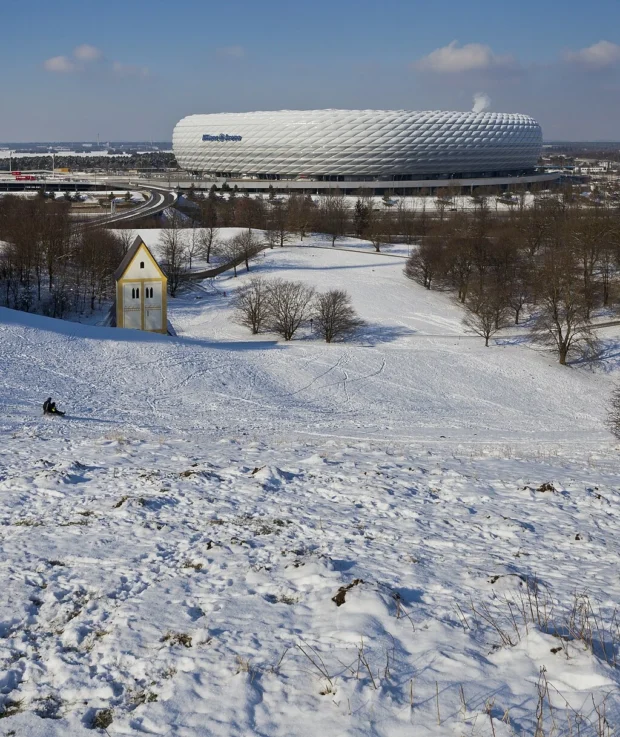
Munich is a city that hosts, supports, and cheers. In the north, Allianz Arena rises with its glowing white panels at night, it lights up in blue or red for its football teams. I felt the hum of excitement even from outside, where children kick balls in the parking lot, pretending to be their sports heroes. If possible, catching a match here is electric, but even on off-days, the stadium’s design grabs the eye.
Olympiapark, built for the 1972 Olympics, has become a gathering place for concerts, festivals, and lazy afternoons by the lake. Locals jog on the hills, climb the Olympic Tower for sweeping city views, or listen to pop-up jazz bands by the water. A little secret: the park’s roofscape ripples like waves engineers modeled its shape on the Alps themselves. During Munich’s summer festivals, food trucks line the walkways, and you can sample everything from spicy currywurst to smoked fish sandwiches.

Practical Essentials: Where to Stay and How to Get Around
Munich offers a wide range of accommodation, but my advice is to stay close to the city center if it’s your first visit anywhere near Marienplatz, Hauptbahnhof (main station), or Sendlinger Tor. These areas place you steps from the main museums, cafés, and shopping. For something quieter with a local feel, consider lodging in Haidhausen or Schwabing, where public transportation is just as convenient but the evenings are gentler.
From the airport, the S-Bahn train (lines S1 or S8) gets you downtown in 35-45 minutes, gliding past wheat fields and suburbs into Munich’s heart. From the main train station, almost every tram, bus, or U-Bahn (underground) line radiates out; the system is clean, safe, and well-marked. You can buy tickets from machines in English. Walking is easy, and cycling is very popular bike lanes are everywhere, and rental stations seem to appear on every corner. I never needed a taxi; Munich’s efficient transit made it easy to visit the English Garden or Nymphenburg Palace for a morning stroll.
Cultural Etiquette and Everyday Munich Customs
Munich likes things orderly, but never cold. It’s polite to greet people in shops with a quiet “Grüß Gott” or “Hallo,” and to say “Servus” when you leave. Locals keep volume low on public transport, and jaywalking is frowned upon even if there’s no traffic. In beer gardens, don’t sit at a table marked “Stammtisch” unless invited; that’s reserved for regulars. But everywhere, sharing a table with strangers is not strange conversation flows easily, especially during long summer evenings.
For travelers drawn to city rhythms, this Ho Chi Minh City guide offers a gentle contrast with its vibrant street life and history.
Festivals animate the city throughout the year: Oktoberfest is world-famous, but every district hosts its own street fairs, music events, and artists’ markets. I stumbled upon a spring festival in the Glockenbachviertel, where artisans sold handmade ceramics and jazz floated out from a back courtyard. Even winter is lively; the Christmas markets transform every square with mulled wine, Carillon music, and the scent of roasted almonds.
Final Impressions: Why Munich Stays With You
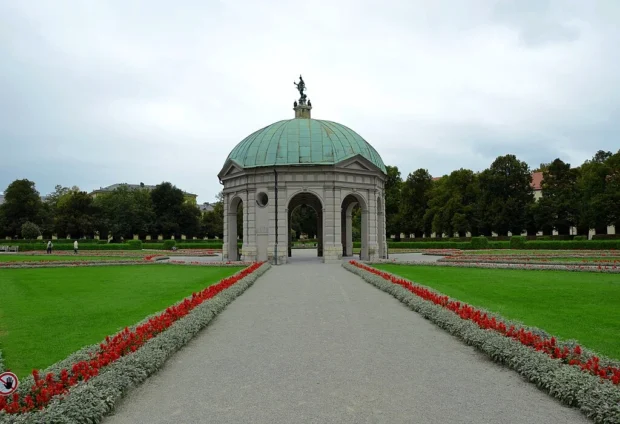
Munich’s spirit lingers: in early-morning markets, golden churches, and the laughter from neighboring beer garden tables. It’s a city of layers royal history, modern invention, quiet green escapes, and arts that stretch from old masters to new ideas. I left with sketches in my notebook: a woman knitting as she waited for her train at Isartor, the sound of linden trees in the Hofgarten, the kindness of a café owner who tucked a piece of cake in my bag “for the journey.”
For those who appreciate historic cities with castles and charming old town squares, the Bratislava stroll offers a quiet, soulful contrast to Munich’s vibrant pace.
What makes Munich special isn’t just its monuments, but the gentle insistence that life public, shared, and beautiful is always close. Whether your days fill with grand museums or casual picnics by the Isar, the city makes space for both. It still surprises me how easy it is to belong, even for a short while, to Munich’s ongoing story.
Lover of cities, local cafés, and historic streets, exploring urban life with attention to architecture and culinary delights.
- Frauenkirche Munich – View from Peterskirche Tower2 by Diliff on Wikimedia Commons – cc by 2.5
- Marienplatz, Munich, Germany by Marcia Stubbeman on Wikimedia Commons – cc by-sa 4.0
- 20210807 St. Peter und Paul Oberammergau by Flocci Nivis on Wikimedia Commons – cc by 4.0
- Exterior del Palacio de Nymphenburg, Múnich, Alemania70 by Diego Delso on Wikimedia Commons – cc by-sa 3.0
- Germany – Munich – Hofgarten – Diana Temple – panoramio by Alireza Javaheri on Wikimedia Commons – cc by 3.0
- Munich Viktualienmarkt (54217400582) by Jorge Franganillo on Wikimedia Commons – cc by 2.0
- Deutsches Museum Munich 2014 01 by Julian Herzog (Website) on Wikimedia Commons – cc by 4.0
- BMW Vierzylinder Tower Munich 2014 01 by Julian Herzog (Website) on Wikimedia Commons – cc by 4.0
- Asamkirche München by Schlaier on Wikimedia Commons – cc by-sa 3.0
- Hofbrauhaus – Munich, Germany – panoramio by Sergey Ashmarin on Wikimedia Commons – cc by-sa 3.0
- Exterior of the Alte Pinakothek 2 by AuHaidhausen on Wikimedia Commons – cc by 4.0
- Allianz Arena, Múnich, Alemania, 2013-02-11, DD 08 by Diego Delso on Wikimedia Commons – cc by-sa 3.0
- Munich – Olympiapark 5 by Tiia Monto on Wikimedia Commons – cc by-sa 3.0


.jpg)


