
There are few cities in the world where neon lights glow above ancient palaces and silent shrines nestle between fashionable cafés. Seoul, with its layers of modern bustle and centuries-old tranquility, is a place where every street corner can surprise you. The city’s vibrant markets, royal grounds, and quirky neighborhoods always promise something new and never quite as perfectly polished as you’d expect. From mouthwatering bites in Myeongdong to a quiet moment under the eaves of a tiled hanok, this city is a living scrapbook of stories. Whether you’re searching for famous places or hidden gardens, Seoul’s wild energy and gentle moments will shape your memories.
Table of Contents
Arriving in Seoul and First Impressions
I touched down at Incheon International Airport, still yawning from the flight, and was instantly swept into the gentle current of signs and soft chatter. The AREX train hummed steadily, connecting the airport to the city center in under an hour. It’s the best way to avoid the tangled traffic on the highways and, frankly, it’s a perfect introduction to Seoul’s love for smooth efficiency. As the train slid into Seoul Station, I caught my first glimpse of the Han River in twilight gray water, glass towers, and bridges that glowed like necklaces.
Seoul never shouts its secrets. Step out of the station and you’ll pick up on its rhythm: the tap of shoes on polished subway floors, far-off music from a busy plaza, aromas of roasting chestnuts curling through the air. The city’s surface sparkles, but look closer and you’ll spot cracks filled with history and tiny dramas unfolding in every shop or alleyway.
Gyeongbokgung Palace: City’s Proud Heart
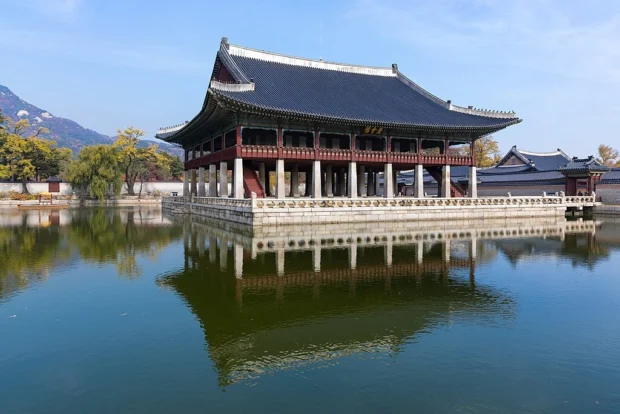
If Seoul has a soul, it beats under the golden roofs of Gyeongbokgung Palace. Built more than 600 years ago, this grand Joseon-era complex is far more than a tourist attraction. Families picnic on its lawns, elderly couples stroll beneath gingko trees, and the distant sound of guards’ boots echoes between bright, painted pillars.

I was lucky: I wandered in during the changing of the guard, a swirl of deep blue and red robes, with traditional music ringing in the background. A local student explained the palace’s name means “Palace Greatly Blessed by Heaven.” She taught me a phrase: “Annyeonghaseyo?” polite and friendly, it’s how you say hello to anyone, young or old.
For up-to-date hours and ticket info, the official palace website is helpful.
Walking Bukchon Hanok Village’s Storybook Lanes
One morning, I found myself in the labyrinth of Bukchon Hanok Village. This neighborhood is famous for its traditional wooden houses, called hanok, stacked up and down the hills with tiled roofs smiling in the sun. Some are still private homes, others operate as tiny tea shops or craft studios.

Unlike the palaces, Bukchon whispers rather than shouts. Turn a corner and catch the click of a camera this is a dream for anyone who loves street photography. If you’re lucky, you’ll see elders sweeping their steps or children playing hide-and-seek with a squeal. The air smells of pine and old wood. Here, another useful phrase comes in handy: “Jal jinaess-eoyo?” a way to ask, “How have you been?” It’s perfect if you make a friend in a hanok café.
Amusingly, some alleys have signs in four languages asking you to keep quiet for the neighbors a gentle reminder that this is still a living home, not just a postcard setting.
N Seoul Tower: A City Above the City
Sometimes, you need to see everything at once. That’s what N Seoul Tower offers: a dizzying view of all 25 million souls and the mountains that cradle the city. I reached the base by hopping on the bright green Namsan shuttle bus. The ride winds through a small forest surprisingly wild in the heart of Korea’s largest metropolis.

I watched couples writing their names on colorful padlocks and attaching them to the fence, promising everlasting love with a click. You can ride the elevator to the top for a full view, but my favorite spot was outside, watching fog sweep across the city’s towers and quiet river.
N Seoul Tower’s own official website is a great source for opening times, events, and info on the cable car that gets you there in style.
Changdeokgung Palace and Secret Garden
Not far from Gyeongbokgung stands Changdeokgung Palace, once home to kings seeking beauty and calm. The palace buildings are delicate, almost understated, but don’t miss the hidden Secret Garden at the back. It’s a masterpiece of landscape design, where carp swim in lotus ponds and maple leaves burn red in autumn. The garden is less crowded than the main courtyards, and you might spot a group of elderly artists sketching the ancient pavilions in silence.

I chatted with a local guide who explained a rule: never walk through a palace gate before bowing your head, a sign of respect for the royal past. He handed me a phrase: “Kamsahamnida” “Thank you,” always appreciated after a helpful tip or directions.
Markets, Murals, and Modern Design
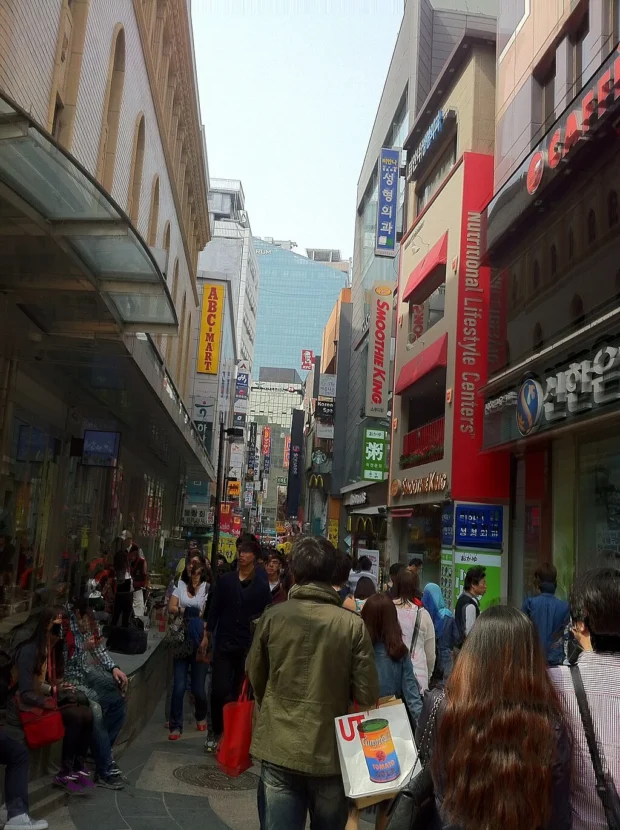
Seoul is a city of contrasts, where centuries-old palaces are steps away from streets pulsing with pop music and flashing lights. Myeongdong Shopping Street may well be the capital’s busiest place. I joined the evening stroll teenagers snapping selfies, beauty shops blasting K-pop, street-food cooks flipping spicy tteokbokki (rice cakes). Try a skewer of hot odeng fish cakes or the famously sweet and sticky hotteok pancakes.
If you crave creative energy, the Dongdaemun Design Plaza (or DDP) delivers. This curvy, spaceship-like building is covered in silver panels that shine day and night. Inside, design exhibitions, fashion shows, and light festivals pop up like magic. The DDP’s outside is just as lively, home to some of Seoul’s best street style and nightly markets bustling with students and artists.

In Insadong, I ducked into antique shops and watched an old man brush calligraphy onto rice paper. This artsy street turns every tea shop into a new discovery. Try a traditional “ssamziegil” rice cakes in a cozy alley locals showed me how to say “Juseyo” when ordering; it simply means, “Please give me…” and is always useful when buying anything from food stalls to souvenirs.

Cheonggyecheon Stream and Urban Green Spaces
Among the high-rises, I found Cheonggyecheon Stream, a 10-kilometer river park sunk below street level. City sounds fade away as you walk along the cool water, past stone bridges and sculptures. At dusk, lanterns float above the water and old men fish for tiny minnows, telling stories to their grandchildren. The path is popular with office workers on their lunch break or couples sharing quiet conversations on stepping stones.

For a wilder burst of green, Seoul Forest surprised me with its blend of wildflower beds, deer gardens, and bike lanes under thick trees. I ended up at a leafy picnic table with a family who shared slices of sweet persimmon, laughing as their children fed rabbits nearby.

Where to Stay and How to Get Around
You could stay in a high-rise with glitzy views, a boutique guest house in a hip neighborhood, or a hanok guesthouse for that old-Korea feel. Popular areas include Hongdae, full of music bars and graffiti, and the quieter lanes near Insadong or Bukchon for those who want to wake up to history, not traffic.
The subway is a marvel cheap, clean, and runs everywhere you want to go. Trains announce stops in English, Korean, and even Chinese and Japanese, so missing your station is rare. Reloadable T-money cards work smoothly on buses and subway lines. I challenged myself to avoid taxis for my entire stay, and with all the Metro lines, I never missed them once.
Markets, Nightlife, and Surprising Sights
Seoul’s beating heart is in its markets and midnight streets. Namdaemun Market, Korea’s oldest and liveliest, is a maze of noodle stalls, fabric shops, and vendors shouting prices. Bargain for silks or taste kimchi pancakes as you huddle under a canvas roof. Han River Park is where the city comes to picnic, rollerblade, and watch the sunset turn the water gold. Bridges here light up at night, and locals say each has its own “personality” Banpo Bridge even turns on a rainbow-colored fountain show on special evenings.

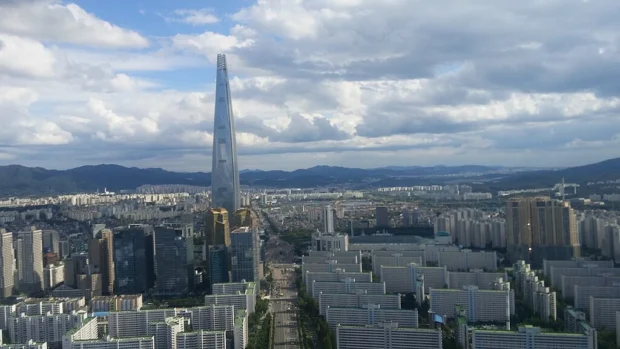
If you’re into modern architecture, the Lotte World Tower pierces the skyline as one of the tallest buildings on Earth. Its observation deck, glass-floored skywalk, and luxury shops bring out Seoul’s futuristic side. Meanwhile, the War Memorial of Korea, though sober, tells the powerful story of a country divided and healed, with tanks and planes you can actually touch outside.
Local Customs and Warm Connections
Seoulites are proud but humble, eager to help if you look lost. One thing I learned quickly: never stick your chopsticks upright in rice, as it’s a symbol used during funerals. Sharing food is a huge part of local culture don’t take the last piece unless someone offers it directly. It’s polite to pour drinks for others, never for yourself, especially if you’re toasting over grilled meat and soju in Mapo or Gangnam.
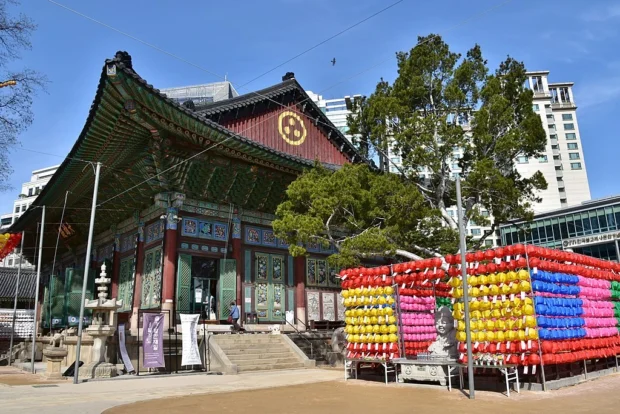
At Jogyesa Temple, the scent of pine incense lingers in the air and monks chant under glowing lanterns. I spent a quiet morning here watching old women tie handwritten wishes to the temple’s ancient tree. The gentle bowing and slow pace made me forget the rush of the city.
Art, Festivals, and Everyday Joys
Hongdae is where the city’s heartbeat pulses loudest street murals, indie music spilling from basement bars, and crowds gathering for impromptu dance battles. Don’t be shy. I clapped along with teens practicing their K-pop moves and sipped bubble tea while people-watching the ever-changing fashion parade.

Seoul loves its festivals, too especially in harvest season, when parks overflow with food stalls and families. While I missed the lotus lantern festival, a local designer told me the Dongdaemun Design Plaza throws regular night markets packed with food, lights, and music, drawing the city’s creative crowd together.
Leaving with Seoul in Your Heart
On my last evening, I sat by the Han River, tired feet dangling above the water, listening to a busker play a love song in Korean. I let the city’s strange harmony settle inside me: the contrast of old palaces and high-rises, spicy food and sweet rice cakes, busy shopping streets and peaceful gardens. Seoul is not flawless but every little imperfection adds to its story.
After soaking in Seoul’s vibrant city scenes, consider a refreshing contrast with Sentosa Island’s mix of beach fun and peaceful history Sentosa Island getaway.
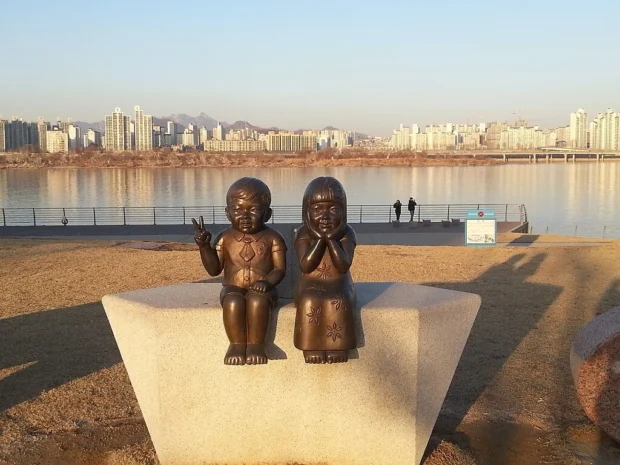
If you look beyond the postcard images, you’ll find a city as rich in stories as it is in sights The Seoul I met was never cold or distant, but inviting—always ready to offer a sweet pancake, a bowl of rice, or a new song on the street, if you only say hello.
A digital nomad exploring cities across the globe, with a passion for local street food and hidden cafes.
- Gyeonghoeru (Royal Banquet Hall) at Gyeongbokgung Palace, Seoul by Frank Schulenburg on Wikimedia Commons – cc by-sa 4.0
- Gyeongbokgung Mar 2025 138 by Epicgenius on Wikimedia Commons – cc by-sa 4.0
- Bukchon-ro 11-gil street with hanok houses in Bukchon Hanok Village Seoul by Basile Morin on Wikimedia Commons – cc by-sa 4.0
- N Seoul Tower (22574508070) by Laika ac from UK on Wikimedia Commons – cc by-sa 2.0
- Changdeokgung Palace, Seoul, constructd in 1405 (17) (27241032528) by Richard Mortel from Riyadh, Saudi Arabia on Wikimedia Commons – cc by 2.0
- Shopping street at Myondon , Seoul – panoramio by JiroS. on Wikimedia Commons – cc by-sa 3.0
- 20240601 144028 Dongdaemun Design Plaza, Seoul 08 by Dwxn on Wikimedia Commons – cc by-sa 4.0
- Insa-dong 인사동 October 1 2020 20 by S h y numis on Wikimedia Commons – cc by-sa 4.0
- Cheonggyecheon Dongdaemun concert by Schellack on Wikimedia Commons – cc by-sa 3.0
- Yangjae Citizens' Forest – 20211002 by Sikander Iqbal on Wikimedia Commons – cc by-sa 4.0
- Namdaemun market(6) by Jocelyndurrey on Wikimedia Commons – cc by-sa 4.0
- Helicopter view of Seoul by Neroson on Wikimedia Commons – cc by-sa 4.0
- Jogye-sa Buddhist temple, Seoul (5) (41087136622) by Richard Mortel from Riyadh, Saudi Arabia on Wikimedia Commons – cc by 2.0
- Street hongdae Seoul by U0894629 on Wikimedia Commons – cc by-sa 4.0
- Seoul Riverside and Statue by Douglas Paul Perkins on Wikimedia Commons – cc by 3.0
_at_Gyeongbokgung_Palace,_Seoul.jpg)


.jpg)
_(27241032528).jpg)


.jpg)

_(41087136622).jpg)

