
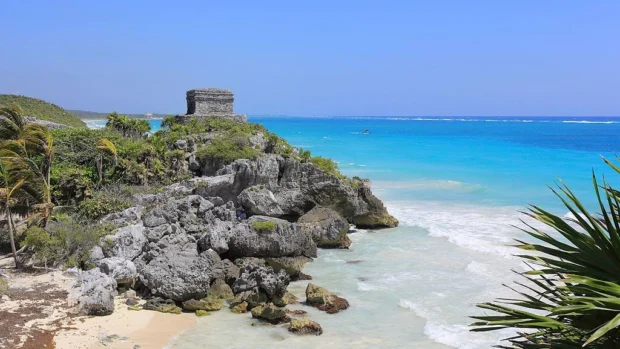
When most people hear “Tulum,” they picture blue-green water and ancient stone walls perched above the sea. I’ll admit, that postcard-perfect image is true, but Tulum is so much more than trendy beach clubs and famous ruins. On my visit, I found sandy bikes, fresh tacos sold from a family home, and a laid-back vibe that made me want to stay for good. If you’re wondering where to start with Tulum, Mexico, you’re in the right place.
Table of Contents
Tulum Ruins: Ancient Walls, Ocean Breeze
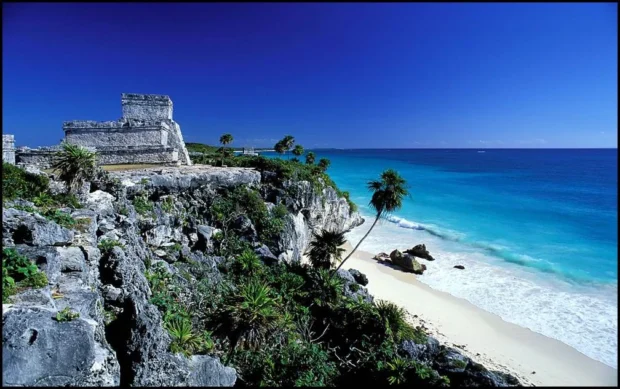
My trip officially started among the ancient stones of the Tulum Ruins, one of the most photographed Mayan sites in the Yucatán. I arrived early, with a few coatis (raccoon-like animals) as my only company. It’s surreal to stand under the fierce sun, breeze rustling through palm trees, while gazing at “El Castillo” the main temple standing brave above a glowing Caribbean Sea.
To understand Tulum ruins more beautifully, check the guide about Tulum Ruins on Mexico’s Coastline with tips on history and visit timing.
Unlike Chichén Itzá or Coba, the Tulum Ruins are right by the water. The salty air here carries an old story: Tulum was once a major port, with trading canoes arriving from distant places. Some say pirates eyed these walls, too. You can walk the uneven paths, explore ancient watchtowers, and if you’re lucky spot iguanas lazing on stones. Don’t miss the little beach below the ruins! It’s a secret spot for cooling off after history lessons, though sometimes the waves are sly and strong.
Finding Paradise at Playa Paraiso and Tulum Beach
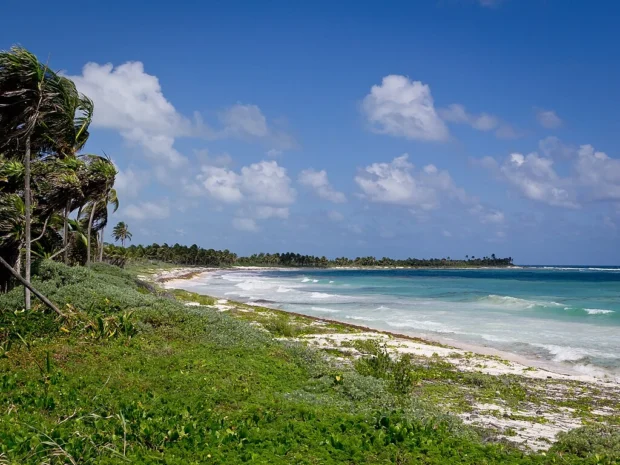
Tulum’s beaches are free and open, but Playa Paraiso is the one swirling in my memory. Palm trees lean like slow dancers over pale sand. Here, locals gather at sunset, sharing cold drinks, and you might hear spontaneous guitar music from someone’s half-open window. You can swim, nap, or people-watch no beach club entry fee required if you find the public access path.

Tulum Beach runs alongside Playa Paraiso, stretching with soft sand and the occasional pelican dive. Ziggy’s Beach, another favorite, sits close by for those who like a cheerful buzz and gentle surf. I recommend wandering by foot or bike. Every few meters, hand-painted signs offer fresh ceviche or coconut water, and sometimes a local artist sells colorful masks carved from wood.
Swimming in Nature’s Heart: Cenotes of Tulum
If you want to feel like a jungle explorer, start with Gran Cenote. The water is so clear you might think you’re levitating. Snorkel with little turtles and silvery fish below hanging stalactites, and try to spot the underwater caves only the brave go deep. I met a chatty family from Chiapas who welcomed me to their picnic of spicy fruit. “Cenotes are our swimming pools,” they said, laughing.

There’s a wilder, less-polished feel at Cenote Calavera, just a short ride away. Locals call it “the Temple of Doom” because you have to jump through a hole in the limestone. The sound when you hit the water is like a far-away drum. Dos Ojos Cenote, slightly out of town, is famous for cave diving, but you don’t have to be a scuba pro. The water splits into “two eyes” one blue, one darker, both chilly. Bring cash for entrance and snacks, as there’s no ATM for kilometers.

Sian Ka’an Biosphere Reserve: Wild, Wet, and Full of Surprises
I nearly missed Sian Ka’an, but a sleepy hostel owner convinced me it was the real soul of Tulum. It’s a massive biosphere reserve, filled with mangroves, lagoons, and all kinds of animals. The Mayan name means “Origin of the Sky.” I took a collectivo van (shared ride) to the entrance and joined a guided boat tour. Dolphins chased us for a few minutes while we glided past shy manatees. In the trees, flashes of pink revealed roseate spoonbills and if you’re patient maybe a crocodile eye watching from the reeds.
This place feels untouched, with a silence so deep you hear your own thoughts. If you love nature, birdwatching, or the idea of floating down a wild river, Sian Ka’an will make you grin for days. The guides here know secret stories: like the legend of the “jaguar of the wetlands,” who protects lost travelers until sunrise. Make sure to bring sunscreen that’s safe for reefs, and maybe a sandwich.
Muyil Ruins and the Secrets of the Jungle
Not everyone gets to the Muyil Ruins, but that’s part of their magic. About 20 minutes inland by bus or bicycle, they wait at the edge of thick green jungle. No crowds here, just chirping insects and the sweet smell of blooming trees. The pyramid tall and partly restored is older than Tulum’s seaside temples. You can actually climb partway and see Sian Ka’an’s wetlands from above. There’s a wooden boardwalk nearby leading to a lagoon, where old Mayan traders once drifted in canoes. It feels like stepping into a grown-up storybook, far away from busy beach roads.
Around Town: Tulum Pueblo and Its Surprises
Many travelers skip Tulum Pueblo, the real heart of the town away from the beach. Here, blocky buildngs hold family shops, fresh fruit stands, and—my favorite—street food carts. I joined a group of young dancers practicing outside Casa de la Cultura, a local arts center that bubbles with energy. Murals cover alley walls in colors that would make a rainbow shy. If you want to buy souvenirs, check out the little craft stalls. I found a set of handwoven bracelets sold by the artist’s grandmother, who told me stories of the jungle and sea.
The town center is full of casual eateries. For a treat, try cochinita pibil (slow-cooked pork) with pickled onions usually served by the kilogram on Sundays or fresh tamales wrapped in banana leaves. The “tres leches” cake found at corner bakeries is the softest, sweetest thing you’ll taste after a hot afternoon. At sunset, everyone comes out, so grab a fresh juice at a plaza stand and practice your best “buenas tardes.”
Getting Around Tulum and the Best Ways to Explore
In Tulum, everyone seems to have a bike old, rusty, baskets rattling with beach towels and pineapples. The town itself is fairly flat, making cycling easy and fun. Rental shops (family-owned ones preferred) are everywhere. I learned to always test the bell: Tulum drivers are gentle, but iguanas sometimes sunbathe in the street.

From Cancún International Airport, the most budget-friendly way is the ADO bus. It takes about two hours and drops you in downtown Tulum. Collectivos shared minivans work well for day trips to cenotes or ruins and are super cheap. They stop anywhere you ask (just give a quick wave). Walking is great for the Pueblo; the beach road is longer, so consider a bike or bus if you’re not up for a sweaty stroll. Never count on mobile phone coverage in the jungle, so download offline maps if you want to roam unplanned.
Where to Stay for Every Style and Budget
Tulum offers everything from hammock hostels to small guest houses and fancy boutique hotels that look like treehouses from a children’s story. If you are happy to trade a little noise for cheaper prices and better tacos, stay in Tulum Pueblo. Here, you’re surrounded by street life, and it’s easy to get to buses and markets. For tranquility, the beach zone is calmer at night (but pricier). Watch out for hotels with their own cenotes in the garden a splash in freshwater before bedtime is unforgettable. Wherever you stay, ask about mosquito nets and check if there’s free drinking water (bottled water is a must in Tulum).
Food Adventures Off the Beaten Path
Street food in Tulum is a celebration. My go-to was “salbutes” small, puffy tortillas topped with shredded chicken and spicy cabbage found at a family food stall near Avenida Tulum. Each neighborhood has its star. In the Pueblo, “antojito” stands serve quesadillas, empanadas, or chiles rellenos for little coins. Head to the beach area and you’ll pay more for the view, but fresh fish tacos and zesty ceviche are worth a splurge at sunset.
I learned that markets open early; if you want tamales still steaming, visit before 9 a.m. Local fruit is juicy and bright look for mangoes, pitaya (dragon fruit), and orange papaya, often sprinkled with chili-lime powder. One smiling vendor convinced me to try “marquesitas” crunchy rolled crepes with cheese and caramel. Odd but strangely delicious together. Don’t be shy: Tulum’s cooks are proud and usually happy to share their favorite salsa recipe, if you ask.
Customs, Traditions, and a Few Important Do’s and Don’ts
People in Tulum are genuinely friendly, but taking time to greet with “buenos días” or “buenas tardes” goes a long way. Eye contact and a smile break the ice. Saying “gracias” (thank you) is expected, especially with elders. If you visit a cenote or a sacred ruin, many locals ask you to avoid sunscreen and bug spray that harms wildlife. Instead, use eco-friendly versions.
Remember: bargaining is gentle here. It’s part of market life, but never shout or force a deal. Just smile and make your offer; most sellers love respectful banter. Also, wear shirts and shoes in shops, even near the beach. This tiny kindness is noticed by everyone, even if the sand between your toes is hard to resist.
Unexpected Sights and Surprising Stories of Tulum
Every day in Tulum brought a new surprise. On one walk, I stumbled on a street performer spinning hoops at the plaza children gasped and old men clapped along. Once, a stray dog led me to a field where families gathered for a pop-up festival, complete with home-cooked food and a mariachi band. Local festivals celebrate everything from the return of migratory birds to Mayan New Year, with colorful costumes and quiet wisdom in their dances.
One older man told me a legend over coffee: at midnight in the jungle, the “aluxes” (small spirit guardians) play tricks on wandering visitors, moving objects or making you lose your way unless you ask them aloud for safe passage. Whether you believe or not, the night air in Tulum feels thick with old stories, just beyond the reach of modern lights.
Some parts of Tulum show their imperfections, like potholes after a rainy season, or beach sargassum that arrives in thick mats some months. Don’t let this discourage you. These little flaws are part of real life here, and often, they opened unexpected doors for me a detour along a flooded street once led me to a tiny bakery, where the owner shared her grandmother’s recipe and a plastic cup of horchata. Imperfection, it turns out, is the heart of Tulum.
Final Thoughts: Let Tulum’s Spirit Stay with You
Tulum, Mexico, is not just ancient ruins and turquoise waves. It is stories told around kitchen tables, hands stained with fruit juice, the echo of maracas on festival nights, and shy smiles under straw hats. Whether you float through a hidden cenote, watch sunrise at Playa Paraiso, or join in a village celebration, the layers of Tulum will stay with you long after your sunscreen fades.
If you have only a few days, start with the classics: Tulum Ruins, a swim in Gran Cenote, and a bike along Tulum Beach. But leave time to wander to find the secret murals, taste the smoky salsa, or listen to a fisherman’s story about the day the sea turned silver. That’s what makes Tulum unforgettable. Come ready for adventure, but also ready to slow down, meet new friends, and maybe, if you’re lucky, share in Tulum’s imperfect, unforgettable magic.
For a taste of Mexico’s vibrant urban life and rich history, take a walk through Mexico City’s lively neighborhoods and iconic sights in the Mexico City’s Grand Urban Pulse.

Backpacker exploring budget-friendly destinations while volunteering around the world.
- Tulum – God of the Winds Temple 03 by Martin Falbisoner on Wikimedia Commons – cc by-sa 4.0
- Travel Tulum The historical ruins with wonderful beaches in Mexico-1 by Tourismlandscapes on Wikimedia Commons – cc by-sa 4.0
- Playa Paraíso, Tulum, México – panoramio by diego_cue on Wikimedia Commons – cc by-sa 3.0
- Gran cenote Tulum (20767214144) by dronepicr on Wikimedia Commons – cc by 2.0
- Cenote Dos Ojos, México – panoramio by diego_cue on Wikimedia Commons – cc by-sa 3.0
- Beach at Tulum Mexico by Lridgard on Wikimedia Commons – cc by-sa 3.0


.jpg)

