

Luxembourg City is a place where you might still hear three languages in a single conversation, where old stone walks next to smooth glass, and where every corner feels a little like a secret waiting patiently to be shared. Perched high above deep green valleys, the city’s Old Town stretches between dramatic cliffs and bridges, its walls holding centuries of stories. If you wonder what to do in Luxembourg, or you only know the city by name, let me show you how it feels to stroll these ancient streets, taste something new, and stand where history and invention blend.
Table of Contents
Old Town Luxembourg: Cobbled Streets and Whispered Legends
The Old Town of Luxembourg is truly the city’s soul. Walk its winding lanes, and you start to feel the slow pulse of centuries passing underfoot. Luxurious boutiques stand beside medieval facades, and the quiet hum of conversation floats out from cafes. One early evening, I paused near the Corniche the “most beautiful balcony in Europe,” the locals boast and watched the sunset turn the Petrusse Valley golden. The fortification walls below me stretched out, their stones still echoing the clatter of ancient armor and horses.
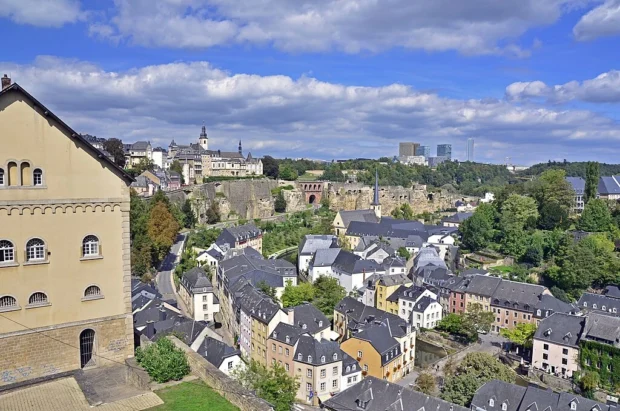
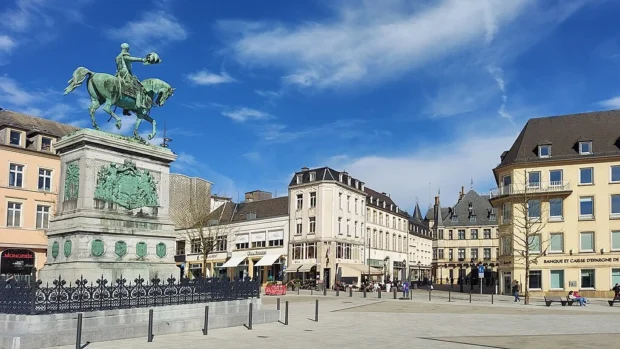
Old Town isn’t just about looks; it’s full of life. In Place Guillaume II, the main square, you’ll find open-air markets and street musicians tuning their violins. If you come on a Saturday, the smell of freshly baked Bretzel and the sound of laughter from nearby stalls will draw you in. I spent a whole morning just watching people drift between flower sellers and tiny bakeries, each moment feeling both intimate and perfectly public.
The Grand Ducal Palace: Royals and Rituals in the City Center
Just steps from the Old Town’s busiest corners, the Grand Ducal Palace stands with quiet dignity. It is the working residence of Luxembourg’s Grand Duke, with a fairy-tale exterior—think elegant turrets and creamy stonework. When I first saw the palace, I was surprised at how close you can get. You might even catch the Royal Guard’s changing ceremony, their crisp uniforms and precise steps adding a sense of tradition to the busy street.
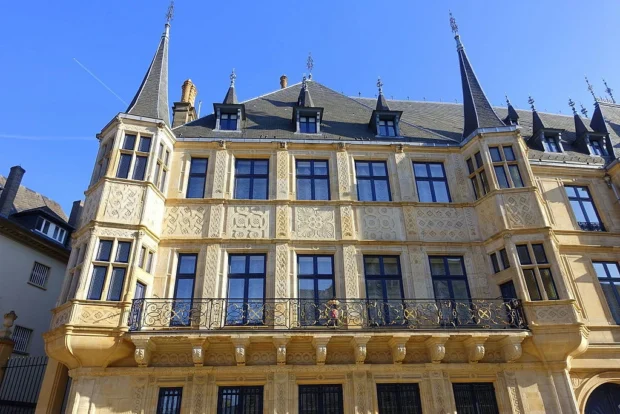
Guided tours open the Palace to visitors every summer. Inside, you can see sparkling chandeliers, gilded ceilings, and ornate furniture that reflect a style both stately and surprisingly warm. The palace itself is not huge, but every corner tells a piece of Luxembourg’s royal story. Local guides often share little-known legends, like the time the Grand Duke invited a group of musicians from the city’s philharmonic orchestra to play for a private family celebration music and monarchy are closely linked here.
Casemates du Bock: Underground Passages With Towering Views
Now, if you ask a Luxembourgish child about their favorite adventure in the city, most will mention the Casemates du Bock. These are not just tunnels; they are a maze of ancient defense passages dug deep into the cliffs, some dating back to the 1600s. I wandered inside on a cool afternoon, listening to the echo of my footsteps. The stone corridors twist and turn, sometimes opening suddenly onto astonishing viewpoints perched high over the Alzette River.
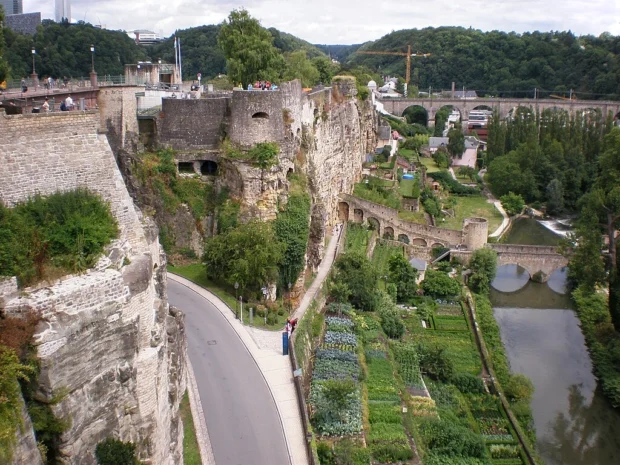
From these openings in the rock, Luxembourg spreads out below like a painted map churches, slate rooftops, and green gardens all seem close enough to touch. There’s something humbling about walking the same stone as soldiers, bakers, and townsfolk who once used these tunnels as shelter. For families, children love the sense of mystery, but even as an adult, I was caught off guard by how the light filters in through old gun embrasures, turning dust into golden flecks.
Luxembourg City History Museum and Living Memory
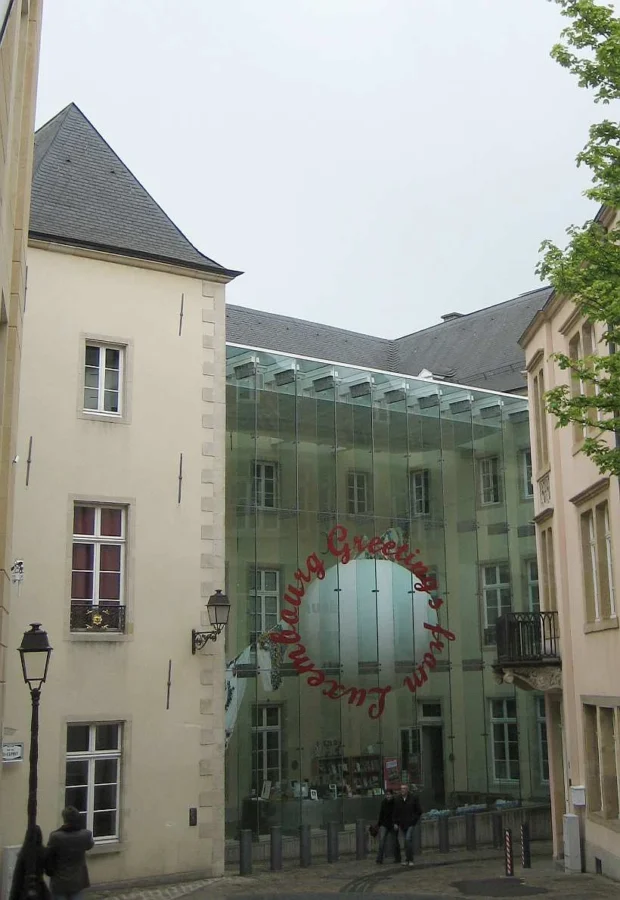
If you want to understand the heart of Luxembourg, set aside an hour or two for the Luxembourg City History Museum. It is cleverly built into four restored houses, some from the Middle Ages, and connected by a glass elevator that gives breath-taking views over the city’s layered architecture. The permanent exhibitions move from Roman times to modern day, using everyday objects shoes, postcards, even pieces of old tram tracks to tell the city’s story.
Children can play with interactive maps while adults linger over the changing displays. I was struck by how the museum quietly honors the city’s multiculturalism. One surprising fact: Luxembourg has one of Europe’s highest percentages of foreign-born residents over 40%. The museum’s staff shared how this mix shapes both cuisine and customs, giving Luxembourg a character all its own.
Philharmonie Luxembourg: Modern Architecture Meets Musical Heritage
On the Kirchberg plateau, the white pillars of Philharmonie Luxembourg rise like a forest of slender trees. This concert hall is new compared to the city’s medieval corners, but it’s become beloved for its bold shape and world-class performances. If you have a chance to attend a concert, you’ll notice how the hall is designed to wrap music around you acoustics here are famous for a reason.
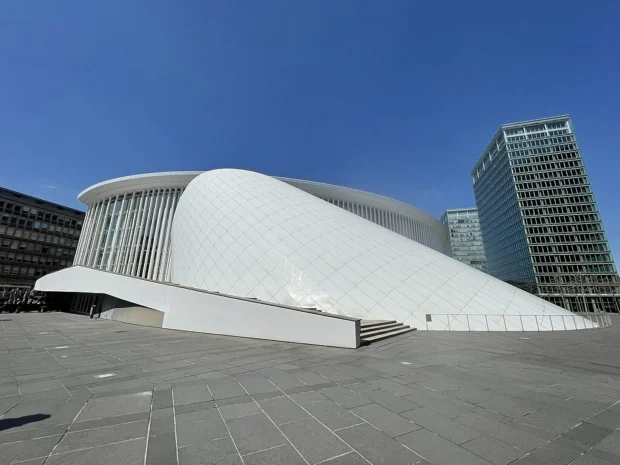
The Philharmonie’s glass and steel entrance glimmers by day and glows softly at night. Even if you don’t catch a concert, stroll by in the evening to see locals and visitors linger outside, enjoying ice cream and laughter in the summer air. Sometimes, festivals fill the plaza with food stalls and children chasing after soap bubbles; music is more than a show here, it’s part of daily life.
From Cathedrals to Contemporary Art: More Unmissable Sights
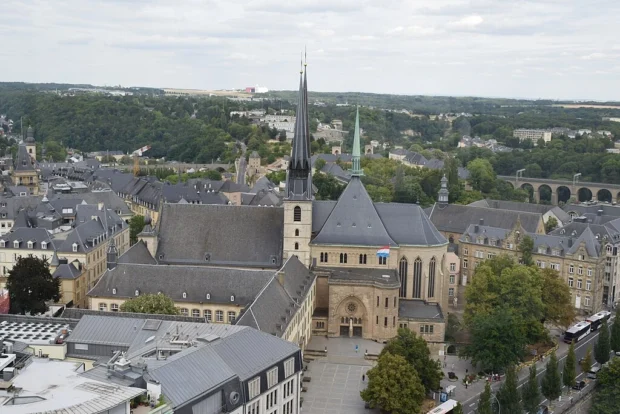
Notre-Dame Cathedral rises at the edge of the Old Town with its twisting spires and calm, cool nave. Inside, the stained glass bathes stone columns in rainbow colors. I arrived just as the organist was practicing, and the deep notes seemed to vibrate in my chest. The Cathedral hosts regular masses and quiet moments for reflection, but it’s also a favorite stop for those interested in Luxembourg’s spiritual history and the tombs of national heroes.
If you head toward the Kirchberg district, you’ll meet the sharp lines of Mudam Luxembourg, the city’s largest contemporary art museum. The building itself part glass, part limestone feels playful, filled with changing light. Inside, exhibitions shift from paintings to video art and sculpture; on weekends, families gather for creative workshops. Even if modern art is not your passion, you’ll find café tables tucked beside stained glass windows, perfect for people-watching.
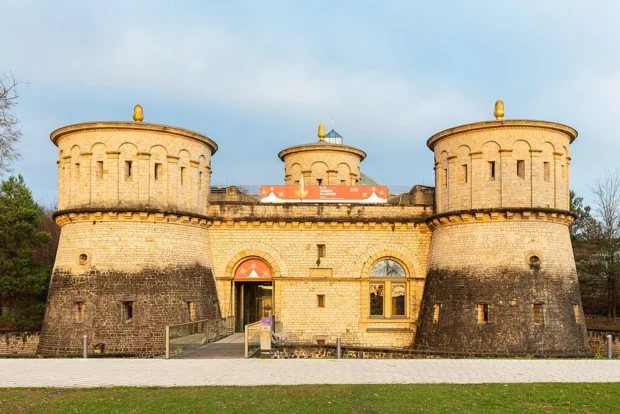
One afternoon, I took the short walk to Fort Thüngen, known as “The Three Acorns” because of its quirky rooftop turrets. The fort is surrounded by peaceful parkland and houses a museum about the city’s historic defenses. I chatted with an elderly couple who recalled childhood games played near these walls stories that reveal how the city’s many layers are still very much alive.
American Cemetery Memorial: Stillness and Remembrance
A little outside the busy city center, among sweeping lawns and rows of white crosses, lies the American Cemetery Memorial. This quiet ground is the final resting place of over 5,000 American soldiers, including General George S. Patton. I visited on a bright morning, and the tranquility stayed with me long after. The staff keep the grounds immaculate, and the air seems to carry a kind of respectful silence.

The site is open to all and there is no entrance fee. Families, school groups, and solitary visitors come to reflect on the battles that shaped modern Europe. I found it moving to see fresh flowers placed by strangers proof that memory is a living thing in Luxembourg.
Cultural Traditions, Daily Life, and Local Customs
Luxembourg’s culture is a gentle mix of French, German, and its own quiet traditions. One thing locals always say: say “Moien” as a greeting, especially in smaller shops and markets. Luxembourgers value politeness and take their time with meals, especially when enjoying Judd mat Gaardebounen (smoked pork with broad beans) in Grund, the city’s riverside quarter. Sunday is family day, with many businesses closed in the afternoon, so plan extra time for slow walks or picnics in city parks.
During annual festivals like Schueberfouer, a giant autumn fair you can taste local dishes such as Gromperekichelcher, crispy potato cakes served hot from street stalls. The city’s squares fill with laughter as people play traditional games or listen to folk music. I joined a dance circle once, led by a local teacher, and realized that Luxembourgers, though reserved at first, love to share their heritage through food and celebration.

One custom I treasure: when invited to someone’s home, it is polite to arrive a little late (not more than 15 minutes) and to bring a small gift, often flowers or chocolates. People remove their shoes inside, especially in winter, out of respect for the household. Conversations are friendly but not too personal; let topics flow naturally and you’ll notice how stories about travel, gardening, and family always find a place around the table.
Where to Stay and Getting Around
Choosing a place to stay is easy because Luxembourg City offers options for every mood. The Old Town has charming guesthouses and modern apartments tucked behind centuries-old doors. If you love quiet mornings, Grund or Clausen districts offer riverside views and gentle sounds of church bells. Business travelers often stay in Kirchberg, close to international offices but only a tram ride from history and nightlife.
Public transport is a delight here trains, trams, and city buses are all free to use inside Luxembourg, a rare surprise in Europe. If you arrive by air, Luxembourg Airport is just 8 kilometers from the city center; hop on bus line 16 and you’ll arrive at the main train station in about 25 minutes. Those arriving by train will find the main station an easy walk from the city’s heart.
As for getting lost well, I encourage it. Luxembourg City’s compact size and safe neighborhoods mean that wandering usually leads to pleasant surprises, not stress. Locals are happy to give directions (sometimes in three languages at once), and you’ll spot maps at nearly every busy corner.
Flavors of Luxembourg: Dishes That Tell a Story
Food here is both comfort and celebration. In the Grund district, riverside bistros serve Quetschentaart (plum tart) alongside mugs of coffee. In spring and autumn, markets feature local cheeses and tiny Mirabelle plums, sweet enough to eat by the handful. I watched a baker in Bonnevoie mold Bouneschlupp (green bean soup) into bowls, adding a swirl of cream for good luck.
Try Kniddelen, small Luxembourgish dumplings, served with bacon and applesauce in the old market squares. At lunch, office workers pour into Delicatessen shops for Riesling wine and trays of Feierstengszalot, a cold beef salad with pickles and onions. The city’s bakeries fill with the cinnamon-scented air of Bretzel in the lead-up to Lent; every bite is a link to old village traditions.
If you crave something sweet, visit the stalls at Place Guillaume II for a pastel-colored Macaron, or wander up to the Grund and catch the scent of roasted almonds drifting from the tiny patisseries. Luxembourg’s food is shaped by its borders but flavored by its gentle pace of life.
Practical Tips for Enjoying Luxembourg City
Traveling around is simple. Since public transport is free within the country, you’ll never need to check a timetable twice. Pedestrian streets wind everywhere, but comfortable shoes are a must the city is famous for its hills and staircases. I recommend starting early if you want photos of quiet squares or the sunrise over Petrusse Valley. In summer, bring a light jacket; weather changes quickly, and a sunny morning can turn into a cool, misty afternoon.
Luxembourg is safe and welcoming, but do watch for cyclists in the Old Town they zip along narrow lanes, ringing little bells. If you plan to visit museums or the Philharmonie, check for special exhibitions or concerts, as these can change weekly and bring extra excitement to your stay. Most sights, including the Casemates du Bock and Notre-Dame Cathedral, offer audio guides in several languages, making the city’s stories even easier to follow.
Above all, give yourself time to pause. Luxembourg’s beauty is not only in its grand buildings, but in the small moments a lemon tart with friends, sunlight on mossy stone, or the quiet pride in a local’s voice as they share their favorite story. Whether for a day or a week, let the city reveal itself to you, layer by layer.
Explorer of historic places and culinary traditions, combining landscape appreciation with food culture.
- Luxembourg Grund from Verlorenkost 01 by Cayambe on Wikimedia Commons – cc by-sa 3.0
- Luxembourg – Blick auf den Kirchberg by Guido Radig on Wikimedia Commons – cc by 3.0
- Luxembourg City – Place Guillaume II by P. Hughes on Wikimedia Commons – cc by-sa 4.0
- Grand Ducal Palace – Luxembourg City – DSC05967 by Daderot on Wikimedia Commons – cc0
- Bockfelsen Luxemburg by Roland Struwe on Wikimedia Commons – cc by-sa 3.0
- Philharmonie Luxembourg photo 5 by Alf van Beem on Wikimedia Commons – cc0
- Cathédrale Notre-Dame de Luxembourg 2019-08 –2 by Zinneke on Wikimedia Commons – cc by-sa 3.0
- American Cemetery and Memorial in Hamm, Luxembourg by Andy Dufresne & Red on Wikimedia Commons – cc0
- MHVL2008 by Zinneke on Wikimedia Commons – cc by-sa 3.0
- HipstamaticPhoto-772745753.691947 by GWeyer on Wikimedia Commons – cc by 4.0
- Fuerte Thüngen, ciudad de Luxemburgo, Luxemburgo, 2023-12-16, DD 148 by Diego Delso on Wikimedia Commons – cc by-sa 4.0


