
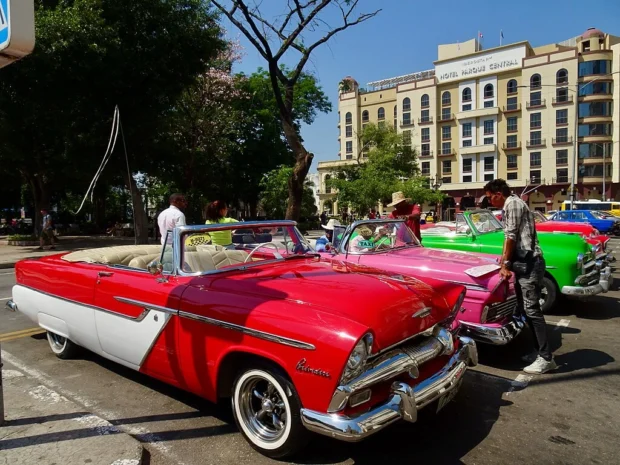
Every city is more than its postcard. Havana, Cuba, is different. She’s a city that shows her face honestly lines, laughter, and little cracks. Walk a street in Havana and you’ll feel layers: history built on hope, sadness patched with bold paint, neighbors shouting a greeting over the corroded balconies. If you land here with open eyes and ears, you won’t just see “the capital of Cuba.” Instead, Havana offers a living, breathing classroom to anyone who wants to feel what it’s like to live between the past and now.
Table of Contents
Old Havana’s Endless Stories
You can’t say you’ve been in Havana unless you visit Old Havana, or Habana Vieja as it’s called here. Walking these streets is like flipping through an old family album: corners carry secrets and buildings wear their age, sometimes proudly, sometimes shyly. The smell of coffee and paint mixes with music playing from windows. Old Havana’s stones have seen so much footsteps from pirates, merchants, poets, and baseball players.
Explore the vibrant charm of Old Havana’s timeless streets in our detailed guide to its rich culture and lively community life, Old Havana’s Colorful Streets and Timeless Energy.
Start at the official Old Havana tourism portal for maps and ideas, but wander off-track. In Plaza Vieja, kids kick a dusty football past columns in pastel blue. At Plaza de la Catedral, a wedding in full swing spills laughing friends into the square. The city’s rhythm is contagious.

The Museo Nacional de Bellas Artes hides in these streets too. It’s split as if the city wants to tell more than one story at once. The Cuban collection spills over with art born from struggle and dreams. Some sculptures are so bold they draw a small crowd; a quiet student sketches a mural from her notebook under the watchful eyes of museum guards. Sometimes you can catch temporary exhibits with living Cuban artists, eager to chat beneath the high ceilings and warm ventilation fans.

Sugar, Salt, and the Sea The Malecón
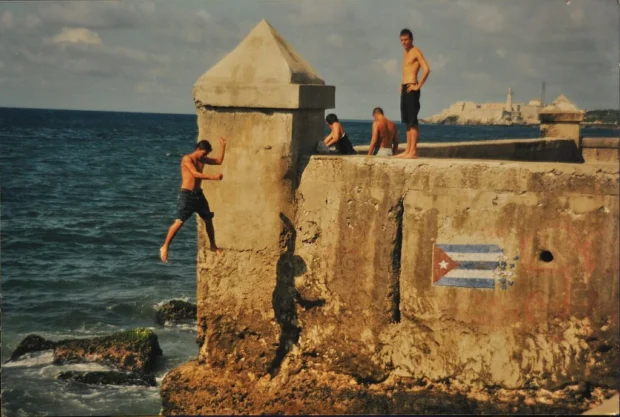
When you need to clear your head, walk north until your toes touch the battered wall that runs with the ocean the Malecón. This is Havana’s stage. In the deep blue morning, fishers perch on cracked concrete. At dusk, couples press together, sharing space with grandmothers gossiping and teenagers practicing their Spanish rap. Salt spray paints everything a little softer.
The vibrant scenes and local stories along Havana’s Malecón add another layer to understanding the city’s daily life and charm, as described in Waves and Stories Along Havana’s Malecón.
The Malecón is best at sunset. The sky flashes orange and violet, the sea mirrors it, and the city looks like a painting that’s running in the rain. Grand old cars crawl past, sometimes three men to a seat, smiles wide, music on the radio floating into the wind. Sit here on a balmy night, legs hanging above the rocks, and someone will offer a sip of rum or an off-color joke. This is diplomacy, Havana-style.
El Capitolio and Politics of Beauty
You’ll see El Capitolio’s dome long before you reach it tall, creamy, and straight from a different century. It’s Havana’s answer to the buildings of Washington, D.C., but with more drama and more stories. There are always schoolchildren standing beneath it, their uniforms neat as they laugh about nothing.
Inside, the floors shine and the ceilings seem too high for the ordinary. Guides will sometimes whisper about gold leaf mosaics and hidden tunnels, but my favorite detail is the bronze statue in the entrance La Estatua de la República. Locals say it’s among the largest indoor statues in the world. Measured by weight? Not important. Measured by pride? Immense.

Markets, Rituals, and Havana’s Living Pulse
Wander away from the main plazas and you’ll hear the market sellers their shouts mixing with exhausted laughter. Saturday finds me in the heart of Centro Habana, peering at fruit pyramids and small piles of garlic. Here, money is swapped with jokes and news of who’s sick, who’s celebrating, who needs repair work done cheap.
Cuban markets feel like a morning performance. Watch a grandmother haggle for mangoes. Notice the time people spend greeting each other. Many deals end with a handshake, sometimes even a kiss on the cheek. Smells of fresh guava and sharp vinegar drift along the aisles. If you’re brave, try a glass of guarapo the sweet, cold sugarcane juice, best sipped standing under the nearest palm shadow.
Unexpected Corners: Fusterlandia and Magical Streets
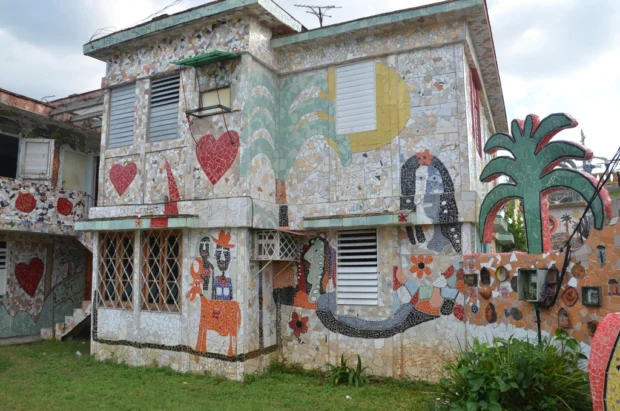
One bus ride west of central Havana and you’ll step out at what looks like a city built by a child’s dream Fusterlandia. This isn’t a tourist theme park. It’s artist José Fuster’s neighborhood, grown wild with mosaic sculptures. Whole houses roofs, walls, and even benches are covered with tile animals, faces, bright suns, and painted poems.
Everywhere you look there’s a new detail: a rooster crowing from a gatepost, a dragon curled above a front door. The neighbors, friendly and proud, smile as you wander. Some let you peek inside their homes. Everything even the air feels changed here, as if you’re walking through a living sketchbook. Kids play hide and seek behind a mosaic palm tree. A stray puppy naps at the feet of a ceramic mermaid. It’s one of the city’s unexpected joys.
Havana’s Flavors: Where to Eat Cuban Specialties
Cubans will tell you with straight faces that their real specialty is “inventing” making something delicious from whatever is lying around. Still, certain flavors are tied to districts. In Centro Habana, you’ll find thin, crispy pizzas served on scrap paper by the window. A few blocks deeper into Vedado, past leafy avenues and grand old mansions, comes the smell of lechón (roast pork) and yuca.
Don’t skip La Bodeguita del Medio. Some say Hemingway drank a hundred mojitos here. It’s crowded of course but if you squeeze past the camera flashes, you’ll see regulars scrawling names onto the wall. The bartenders move like dancers, mint in one hand, glass in the other. Watch how they press all that chaos into a perfect mojito: not too sweet, never too watery.

For dessert, look for timba guava paste with white cheese sold by old men on bicycles. They relax under royal palm trees, handing out slices still cold from the morning’s block of ice. It’s the taste of Havana in one bite: sharp, soft, unexpected.
Gran Teatro, Night Life, and Music on the Wind
Music in Havana is not just for tourists. It’s for everyone. By night, follow the pulse of the drums and you’ll end up at the steps of the Gran Teatro de La Habana. The building shines with white lights and hums with anticipation. Inside, velvet curtains and chandeliers frame performances sometimes ballet, sometimes spontaneous concerts. Even if you don’t buy a ticket, watch couples gather on the marble steps just to hear echoes of the orchestra inside.

Some nights, the city squares fill with salsa. Ordinary people hair undone, shoes in hand form a quick circle. Someone begins a song with a battered guitar. The dancing is never perfect, but it is always alive. Stand close enough and you’ll feel the music in your chest.
Parks, Fortresses, and Wide Open Spaces
On mornings when the city feels too busy, slip into Jardín Botánico Nacional, Havana’s quietest green lungs. Paths here wander under banyan trees, across bridges, past orchids sweating in the heat. You’ll see lovers in hushed corners, school children learning every Latin name for flowers. In the Japanese Garden, koi fish ripple under wooden arcs. For a moment, the city’s noise fades and only the birds remain.
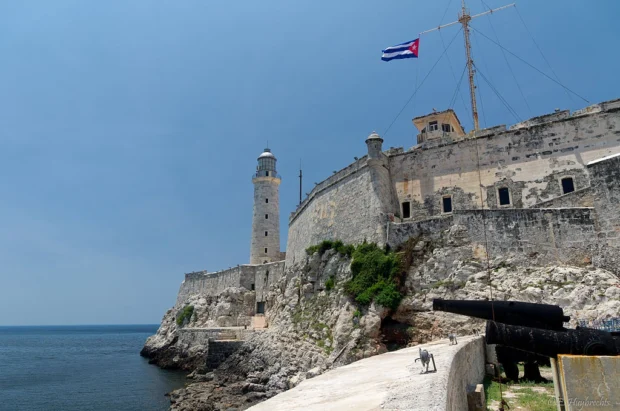
No stay in Havana is complete without a breath of sea air at Castillo del Morro, the stone fortress that has guarded the harbor for centuries. Climb up towards its lighthouse and feel the wind tug at your hat (it will, every time). Pirates once prowled here. At sunset, soldiers in crisp old uniforms perform the cannon firing a daily ritual. Tourists and locals stand shoulder to shoulder, plugging their ears, heartbeats in time with the ancient ceremony.
Where to Stay in Havana: A Neighborhood Guide
Havana’s hostels and lodgings are mostly in homes called “casas particulares.” They’re everywhere: tight alleys, busy boulevards, garden-filled courtyards. Neighbors may peek through the curtains as you arrive but soon wave hello. Hosts often serve strong coffee and quiet advice about which ice cream parlor will be open in the heat.
For easy strolls to key museums and restaurants, Old Havana is ideal. If you want peace and tree-filled avenues, Vedado is your place. Centro Habana, somewhat worn and noisy, offers slices of everyday life and is closest to the biggest markets. Miramar, farther west, is leafy and calm with stretches of embassies and schoolyards. Sleep here and you’ll awake to birdsong, not street musicians.
Customs, Quirks, and Everyday Etiquette
In Havana, greetings matter. Shake hands firmly, look into the person’s eyes, and smile. Cubans appreciate curious travelers who ask questions about their lives, but avoid talking about politics unless your local friend brings it up first. When someone offers coffee, it’s more than a drink accepting means you’re part of the conversation, even if words are few.
People here speak Spanish fast and with laughter. Don’t worry if you don’t catch every word. Gestures fill in gaps where language fails. If you are taking street photos, ask permission with a nod or a smile most people will answer with a proud “sí” and sometimes a story about their grandfather who once danced with Nat King Cole, or their cousin who sells candies down by the Malecón.
Practical Transport and Getting Around Havana
Landing at José Martí International Airport, you will find a crowd of excited reunions and suitcases rolling across tiled floors. For transport into the city center, use the official airport shuttle bus there’s a kiosk in the arrivals hall. Buses run every 30-40 minutes. They drop you at the Parque Central area, which is a good base for walking to most museums and the Malecón.
Inside the city, old American cars, called “almendrones,” serve as shared taxis along main roads, but the public bus is cheaper and gives you a closer feel for local life. Bus stops may seem chaotic, but asking the person beside you usually works better than searching for signs. For short distances, nothing beats your own two feet this is a city that rewards wandering.
Havana’s Living Myths and Small Surprises
Havana is a place where legends are born small, then grow with each telling. There’s the story about invisible tunnels under El Capitolio, once used by cigar smugglers. Some say during summer storms, Old Havana’s streets fill with crabs the real reason locals leap from wet doorways at dusk. Neighborhood musicians boast their band once played for the president, or was it just his cousin?
Walk past Plaza de la Revolución, and the giant faces of Che Guevara and Camilo Cienfuegos stare from government buildings. The open square is so wide, sometimes it feels empty, but stand in the middle and close your eyes you can almost hear the echo of a million voices from past rallies and concerts. In small moments, even the silence feels crowded.

There’s no perfect way to know Havana. Each person finds their own city painted, sung, tasted, touched. For those who walk with patience and a little flexibility, Havana rewards you with curiosity returned, and imperfections that feel like true beauty.
Discover Miami’s vibrant energy and coastal charm through its colors, sounds, and streets in our guide on drifting along Miami’s shores and streets.
Photographer and writer capturing life through people’s stories and candid street moments.
- Havana (Cuba, February 2023) – 37 by Bruno Rijsman on Wikimedia Commons – cc by-sa 2.0
- Havana (Cuba, February 2023) – 27 by Bruno Rijsman on Wikimedia Commons – cc by-sa 2.0
- Museo Nacional de Bellas Artes 20160312 by Aniol on Wikimedia Commons – cc by-sa 4.0
- Jumping off the Malecon in Havana Cuba by Mennonot on Wikimedia Commons – cc by-sa 3.0
- El Capitolio Havana Cuba by Nigel Pacquette on Wikimedia Commons – cc by-sa 3.0
- The neighborhood around the studio of Jose Fuster (11741186355) by Joe Ross from Lansing, Michigan on Wikimedia Commons – cc by-sa 2.0
- Bodeguita del medio 1 by Luis Alvaz on Wikimedia Commons – cc by-sa 4.0
- Gran Teatro de La Habana (Jan 2014) by Gorupdebesanez on Wikimedia Commons – cc by-sa 3.0
- Castillo de los Tres Reyes del Morro, Cuba (5982087446) by Emmanuel Huybrechts from Laval, Canada on Wikimedia Commons – cc by 2.0
- Havana (Cuba, February 2023) – 106 by Bruno Rijsman on Wikimedia Commons – cc by-sa 2.0
_-_37.jpg)
_-_27.jpg)


.jpg)

.jpg)
.jpg)
_-_106.jpg)