

Arriving in Punta Cana feels like stepping into a painter’s daydream a place where sunlight paints dazzling colors on water and sand, and breezes carry whispers from another era. While many travelers long for the classic Caribbean postcard, Punta Cana, on the eastern edge of the Dominican Republic, greets you not with hustle but with warmth and the gentle buzz of Dominican rhythms. Here, I set out with curiosity, ready to trace the cultural heartbeat behind the beaches, and discover the details only the open-minded notice.
Table of Contents
Bavaro Beach: More Than Sun and Sand
If you search “Punta Cana,” you will likely see Bavaro Beach first and for good reason. The sand here is almost white, fine as flour, and I quickly learned why locals prefer to take their morning walks early a light mist rises, and the beach glows in soft pink and golden light. The water is clear and shallow; you can wade for what feels like forever. What I found surprising was the gentle hum of Dominican merengue from beach cafés and how easy it is to chat with new friends about everything from baseball to mango season. At Bavaro, there’s a small coral reef close to shore. Some days, you’ll see a fisherman with a handline no fancy rod and friendly dogs chasing the foam and children toting kites shaped like parrots.

Walking beyond the hotel areas, you may stumble upon groups playing dominoes under palm trees a pastime as loved here as cricket in England or chess in Russia. Early one afternoon, I watched a family celebrate a birthday right on the sand, sharing slices of bizcocho (Dominican cake with guava filling) while waves played background music. You won’t find loud sellers on Bavaro. Instead, there’s a calm respect for everyone’s day in the sun.
Wild Secrets of Scape Park
Leave the beaches for a morning and Punta Cana’s “wild side” waits at Scape Park in Cap Cana. This adventure eco-park is much more than a playground—you’ll find caves, zip-lines, ancient Taino pictographs, and lush gardens alive with butterflies. What’s playful is how smooth the transition feels: from the roar of new adventure to the hush of wild forest. I hiked up a limestone path and found a local guide named Emilio sketching the patterns of a rare orchid. “We learn from nature,” he told me, “and we protect what we love.” That line still echoes in my mind.
For those seeking a dash of history, the petroglyph caves (said to be hundreds of years old) tell silent stories of the island’s first people, the Taino just ask anyone at Scape Park, and you’ll get a quick history lesson with a smile. Sometimes, in the stillness before the crowds arrive, it’s possible to hear the flutter of bats overhead or the pop of ripe berries falling in the jungle. A little mystery in the Caribbean sun.
Blue Depths: The Hoyo Azul Sinkhole
You’d never guess from above that just behind the tropical forest waits Hoyo Azul, Punta Cana’s “blue hole.” Tucked in a cave at the bottom of a cliff, Hoyo Azul is a deep natural pool so blue it looks unreal. The local lore says the color comes from the minerals in the limestone, mixing with sunlight and shadows it is a hue you won’t find in paint or on postcards, only here. To reach the pool you’ll follow a wooden walkway, stepping under tall trees and past vines that dangle like green curtains.

Arriving, I watched a group of teenagers cheer as their friend leapt from a low ledge into the water, the splash echoing in the cool shadows below. The water is cool even on the hottest day; it’s a favorite place for locals and visitors to take a break from the Caribbean heat. I chatted with a retired teacher from Santo Domingo who visits on weekends. “This is our secret place for peace,” she told me, smiling. These moments a hush, a burst of laughter, the surprise that cold water brings stay with you long after you leave Hoyo Azul.
Paradise Found: Saona Island’s Calm Magic
Many who visit Punta Cana dream of Saona Island, and after the boat trip southwest from town, I understood why. Saona is part of a protected national park, so the island’s beaches seem untouched by time. The coconut trees grow wild and thick, shell collectors wander quietly, and fishermen mend nets beside boats that look barely large enough for the waves.
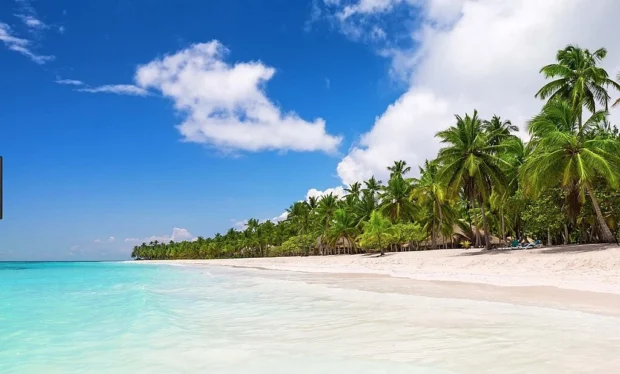
I joined a family on the sand as they grilled fish and toasted each other with fresh coconut water. Saona is famous for its natural pool waist-deep crystal blue water filled with tiny starfish. Some tourists swim with care not to disturb these creatures, others simply float in silence under impossibly blue sky. Locals will tell you Saona is where “the sea meets the soul” a phrase I heard more than once, always delivered with a knowing wink. It’s a place where it’s easy to lose track of time and to watch the flying fish while listening to stories from generations past.
From Ancient Roots: Indigenous Eyes Ecological Park
In contrast to the busy beaches, Indigenous Eyes Ecological Park (Parque Ojos Indígenas) remains a sanctuary for birds, butterflies, and quiet thoughts. The park is a private reserve of forests, lagoons, and old trees with twisted roots. Its dozen freshwater lagoons, called “eyes” because of their shape, are filled with cool, clear water and hidden in green shade. I listened to a ranger explaining that the Taino, the first people on this island, once believed spirits rested in these pools.
You can follow easy trails to five of the lagoons two are open for swimming, cool relief after a stroll in the heat. One afternoon, I watched a group of local schoolchildren on a field trip, giggling as they learned the names of native trees. The rangers care deeply for the land, teaching visitors about conservation and letting nature tell its own story. If you feel restless for a day without crowds, Indigenous Eyes is a place to see birds, turtles, and water so clear you can count every pebble beneath your toes.
Waves, Wisdom, and Simple Joy at Macao Beach
Macao Beach offers a contrast to Punta Cana’s more polished spots fewer hotels, wilder waves, and a relaxed rhythm loved by younger locals. It’s one of the only beaches where surfing is popular, and I loved watching the morning “surf class” with locals teaching kids to paddle out and ride the small but steady waves. Unlike Bavaro, Macao’s sand is slightly darker and the palms a little denser. Some days, you might see horses being brought down to the water for a cool drink, or kids using coconut husks as makeshift sand sleds.
On weekends, many Dominican families drive out with pots of sancocho stew, playing bachata from radios that skip and buzz. Macao feels honest full of laughter, sandy feet, and simple food. I joined a group eating pescado frito (fried fish) fresh from the sea, served with tostones (fried plantains) and lime. Local cooks will tell you their secrets: a pinch of sazón, the right oil, and only fish caught that morning. For anyone searching for a little spontaneity, Macao makes it easy to find.
Culture, Rituals, and Everyday Habits: Punta Cana Life
Perhaps more than sights, what sets Punta Cana apart are its daily rituals and gentle customs. Here, greetings matter. People share a handshake or hug, even with new acquaintances. Often, you’ll hear “buen provecho” (enjoy your meal) called out in cafés to strangers it’s a small gesture of connection, rooted in the Dominican spirit of sharing.
Music is everywhere in markets, beaches, buses. Merengue and bachata are played not for tourists but for everyone. Dancing is not “a show” but part of life. I saw children spinning hand in hand beside abuelos (grandparents), learning steps older than the country itself. In Cap Cana’s local market, I met a craftsman making traditional maracas by hand. He tapped the wooden shell gently and nodded: “We keep the beat going, siempre.”
One visitor I spoke with was surprised by the respectful informality. “People are polite but never stiff. There’s an ease here,” she said. That’s true Dominicans rarely rush, believing a slow pace brings clarity. They value sharing stories and laughter more than exact timekeeping. A small don’t: It’s wise not to complain loudly about slow service enjoy the calm, try a cup of chinola (passionfruit) juice from a side street, and watch daily life pass slowly.
Marine Encounters and Water Stories
Water shapes much of Punta Cana’s identity, not just as a backdrop for photos but as a stage for close encounters. At Dolphin Explorer, animal lovers can meet dolphins and manatees up close, learning about protection and rehabilitation. This is not just a tourist show but part of a continuing conversation about animal welfare and marine life. Punta Cana’s marinas especially Cap Cana Marina buzz with stories of old fishermen, yacht travelers, and visiting researchers. Sometimes, the water seems to connect communities from around the island and the world.
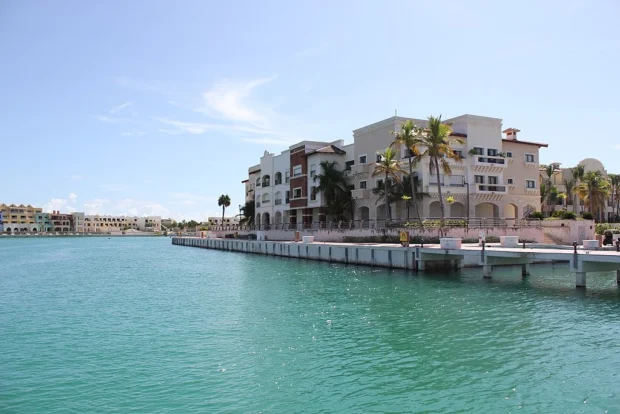
On one dock, I met a pair of brothers who organize small boat trips for visitors, eager to share the sea’s mysteries. They enjoy telling tales about storms, lost anchors, and the old days when pirates hid on nearby beaches. For those interested in history, the nearby Latin Caribbean Museum at Punta Cana brings the region’s culture to life, with artifacts from long-lost shipwrecks and insights into the foods, beliefs, and music of the Greater Antilles. Spend an hour here and you’ll leave thirstier for stories and local knowledge than rum cocktails.
Daily Logistics: Movement, Stays, and Eats
Most vistors arrive at Punta Cana International Airport—less than a 20-minute drive to most beachfront areas. Punta Cana is not a city with streetcars or subways but wake early enough and you’ll see colorful minivans called “gua-guas” carrying workers and students. For going small distances along the resort strip or into nearby villages, public minibuses are the fastest way. For adventurous souls, renting a bicycle gives a breezy taste of local rhythms—just watch for potholes after the rain!
Accommodations come in every flavor peaceful resorts by the sea, small family-run guesthouses, and friendly bed-and-breakfasts tucked away from the crowds. Staying with a Dominican family, even for one night, is the best way to hear stories, try grandma’s rice and beans, and pick up jokes in Spanish. The resorts often offer music evenings and food tastings featuring sancocho, stewed goat, and tres leches cake a sweet, milky classic.
If you love food traditions, wander into Verón’s local restaurants for steaming plates of mofongo (mashed plantains, garlic, and pork skin), crispy empanadas filled with chicken or cheese, and big glasses of morir soñando (an icy drink made with orange juice and milk). There’s a bit of Haitian influence in the richer, spicier stews and at market stalls, a cheerful debate over who makes the best chicharrón or arepa dulce.
Everyday Festivals and Small Surprises
Festivals in Punta Cana are rooted in music, family, and joyful competition. If you hear drums and laughter during your visit, step closer you’re probably near a local parade or spontaneous street dance. Every January to March, the “carnaval” period brings out costumes, painted masks, and food booths selling pastelitos (small pies) filled with beef or cheese. Some evenings on Bavaro or Macao Beach, you’ll catch a fireside gathering: locals strumming guitars, singing bittersweet songs, and telling stories older than any resort. I once joined a midnight drum circle led by a fisherman who claimed his ancestor escaped from pirates who am I to doubt?
Small details left lasting memories: the way young boys compete to climb the smoothest coconut palm, old men playing homemade guitars, or the hush at sunset when everyone tourist and local alike turns to watch a sky painted in impossible colors. Punta Cana invites you not to rush, not to collect “sights,” but to collect these living moments and share your own stories in return.
No single photo can capture the feeling of salt air and friendliness that drifts through every corner. In Punta Cana, history hides in lagoons, wisdom washes up on the sand, and every handshake is a reminder: let your senses wander, your pace slow, and your heart stay just a little bit open to surprise.
Traveler exploring cultural intersections, sharing reflections on similarities and differences between traditions, lifestyles, and food.
- Punta Cana, Dominican Republic – panoramio (65) by Максим Улитин on Wikimedia Commons – cc by 3.0
- Playa Bavaro by Andreas Volkmer on Wikimedia Commons – cc by 2.5
- Hoyo Azul Punta Cana Dominican Republic People by https://www.flickr.com/photos/asw909/ on Wikimedia Commons – cc by 2.0
- DominicanRepublic-Saona-Island-3-1600×965 by Reynaldo Anibal on Wikimedia Commons – cc by-sa 4.0
- Cap Cana Marina Dominican Republic by https://www.flickr.com/photos/uira/ on Wikimedia Commons – cc by-sa 2.0
.jpg)


