

Tallinn, the capital of Estonia, is a city where medieval towers brush up against bold, modern lines. The past and the present blend under the open sky, making Tallinn’s Old Town one of Europe’s best preserved medieval city centers, and a dream for anyone who loves history, culture, and good food. As the cool northern breeze carries scents of fresh pastries and pine, life here moves at a gentle but vibrant pace. Tallinn’s fairy-tale streets, ancient walls, and a culture shaped by centuries of trade especially along the Baltic Sea invite every visitor into a world of stories and small surprises.
Table of Contents

First Steps in Tallinn: Arrival and Getting Around
Arriving in Tallinn is straightforward. Lennart Meri Tallinn Airport sits only about 4 kilometers from the city center. From there, a modern tram system connects the airport directly with the heart of the Old Town in about 15 minutes. The trams are clean, punctual, and easy to navigate. You’ll need to buy a ticket from a machine or via the local mobile app, which is available in English. No taxi is necessary as public transport is reliable and safe.
Estonians tend to value privacy and personal space, so when riding the tram or bus, keep your voice down and respect others’ quiet. A simple “Tere!” (hello) can open up a warm exchange. People dress neatly but not too formally layers are a must for the Northern climate.
Stepping Into Tallinn Old Town
The heart of Tallinn is its Old Town, a UNESCO World Heritage site. Enclosed by thick medieval walls and dotted with fairytale towers, stepping inside the gates here feels like joining a living legend. Cobbled streets wind between stone warehouses, merchant homes, and towers, each with a tale or myth attached. Locals say that every lane has its own ghost or secret. The Hanseatic League a powerful trade network that connected Northern Europe for centuries was once based here, making Tallinn a crucial port for salt, grains, and furs. You can sense echoes of the past in every archway and lantern.
For a deeper walk through its cobblestone streets and rich medieval stories, visit Wandering Through Tallinn Old Town Streets and Stories.
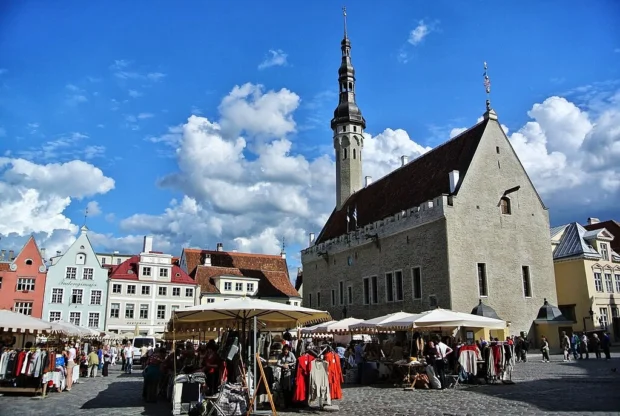
Walking along Pikk Street, one of the oldest trading arteries, I stopped at the Town Hall Square Raekoja plats. It is the heart of city life, surrounded by pastel-colored merchant houses and the oldest continuously operating pharmacy in Europe. The square hosts cheerful markets in every season, from bright flower stalls in spring to the famous Christmas market, where gingerbread rules. It’s a perfect place for people-watching while sipping kohv (coffee) at a street café, or for tasting traditional marzipan sweets.
Historic Heights: Toompea Castle and Alexander Nevsky Cathedral
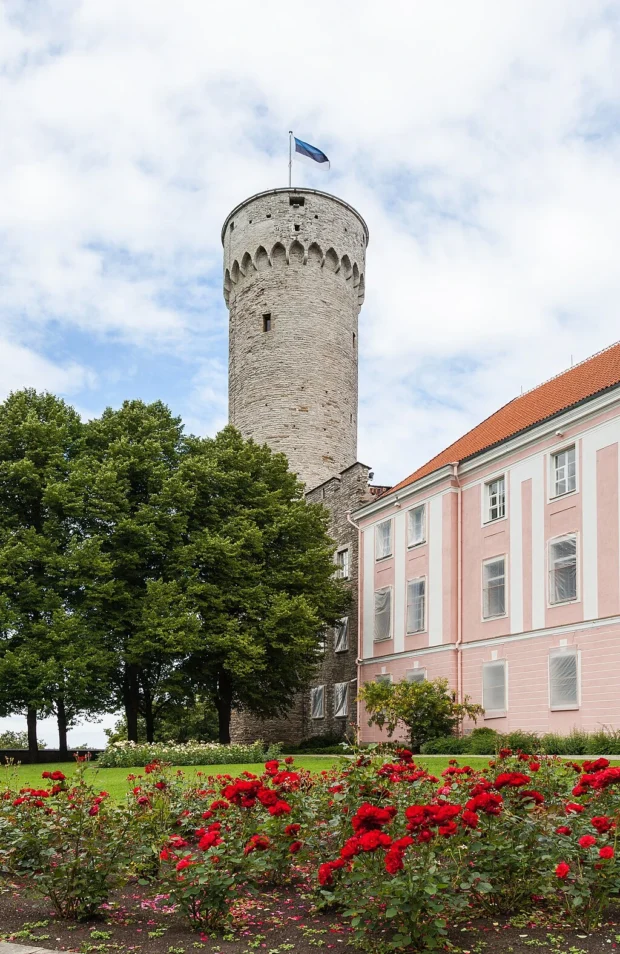
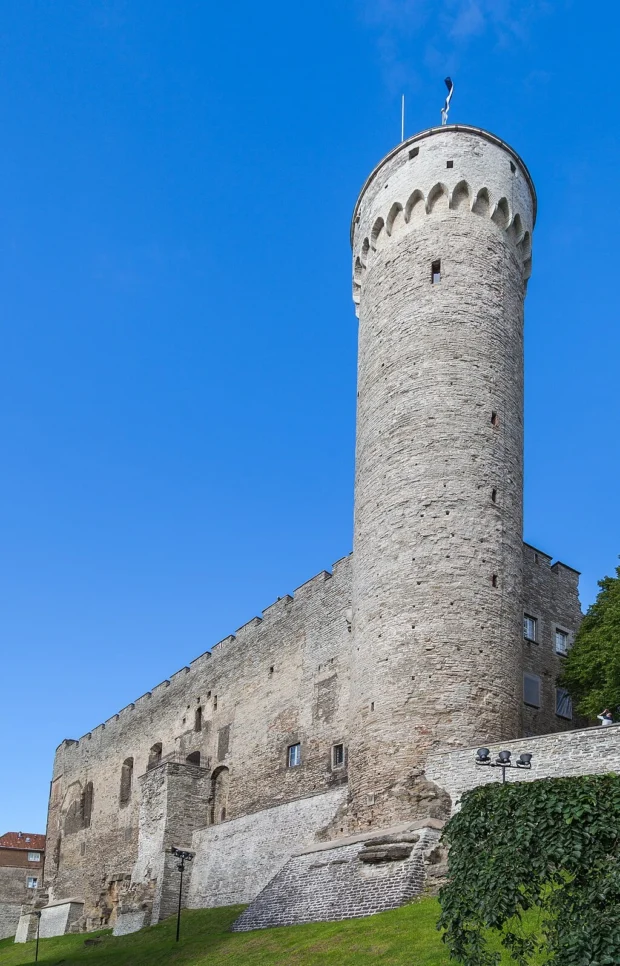
Rising above the Old Town on a limestone hill stands Toompea Castle, a symbol of Estonian power for centuries. This fortress has seen Danish knights, Swedish governors, Russian tsars, and now houses Estonia’s Parliament. The pink-and-white Baroque façade is elegant, but walk around the back and you find the ancient grey walls, marked with cannonballs and history. The centuries-old Pikk Hermann Tower soars above, its blue-black-white Estonian flag waving in the wind. Every morning, as the flag is raised to the sound of the national anthem, locals gather at the square—a quiet daily ritual of pride.
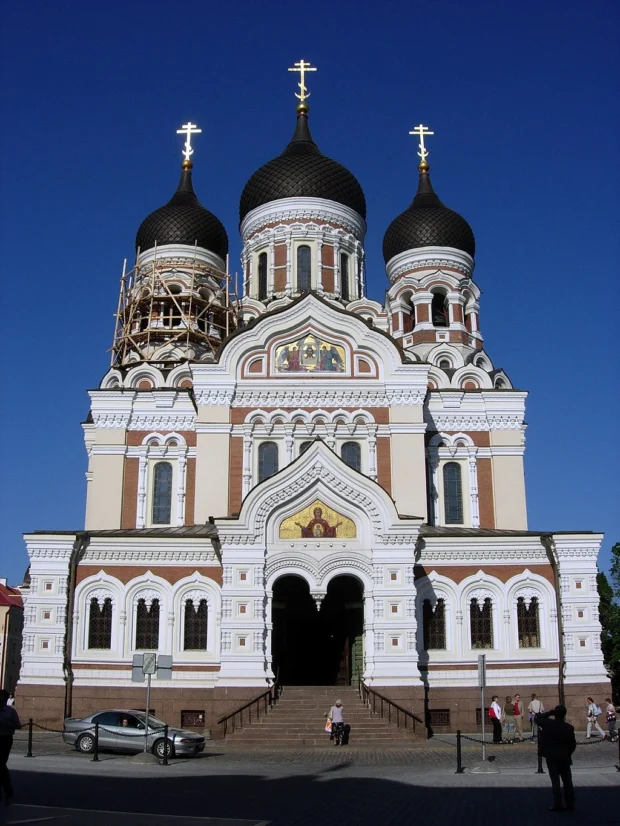
Just across the cobbles stands the Alexander Nevsky Cathedral, the grand onion-domed Orthodox icon that dominates the skyline. In the early morning, you might hear bells ringing for matins. Inside, the air is thick with incense, golden icons, and whispered prayers a tranquil space that glimmers with light from hundreds of candles. The cathedral is still an important place for Estonia’s Russian-speaking community, especially on feast days and celebrations.
To complement your journey through Tallinn’s rich medieval charm, stroll through Sofia Bulgaria, where golden domes and lively markets offer a fresh historic and cultural vibe Sofia Bulgaria Awaits.
Kadriorg Palace and the Green Heart of Tallinn
A short tram ride east brings you to Kadriorg a leafy district famous for its imperial park and the star attraction, Kadriorg Palace. Built by Peter the Great for his wife Catherine, this 18th-century pink-and-white palace stands surrounded by manicured gardens, fountains, and chestnut trees. The palace now houses the foreign art collection of the Estonian Art Museum, and the rooms glow with chandeliers, silk wallpaper, and baroque paintings. During my walk through the gardens, I met a retired schoolteacher who explained that locals love to stroll the scented lime-tree avenues and feed breadcrumbs to the ducks in spring. She taught me to say “Aitäh!” (thank you) the right word to show politeness here.

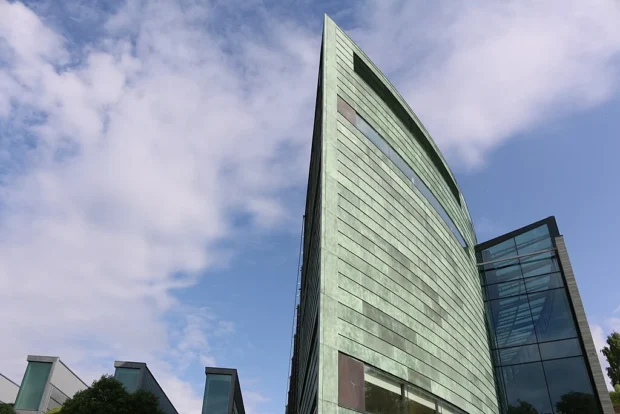
Neighboring the palace, the Kumu Art Museum is Estonia’s largest and most innovative gallery. Its curved, stone-and-glass architecture rises from the hillside like a modernist sculpture, displaying everything from medieval altar pieces to daring new media installations. Students gather on the steps with sketch pads, and visiting families pause at the café for poppyseed cake another local treat.
Secrets Beneath the City and Coastal Surprises
Tallinn’s history goes deeper than what’s visible above ground. Under its streets are hidden tunnels, some dating back to the 17th century, built to defend against Swedish and Russian attacks. The Kiek in de Kök cannon tower guards an entrance to these passages take a guided tour for a mysterious perspective on city history, from storied sieges to Cold War hideouts.
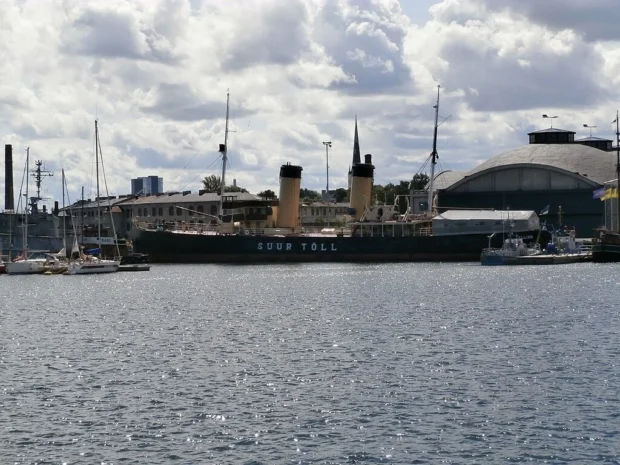
Heading north, the city opens towards the Baltic Sea. The Seaplane Harbour Museum, built in a huge concrete hangar, was once a feat of Tsarist engineering. Today, it’s an interactive wonderland climb aboard a real submarine, steer a ship’s wheel, or view naval models charting Estonia’s maritime past. Shipbuilding and sea trade have shaped Tallinn for centuries, making this a fascinating stop for lovers of all things nautical.
For those fascinated by maritime heritage, the Vasa Museum in Stockholm offers a unique look at a 17th-century warship preserved through centuries.
Reaching for the Sky: TV Tower Tallinn and St. Olaf’s Church
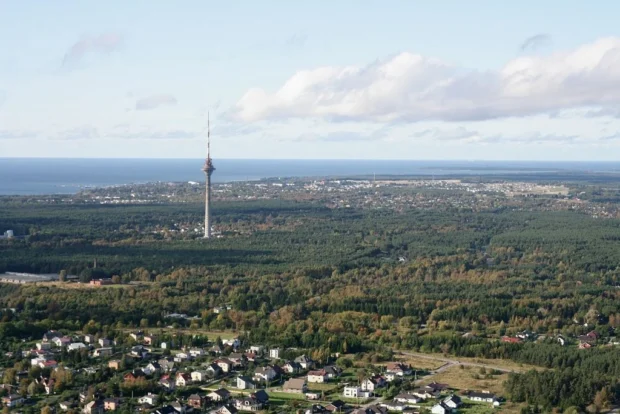
If you want the best views of Tallinn and its coastline, you have two very different options. The first is TV Tower Tallinn, a dramatic spike that rises 314 meters to the clouds. Its observation deck gives a sweeping panorama on a clear day, you might see the Finnish coast. The daring can try the ‘walk on the edge’ feature, clipped safely to rails outside the glass. Locals say the tower’s construction in 1980 marked Estonia’s modern era a symbol of reaching beyond old boundaries.
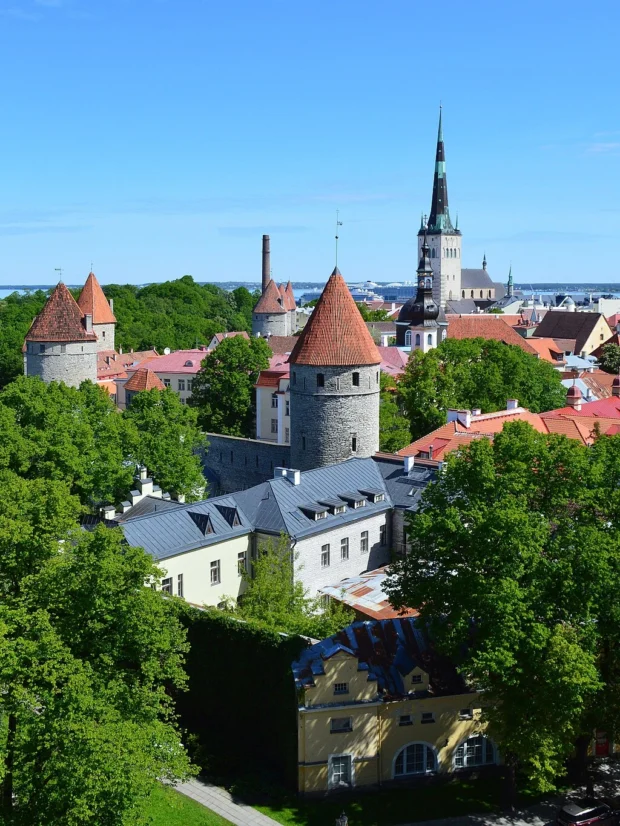
Back in the Old Town, St. Olaf’s Church offers a far older but equally dramatic climb. For centuries its spire was the tallest in Europe, and sailors used it as a guide into the port. Step inside to see soaring gothic arches, then climb the winding stairs to the viewing platform. The city’s red rooftops, narrow streets, and the blue sea stretch beneath you a postcard-perfect scene.
Everyday Life and Warm Cafés Where to Stay and Eat
Tallinn is compact, so choosing where to stay depends on your taste. The Old Town is the most atmospheric, with guesthouses in historic buildings, some dating back 600 years. For quieter nights, leafy Kadriorg has lovely inns nestled among parks. In Kalamaja, the hipster-chic district north of the city center, renovated wooden houses and warehouse hotels attract younger travelers, with street art and creative studios all around.
Estonia’s culinary heritage is rooted in both peasant tradition and Hanseatic trade. In the Old Town, try leivasupp a sweet bread soup served warm, perfect for cold days. At market halls in Kalamaja, smoked fish and handmade rye bread are favorite snacks. A local grandmother in the market taught me to say “Palun!” (please) when asking for a slice of pirukas flaky pastry filled with mushrooms or meat. In the evenings, many restaurants serve elk stew, herring with potatoes, and wild berry desserts simple, robust, and always filling.
Vegan and vegetarian cafes have sprung up recently, catering to every diet. In the Telliskivi Creative City district, I found a bustling food hall with street foods from every corner of the world, where you can see café owners chatting over coffee after lunch hours. Kombucha and craft beers are popular, often made right in Tallinn.
Traditions, Customs, and the Friendly Estonian Spirit
Estonians might seem reserved at first, but kindness runs deep here. Inviting guests for coffee or cake is an important social ritual. If someone offers you fresh black bread or pastries in their home, accept with a smile it’s considered polite. Some locals speak very good English, but learning a few words of Estonian, such as “Tere!” (hello), “Palun!” (please), and “Aitäh!” (thank you), will always earn a smile.
Table manners are simple don’t start eating until everyone is served, and keep your hands visible on the table. When in a sauna, which is very popular in Estonia, wear a towel and follow the local’s lead. People admire punctuality here, so arriving on time for any meeting is a mark of respect.
Markets, Crafts, and Maritime Heritage
Tallinn’s markets and handicraft shops are windows into its past. At the Masters’ Courtyard, small studios cluster around a cobbled square ceramicists, wool spinners, and silversmiths share stories as they work. I bought a hand-painted wooden spoon, hearing how each design follows an inherited pattern from Saaremaa Island. Wander the Balti Jaama Turg market for Estonian honey, mushrooms, and hand-lathed birch bowls, or simply to watch the hum of daily life unfold.
For heritage fans, Tallinn’s railway station and nearby former industrial area tell the story of trade routes stretching to Russia and beyond. The station, which still connects with St. Petersburg, was once a busy hub for merchants and travelers. Today, artisanal bakeries and design shops fill old warehouses, blending history with new energy.
A Last Look: Tallinn’s Living Heritage
Tallinn is more than its stunning medieval towers and cobbled squares. It is a city alive with myths, memories, and the creative drive of its people. At sunset, as the light turns golden and the city’s rooftops begin to glow, you can hear church bells mingling with music from open windows. Visit during one of the many folk festivals and you’ll see Tallinn’s love of song and dance traditions that survived Soviet times and now flourish in public squares.
Whether you’re strolling ancient streets, savoring wild honey, or chatting with a local baker, every moment in Tallinn feels like stepping into a living story. With every step, we become part of Estonia’s long tradition of quiet welcome and proud independence. Tallinn waits, a crossroads of history and hope at the edge of the Baltic Sea, offering the invitation: “Tere tulemast!” welcome.
Eastern Europe travel specialist uncovering hidden gems from the Baltics to the Balkans.
- Catedral de Alejandro Nevsky, Tallin, Estonia, 2012-08-11, DD 46 by Diego Delso on Wikimedia Commons – cc by-sa 3.0
- Architectural Detail – Old Town – Tallinn – Estonia – 08 (36025645646) by Adam Jones on Wikimedia Commons – cc by-sa 2.0
- Old Town of Tallinn, Tallinn, Estonia – panoramio (42) by Ben Bender on Wikimedia Commons – cc by-sa 3.0
- Pikk Hermann, Tallin, Estonia, 2012-08-05, DD 08 by Diego Delso on Wikimedia Commons – cc by-sa 3.0
- Pikk Hermann, Tallin, Estonia, 2012-08-11, DD 13 by Diego Delso on Wikimedia Commons – cc by-sa 3.0
- Alexander Nevsky Cathedral by Samuli Lintula User:Samulili on Wikimedia Commons – cc by 2.5
- Kadriorg, Tallinn, Estonia – panoramio (32) by bynyalcin on Wikimedia Commons – cc by 3.0
- KUMU Eesti Kunstimuuseum 21 by FrDr on Wikimedia Commons – cc by-sa 4.0
- Suur To'll at Quay in Lennusadam in Tallinn 2 July 2013 by Pjotr Mahhonin on Wikimedia Commons – cc by-sa 3.0
- EU-EE-Tallinn-Pirita by Digger on Wikimedia Commons – cc by-sa 3.0
- Tallinn Landmarks 02 by Scotch Mist on Wikimedia Commons – cc by-sa 4.0

.jpg)
.jpg)


.jpg)


