

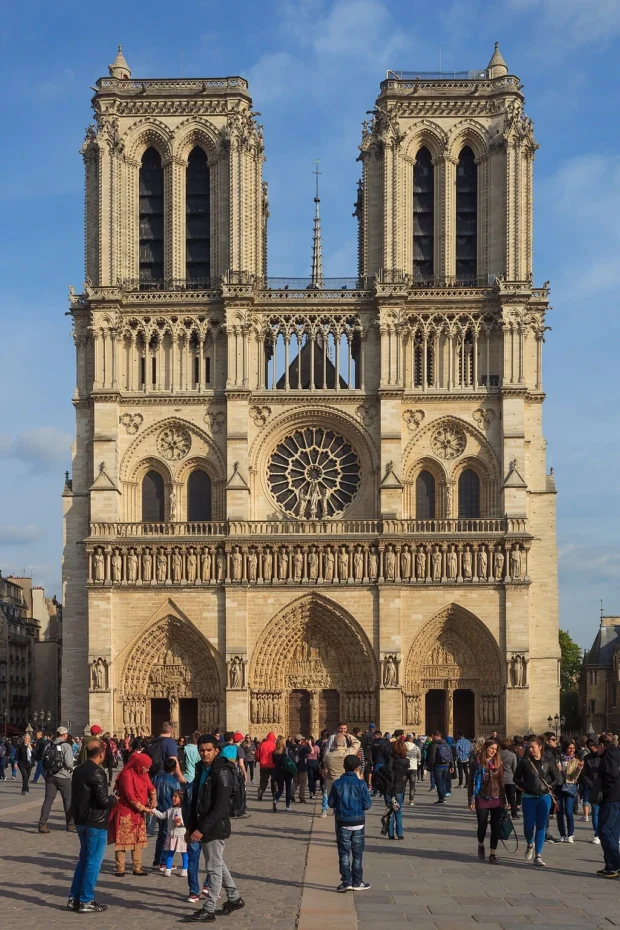
Paris, France, holds many jewels, yet few match the blend of artistry, history, and spiritual grandeur of Notre-Dame Cathedral. This iconic monument stands at the heart of Paris, an irreplaceable piece of Gothic architecture attracting countless admirers. For anyone drawn to architectural photography, sacred sites, or European heritage, a visit here unlocks pages of history etched in stone and glass. Understanding the context, preparing well, and knowing how to get there enhance the fascination exponentially.
Table of Contents
How to Reach Notre-Dame from Paris and Beyond
Notre-Dame Cathedral occupies Île de la Cité, a natural island in the Seine river running through Paris. Its central location makes it remarkably accessible by various transport options.
Transportation Options
- Metro: The closest metro stations are Cité (Line 4) and Saint-Michel (Lines 4 and RER B, C). Both lead you within minutes on foot.
- Bus: Several bus lines have stops near the island: lines 21, 38, 47, 85, and 96.
- From Airports and Stations: Charles de Gaulle Airport connects to central Paris via RER B train terminating at Saint-Michel Notre-Dame station, an easy route for travelers.
- Walking: Arriving on foot through the historic Latin Quarter or from the Louvre adds a romantic layer to your approach.
Nearby accommodations range from charming boutique options nestled in winding streets to larger nearby hotels with Seine views. After a long day marveling at the cathedral, a stroll to cafés offering classic French fare such as croque monsieur or crêpes can soothe your wanderlust.
The Tale Stone Tells: Notre-Dame’s Rich Historical Layers
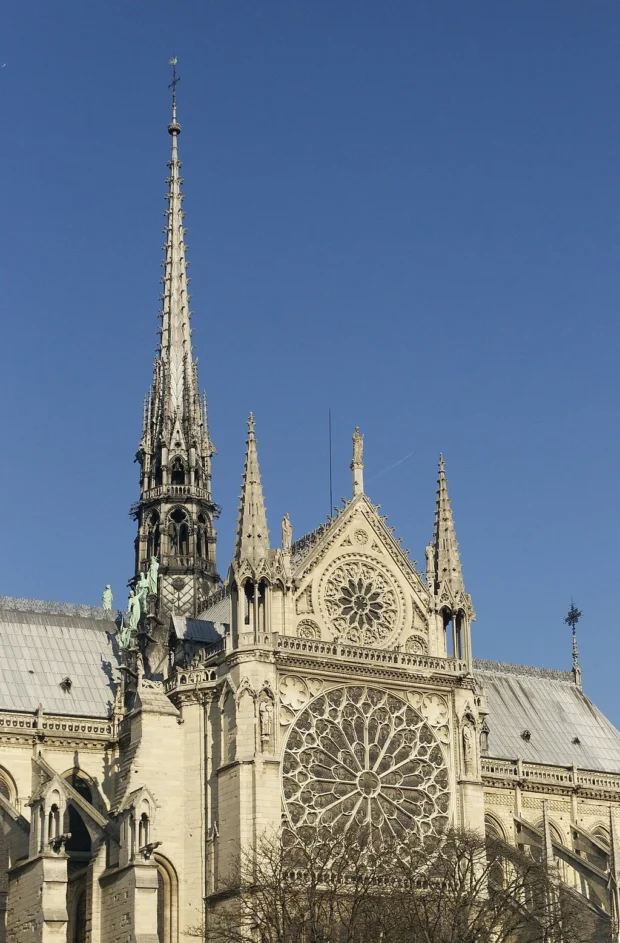
Construction on Notre-Dame began in 1163 under Bishop Maurice de Sully, aiming to create a grand cathedral reflecting divine order on earth through architecture. Over more than two centuries, builders laboriously transformed this Gothic vision. Flying buttresses, ribbed vaults, and towering spires symbolize the evolving medieval engineering daring to stretch stone heavenwards.

Notre-Dame witnessed coronations, revolutions, and restorations. It became a backdrop for Victor Hugo’s famous novel, which helped revive interest in its decaying grandeur during the 19th century. Although the tragic 2019 fire damaged the roof and spire, much of its stone structure and treasured artifacts survived, promising restoration to its former glory.
Best Times to Visit to Evade Crowds and Capture Light
To truly appreciate Notre-Dame’s intricate facade and interior details without large crowds, timing matters greatly.
- Early Mornings on Weekdays: Arrive just after opening hours for peaceful light suitable for photography and quiet contemplation.
- Off-Peak Seasons: Late autumn and winter months offer fewer visitors, but dress warmly as it can be chilly.
- Lighting Notes: Morning sun emphasizes sculptural reliefs on the west front. Late afternoon casts long shadows inside, highlighting the stained glass’s kaleidoscopic colors.
Be mindful that special services and ceremonies may restrict visitor access, though attending a mass can provide a deeply spiritual experience.
Admission, Tours, and Booking Essentials
Currently, entry to the cathedral nave itself is free, inviting all to admire its soaring vaults and craftsmanship. However, climbing the towers or visiting the crypt generally requires tickets.
With restoration progressing, certain areas might remain closed or have limited access. Booking guided tours or audio guides enhances understanding of the numerous statues, gargoyles, and theological symbolism embedded throughout.
Reservations are recommended to avoid long lines, especially during high seasons or holidays. Tickets and official information can be found on the cathedral’s own website, which also provides updates about reopening phases and special events. Visit the Notre-Dame homepage to plan your visit with exact details and official news. All tours are conducted with strict respect for the ongoing restoration work, ensuring safety and preservation.
Architectural Elements Worth Close Study
Admiring Notre-Dame’s architecture is a lesson in harmony and innovation. Notice the flying buttresses, engineering marvels dispersing roof weight and allowing vast stained glass windows. The rose windows, delicate tracery housing biblical scenes in vivid glass, speak to craftsmanship blending storytelling with light.
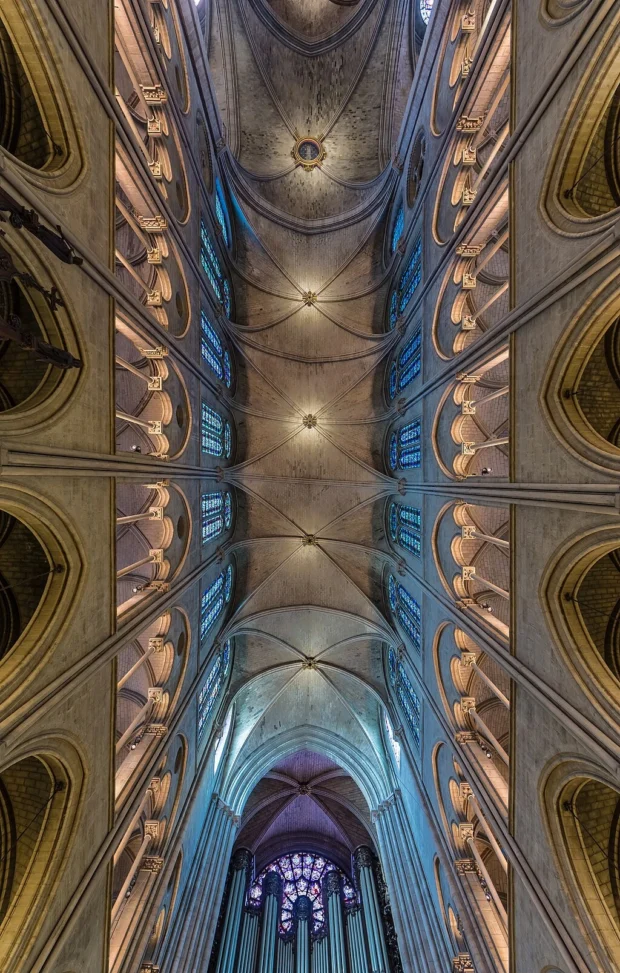
Inside, the nave’s pointed arches and clustered columns create vertical rhythms that lead your gaze heavenwards, embodying the Gothic ideal of transcending earthly constraints through structure. The subtle asymmetry caused by centuries of repairs gives it a human touch, as if the building itself is breathing history.
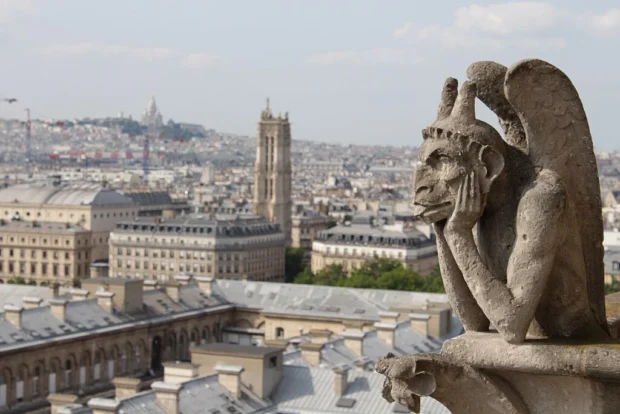
Crafted Guardians: Gargoyles and Chimeras
Their grotesque forms serve both decorative and practical drainage functions. Over time, these mythical stone sentinels have inspired artists and photographers alike, their quirky personalities often missed in rushed visits.
Nearby Culinary Delights and Restful Stays
After exploring the cathedral’s solemn beauty, indulge in nearby bistros offering French classics such as coq au vin or ratatouille. Street cafés along Rue Saint-Louis-en-l’Île provide refreshing spots to observe Parisian life flowing by the Seine.
For rest, accommodations in the Latin Quarter and around the Marais district offer authentic ambience, blending traditional architecture with modern comforts perfect for reflecting on your Notre-Dame experience.
Final Thoughts on Visiting Notre-Dame Cathedral
Notre-Dame stands as a testimony to human devotion, artistic mastery, and the persistent march of history carved in stone. Its silhouette punctuates the Paris skyline like a musical note in an epic symphony. Whether your eye is drawn to the engineering genius of flying buttresses, the stained glass’s color play, or the layers of history etched in every detail, this cathedral offers endless fascination. Approach with patience and curiosity, and you will leave with more than photographs you will carry memories steeped in centuries of human creativity and spirit.
For a full Parisian cultural experience, consider a visit to the Louvre Museum with its magnificent art and historic architecture Louvre Museum.
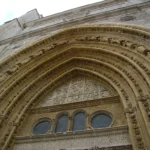
- Notre-Dame de Paris 2013-07-24 by P e z i on Wikimedia Commons – cc by-sa 3.0
- 04-2017. Notre-Dame de Paris-71 by Luis Miguel Bugallo Sánchez (Lmbuga) on Wikimedia Commons – cc by-sa 4.0
- Cathédrale Notre-Dame de Paris, 20 March 2014 by DXR on Wikimedia Commons – cc by-sa 3.0
- Paris Notre-Dame Vaults 01 by Uoaei1 on Wikimedia Commons – cc by-sa 4.0
- Flèche et rosace transept sud Notre-Dame de Paris by Jebulon on Wikimedia Commons – cc0
- Chimera of Notre-Dame de Paris by Noemiseh91 on Wikimedia Commons – cc by-sa 4.0


