
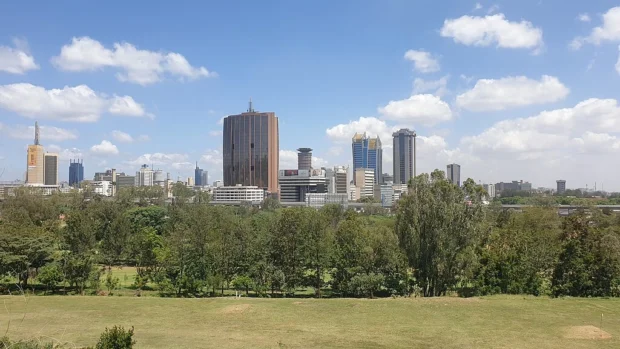
Nairobi is a city where wild animals and city life live surprisingly close. High-rise buildings press into the sky, but green parks and market crowds roll between them. Some say Nairobi is a place where time rushes yet pauses one minute you’re watching lions through tall grass, the next, you’re deciding between a chapati or samosa at a metal street food cart. I lived here long enough to watch the city’s patterns and walk its uneven rhythms. Nairobi is both sharp edges and gentle laughter modern, African, noisy, honest. It is a city for those who seek not just photographs, but conversations with a place and its people.
Table of Contents
Nairobi National Park’s Wild Grace Near the City
The first thing people often imagine when thinking about Kenya is perhaps a lion under acacia trees or a giraffe’s neck bending over the grass. Nairobi gives you this just twenty minutes from downtown. Nairobi National Park sits on the city’s edge one of the only wildlife parks in the world close to a capital. Sometimes, I’d stand at the park’s southern fence and watch a family of zebra walk while, behind them, the city’s office towers stretched up. There’s something unreal about watching rhinos graze with traffic in the distance. The park is not huge, but seeing lions or buffalo in shadow of skyscrapers makes you question where real wilderness ends and the city begins.

Early mornings are the most magical low light, long shadows, the birds are busy, and impala leap away from dew on the grass. I once joined a school group, and their giggles filled the air as they spotted a nursery of ostrich chicks. Paths wind through open savannah, acacia groves, and small rivers. The air smells of dry earth and green bush, with a note of city dust. Even after many visits, Nairobi National Park was never just a regular outing it was a reminder that wild spaces can live close to city life if you let them.
Meeting Giants at David Sheldrick Wildlife Trust
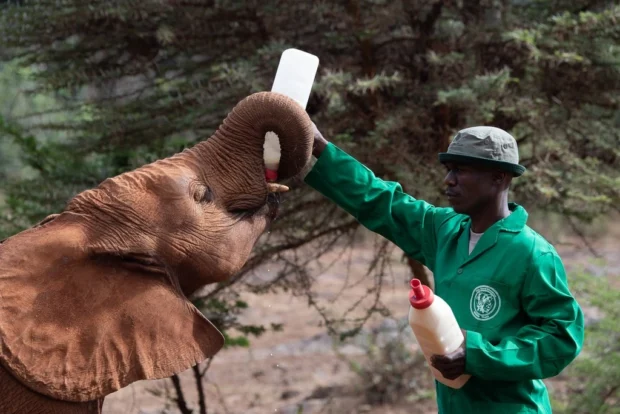
If elephants have stories, you’ll hear them here. The David Sheldrick Wildlife Trust is a place for orphaned baby elephants, usually found after they are separated from their families. I used to visit many weekends, always amazed at how elephant personalities can be as strong as people’s. The keepers gather visitors in a circle while leading in tiny elephants, their trunks reaching, ears flapping. Each one has a rescue story: a calf found stuck in mud, another saved after poachers frightened its herd. Nairobi can sometimes feel busy, but in this place, time pauses for hope and care. You’ll notice the deep bonds between keepers and elephants. The youngest orphans have trouble with the gigantic milk bottles, splashing milk over their faces. The Trust lets you see not just African wildlife, but also the gentle human work of rescue. It is emotional, hopeful, and worth waiting in line for the 11 a.m. public feeding hour. Sometimes, I thought the elephants seemed to smile, and the tourists always left quieter than they arrived.
Giraffe Centre’s Gentle Encounters
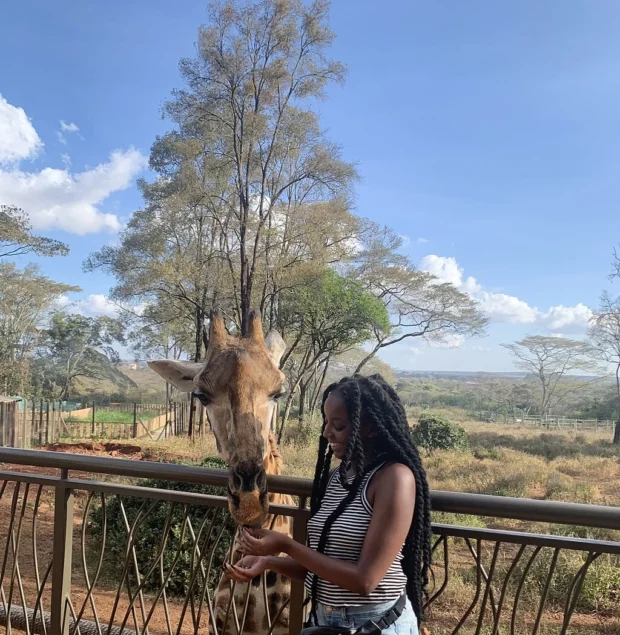
Another postcard moment waits at the Giraffe Centre. Rothschild’s giraffes tall, with white legs and long eyes are protected here. You can feed them pellets from a viewing deck. The first time a giraffe’s tongue curled around my palm, it felt like rough silk. Schoolchildren from Nairobi often visit, and the Centre is also an education spot for locals. Giraffes move slowly and seem to measure time differently. Against the noise of city traffic, the calm faces of these animals make you slow down, too. I once saw a giraffe ‘kiss’ a giggling teenager, and for the rest of the day, her friends teased her about it. There’s a quiet pride here about these tall animals no cages, just space and trees and the low, sleepy hum of the city beyond.
City Life, Markets, and Collective Rituals
But Nairobi is never just parks and animals. The markets like City Market or Maasai Market overflow with fabrics, beads, carved wood, and laughter. Rows of open stalls show every color: purple kangas printed with Swahili proverbs, red Maasai shukas, green baskets braided from sisal. At Maasai Market, bargaining is a ritual, part drama, part dance. Ask the price, smile, answer in basic Swahili (“Bei gani?”), and enjoy the back-and-forth. Sometimes, both sides pretend to be tough but end laughing, shaking hands. Street vendors carve soapstone or twist copper wire in fast, practiced moves, and there’s a rhythm of friendly shouts “Karibu!” means welcome.
I once shared a bench with a young basket-maker. She explained how her grandmother taught her weaving, using traditions from a small village near Lake Victoria. In these markets, you will find not just goods but Nairobi’s best storytellers. Each bracelet or sculpture comes with a family history and a place name. You can wander for hours, following smells of roasting maize, sweet mandazi bread, or spicy nyama choma (roast meat) sizzling on coals.
Food from Nairobi’s Streets to Cozy Districts
Nairobi’s food changes by district and hour. For breakfast, most Kenyans like chai milky tea with sugar and a basic bread called mandazi, like a soft doughnut. At sunrise, kiosks on Moi Avenue pour tea into metal cups and wrap mandazis in old papers. Lunchtime means ugali (a white maize bread) with sukuma wiki, a green vegetable, sometimes a bit of beef stew. Westlands and Kilimani districts, busy and youthful, offer more: pilau rice, fried fish matched with kachumbari (onion-tomato salad), or delicate chapati swirled on iron pans.
For lunch, you can buy spicy samosas from small stands or join office workers eating Kenyan-style fried chicken, crispy and hot. Street food is social someone always jokes as you order, and sometimes, strangers share their favorite street cook’s names. In Eastleigh, Nairobi’s Somali district, you’ll find strong coffee and sambusas (thin-shelled cousins of the Indian samosa). Down narrow alleys, I once tried mutura, a spiced sausage made right on the street. It is not for the shy cooks use little charcoal grills, smoke fills the road, and the flavor is strong, peppery, a bit wild, like the city itself. Dinner hours are slower. At open-air joints, nyama choma arrives in big wooden trays, juicy and earthy. Kenyans eat with hands, sharing stories with every bite.
Getting Around Nairobi City
Arriving by air means landing at Jomo Kenyatta International Airport, a busy place with lines of buses and vans called matatus. These mini-buses are Nairobi’s veins they race up Uhuru Highway, colors flashing, music blaring, drivers grumbling about traffic or singing Kikuyu pop songs. Matatus are part transport, part moving art painted with cartoon heroes or Bob Marley faces. They take you from airport to city center, past crowds of boda bodas (motorbikes for hire) weaving through traffic, and ambitious hawkers selling everything from roasted peanuts to phone chargers at each traffic stop. You can also reach the city by train from Mombasa. The Nairobi Railway Museum next to the station is worth a look with its old steam engines and stories of the ‘Lunatic Line,’ as the British called the first railway. The rails tied this city to the world, but also brought struggles and successes.

Within the city, I mostly walked or used matatus and city buses. Traffic is famous yes, it’s bad, but you learn to make peace with it. I’d often fill slow rides with conversation; a university student might tell you about exams, an old man might share village stories or last night’s soccer scores. Nairobi’s roads never let you feel alone. Even the chaos can feel like company.
History, Museums, and Myths
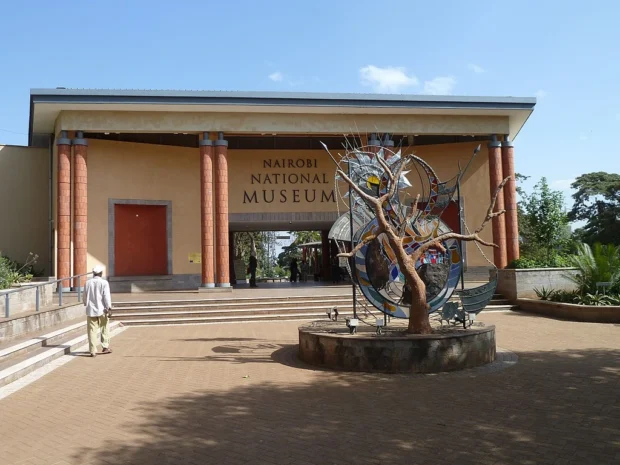
The Nairobi National Museum is a place to pause and look backward. Its halls connect Kenya’s ethnic histories, with displays from Maasai beadwork to a cast of “Lucy,” the famous hominid. The museum isn’t fancy, but it is honest—a mosaic floor, quiet corners for reading Swahili poetry, and cabinets full of musical instruments from different communities. Children stare up at the painted birds of Kenya, and birdsong plays over the loudspeakers, mixing with real music drifting in from the parking lot drummers. If you have time, step next door to the Snake Park—short paths wind through cages and tanks, with pythons lazily sunbathing or cobras hiding behind glass. It’s part education, part old Nairobi fun; boys dare each other to touch a crocodile’s scaly tail, then jump back, laughing

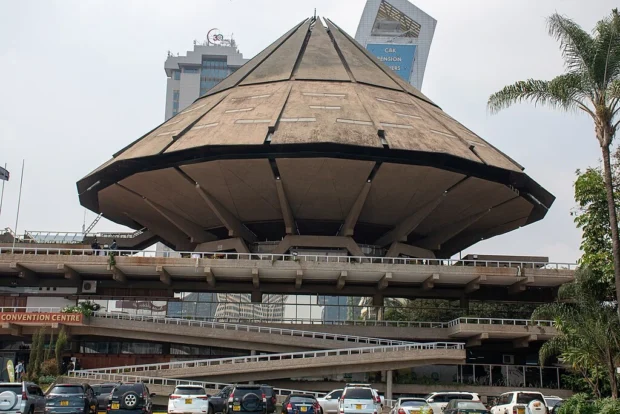
Nairobi’s Kenyatta International Conference Centre rises like a UFO, its round saucer top visible from most corners of downtown. When I worked nearby, I’d take lunch breaks to visit the observation deck you see downtown’s stalls, green parks, and the bushland edge all at once. The city’s red roofs and shining glass hang somewhere between past and present.
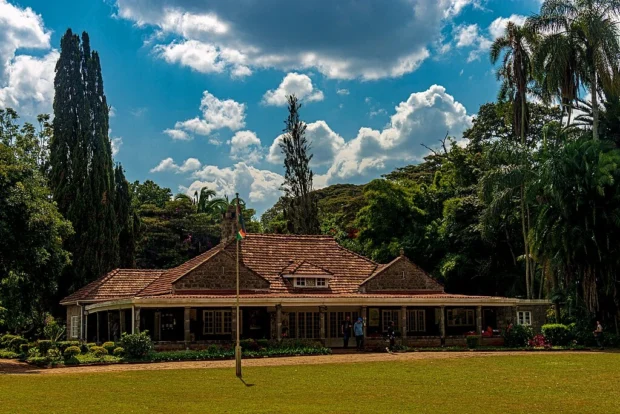
For a different view of the city’s colonial story, there’s the Karen Blixen Museum her old farmhouse sits among green hills. Karen was a Danish writer whose memoir, “Out of Africa,” introduced Kenya’s beauty to the world. The house is quiet, with big trees and an old chair where I was told she sometimes planned her stories. Nearby, you’ll find the Kazuri Beads Women’s Cooperative a lively workshop of clay, color, and laughter. I once joined a group of women shaping beads and singing quiet hymns while molding red, yellow, and blue. The Kazuri co-op began to give single mothers income. Now, their jewelry travels far beyond Kenya, but you still feel the handwork and hope in each bead.
Folklore, Festivals, and City Beats
Sundays in Nairobi often start with music church choirs fill the morning air, and each neighborhood shapes its noise. In Gikuyu or Swahili, you hear stories sung as songs. Nairobi is home to many communities: Kikuyu, Luo, Somali, Asian, Luhya. Each one has its own foods, holidays, and dances, but the city creates new traditions out of these layers. On national holidays, like Madaraka Day, parades march past city parks, and school bands blast brass music while spectators wave flags and munch roasted corn. I once joined strangers for a Swahili taarab concert in a pub accordion, lutes, singers in bright kanzu robes and left with new friends and the memory of a song about a fisherman’s longing. Music and storytelling travel together in Nairobi, whether at modern clubs in Westlands or open-air bars near Dandora’s old train line.
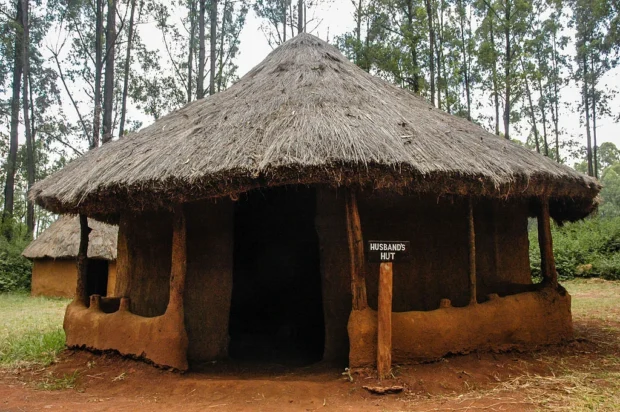
Festivals bring together different Nairobi styles: the Nairobi International Trade Fair, busy with livestock and farm machines, or the Storymoja Festival, where poets read under big tents and kids clap along. “Bomas of Kenya” is another gathering point part museum, part performance stage, showing dances and music from each region. I watched a group of Maasai dancers leap past my height, bells tied around their ankles, telling old herding stories through rhythm. Old and young join these shows; applause and swaying merge until the line between performer and audience blurs.
Where to Stay and When to Wander
Nairobi’s accommodations stretch from busy city center guesthouses, good for business travelers, to quiet rooms in leafy suburbs like Karen or Lavington. Many find peace in neighborhoods shaded by old flame trees and jacarandas, where birds chatter at dawn. Apartment rentals are common, and sometimes, hosts will point you to secret street food corners or quiet walking trails. Nairobi is not a city for only “sights” but for mood; if you can, rise early for the morning light markets burst awake, city parks open cool and quiet, while traffic fills slowly. Late afternoons are best for slow market browsing or tea in an outdoor café, listening to city news and arguments, always half-joking, half-wise.
Culture, Etiquette, and Nairobi’s Everyday Spirit
Nairobi is soft and wild at once, a city of fast change and deep roots. There are a few things to remember: Kenyans value greetings you should say “Jambo” (Hello) or “Habari” (How are you?) to shopkeepers or bus drivers. People are proud of their language, especially Swahili, and will teach you a phrase if you ask. When invited into a home, accept a drink or snack hospitality is important. Don’t rush; rushing is city necessity, but friendship moves more slowly. If someone asks for your story, share it, and you will hear another in return. Most Kenyans dress smart in town collared shirts, neat dresses especially for work or church. Casual is fine elsewhere, but “presentable” is the city’s quiet rule.
There are don’ts, too: avoid talking politics unless you know the company, and never point at people it’s considered impolite. Watch for fake guides at major sites trust only official staff with clear badges or uniforms. If unsure, ask another local. The rest is common sense: listen as much as you talk, and be open to Nairobi’s mixed rhythms.
Final Words: Nairobi’s Sound and Color
If I had to name Nairobi’s true “sight,” it would not fit in a guidebook. It is the sun on corrugated rooftops, voices haggling in open air, a matatu radio playing three languages at once, the slight sweetness of mahamri bread, and the silent watch of giraffes beside a city. Nairobi is not shy it hands you its stories directly, through markets and city streets, music and animal parks. Come with patience, curiosity, and an open ear. Leave with stories richer than your photographs, and maybe, as I did, a desire to return for another sunrise above the city’s red earth and green dreams.
Traveler exploring cultural intersections, sharing reflections on similarities and differences between traditions, lifestyles, and food.
- Nairobi's Central Business District Landmark Skyscrapers. by Tall Black on Wikimedia Commons – cc by-sa 4.0
- Betty a giraffe at Giraffe center Nairobi with a happy tourist by Mlisa15 on Wikimedia Commons – cc by-sa 4.0
- Nairobi Railway Museum reception entrance by Sam Wilson (taken with Samsung Galaxy S21 FE 5G) on Wikimedia Commons – cc by-sa 4.0
- Nairobi National Museum dinosaur 01 by KrgThis photo was taken by Karl Ragnar Gjertsen. Please credit this photo Karl Ragnar Gjertsen in the immediate vicinity of the image. on Wikimedia Commons – cc by-sa 3.0
- Nairobi National Museum – panoramio by Toppazz on Wikimedia Commons – cc by 3.0
- Kenyatta International Convention Centre – BugWarp (5) by BugWarp on Wikimedia Commons – cc by-sa 4.0
- Karen Blixen House and Museum, Nairobi, KE by Daniel Case on Wikimedia Commons – cc by-sa 4.0
- Lukya village 03 by Alexander Leisser on Wikimedia Commons – cc by-sa 4.0


.jpg)

