
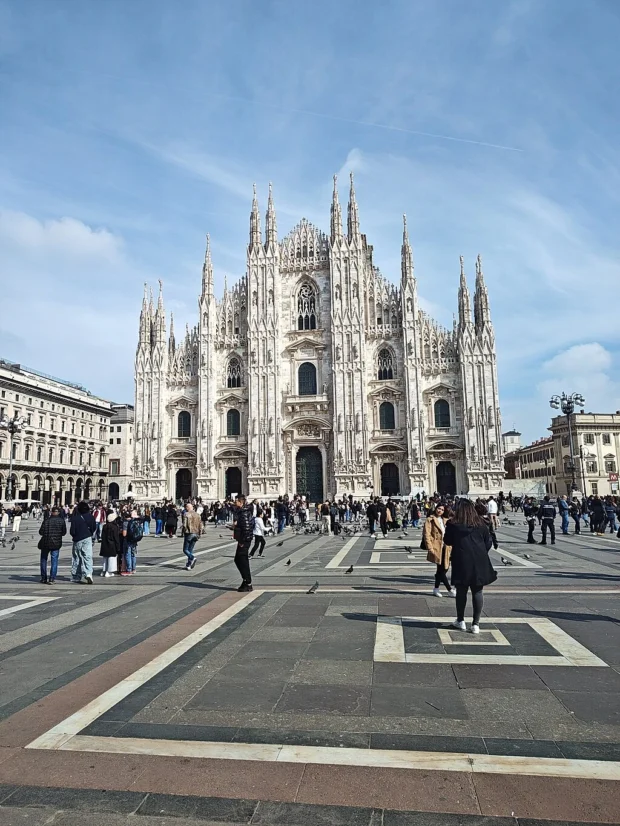
In the heart of Milan, Italy, the Duomo di Milano stands as a masterpiece of Gothic architecture and a beacon of Milanese identity. Visiting this majestic cathedral offers a profound encounter with centuries of artistic evolution, meticulous craftsmanship, and urban heritage. For those seeking to admire its soaring spires, delicate statues, and intricate facade, understanding the Duomo’s place within Milan’s urban fabric and how to best experience it is essential.
Table of Contents

Approaching Milan’s Duomo: Directions and Transport Insights
Reaching the Duomo is straightforward thanks to Milan’s efficient public transport network. From the city center or main train station, visitors can easily hop on the M1 (red) or M3 (yellow) metro lines, both converging at the Duomo station, right beneath Piazza del Duomo. This central location makes it accessible within minutes of arrival in Milan.
If arriving from Malpensa Airport, the Malpensa Express train connects to Milano Centrale From there, a quick metro ride on the M3 line brings you directly to the cathedral. For those preferring a more scenic approach, a tram or taxi can take you through Milan’s bustling streets, revealing glimpses of historic architecture en route.
Nearby accommodations cluster around the central district, offering convenient access for early morning or late afternoon visits. Staying here means one can easily explore traditional Milanese trattorias and cafes that serve risotto alla Milanese or osso buco, enhancing the cultural experience.
Unearthing the Duomo’s Timeless Craft and Historical Layers
Construction of the Duomo began in 1386, a testament to the ambition and skill of Milan’s artisans. It evolved over nearly six centuries, visibly embodying shifts in design preferences and construction technologies. Its facade blends flamboyant Gothic elements with Renaissance and even neo-Gothic additions, narrating a slow dialogue across eras.

Unlike many cathedrals completed within a few generations, the Duomo’s extended building period allowed for a rare layering of styles and materials, primarily the luminous Candoglia marble. This marble was transported via a dedicated canal system, an engineering marvel of its time, illustrating how urban morphology intertwined with material craftsmanship.
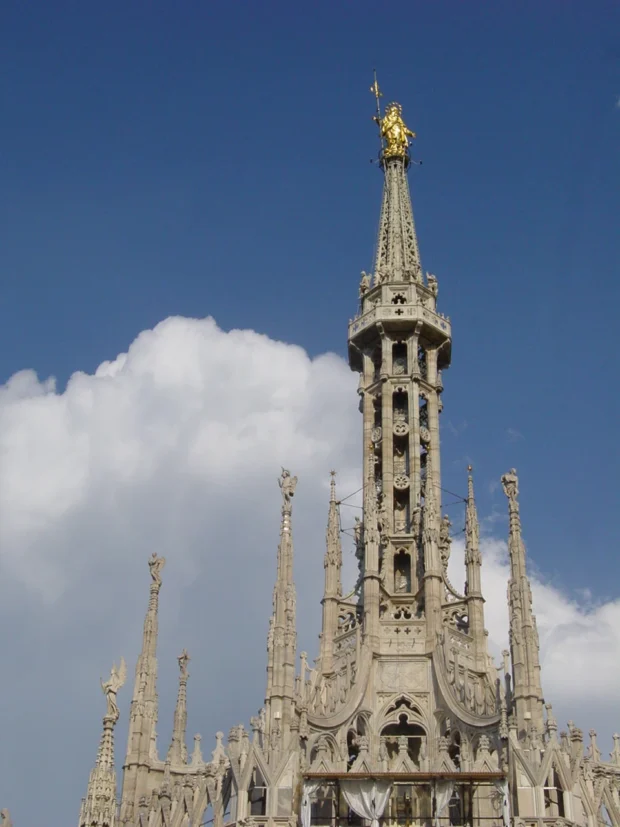
The cathedral’s exterior hosts over 3,400 statues and 135 spires, each crafted with painstaking attention to detail. The golden Madonnina statue atop the highest spire symbolizes Milan’s protection, a beacon visible for miles, marrying spiritual symbolism with architectural prominence.
Best Times to Visit and Insider Tips for a Fulfilling Stay
To fully appreciate the Duomo’s intricate stonework, a visit during the soft morning light or the warm hues of late afternoon is ideal. Weekdays, especially Tuesday through Thursday, tend to be less crowded, offering quiet moments for contemplation and photography.
- Avoid weekends and religious holidays when the cathedral welcomes large congregations and tourists, making access more challenging.
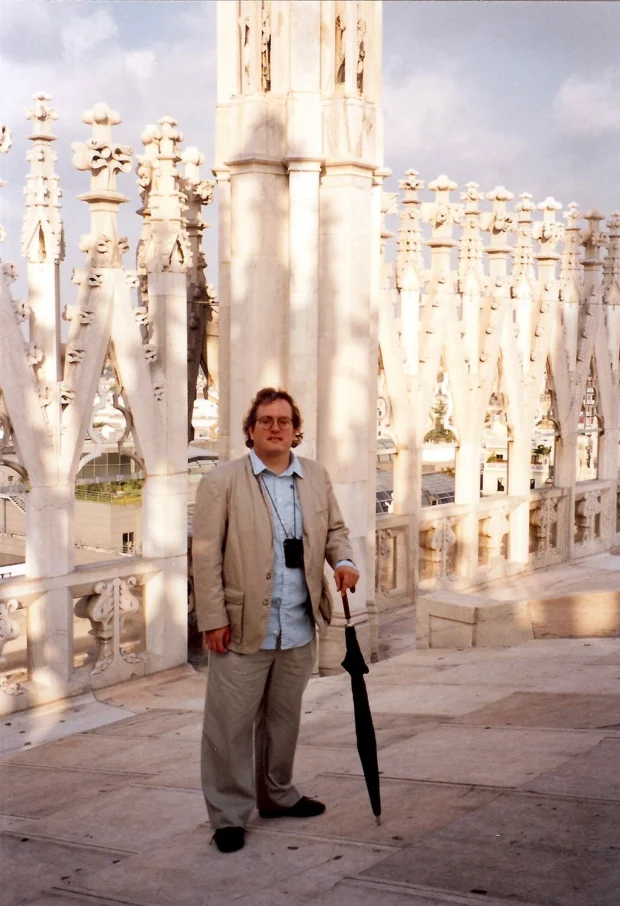
- Consider climbing to the rooftop terraces for an unparalleled view of Milan’s skyline and the cathedral’s spires up close. Early morning visits here reveal the delicate craftsmanship illuminated by sunrise.
- Wear comfortable shoes; the marble floors inside demand respectful but practical footwear for exploring the vast interior and rooftop stairs.
Planning Your Tour: Reservations and Guided Experiences
While visitors may enter the cathedral without a reservation, booking tickets for the rooftop access and guided tours is highly recommended, especially in peak seasons. Online reservations allow bypassing long lines and secure entry times that suit your itinerary.
Various tour options include audio guides, in-person guides focusing on the architectural significance, or combined tickets that incorporate the nearby archaeological site and the Duomo Museum. These experiences deepen understanding of both the artistic techniques and the historical context of the Duomo’s construction.
The official website offers comprehensive ticketing information and tour options, enhancing your planning:
Neighborhood Charms: Dining and Cultural Stops Near the Cathedral
After absorbing the cathedral’s grandeur, the surrounding streets invite exploration of Milanese cuisine and urban life. Traditional eateries offer local dishes made from fresh regional ingredients, perfect for a leisurely lunch or dinner.
Explore Milan’s vibrant neighborhoods and hidden stories with our Milan City Guide, a perfect complement to your visit to the Duomo.
Nearby, Piazza Mercanti offers a glimpse into Milan’s medieval past with its historic market buildings and artisan shops. Street musicians and open-air cafes create an inviting atmosphere, ideal for reflecting on the cathedral’s impact amidst vibrant city rhythms.
The Duomo’s Architectural Evolution: From Gothic Roots to Neo-Gothic Flourishes
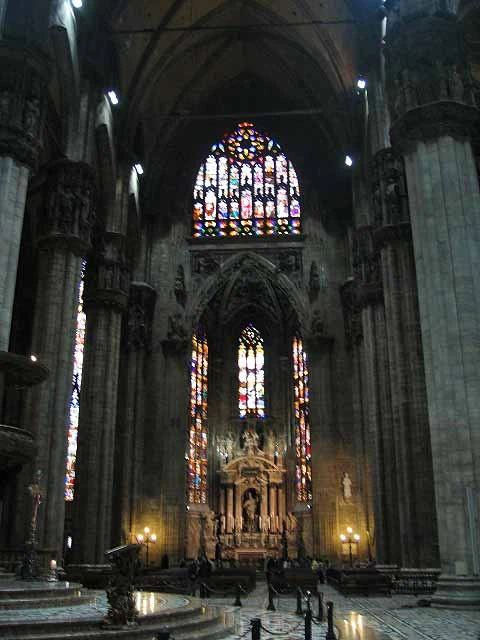
The Duomo’s architectural language is a carefully composed symphony of styles. Its original Gothic design emphasizes verticality and light, with pointed arches and elaborate tracery drawing the eye upward. As Renaissance ideals seeped into Milan, softer lines and classical references were subtly integrated, enriching its visual narrative.
Later neo-Gothic restorations in the 19th century sought to preserve and enhance the overall harmony, employing craftsmen skilled in historic techniques. This respect for conservation and tradition ensures the Duomo remains a living dialogue between past and present architectural philosophies.
Symbolism in Stone: Statues and Sculptures
The rich sculptural program features biblical figures, saints, and allegories, each meticulously carved to convey spiritual messages and Milanese pride. These sculptures offer layers of interpretation, inviting visitors to discern stories told in stone, from the grotesques guarding the facade to the serene expressions of the Madonnina.
Conclusion: Embracing Milan’s Duomo as a Living Work of Art
Encountering the Duomo di Milano is more than sightseeing; it is entering a space where history, craft, and devotion converge. Its intricate details, grand scale, and enduring presence invite admiration and reflection on human creativity and urban identity. Whether through a quiet morning visit or a rooftop sunset, the cathedral promises moments of awe and discovery for every thoughtful traveler.
Consider visiting Cologne Cathedral to appreciate another stunning example of Gothic architecture and spiritual grandeur.
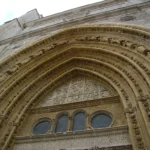
- Duomo di Milano (23282) by Champ0999 on Wikimedia Commons – cc0
- 20110724 Milan Cathedral 5266 by Jakub Hałun on Wikimedia Commons – cc by-sa 4.0
- Duomo di Milano (Basilica Cattedrale Metropolitana di Santa Maria Nascente) (30820123125) by Dimitris Kamaras from Athens, Greece on Wikimedia Commons – cc by 2.0
- Milano on the Duomo Rooftop Oct 1993 by Infrogmation on Wikimedia Commons – cc by-sa 4.0
- DuomoMilan 1411 by BetacommandBot on Wikimedia Commons – cc by-sa 3.0
.jpg)

_(30820123125).jpg)

