

Montreal. The name has always carried a special tone, something between European elegance and North American energy. If you’re looking for an easy-to-understand guide on what to do in Montreal, how to move around, where postcard moments meet daily city rhythms, and which routes lead to its best markets and museums, you’re in the right place. I once spent a year living in a lively third-floor apartment not far from Jean-Talon Market, and I often returned to revisit favorite sights, snack on fresh bagels, and test out new tram lines. Let’s walk those same streets together or ride Metro Line 1 if your feet get tired while I show you what stands out in this city of layers.
Table of Contents
Arriving and Getting Around Montreal with Ease
One clear mark of Montreal’s character: it balances the old with the new, sometimes on the same street corner. When you first arrive (most likely at Montréal-Trudeau Airport), you can reach the downtown area with the 747 bus no need for taxis. This bus connects the airport to the main transport hub called Berri-UQAM, running both day and night. Tickets are easy to buy at the airport; you can use a credit card at machines near arrivals. Each ticket lets you transfer to the city’s Metro and buses for up to 24 hours. If you’re already at the Central Train Station, commuter trains and Metro lines expand your reach. For those arriving by bus from the US, the main terminal is Gare d’autocars de Montréal, just a few steps from Metro access.
The real secret for city explorers is the OPUS card, Montreal’s contactless travel pass. It covers buses, Metro trains, and even the new REM light rail line. Buy one at main Metro stations, load it with a few days of travel, and forget about digging for coins or explaining your ticket to the driver. Transit is frequent and fast, and stations are marked with dark blue signs and the iconic “M.” Expect trains every few minutes during busy hours, and buses on major routes run late, too. Montreal’s bike-sharing system, BIXI, is another smooth option wide cycling corridors run especially through the Plateau and downtown, and more are being built each year. I often used BIXI to connect Jean-Talon Market with Mount Royal Park, a ride worth repeating for the mountain views.
The Streets and Steps of Old Montreal
No visit to this city is complete without hours in Old Montreal. Cobbled streets, centuries-old facades, and shops make this area easy to lose yourself in. My favorite habit was to walk here early, before the cruise buses rolled in, coffee from a tiny bakery in hand. Rue Saint-Paul is a classic narrow, lined with galleries and ice cream stands. Street musicians play violins or whispery jazz as old bicycles rattle past. Every corner seems to have another view perfect for a photograph, especially when the river fog rolls up from the nearby Old Port.

You’ll want to spend some time at the Pointe-à-Callière Museum. This is Montreal’s archaeological and history museum, and it’s both underground (literally they built it over ancient ruins!) and aboveground. For anyone who enjoys urban design, the museum explains how Montreal’s river port shaped its neighborhoods. The museum is just a minute from Place d’Youville, one of the oldest public squares in Canada. Even if you don’t buy a ticket, walk around outside and see how the old port meets the more modern city blocks.

Most visitors stop in Place Jacques-Cartier, which is busy with street performers and painters. Watch the local artists sketch the view or try warm maple syrup on snow from the food stands in winter. In summer, Old Montreal feels like an open-air festival, with patios and music stretching towards the waterfront. If you want less crowd, slip into a quiet alley or duck into small churches that open for chance visitors.
Notre-Dame Basilica: Stained Glass and Surprises
Set apart from every other building nearby, Notre-Dame Basilica rises with remarkable blue towers and Gothic decoration. Sometimes, just standing beneath its massive front doors, I felt (yes, a little cliché) completely small. The inside is even more striking: rich wood, endless gold leaf, and stained glass windows telling stories from the city’s past rather than the usual Biblical scenes. Light filters in differently in every season sharp and icy in February, soft and gold by May.

If you arrive early in the morning, you might have the main nave nearly to yourself. (Entry requires a ticket, but this goes to maintaining the church.) For music fans, check performance schedules there are special organ concerts held here, and the acoustics are worth a ticket if your timing lines up. Local legend says the architect was so awed by his masterpiece that he died at the threshold after seeing it finished. Whether or not this is true, the Basilica’s beauty stays with you, like a song you remember days later.
Eating Around the Markets: The Heart of Montreal Food
Walk a few Metro stops north from downtown and you’ll reach Jean-Talon Market in Little Italy a true staple of daily Montreal life. This enormous semi-open market has been running since 1933, and locals shop here for their fruits, cheese, and bread rather than the supermarkets. Even if you’ve seen lots of city markets, this one stands out for its sheer color. Strawberries, tomatoes, and radishes stack up in July; apples and hot cider scent the air by October. Grab a fresh bagel (Montreal’s are chewy and slightly sweet), a wedge of local cheese, or treat yourself to a steaming greasy potato pancake. Unlike some markets, Jean-Talon keeps its stalls open nearly year-round and the nearby streets are lined with cafes and bakeries.

Each neighborhood has its flavor. In the Plateau area, the bagel shops are rolled and wood-fired all night. Order smoked meat on rye at small delis, or try Portuguese rotisserie chicken from family-run spots. The Mile End mixes Jewish, Italian, and new Middle Eastern kitchens within a few blocks. Meanwhile, local poutine hot fries, cheese curds, and gravy appears in every diner and snack bar, sometimes with wild toppings like duck or spicy sausage. Walk or take the Metro; the city’s grid is compact and it’s only two or three stops between neighborhoods.
Mount Royal Park and the Summit View
Mont Royal (Mount Royal) Park is not just a green patch in the city it’s the “mountain” in Montreal’s name, and a place for everything from quiet thinking to mass picnics. It was designed by the same landscape architect who created New York’s Central Park Frederick Law Olmsted. On weekends, local families and university students barbecue by Beaver Lake, while joggers and cyclists use the network of soft forest paths. I liked to walk up just before sunset. The climb is gentle and takes about 30 minutes from the Avenue du Parc entrance, a little longer if you stop for photos or coffee along the way. Each season gives something different: winter brings cross-country skiing tracks (public rentals available), while autumn covers the hills with glowing orange and red maples.
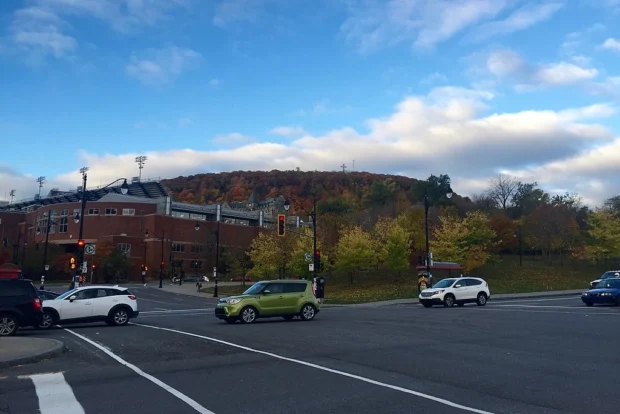
Reaching the Kondiaronk Belvedere at the summit is rewarding: here’s the postcard view, with city skyscrapers below and, if the weather is clear, the great St. Lawrence River spreading out farther than most people realize. Musicians, picnics, and sometimes impromptu swing dance groups take up space on the terrace. Bring a snack from Jean-Talon or a sandwich from a boulangerie and join in. It’s all casual, all Montreal.
More Museum Hours: Art, Science, and Curiosities
Montreal’s museums are as varied as its people. If your schedule allows, the Montreal Museum of Fine Arts is worth hours (if not a full day you’ll need to pace yourself). Entry to the permanent collections is free, and the building itself is a patchwork of old and new wings joined by underground tunnels. Modern Canadian painters, ancient Buddhist statues, pop art, all in one maze. The Biodome, close to Olympic Park on the Metro’s green line, is something else an indoor world that lets you walk from tropical rainforests to the Arctic in a single hour. I once spent a whole afternoon watching penguins and caimans through the glass walls, marveling at how kids and grandparents alike seemed equally entertained.

The Montreal Botanical Garden is right nearby. Its grounds sprawl with themed gardens Japanese, Chinese, First Nations and during summer, giant dragon lanterns light up the paths. It’s a quieter place, with hidden corners and benches under old trees. Schoolchildren search for frogs here; older folks relax with chess; I once lingered in the company of dragonflies, cooling down after a long city walk. These green spaces remind you that even inside a busy metropolis, there’s time and room for pause.

Amusements and the Soundtrack of Summer
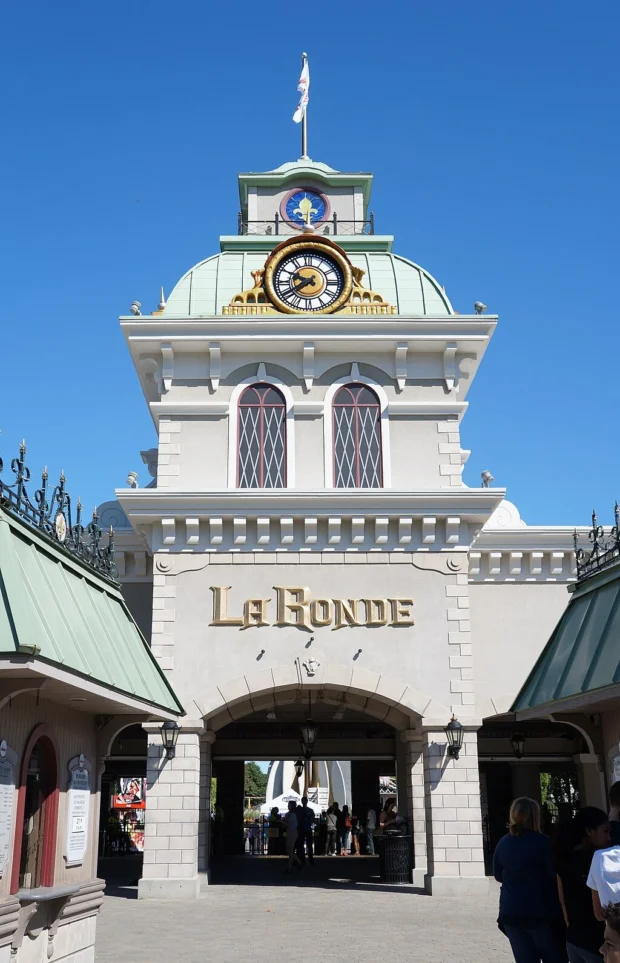
If you’re traveling with children, or you enjoy amusement parks, La Ronde fills its own island with roller coasters and carousels a short ride on the yellow Metro line to Jean-Drapeau station takes you there. It’s loud, classic, and full of carnival smells. Don’t forget to look up: from the Ferris wheel’s top, you’ll get a dizzying view of Montreal’s skyline and the bridges that cross the river. Summer brings festivals by the river jazz, electronic music, fireworks competitions (best viewed from La Ronde’s lawn or the Old Port’s boardwalk).
If you’re interested in vibrant city amusement, Tivoli Gardens in Copenhagen offers charming rides and a rich cultural vibe nearby the central station.
Nearby, Saint Joseph’s Oratory rises high above Outremont, crowned with a dramatic domed roof and tall steps lined with pilgrims. Even if you’re not religious, walking up those steps gives a sense of Montreal’s scale and mix of spiritual heritage. From the top, another wide view opens. In snowy months, the Oratory seems to float above the frozen city a landmark visible from Mount Royal on a clear day.

City Design, Oddities, and Everyday Montreal Flow
Urban explorers will notice Montreal’s underground city, or RESO, which stretches nearly 33 kilometers below street level. Half-mall, half-pedestrian shortcut, these tunnels connect Metro stations, big department stores, and even universities. Locals use it to avoid winter winds or summer rains. Try plotting your own path from the Eaton Centre to Central Station without resurfacing. Along the way, odd murals, musicians, and rare old bank vaults now turned into shops will surprise you.
What I found most fascinating as a travel writer and fan of infrastructure: Montreal is built on an island, shaped by its rivers. Four main bridges connect the city to the mainland, and each has its rhythm. The Jacques Cartier Bridge, for example, has a special lane open to cyclists and walkers (closed only in deep winter). The Metro’s orange and green lines cross the city at regular intervals; signage is clear, and station names are easy to recognize (all in French, but maps are pictorial). For lovers of rail and transport, the Expo 67 site’s remnants still shape Île Sainte-Hélène and Parc Jean-Drapeau, with old pavilions now serving as exhibition halls and cultural spaces.
Coffee, Baguettes, and Language
Montreal’s personality is shaped by its French language, its poutine, and its split between tradition and innovation. You’ll hear Quebecois French everywhere, but almost every shopkeeper can switch to English. It’s polite to begin with a simple “Bonjour,” even if you speak English afterward. Locals appreciate friendliness and patience; don’t rush service in bakeries or cafes here, waiting your turn is part of the culture. Sit at a terraced cafe, order a coffee and a butter croissant, watch the passersby argue gently about hockey, and note how nobody seems truly hurried.
Where to Stay and Late-Night Energy
If you’re choosing where to stay, think about the pace and atmosphere you prefer. The downtown core is close to museums, Metro lines, and main shopping streets, making it practical for moving around. The Plateau and Mile End, by contrast, offer quieter streets, classic spiral staircases, and plenty of food at walking distance plus easy access to Mount Royal Park. For families, the more residential Outremont has wide tree-lined sidewalks and nearby green spaces. No matter which neighborhood, Montreal’s dense urban shape means you can reach almost anywhere in 30 minutes by Metro or bus.
Night brings out yet another texture. The Old Port sparkles with lights; small bars and jazz clubs spill onto the sidewalks; and Saint-Laurent Boulevard becomes a long stream of people, music, and street art. On warm evenings, families stroll along Mont-Royal Avenue with ice cream cones, while late-night diners queue up for bagels baked at midnight. The Metro runs until about 1:00 a.m. on weeknights, later on weekends though buses fill the gap for night owls or festival goers. I’ve always felt safe and welcome moving around the city after dark, though, as anywhere, it’s good sense to stay alert on quieter streets.
For a change of scenery, consider the vibrant energy and colorful sights of Miami’s shores through our Miami City Guide.
Departing Montreal: Practical Tips and Farewell Scenes
Before leaving Montreal, don’t forget to fill up on the food specialties you won’t easily find elsewhere take bagels, local cheeses, or jars of maple syrup if your luggage allows. Union Station (Gare Centrale) runs trains to other Canadian cities, and the new REM rail line stretches out toward the West Island and airport. Check schedules and ticket windows early, as Montrealers love their weekend getaways and trains fill up quickly in summer and autumn. If you’re cycling, rent bikes for a final spin along the Lachine Canal, passing old industrial silos and community gardens; the route is flat and lined with helpful wayfinding signs in both French and English.
Montreal is a city of signs, not only street signs and Metro routes, but also signs of its history layered, sometimes contradictory, always surprising. Whether you wander the oldest streets under cathedral shadows, climb hillside parks above the roofs, or simply sit quietly at Jean-Talon Market with a perfect baguette and coffee, you’ll catch those Montreal rhythms: moments of stillness followed by splashes of city sound. I find myself smiling at the thought of returning, always learning one more detail about how this city moves and welcomes the world.
If you appreciate cities with historic squares and vibrant public life, reading about Red Square in Moscow reveals another iconic urban heart worth experiencing.
- Hôtel de Ville de Montréal, juin 2024 by Pierre5018 on Wikimedia Commons – cc by 4.0
- Basílica de Notre-Dame, Montreal, Canadá, 2017-08-11, DD 20-22 HDR by Diego Delso on Wikimedia Commons – cc by-sa 4.0
- Pointe-à-Callière by Flickr user Rice Cracka on Wikimedia Commons – cc by 2.0
- Basílica de Notre-Dame, Montreal, Canadá, 2017-08-11, DD 26-28 HDR by Diego Delso on Wikimedia Commons – cc by-sa 4.0
- Marché Jean Talon – petite Italie – Montreal – Quebec – panoramio (2) by figa on Wikimedia Commons – cc by 3.0
- View of Mount Royal Park by Meg.jenk on Wikimedia Commons – cc by-sa 4.0
- Montreal-Museum-of-Fine-Arts-May-2024 by Acediscovery on Wikimedia Commons – cc by 4.0
- Montreal Biodome from west side, 2004 (1792914491) by Morgan from Montreal, Quebec, Canada on Wikimedia Commons – cc by 2.0
- LaRonde main entrance – panoramio by Jiaqian AirplaneFan on Wikimedia Commons – cc by 3.0
- Oratoire Saint-Joseph du Mont-Royal – Montreal by Paolo Costa Baldi on Wikimedia Commons – cc by-sa 3.0


.jpg)


.jpg)

