
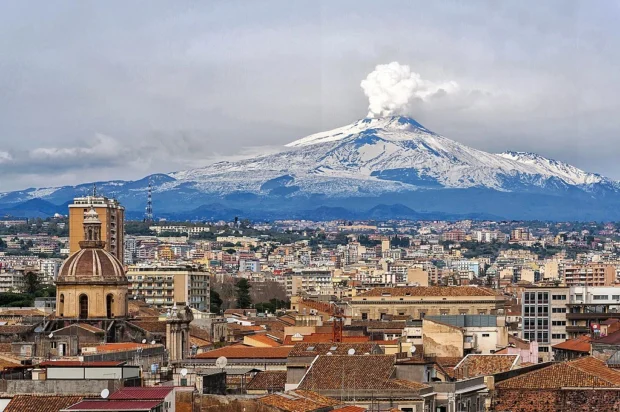
Perched on the eastern coast of Sicily, Catania offers more than its baroque streets and bustling markets just beyond the city, Mount Etna rises, Europe’s most active volcano and a landmark of awe-inspiring power. This guide will walk you through how to reach Etna from Catania, the best moments to visit, and insights into the volcano’s story and significance. Along the way, I’ll share local flavors, lodging options nearby, and tips to make your journey smooth and authentic.
Table of Contents
Setting Foot on Sicily’s Fiery Giant
From Catania’s lively center, Mount Etna stands as an imposing presence, inviting curious visitors to its slopes. To reach the volcano, you can start from Catania’s main train station or the Fontanarossa Airport. Local buses run daily, but for flexibility and comfort, renting a car or joining a guided tour is popular. The drive climbs steadily through winding roads, with views opening up over rolling vineyards and ancient lava fields.
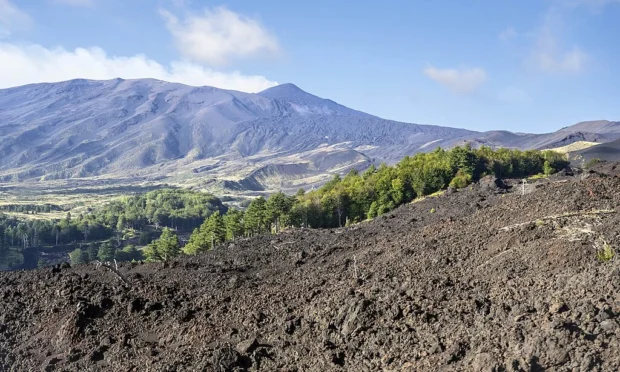
Alternatively, the Circumetnea railway encircles the mountain at its base, offering a glimpse of traditional villages and rural landscapes, though it requires careful planning to connect with hiking or cable car points. Most visitors begin their ascent near the Rifugio Sapienza on the southern side, where you find parking, restaurants, and ticket offices for tours.

The Living Legend: Etna’s Tale and Importance
Mount Etna is not just a mountain it is a living giant with a mood all its own. Ancient Greeks called it “Aitna,” believing the volcano was the forge of the god Hephaestus, where thunderbolts were crafted. This deep-rooted mythology adds to the volcano’s aura, making each rumble and eruption a reminder of nature’s raw creativity.
The volcano has shaped the land, culture, and economy here for thousands of years. Its fertile volcanic soil nourishes vineyards and orchards producing famous Sicilian wines and citrus fruits, characterizing the nearby landscapes with a vibrant patchwork of color and life. Yet its eruptions have also brought destruction, teaching local people resilience and respect for this elemental force.
Visiting Etna means standing in a place where geological time moves fast lava fields that are decades old sit alongside fresh blackened earth, young craters pulse with heat, and ancient lava flows from centuries past frame villages nestled in their paths.

When and How to Climb: Timing and Reservations
The best time to visit Mount Etna depends on what you want to experience. Late spring through early autumn offers milder weather and clearer trails. Weekdays are quieter, providing space to fully enjoy the volcanic vistas without crowds. Winter visits unveil a different face, with snow-capped peaks drawing skiers and photographers alike.
Hiking independently around Rifugio Sapienza is free, but reaching higher craters typically requires guided tours. These guides are crucial not only for safety on this active volcano but also to uncover lesser-known paths and explain the volcanic phenomena and ecology along the way.
Booking in advance is strongly recommended, especially in summer and holiday seasons. Many tour operators offer half-day or full-day excursions that include transport from Catania, gear rentals, and expert commentary.
Reservations at Etna Park
Before heading up, visit the official website of the Etna Park for schedules and booking information. Here you find updates on volcanic activity, hiking routes, and certified guides to ensure a trustworthy experience. You can visit the page by clicking on Etna Park official site.
Local Flavors Near Etna and Catania
After the fresh mountain air, tasting local cuisine brings the landscape to your plate. The volcanic soil imparts richness to ingredients like blood orange, honey, and aubergine. Small trattorias in the villages by Etna serve traditional dishes such as “pasta alla Norma,” named after an opera, celebrating eggplant, ricotta salata, and fresh tomatoes.
Catania itself bursts with street food offerings worth sampling. From crisp fried fish and “arancini” (rice balls) to granita with brioche, the city is a feast of flavors that reflect Sicily’s deep agricultural heritage and Mediterranean zest.
Staying Close: Accommodations by the Volcano
A wide range of places to stay surrounds Mount Etna and Catania. From charming rural agriturismos nestled among vineyards, to cozy guesthouses in historic towns, accommodation options allow visitors to soak in the atmosphere beyond the daytime. These lodgings often include home-cooked meals and opportunities to learn about local crafts, such as pottery and winemaking.
Booking ahead is wise during peak seasons, and staying overnight on Etna’s slopes offers magical opportunities to witness sunrise or the stars above the volcanic landscape moments that will linger long after your journey.
The Soul of the Stromboli: Myths, Textures, and Layers
Visiting Mount Etna is like unraveling a layered storybook. The volcanic sands crunch underfoot, warm air carries scents of resin and wild herbs, and the horizon shifts with light and shadow. I recall climbing a trail as distant rumbles echoed, the landscape dotted with blackened rocks shaped like ancient sculptures. Nearby, shepherds’ stone huts stand as silent witnesses to centuries of coexistence with the volcano.
For those appreciating majestic landscapes and history, Belvedere Palace offers a tranquil Baroque atmosphere contrasting Sicily’s volcanic energy.
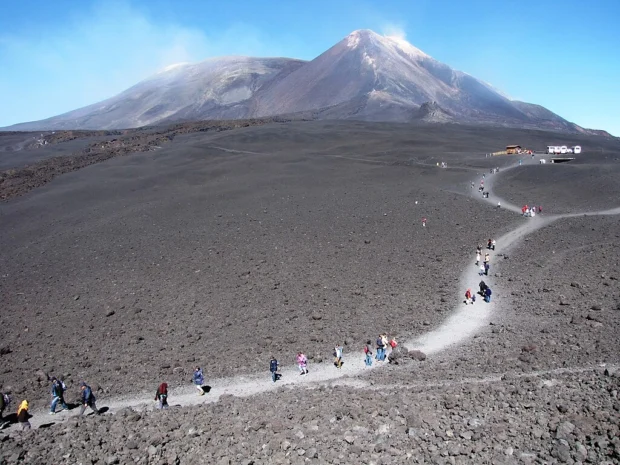
This interplay of nature, culture, and history is palpable in every step. From the cobblestone streets of Catania, with its baroque palaces and bustling markets filled with citrus and spices, to the raw beauty of Etna’s crater rims, one senses a profound connection to the earth and its stories.
Practical Tips for Your Etna Visit
- Wear sturdy shoes: The trails on Etna are rugged and can be uneven with loose volcanic gravel.
- Layers are key: Temperatures vary greatly from Catania’s coast to the cooler mountain top.
- Bring water and snacks: Facilities are limited once you leave main tourist spots.
- Check volcanic activity: Always verify status updates before your visit for safety.
- Respect nature: Stay on marked paths and avoid disturbing fragile volcanic features.
- Capture moments: The contrasts of the dark lava fields against green vineyards and bright blue skies create stunning photo opportunities.
Whether drawn by the drama of a volcano that shapes landscapes and lives or by the warm embrace of Sicilian culture below its gaze, Mount Etna and Catania offer an unforgettable journey. It is a place where earth and spirit meet waiting for you to step closer, listen, and taste the story that only Sicily’s fiery heart can tell.
To complement your exploration of Sicily’s volcanic marvel, consider visiting Naples, where Mount Vesuvius shares a fiery history and vibrant city life.
Explorer of historic places and culinary traditions, combining landscape appreciation with food culture.
- Catania vista dall'alto e il vulcano Etna a sovrastarla by Dariolp83 on Wikimedia Commons – cc by-sa 4.0
- Mount Etna 2024 01 by Cayambe on Wikimedia Commons – cc by 4.0
- Smoke ring above Mount Etna by PSomol on Wikimedia Commons – cc by-sa 4.0
- Etna April 2011 Eruption – Creative Commons by gnuckx (5607649346) by gnuckx on Wikimedia Commons – cc by 2.0
- Cratere Centrale-Etna by Hein56didden on Wikimedia Commons – cc by-sa 3.0


.jpg)
