
Osaka, the third largest city of Japan, rises between rivers and the sea on the southern coast of Honshu Island. Rich history pairs with bright neon here. From samurai heritage and Buddhist temples to futuristic towers and food alleys, Osaka blends the old and the new. Each corner reveals city life shaped by centuries of innovation and devotion. For travelers interested in practical navigation, urban engineering, and accessible sightseeing, Osaka offers much more than photos she offers a well-planned journey. Whether you love train routes, smooth airport shuttles, or hidden temple courtyards, let Osaka’s organized pulse impress you.
Table of Contents
How to Arrive and Get Around Osaka’s City Center
Arriving at Kansai International Airport (KIX) means landing on an artificial island connected to mainland Osaka by one of the world’s longest double-decker bridges. From the airport, the Nankai Railway will take you to Namba Station in about 45 minutes a direct ride through industrial suburbs and river crossings. Alternatively, the JR Haruka Express links KIX to Tennoji and Shin-Osaka, important urban transport hubs, in under an hour. For day-to-day movement, Osaka’s subway is a model of efficiency. The Midosuji Line runs north to south think of it as the city’s locomotive spine. Most key sites sit within its reach. Purchase an ICOCA rechargeable card for touch-and-go convenience across subway, bus, and even some private rail lines. Cycling is popular as well bicycles share narrow lanes with taxis and delivery trucks, so mind the curb ramps and covered arcades near train stations.
Osaka Castle: Engineering, History, and a View
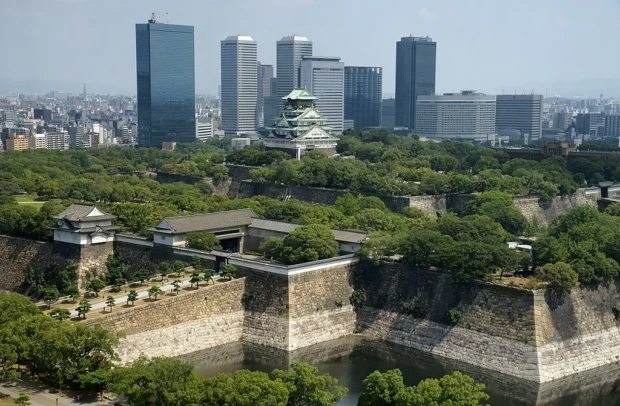
The skyline’s green-roofed heart, Osaka Castle, stands as both fortress and symbol. This structure, originally built in the late 16th century by samurai warlord Toyotomi Hideyoshi, looks out over tree-filled parks and a living city. Today’s stone base, measuring nearly 20 meters high, is a marvel forged by hand those massive boulders were rolled from quarries over 15 kilometers away. A museum inside tells tales of civil war, feudal engineering, and castle defenses. Ascend to the top deck for panoramic views of Osaka’s grid spot expressways, railway corridors, and the gentle Yodo River bending toward Osaka Bay. Throughout spring, cherry blossoms fill the castle park with crowds and plenty of picnic blankets. Visitors planning routes can explore maps and schedules on the official Osaka Castle website.
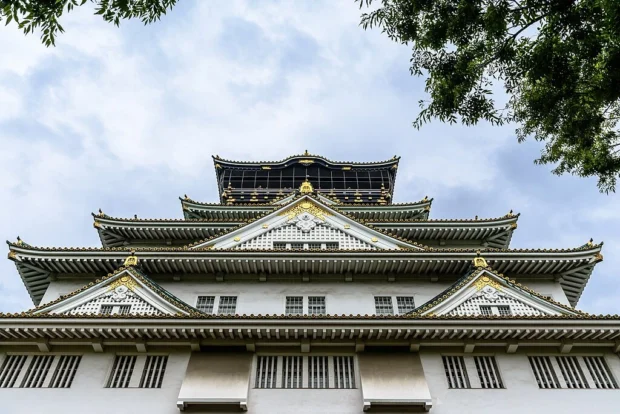
For a deeper look at Osaka Castle’s history and tips on visiting this iconic site in the city’s heart, read our detailed guide on Osaka Castle.
The park surrounding the castle is free to enter. Walk along the broad moat bridges; you may see locals painting watercolors or watching herons fish below. In the early morning, I met a retired train engineer who now sketches bridges from beneath the trees. He pointed out an ancient foundation stone with a carved worker’s mark proof of the original shogun builders’ pride and skill.
Dotonbori: Lively Streets and Night Lights
No place illustrates Osaka’s appetite for excitement quite like Dotonbori. This riverside district pulses with life at all hours. Crowds flock beneath the massive mechanical crab signs and neon-lit billboards. The famous Glico running man, arms stretched in victory, has gazed down at the canal since 1935 while riverboats glide beneath.
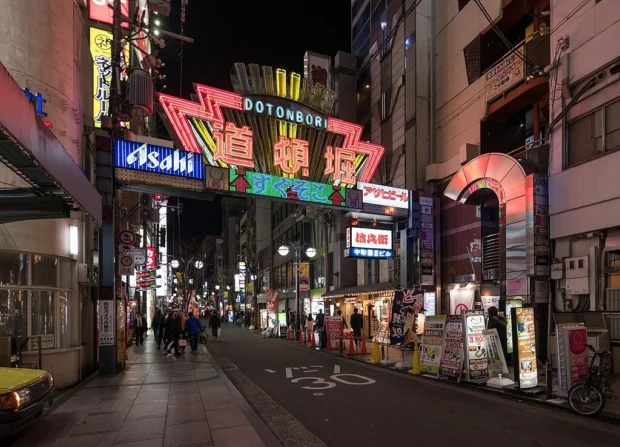
Dotonbori’s arcades hold hundreds of restaurants and snack shops. Try takoyaki (octopus balls) fresh off a cast-iron grill the air smells of batter, dashi, and sweet-salty sauce. Kuromon Market is nearby for more specialties. Food here is fast, flavorful, and always easy to find, but be ready to stand while you eat as many vendors offer only bar stools or counters. It’s also a place for stories I watched a local chef teach a lost tourist how to order by pointing at plastic food replicas in the window. For noodle fans, the local kitsune udon (with fried tofu) is excellent in the Minami district.
If you look up while crossing Ebisu Bridge, you can see water taxis sailing under video screens modern entertainment in the same canal once used to ship rice and sake to town. Osaka’s nightlife has always run along the water, blending commerce, transport, and celebration.
Universal Studios Japan: Japan’s Movie Playground
Children and adults rush to Universal Studios Japan every morning for its world-famous rides and shows. This theme park sits in the Osaka Bay area, a few stops from the center on the JR Yumesaki Line. Attractions include The Wizarding World of Harry Potter and the world’s first Super Nintendo World. Weekends and holidays are busiest here, so advance ticket booking is important long lines are common for popular roller coasters and movie-themed events. Locker systems use English and Japanese touch panels, and crowd control is managed by charming staff in themed costumes. The park’s official site offers useful maps, advance ticket sales, and event calendars for smooth route planning: Universal Studios Japan official website.
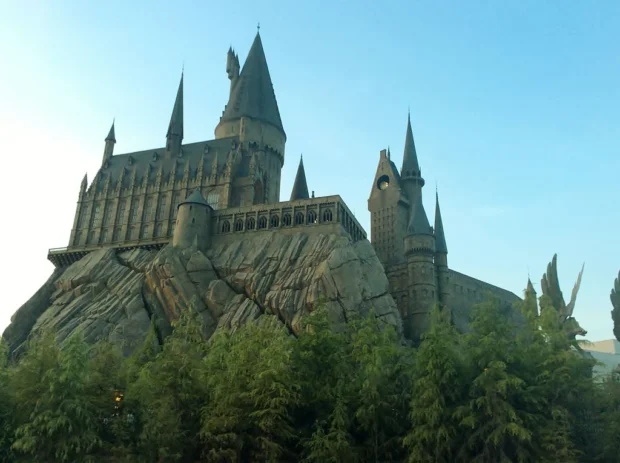
Arriving early, I chatted with visitors from across Asia and heard that some families come just to ride the train-shaped roller coasters. Staff gave clear directions for express trains back to downtown after sunset. In winter, music and lights create a festive parade atmosphere along the central avenue.
Temples, Towers, and Timeless Corners
Osaka is not only tall skyscrapers and theme parks. Tucked between towers and shopping arcades, temples and shrines show layers of spiritual tradition. Shitennoji Temple, near Tennoji Park, claims to be Japan’s oldest officially administered Buddhist temple, founded nearly 1,400 years ago. The complex includes tranquil ponds, covered walkways, and a peaceful cemetery. Monks sweep gravel paths each morning, undisturbed by the traffic roaring beyond the walls. I was lucky to witness incense smoke drifting over stone lanterns as local office workers paused for a quick prayer proof that spiritual heritage still fits into daily life.
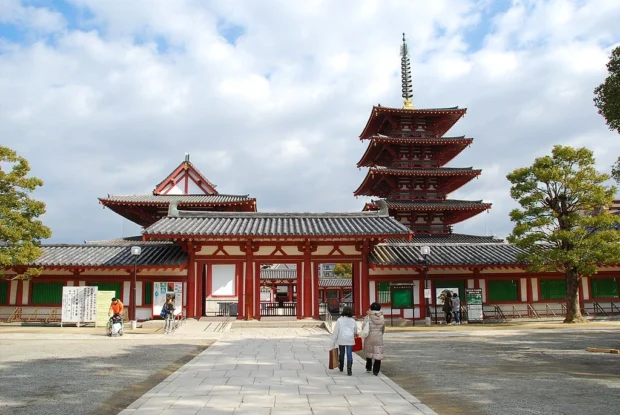
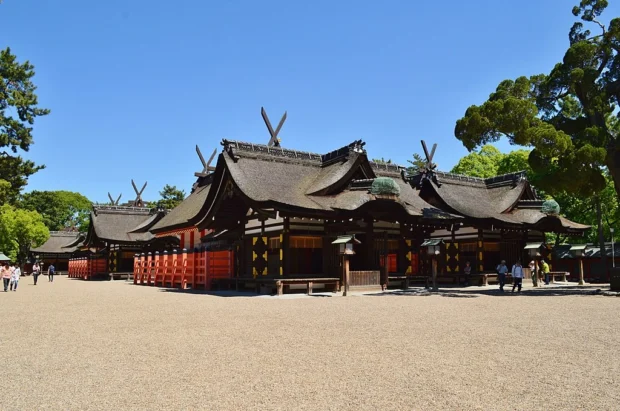
Another peaceful spot is Sumiyoshi Taisha, south of the center. This shrine is famous for its bright red bridges and unique straight-roof architecture, older than most Shinto buildings in Japan. Locals come for blessings and festivals, especially at New Year. In contrast, Namba Yasaka Shrine surprises visitors with its open-mouthed lion stage a quirky, nearly theatrical altar where people clap and bow for good fortune.
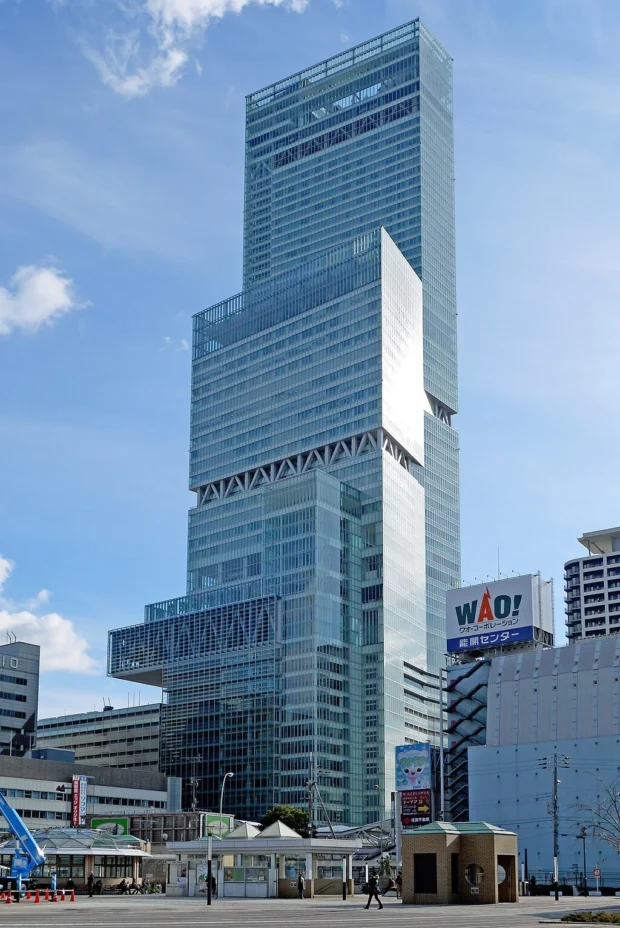
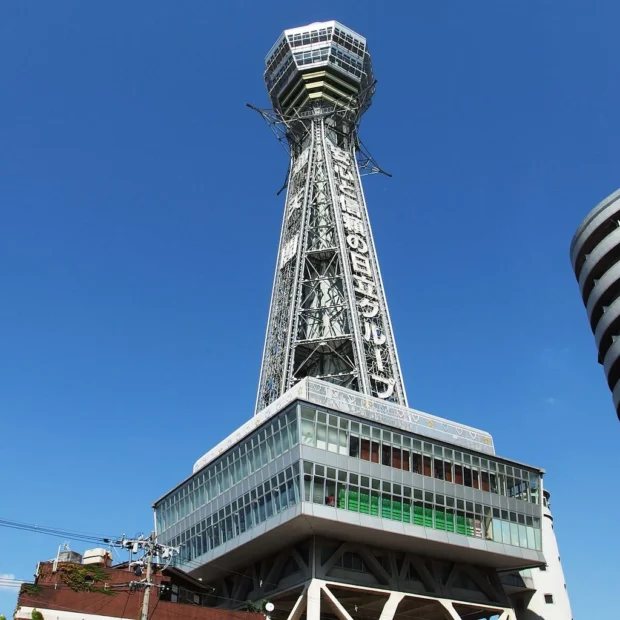
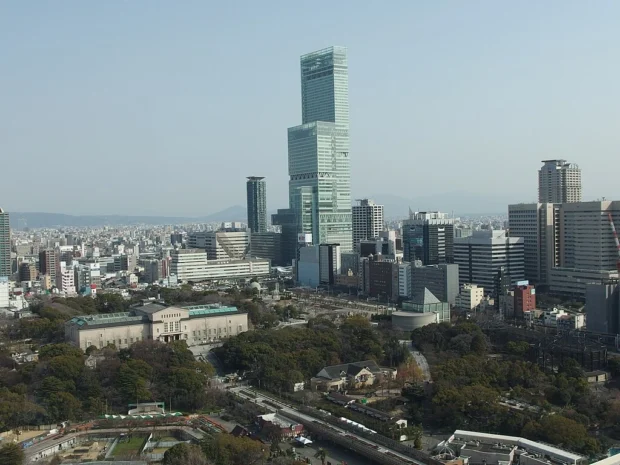
For panoramic city views, two towers compete for attention. The retro Tsutenkaku Tower has overlooked Shinsekai since 1912. Its steel lattice design was inspired by Paris but made to withstand the region’s frequent typhoons. Take the lift to the observatory for views over south Osaka, or visit at night when colored lights shift through a coded forecast for tomorrow’s weather. A few stops north, Abeno Harukas is Japan’s tallest building. The glass-floored viewing deck at 300 meters draws both architectural fans and selfie takers with Osaka’s scale on display day and night.
Tennoji Park gathers museums and gardens, offering a quiet stroll among sculpture and city life. Nearby, the National Museum of Art, Osaka, surprises many with its dramatic underground galleries covered by flowing metal “roots.” Special exhibits often feature modern artists from across Asia check their schedule online before visiting.
Modern Engineering: Umeda Sky Building and Urban Design
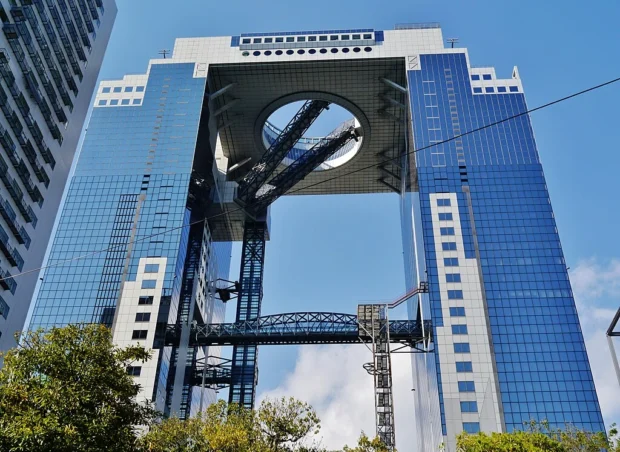
Osaka’s Umeda district holds another architectural highlight the Umeda Sky Building. This futuristic twin-tower design connects at the top with a “Floating Garden Observatory” bridge. Escalators in glass tubes rise between the towers, offering a unique city-view ride. From above, the city’s careful grid of roads and railways stretches toward the western sea. Urban planners consider this building a triumph of late-20th century daring its earthquake-resistant engineering and eco-friendly systems are studied by students worldwide.
Underneath, a re-created Showa-era street on the lower floor lets you see and smell an Osaka alleyway as it looked in the 1950s. Stepping into noodle shops and old-style kitchens, I found a chef eager to explain how railway growth after World War II brought new ingredients and recipes from outside the city, making Osaka’s food more diverse and creative.
Transport here is seamless: Umeda Station is one of the busiest in western Japan, with subway, JR, and private railways meeting beneath and around the Sky Building. For intercity connections, the shinkansen (bullet train) departs from nearby Shin-Osaka Station, pairing Osaka with Kyoto, Kobe, and Tokyo at high speeds.
Osaka Aquarium, Tempozan Ferris Wheel, and Portside Attractions
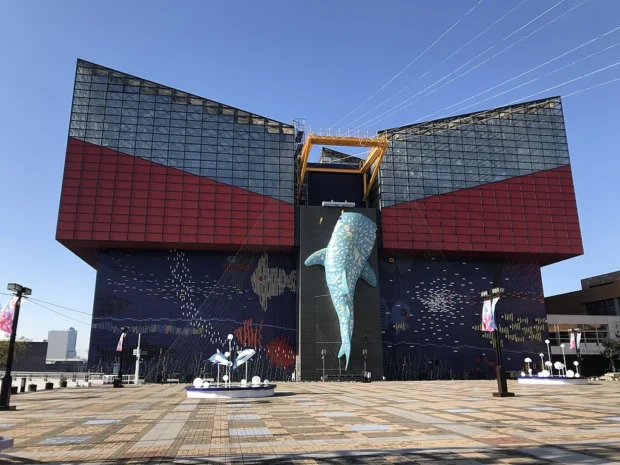
Western Osaka hosts a cluster of family-friendly sights near Osaka Port. The Osaka Aquarium Kaiyukan is recognized as one of the world’s greatest public aquariums. Its central tank, nine meters deep, allows visitors to circle whale sharks, rays, and hundreds of species while ramps spiral around the glass. Interactive maps and multilingual displays help guide children and adults alike. I enjoyed watching local school groups draw maps of the Pacific Ocean, inspired by aquarium murals showing trade and migration routes that once brought spices and silk to Osaka’s port.
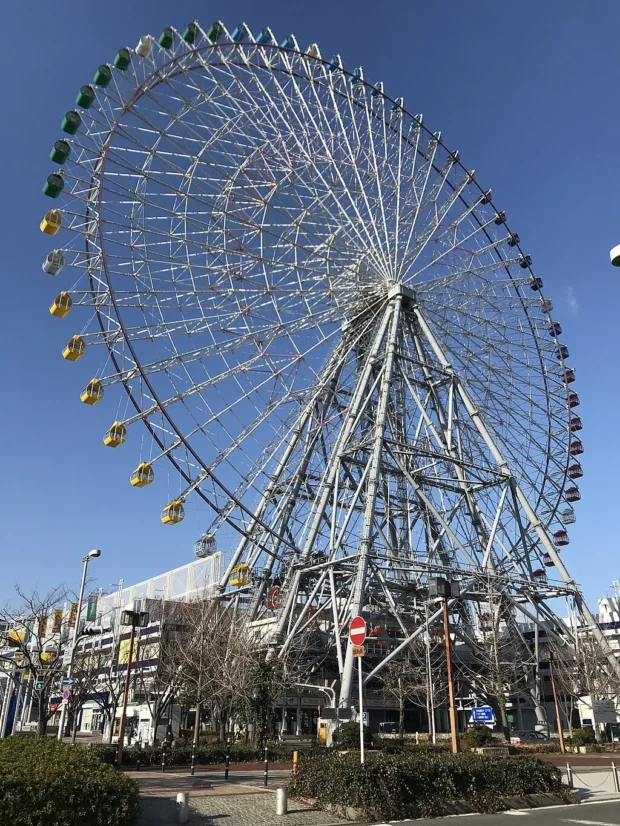
Next door stands the Tempozan Ferris Wheel, 112 meters tall with stunning views of both sea and city skyline. On a clear day, you can see as far as Awaji Island. Each capsule is accessible, and a unique “see-through floor” pod thrills those not afraid of heights. Ships, bridges, and train lines fill the horizon, making this a favorite for anyone interested in Osaka’s industrial side.
If time permits, stroll through the Tempozan Marketplace nearby, where you’ll find snacks such as Osaka-style okonomiyaki (savory pancakes) and grilled seafood. A ferry ride from Tempozan to Universal City adds a maritime note to urban exploration no need for bookings, just queue at the port and scan your transport card.
Hidden Corners: America Mura and Hozenji Temple
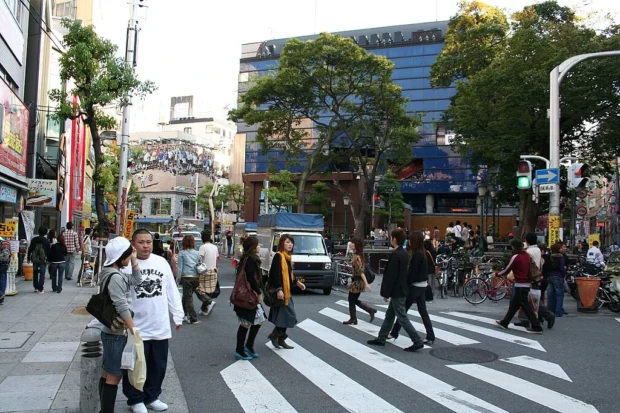
America Mura (“American Village”) grew from import shops and music cafés in the 1970s. Today it sits behind Dotonbori, a wild patchwork of boutiques, record stores, and pop art murals. Young people gather here for street fashion and live music think punk, hip-hop, and homegrown Osaka comedy. I met a local map collector who pointed out a 1910 subway line drawing still painted on an alley wall. For fans of urban history, these quirky spaces show how foreign trade and changing rail routes shaped modern Osaka’s culture.
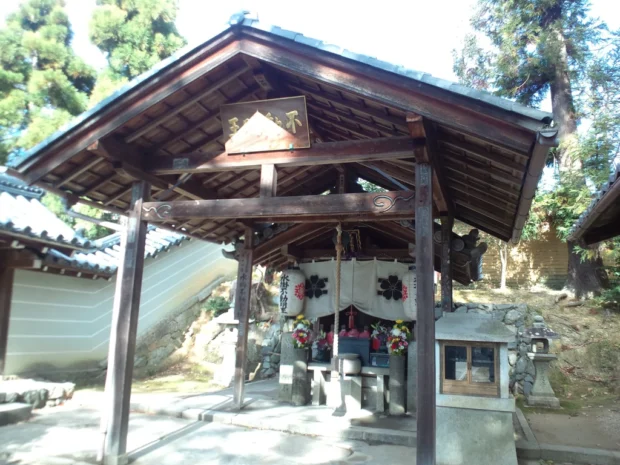
Just a short walk from Dotonbori is Hozenji Temple, famous for its moss-covered statue of Fudo Myoo. Locals pause here to splash water on the stone figure, praying for perseverance amid city bustle. The lantern-lit alley beside the temple is lined with tiny izakaya pubs and sweet shops. It’s said that writers and kabuki actors once came to Hozenji to prepare scripts or roles the temple’s presence quietly supporting Osaka’s theatre and storytelling traditions.
Where to Stay and Urban Comforts
Osaka offers a wide range of places to stay, from modern high-rise hotels to small hostels and centuries-old inns. For first-time visitors or rail enthusiasts, neighborhoods near Umeda, Namba, and Shin-Osaka stations provide seamless access to both bullet trains and subways, plus reliable walking routes to many top sights. Those preferring nightlife and quick bites might enjoy the lively accommodation options near Dotonbori or Shinsaibashi, while families with children favor the quieter bay area around Universal City and the Osaka Aquarium. City hotels tend to be efficient expect compact layouts, but often with excellent Wi-Fi and English information. Capsule hotels attract solo travelers an experience in themselves, with clever storage and communal baths.
Travelers with limited mobility will find ramps and lifts at most stations and large attractions, though smaller shrines and retro markets may still have steps or narrow paths. The city provides up-to-date accessibility guides at major transport hubs simply ask at the information desk.
Customs, Etiquette, and Quirky Local Facts
Osaka people are known for their humor and warmth, ready to help if you ask for directions often with lively gestures. However, respect for personal space is important. In crowded trains, keep conversations soft and devices on silent. When paying in shops or restaurants, place cash or cards in the small tray by the register rather than handing them directly. Tipping is not customary instead, a polite thank you is always appreciated. The local dialect, Osaka-ben, adds extra friendliness and sometimes a playful twist to everyday talk, especially in markets or comedy clubs.
Osaka’s urban history is full of odd details. The original subway, opened in 1933, remains one of the oldest in Asia. Some of its tiled underground passages still show art deco signs from that era. At Namba Station, careful listeners may spot the unique “ding dong” melody used only on the Midosuji Line a tiny sound marker of city identity. Bridges across the Dotonbori Canal are often wider than the river itself a legacy of old rivalries between transport companies, each expanding their railway and streetcar networks with pride.
Osaka stands both as a living city and a lesson in careful urban planning. Every train, every street, tells a story of rebuilding, welcoming new influences, and rebuilding again after fire, typhoon, or ambition. From the stately castle walls to the glass tubes of the Umeda Sky Building, each site forms a chapter in a city still moving forward. Explore with open eyes and a good map you will be rewarded with both beauty and efficiency at every turn.

- Osaka Castle 02bs3200 by 663highland on Wikimedia Commons – cc by 2.5
- Osaka Castle, Japan 2019-5 10 by dconvertini on Wikimedia Commons – cc by-sa 2.0
- Dotonbori Neon Sign, Osaka 20190415 1 by DXR on Wikimedia Commons – cc by-sa 4.0
- Hogwarts School of Witchcraft and Wizardry in Universal Studios Japan (1) by Tokumeigakarinoaoshima on Wikimedia Commons – cc0
- 1 Chome-11 Shitennōji, Tennōji-ku, Ōsaka-shi, Ōsaka-fu 543-0051, Japan – panoramio – jetsun (3) by jetsun on Wikimedia Commons – cc by-sa 3.0
- Sumiyoshi-taisha, keidai-2 by Saigen Jiro on Wikimedia Commons – cc0
- Abeno Harukas Osaka Japan01-r by Oilstreet on Wikimedia Commons – cc by 2.5
- New Tsutenkaku in 201409 003 by Mc681 on Wikimedia Commons – cc by-sa 4.0
- Abeno Harukas from Tsutenkaku Tower @ Shinsekai @ Osaka (13382473483) by Guilhem Vellut from Annecy, France on Wikimedia Commons – cc by 2.0
- Osaka Umeda Sky Building 4a by Zairon on Wikimedia Commons – cc by-sa 4.0
- Osaka Aquarium "Kaiyukan" 20190201-2 by そらみみ on Wikimedia Commons – cc by-sa 4.0
- Grand ferris wheel of Tempozan Harbor Village 2 by そらみみ on Wikimedia Commons – cc by-sa 4.0
- Amerikamura (Busy) by BradBeattie at English Wikipedia on Wikimedia Commons – cc by-sa 3.0
- Ninna-ji Temple – Mizukake-Fudô by Yanajin33 on Wikimedia Commons – cc by-sa 3.0


.jpg)
.jpg)


.jpg)


.jpg)
