

In the heart of Paris, where the Seine whispers beneath ancient bridges and the air is filled with the scent of fresh baguettes and blooming chestnuts, stands the Louvre Museum. This monumental palace, now a sanctuary for some of the world’s most exquisite art, offers a portal into years of cultural dialogues, eternal masterpieces, and architectural grandeur. Rich in renaissance charm and baroque flourish, the Louvre is not just an art museum; it is a luminous narrative in stone and paint that draws admirers from every corner of the globe. Whether you arrive from the bustling Gare du Nord or the tranquil Charles de Gaulle Airport, the journey leads inevitably here, where the collection spans from Egyptian relics to contemporary marvels.
Table of Contents

The Timeless Majesty of the Louvre’s Architecture and Origins
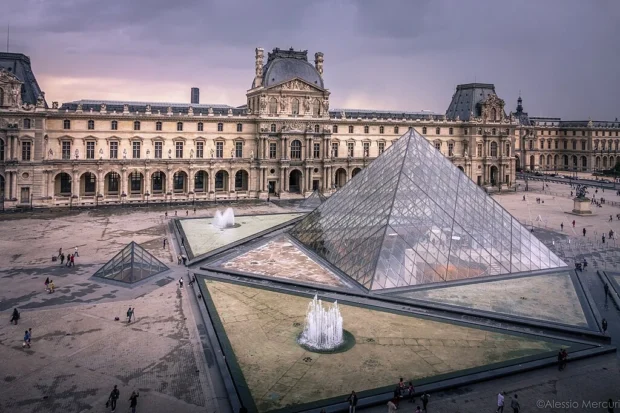
Originally a fortress built in the late 12th century under Philip II, the Louvre has gracefully transformed through epochs from royal residence to a beacon of public art. Its intricate façades and the iconic glass pyramid by I.M. Pei blend the medieval and the modern with poetic harmony, inviting visitors to traverse centuries with each step. This place is a layered text, where each gallery whispers stories of kings and revolutionaries, artists and visionaries. The architectural evolution encapsulates a dialogue between eras, a slow unfolding of light over stone that invites silent contemplation.

The Pyramid and the Palace
The 1989 addition of the Louvre Pyramid stands as a bold statement in the courtyard, a crystalline beacon that contrasts yet complements the classical lines of the palace. It guides visitors into the underground lobby where the museum’s heart beats, simultaneously a modern sculpture and a gateway offering a moment of pause and wonder before the visual feast unfolds.
Masterpieces and Mysteries Within Gallery Walls
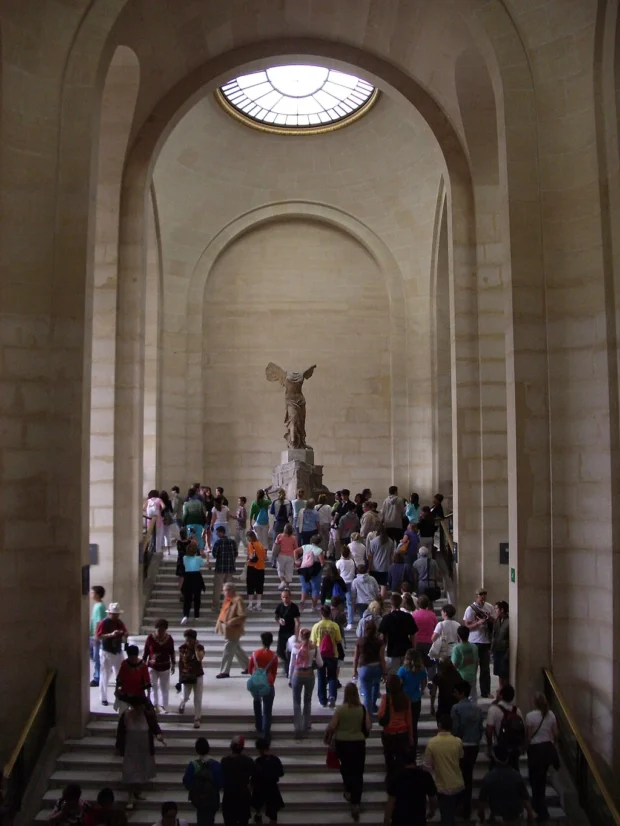
Walking beneath the vaulted ceilings, one encounters an overwhelming array of artworks that demand more than a fleeting glance. From the enigmatic smile of the Mona Lisa to the grandeur of Michelangelo’s Dying Slave, each piece carries a narrative that entwines with the viewer’s very breath. Paintings, sculptures, tapestries, and artifacts converge here, creating a tapestry of human creativity and history. The careful curation allows for quiet moments of discovery and a sense of sacred intimacy amidst the visitors’ footsteps.

Planning the Visit: Practicalities and Reflections
Best approached with intention, the Louvre is at its most poetic in the gentle light of early weekdays. The hours just after opening or late afternoon offer respite from crowds, allowing for a more personal communion with the art. Reservations are essential, especially during peak seasons, providing a seamless entry that respects the sanctuary’s calm. It is advisable to pre-book tickets through the museum’s official website to avoid waiting lines and to select guided tours that enrich the experience with historical insights and thematic journeys.
Access and Surrounding Gems
Situated centrally on the Right Bank, the Louvre is accessible by several Metro lines such as the Palais Royal–Musée du Louvre station, just steps away from the grand entrance. For arrivals from Charles de Gaulle or Orly Airports, taxis or reliable shuttle services escort visitors to the city center in under an hour. On foot, the museum lies amidst a vibrant urban tapestry of cafes and patisseries where one can indulge in Parisian delicacies imagine a quiet moment with a flaky croissant and a café au lait before stepping into the galleries.
Essential Tips for Navigating the Louvre’s Vastness
- Reserve your tickets online well in advance to ensure smooth access.
- Wear comfortable shoes the museum stretches over 60,000 square meters of exhibition space.
- Consider themed tours focusing on renaissance art, sculpture, or baroque periods to deepen your connection.
- Utilize the museum’s audio guides or smartphone apps for intimate reflections on each masterpiece.
- Explore lesser-known wings like the Islamic Arts gallery or the restored Napoleonic apartments for unique encounters.
- Pause at the outdoor sculptures in the Cour Napoléon for moments of airy calm and contemplation.
Beyond the Walls: Immersive Surroundings and Culinary Pleasures
After wandering through the corridors thick with history and artistry, stepping outside into the Tuileries Garden offers a gentler palette a stroll beneath centuries-old trees punctuated by statues and fountains. Nearby, French bistros provide a taste of authentic cuisine; savor delicate escargots, rich duck confit, or simply a fresh baguette paired with local cheeses and a glass of exquisite Bordeaux. The atmosphere is one of lingering enchantment, where art moves seamlessly into everyday Parisian life.
Discover how Florence’s Uffizi Gallery complements Louvre’s treasures with Renaissance art and remarkable architecture in its own historic cityscape Uffizi Gallery in Florence.
Reservations and Tours: Maximizing the Louvre Experience
Engaging with the museum’s offerings goes beyond entering its doors. Joining a guided tour allows the grandeur to unfurl more fully, revealing hidden symbolism, artist stories, and architectural secrets. Specialized tours focusing on contemporary art influences or renaissance techniques enrich the visit, connecting past masterpieces with evolving artistic languages. Booking these experiences in advance through the official Louvre Museum site ensures not only convenience but a richer, more intimate encounter with this living monument of culture.

Art museum enthusiast who loves contemporary art and spends days wandering through exhibitions.
- Louvre Museum,Paris,France by Hrutvija on Wikimedia Commons – cc by-sa 3.0
- The Louvre Museum facing the Tuileries Garden by DiscoA340 on Wikimedia Commons – cc by-sa 4.0
- Cour Puget glass roof by Cyberjunkie on Wikimedia Commons – cc by 2.5
- Louvre Museum by Alessio Mercuri on Wikimedia Commons – cc by 3.0
- Louvre Mona Lisa (9811944455) by Gary Todd from Xinzheng, China on Wikimedia Commons – cc0
- Musée du louvre winged victory of samothrace by Sergey Meniailenko from Cupertino, USA on Wikimedia Commons – cc by 2.0


.jpg)
.jpg)
