

There are cities you race through, and there are cities that invite you to slow down, observe, and listen Ho Chi Minh City is firmly in the second category. Formerly known as Saigon, this sprawling, humming city in southern Vietnam is famous for its motorcycle rivers and the dazzling chaos of daily commerce, but it holds so much more for those willing to linger in a park, chat with a street vendor, or gaze upward toward French colonial facades. I spent my days wandering old boulevards, ducking my head into steaming noodle shops, and sometimes just watching the world pause for afternoon rain. Whether you are searching for history, flavors, or simply a new rhythm, this city will reveal itself gently, never all at once.
Table of Contents
Ho Chi Minh City’s Beautiful Contrasts
The first feeling you get arriving in Ho Chi Minh City is one of contrast. From Tan Son Nhat International Airport, instead of rushing into the city’s center via car, I took the airport bus. This simple choice opened up scenes often missed: a grandmother balancing fruit baskets on her bike, rice drying in unexpected corners, and faded signs of every language from French to Chinese dotted along the route. Bus lines 109 and 152 made the trip with ease, even if my luggage got a curious look or two.
Ho Chi Minh City’s heart is District 1, where the old and new share the same sidewalk. Century-old temples hide behind glassy shopping centers. Office workers on lunch breaks veer off for a quick pho in hidden alleys. Here, you feel the city’s rhythms a place proud of its past, determined about its future, and willing to let a traveler drift kindly between the two.
War Remnants Museum: Stories That Linger
Few museums leave you as quiet as the War Remnants Museum. Standing outside, the building appears plain, almost unimposing, but within is a collection of photos, letters, and artifacts detailing Vietnam’s modern history especially its wars with France and America. There’s honesty here: images not softened for comfort, reminders that history has scars. Many visitors fall silent in front of the “Agent Orange Room” yet I found the spaces between visitors even more telling. Locals came to pay quiet respects, and children asked gentle questions. My guide whispered, “Let’s not rush,” so I lingered, letting these stories guide my next steps through the city.
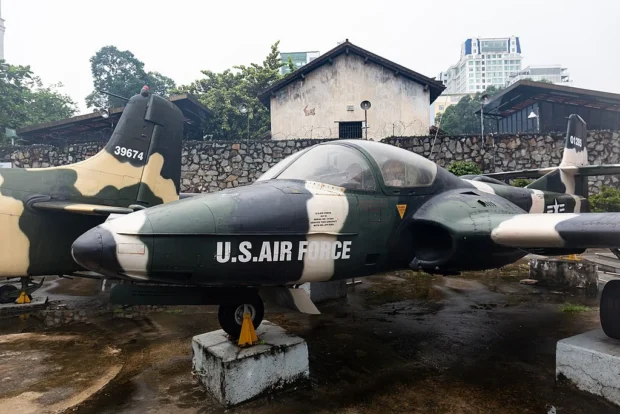
History can sting, but here, the city asks you to witness and remember. After leaving, the streets felt brighter, louder, and more alive a poignant reminder of how quickly resilience can build where tragedy once settled.
Ben Thanh Market: Chaos and Comfort
The colors and sounds of Ben Thanh Market are both overwhelming and utterly comforting. You cannot stroll here you must dance, pivot, and sometimes hold your breath. The market sits at the city’s center, a grand clock tower marking its entrance, and inside: fabrics, dried fruits, dragon fruit stacked like sculpture, conical hats, and the calls of “Best price!” echoing in all directions.
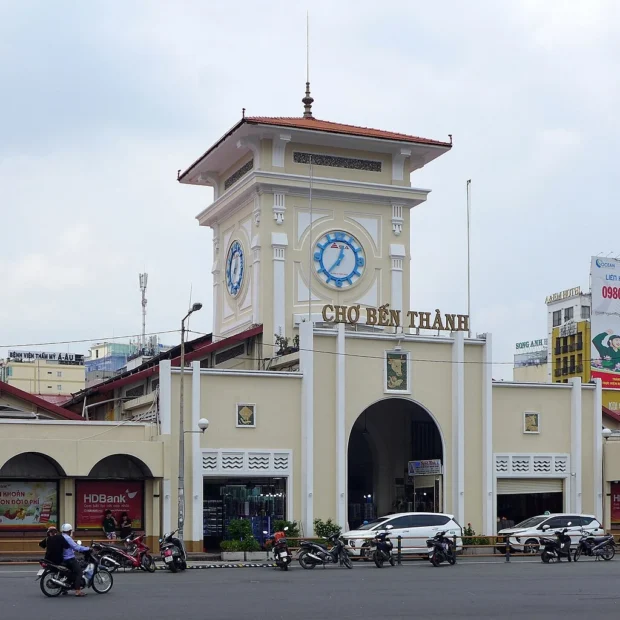
I tried my luck with bargaining, failing graciously but leaving with a bag of dried mango and a memory of a vendor’s laugh. It is never just about shopping; here, commerce blurs into theater. Try a bowl of bun thit nuong (noodles with grilled pork) while sitting beside a businessman and a student. Northern accents argue with southern ones over coffee beans, and for a moment, you are part of the performance. It is chaotic, but surprisingly cozy.
Notre-Dame Cathedral Basilica and Postcard Moments
Just steps away, the Notre-Dame Cathedral Basilica of Saigon rises in red brick, its twin spires peeking out above the palm trees. Built in the late 1800s with materials shipped all the way from France, it stands as both religious site and historical marker. As bells echo through the square, pigeons flutter past young couples posing for wedding photos while schoolchildren sketch the cathedral in their notebooks.
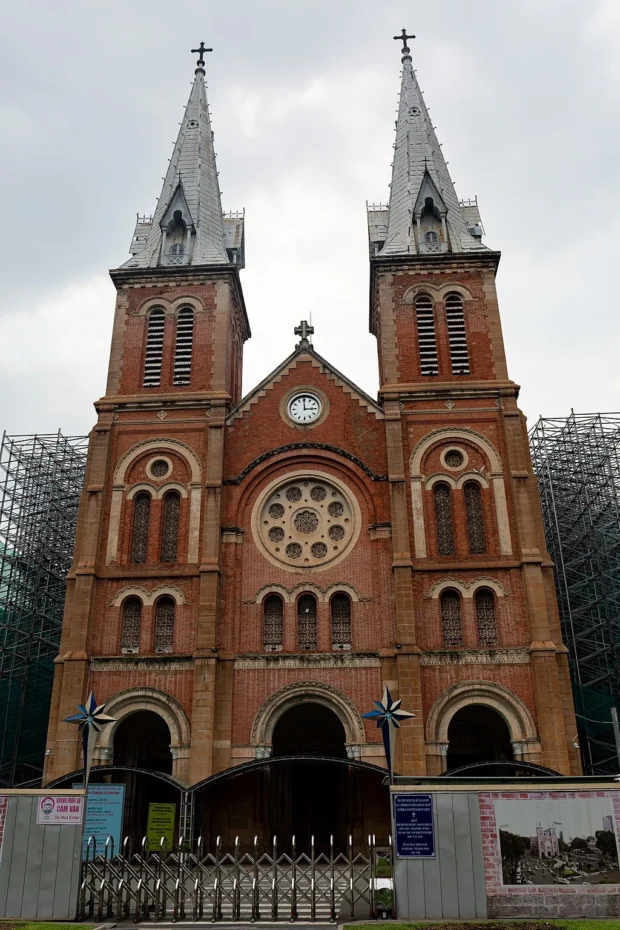
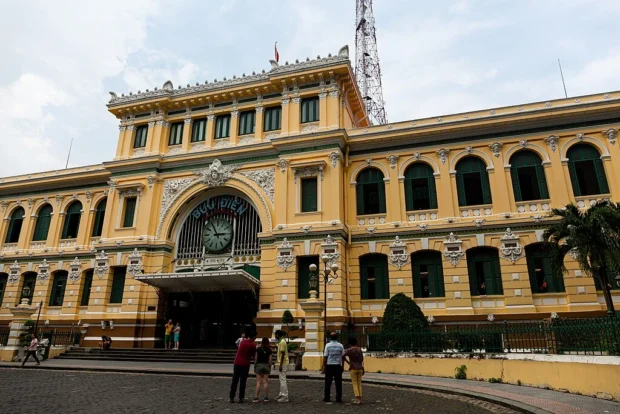
Cross the street (carefully motorbikes rule here) and you find the Saigon Central Post Office. This building is more than a postal center; it is a living piece of colonial architecture. Inside, under the green arches and antique wall maps, you might spot old men still writing letters by hand or tourists mailing cards home. The post office’s quiet is rare in this busy city, so take a seat on a bench, just listening to the soft click of stamps and the creak of wooden doors.
Treasures Found on City Streets
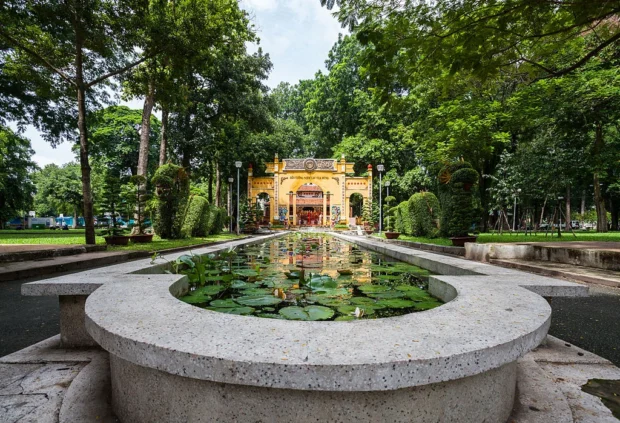
Walking is the best teacher in Ho Chi Minh City. I meandered past tangled electric wires and bougainvillea vines spilling from balconies, following no map. One morning led me to Tao Dan Park, where urban nature surprises you at every turn. Local elders repeated tai chi movements under tamarind trees, while songbirds competed with distant horns. The city breathes differently here slow, lingering, grateful for shade.
Elsewhere, along leafy boulevards, enormous trees guard secrets from French Indochina. Tucked behind a wall, the Jade Emperor Pagoda appeared a place thick with incense and offerings of lotus flowers. This pagoda is not just beautiful, but also alive: turtles swim in an old pond beneath carved dragons, and worshippers move quietly through clouds of smoke. The stories attached to each shrine are complex; my guide told me some consider this a place to ask for fortune, others simply come for cool reflection. Either way, respect is expected dress modestly and leave your shoes at the door.
Meals With Heart: Tastes and Smells of Saigon
Food in Ho Chi Minh City is more than taste it is memory, ritual, and competition all at once. District 3, I learned, is the place for bún bò Huế (spicy beef noodle soup), its broth simmered for hours with lemongrass and chili. Small sidewalk shops serve up bánh cuốn (steamed rice rolls) in the early morning, while District 5, the historic Chinatown, attracts crowds for hủ tiếu (noodle soup with pork and shrimp).
Street food is part of the city’s story. I followed a scent of ginger and coconut to a woman roasting sticky rice in banana leaves. Her stall, just a tiny cart near a school, had no sign yet a line of children and grandparents never seemed to end. Another day, a local recommended bò lá lốt (beef wrapped in betel leaf). Smoky, slightly spicy these flavors lingered long after I left. There is pride in each dish, and recipes passed hand-to-hand, sometimes in whispers or gentle bragging.
Hidden and High: Bitexco Financial Tower and Local Stories
Modern Saigon is not afraid of heights. The Bitexco Financial Tower is the city’s most daring building its helipad, like a spaceship waiting to land, is a landmark in itself. From the viewing deck, I had a sweeping view across the tangled cityscape, rivers snaking through thousands of rooftops, and distant green belts clinging to the city’s edge. As rain clouds drifted over, the city glistened with possibility. A local beside me joked, “Saigon looks great from up here; just don’t look at the traffic.”
But look closely at street level and you find places like the Ho Chi Minh City Museum. Here, artifacts and photos trace how the city changed names, identities, and rulers each layer visible in a different floor or corridor. A wedding couple posed for photos beside a military jeep on my visit, proof that history and new beginnings are interwoven here, and that celebration and memory can share the same space.
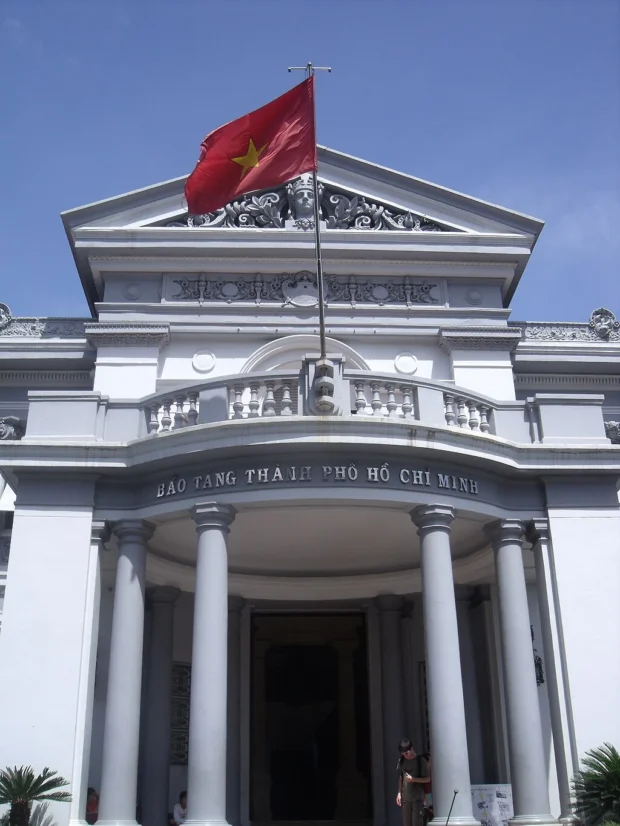
Just as surprising are small alley temples, where the scent of incense mixes with the laughter of children playing tag. Tucked between coffee shops and tailor’s houses, these places pulse with daily life. Pause, and you might be invited inside for sweet tea and cautious conversation.
Reunification Palace: Where Time Pauses
The Reunification Palace, with its odd mix of 1960s glamour and Cold War practicality, offers a rare look into Vietnam’s political past. Its green lawns seem always cared for, while the rooms inside remain exactly as they were when the gates were stormed in April 1975. You can inspect everything from rotary phones to a secret bunker hidden below. My favorite spot was the rooftop helipad still marked with faded paint, a relic frozen in time. It felt as if the decades since that fateful moment had only just passed.
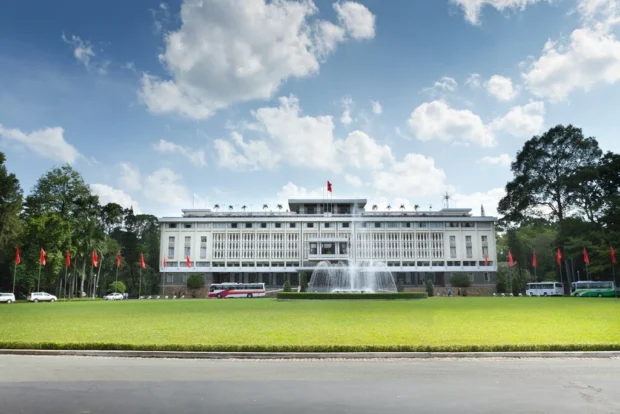
Oddly, outside, children feed pigeons and locals nap in the shade, the past never casting too deep a shadow over the present. It is a place where time, memory, and daily life briefly intersect, then quietly move forward.
Cu Chi Tunnels and Beyond the City
Not all of Ho Chi Minh City’s history stays above ground. Northwest, the Cu Chi Tunnels snake for kilometers beneath the earth a reminder of ingenuity in the toughest times. Crawling through even the widened tourist versions gave me a new appreciation for resilience and patience. Above ground, the red soil tells stories, and guides explain with both pride and sorrow the lives of those who lived and fought below. If you visit, go early, as the midday heat and crowds can be overwhelming.
Consider visiting the Cu Chi Tunnels to experience the hidden historical depths of Vietnam beyond Ho Chi Minh City.
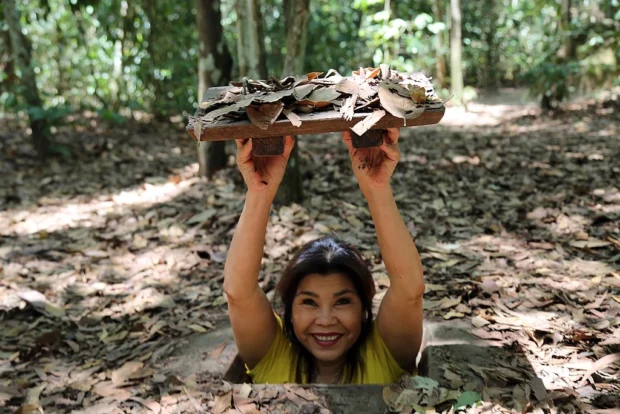
The countryside around the tunnels is green and surprisingly peaceful. Treks here revealed swaying rubber trees, wild birds, and dragonflies flickering over rice paddies. The city’s edge holds quiet biodiversity, an invitation for those interested in rural life or community exchange. I met a farmer who grows pepper, using compost tea learned from a friend abroad. For travelers keen on sustainability or mindful itineraries, these rural encounters are as rich as the city’s bright lights.
Gentle Customs and How to Feel at Home
A city of ten million can still be welcoming Ho Chi Minh City proves it daily. The most important do’s and don’ts here are surprisingly simple: smile first, remove shoes when entering homes or pagodas, and avoid touching anyone’s head (it’s considered sacred). People hold doors, share benches, and easily laugh with strangers.
Vietnamese are proud of their city but rarely boast loudly. Small courtesies passing tea, using two hands for gifts, pausing for elders matter deeply. I learned to watch how locals gesture or bow slightly in greeting. Even if you speak no Vietnamese, a kind gesture says what words cannot. The city’s openness is real, but respect, shown quietly, always brings the best moments.
Accommodations and Easing Into the City’s Pace
Staying in Ho Chi Minh City offers its own lessons in calm. I avoided the most touristy streets in favor of guesthouses run by local families. In these places, breakfast was a bowl of rice porridge eaten on the balcony, watching neighbors water orchids in faded blue pots. Hostels cluster in District 1, close to attractions but rarely silent. For a more peaceful stay, lodgings in District 3 and Phu Nhuan offer tree-lined walks and quieter streets, with markets that feel unchanged for decades.
No matter where you stay, a comfortable room with a fan and soft lighting matters more than luxury. In the afternoons, some hosts invited me to share coffee and listen to old stories hospitality that easily melts away travel fatigue.
Practical Transport Tips for Your Visit
Moving around the city, I learned that buses and the new Metro are the best ways to cut through the rush. Traffic can be dizzying, but bus stops are well-marked and local students are quick to help with directions. Walking is safe in most districts look both ways before crossing and follow the pace of locals (they never quite stop, just adjust speed).
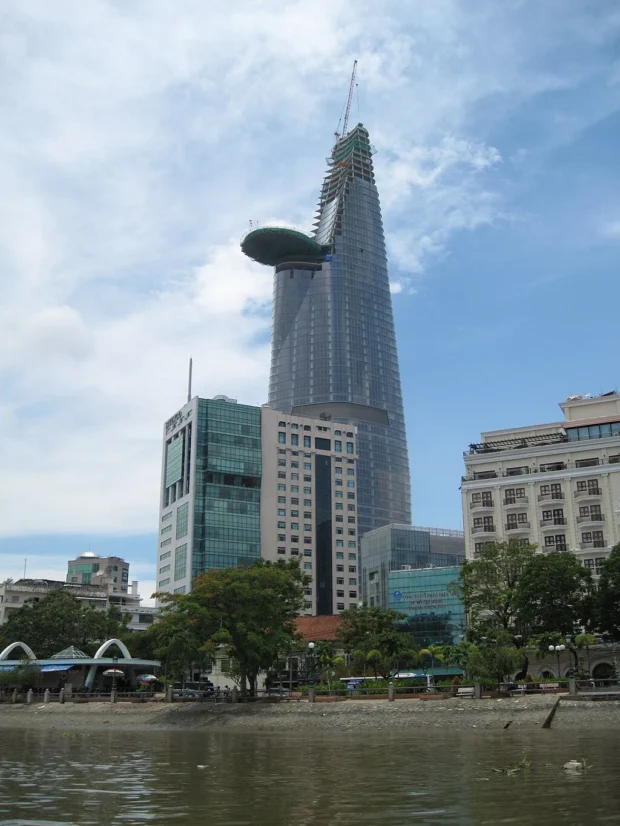
From the airport, shuttle buses run regularly to Ben Thanh Market and central streets, making arrival simple and carbon-conscious. Cycling is possible, though best in cooler hours. Some visitors rent motorbikes, but I found the tangle of traffic a good reason to keep things slow and stick to foot and bus.
If venturing to the Cu Chi Tunnels or outer districts, local buses and guided shuttles keep things affordable and eco-friendly. Routes can change without notice, so always double-check with your host or at the station.
Last Thoughts: Savoring Saigon’s Slow Surprises
Ho Chi Minh City rewards those who accept its chaos and also notice its calm. Each pagoda rooftop, old market, or shaded park becomes a new classroom sometimes noisy, sometimes quietly wise. I left the city with far more questions than answers, a sign, I think, of a place worth returning to.
For those curious about rich history and urban charm beyond Asia, London’s British Museum offers a stunning collection and vibrant neighborhood to enjoy.
Listen to layered stories; taste dishes with storied pasts; walk at the city’s own rhythm. Pause beside old men watching chess, or help a child collect seeds in Tao Dan Park. For all its movement, Ho Chi Minh City repays patience, curiosity, and gentle humor a place where the future arrives on a motorbike, but the past sits quietly, waiting for rain to cool the stones.
For a unique view of urban life and vibrant street scenes filtered through local perspectives, visit São Paulo City Break.
Return home with a pocketful of scents, a slower step, and a quiet wish to sit again under the city’s bright, forgiving sky.

Minimalist traveler documenting slow journeys focused on mindfulness and sustainability.
- Ayuntamiento, Ciudad Ho Chi Minh, Vietnam, 2013-08-14, DD 05 by Diego Delso on Wikimedia Commons – cc by-sa 3.0
- 20190923 A-37 War Remnants Museum-9 by Balon Greyjoy on Wikimedia Commons – cc0
- Ben Thanh Market, 2023 (02) by Bahnfrend on Wikimedia Commons – cc by-sa 4.0
- 20190923 Notre-Dame Cathedral Basilica of Saigon-7 by Balon Greyjoy on Wikimedia Commons – cc0
- 20190923 Saigon Central Post Office-5 by Balon Greyjoy on Wikimedia Commons – cc0
- Museum of Ho Chi Minh City 06 by Thomas1313 on Wikimedia Commons – cc by-sa 3.0
- Reunification Palace Ho Chi Minh City by Mahen Bala on Wikimedia Commons – cc by-sa 3.0
- Co Chi Tunnels, Ho Chi Minh City, Vietnam (49580049197) by flowcomm on Wikimedia Commons – cc by 2.0
- Bitexco Financial Tower, Ho Chi Minh City, Vietnam by Felix Triller from Münster, Germany on Wikimedia Commons – cc by 2.0
- Parque Tao Dan, Ciudad Ho Chi Minh, Vietnam, 2013-08-15, DD 03 by Diego Delso on Wikimedia Commons – cc by-sa 3.0


.jpg)


.jpg)

