

Nestled just outside the bustling city of Saint Petersburg, Russia, Peterhof Palace offers a magnificent glimpse into the opulent lifestyle of Russian tsars with its famously vast gardens and roaring fountains. For travelers keen to experience royal splendor and impressive architectural beauty, understanding the best ways to reach this landmark, the ideal times to visit, and practical details about tours can make the visit truly memorable. Peterhof Palace, often called the “Russian Versailles,” sits on the southern shores of the Gulf of Finland, offering splendid views and a rich historical narrative from the 18th century to today.
Table of Contents
How to Reach Peterhof Palace Smoothly
Getting to Peterhof Palace from Saint Petersburg city center is straightforward yet requires some planning due to its location about 30 kilometers away. The palace lies west of the city and is accessible through a charming route along the Gulf of Finland.
- By Hydrofoil (Ferry): One of the most enjoyable ways is to take the hydrofoil from the Peter and Paul Fortress or the Admiralty Embankment during warm months. The ride lasts about 30 to 40 minutes and offers stunning waterfront views, making the journey part of the experience itself.
- By Bus or Minibus: Buses and minibuses leave from Avtovo or Moskovsky Rail Terminal. These options are budget-friendly and bring you close to the palace entrance, but the ride can take about 45 minutes to an hour depending on traffic.
- Taxi or Rideshare: For a quicker, more comfortable trip, a taxi directly from Saint Petersburg will take around 40 minutes. It’s a practical choice if you’re traveling in a group or prefer convenience.
Coming from Pulkovo Airport, the easiest route involves a taxi or pre-arranged transfer to the city center, followed by one of the transportation methods mentioned above.
Peterhof Palace and Its Golden Era in Russian History
Peterhof Palace is not just a grand set of buildings and gardens; it embodies the ambitions of Peter the Great, Russia’s imperial visionary who dreamed of turning his new capital into a European marvel. Constructed starting in the early 18th century, the palace reflected Western European styles, yet maintained an unmistakably Russian grandeur. It was designed primarily as a summer residence filled with gilded sculptures, complex water fountains, and expansive parks.
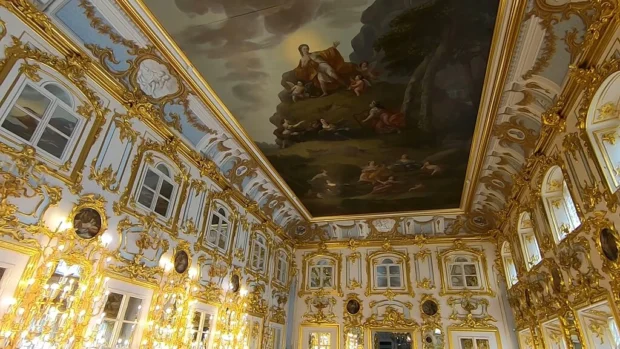
The palace complex historically symbolized Russia’s growing power and its embrace of modernity. Peterhof was a statement of wealth and influence, offering a counterpoint to other European royal courts. Today, it stands as a UNESCO World Heritage site and a beloved symbol of Saint Petersburg’s cultural heritage.
The grandeur of Peterhof naturally invites a visit to the Palace of Versailles, another iconic royal estate showing exquisite European architecture and gardens.
Design and Delight: The Fountains and Gardens of Peterhof
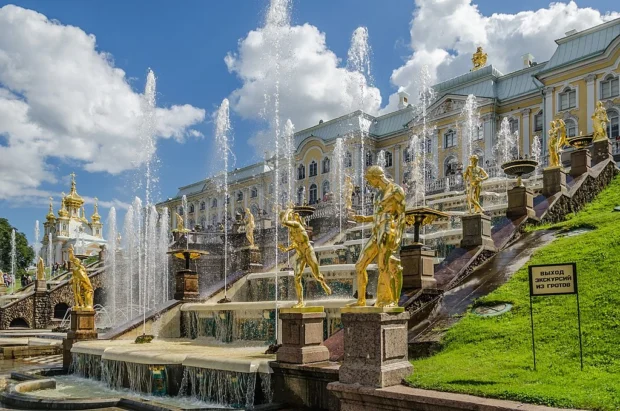
What makes Peterhof especially spectacular are its fountains, which are not only artistic but also ingeniously engineered. The Grand Cascade, with its golden statues and roaring water, serves as the heart of the palace grounds. These fountains operate entirely without pumps, relying on gravity fed by natural springs a marvel of hydraulic engineering from the 18th century.
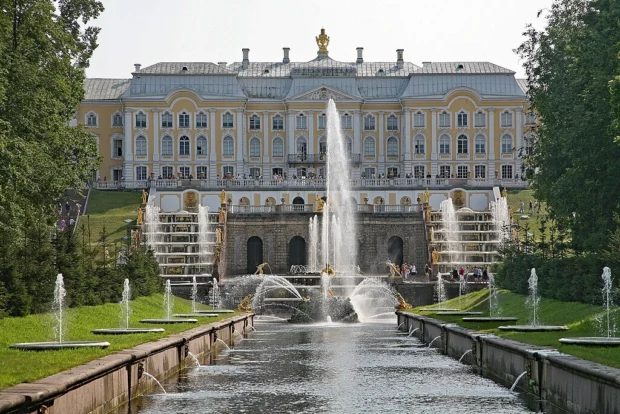
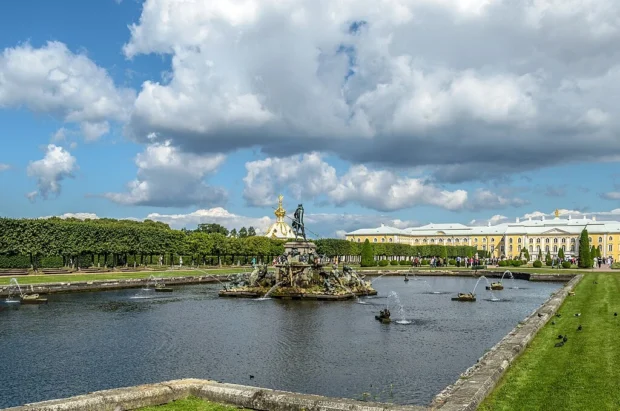
Walking through the Lower Gardens, visitors find themselves in an open-air gallery of sculptures, floral arrangements, and water features that stir the imagination. The path leads to smaller palaces and pavilions such as the Monplaisir Palace, where Peter the Great himself enjoyed the views and tranquility.
Little Known Facts About the Fountains
- The fountains do not use any pumps but operate solely by natural water flow.
- During World War II, many fountains were dismantled and hidden to protect them from Nazi destruction.
- The golden color comes from actual gold leaf, applied meticulously to statues to withstand weather and time.
Making the Most of Your Visit: Timing and Tips
Choosing the right day and time can massively enhance your visit to Peterhof. The palace and its gardens are open from late April through October, closing in the winter when the fountains are turned off.
- Best Time to Visit: Early morning on weekdays is ideal to avoid crowds, especially from June to August when the site is busiest.
- Seasonal Notes: Spring brings blooming flowers and comfortable weather; summer is vibrant but crowded; autumn paints the gardens with warm colors alongside a quieter atmosphere.
- Dress and Gear: Wear comfortable shoes for walking and bring a hat or umbrella depending on the weather gardens are expansive and mostly outdoors.
- Photography: This site is photographer-friendly but avoid using drones as they are prohibited in many heritage zones.
Entry, Tours, and Booking Requirements
Tickets to Peterhof include access to the Lower Gardens, the Grand Palace, and other smaller palaces within the complex. It is often advisable to purchase tickets online to skip long queues, especially in peak tourist season.
Guided tours are available in several languages and help unpack the layers of history and stories behind the statues, architecture, and gardens. Audio guides or personal guides add depth to your understanding. Some tours can be booked directly on the official website or through reputable local tour agencies.
Keep in mind some areas may have separate entry fees or require reservation in advance due to limited capacity, so planning ahead is recommended.
Enjoying Local Flavors and Nearby Stays
If you wish to extend your day, various guesthouses and small hotels near Peterhof offer charming stays, often with traditional Russian hospitality and homemade food. The nearby village atmosphere provides a peaceful contrast to the grandeur of the palace complex.
Local eateries near Peterhof offer classic Russian dishes like borscht (beet soup), pelmeni (dumplings), and freshly baked rye bread. Sampling these authentic flavors adds a sensory layer to your cultural outing.
Further Information and Resources for Peterhof Planning
Before you pack your bags, visiting the official Peterhof website provides up-to-date information on ticket prices, opening hours, and current events happening in the palace. The website is mostly in Russian but features basic navigation that’s easy to decipher.
For official details, click Peterhof State Museum-Reserve to open the website in a new window.
Preparing with reliable information ensures that your visit aligns perfectly with your expectations and that nothing is missed from this grand example of Russia’s heritage.
After soaking in Peterhof’s grandeur, a visit to the Savior on Spilled Blood offers rich mosaics and profound history in Saint Petersburg.
Eastern Europe travel specialist uncovering hidden gems from the Baltics to the Balkans.
- Peterhof Palace, St. Petersburg, Russia (37576379990) by Andrey Filippov 安德烈 from Moscow, Russia on Wikimedia Commons – cc by 2.0
- Grand Cascade of Peterhof 01 by Florstein (Telegram:WikiPhoto.Space) on Wikimedia Commons – cc by-sa 4.0
- 20230519 Interior of the Grand Peterhof Palace 08 by Sergey A. on Wikimedia Commons – cc by 4.0
- .00 1005 Grand Peterhof Palace by W. Bulach on Wikimedia Commons – cc by-sa 4.0
- Neptune Fountain at Upper Garden of Peterhof by Florstein (Telegram:WikiPhoto.Space) on Wikimedia Commons – cc by-sa 4.0
.jpg)


