

Cape Town is a city with a mountain at its heart, where two oceans meet and history casts both long shadows and bright colors. Travelers often search for Cape Town’s top things to do, places to stay, and the best way to get around. Well, after my weeks living near Sea Point and wandering neighborhoods from Woodstock to Bo-Kaap, I’ve gathered stories behind famous places like Table Mountain and less-known gems like the District Six Museum. Cape Town mixes cosmopolitan life, natural beauty, and old traditions in a way that feels both familiar and totally new.
Table of Contents
From the Airport to the Buzzing Center
Arriving at Cape Town International Airport is easy; signage is in English and the public MyCiTi bus is a reliable option to reach the city center. The journey takes about 25 minutes and stops at the Civic Centre station, right by downtown This bus is safe, affordable, and used by both locals and travelers. Besides the bus, you’ll see maroon-and-white minibuses—these are for short local commutes, and you can try one for a real taste of everyday city rhythm, though they can be crowded and lively.
Table Mountain: Cape Town’s Living Compass
Wherever you walk in Cape Town, Table Mountain looms above, its flat top often capped by a “tablecloth” of cloud. Locals use Table Mountain as a compass. “Is the cloud rolling in today?” they ask in cafes, because weather here can change fast. To reach the top, many use the Table Mountain Aerial Cableway, which you can learn more about at the official Table Mountain website. As the cable car spins you round, there is the sweep of city, harbor, and distant Robben Island below. Hikers take rocky, zig-zag paths up through fynbos tiny, tough flowers unique to this part of the world. At the summit, try to stand still for a moment. You hear just the wind, and the city’s sounds become far away whispers.

One afternoon, a local school group showed me how to spot rock dassies, chubby creatures sunbathing on the rocks. “Their closest relative is the elephant!” the children shouted. Almost nobody believes this, but it’s true. If you climb at sunset, Cape Town turns gold, Signal Hill glimmers below, and Lion’s Head poses like a proud guardian nearby.
Captivating Stories on Robben Island
Traveling to Robben Island, the famous prison where Nelson Mandela spent many years, is both somber and inspiring. Ferries leave from the Robben Island official website booking point at the V&A Waterfront, and you sail across choppy water while gulls follow. The guides here are often former prisoners, telling their own stories as you see Mandela’s small cell and the lime quarries where inmates worked.
Learn more about the rich heritage of Robben Island and what to expect on a visit in our detailed guide to this iconic Cape Town landmark Robben Island tour.
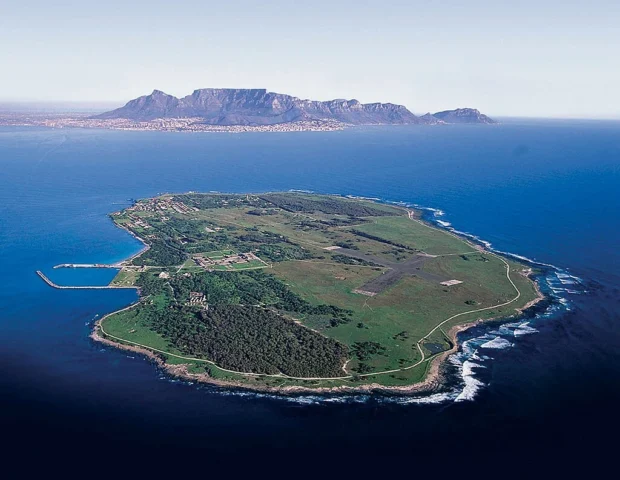
In the prison corridors, you may hear folk songs and struggle chants echoing from tours. The guides’ voices blend personal memories and national history a living lesson in resilience. Many visitors are surprised by the penguin colony that now nests on the island, reclaiming spaces once used for hardship. Robben Island is more than a history book; it’s a place where you feel lives touching your own.
Walking Among Colors in Bo-Kaap
Close to the slopes of Signal Hill, Bo-Kaap is a district of narrow streets and houses painted in vivid blues, pinks, greens, and yellows. Historically, it is home to the Cape Malay community, whose ancestors came from Malaysia, Indonesia, and Madagascar during Dutch colonial times. As you wander here, you might see women in traditional headscarves or men in fezzes, greeting one another with cheerful “salaam.”
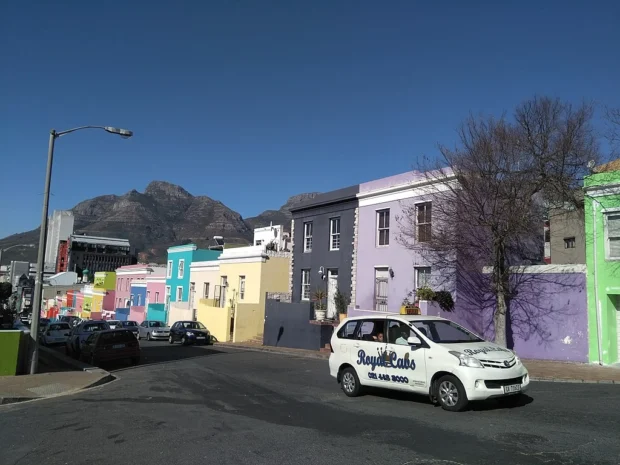
During my visit, I stumbled into a kitchen workshop where a local auntie was rolling out dough for samosas. The scents of cardamom and cinnamon filled the street. Bo-Kaap is famous for its Cape Malay curry, bobotie (a spiced meat dish with an eggy topping), and handmade koeksisters (fried dough sweets). Most houses here are protected for their heritage value look for brass knockers shaped like hands and painted signs with family names in Arabic script, telling silent stories of who came before.
Old and New at the V&A Waterfront
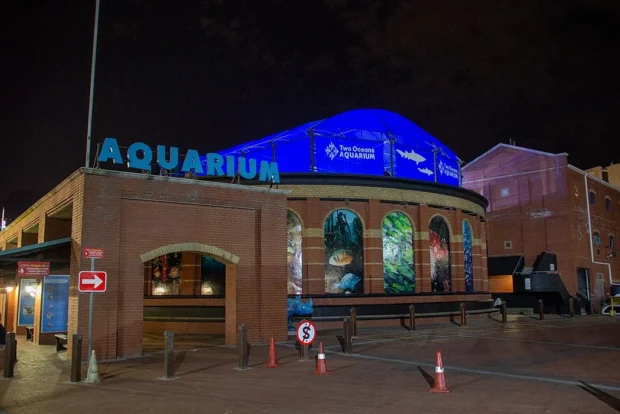
The V&A Waterfront is a working harbor and shopping district full of busy docks, markets, and public art. It’s a lively blend a fisherman mending nets near luxury boutiques, buskers playing marimba at sunset. For families, the Two Oceans Aquarium is a place to meet turtle hatchlings, seahorses, and sometimes scuba divers feeding sharks. I once joined a crowd outside an outdoor amphitheater watching local schoolchildren perform gumboot dancing, a style born in the gold mines and now part of South African folk music culture.
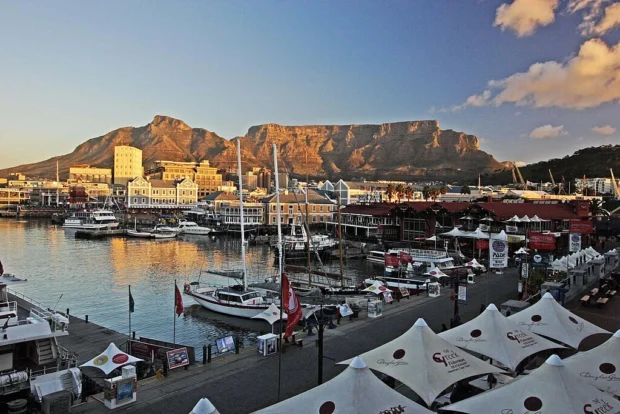
From the Waterfront you get panoramic views of Table Mountain and the city’s cranes. Pick up local crafts at the Watershed market woven baskets, beadwork, wood carvings each with a story to trace. Boat tours leave here for Robben Island, but even just sitting on the waterfront rocks with a takeaway plate of fish and chips (try snoek, a local fish) feels like a Cape Town ritual.
Sacred Green Spaces and Historic Gardens
Cape Town’s climate is Mediterranean, allowing rare flowers and ancient trees to thrive. Kirstenbosch Botanical Gardens, lying at the foot of Table Mountain, is a UNESCO World Heritage Site where you can wander among proteas, cycads, and camphor trees older than the city itself. On Sundays, I watched families picnic on the lawns while musicians played Xhosa love songs. In summer, the garden hosts open-air concerts think string quartets in the shadow of a mountain.
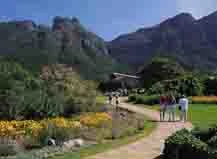
Many local herbalists come to Kirstenbosch to teach about fynbos healing. I eavesdropped on a lesson about buchu, a fragrant leaf used for tea, and rooibos, which is Cape Town’s favorite caffeine-free brew. After rain, the whole garden smells of mint and wet earth. In spring, the air glows with pincushion protea and orange ericas flowers unlike anywhere else on Earth.
Cape Point and the Wild Peninsula
A day trip toward the tip of the peninsula leads to Cape Point, part of the Table Mountain National Park. Here the cliffs plunge into restless surf where the Atlantic and Indian Oceans almost seem to shake hands. The road passes small towns like Kalk Bay (famous for its Friday fish market) and Simon’s Town, where African penguins nest at Boulders Beach.
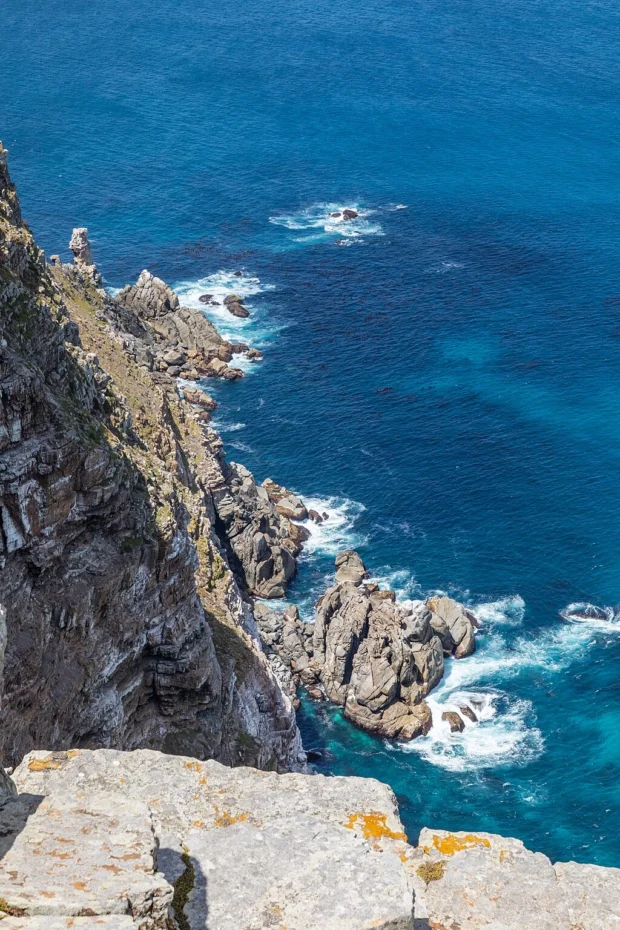
From Cape Point’s old lighthouse, you watch seabirds hover in the wind. When I visited, a troop of baboons climbed the fences, searching for snacks. Local legend says Portuguese sailors first rounded this cape in 1488, and each year, local fishermen bless their boats in a colorful waterfront ceremony, asking for safe waters. The park is full of ancient Khoisan heritage trails, middens, and rock shelters if you keep your eyes open.
Finding History: District Six and Old Forts
Cape Town’s story is not only about beauty it is shaped by struggle, displacement, and the meeting of cultures. The District Six Museum stands as a moving tribute to a once-multiracial neighborhood bulldozed under apartheid. Inside the rooms, you see hand-written memories, photographs, and maps marked with old street names.
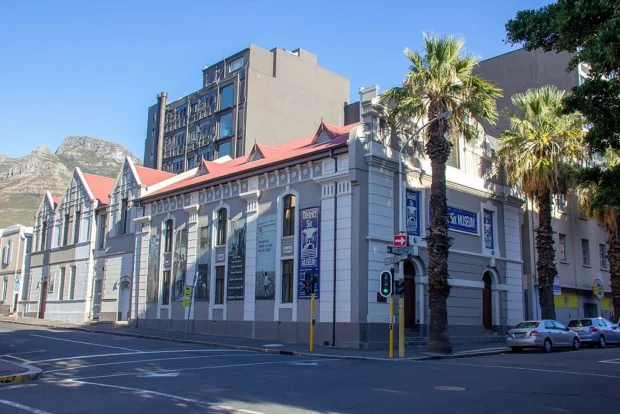
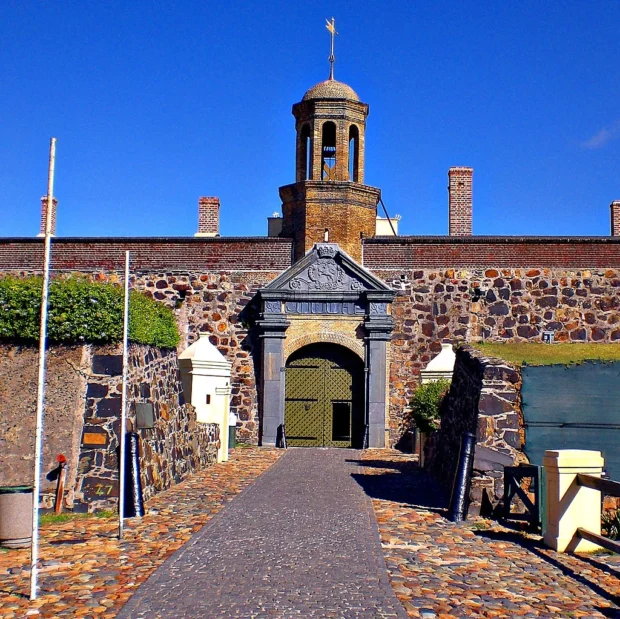
Once, at the museum café, I met a community elder who remembered singing on her stoop before the forced removals. She told me about traditions like “koe’sisters on Sunday” and the old New Year’s “Coon Carnival” parades, now reborn as the Kaapse Klopse, famous for brass bands and troupe dancing. The Castle of Good Hope, meanwhile, is the oldest colonial building in South Africa, with five bastions and gloomy dungeons that once held political prisoners. Soldiers in 17th-century Dutch costume guard the gates, sometimes performing musket drills for visitors.
Art, Food, and Community Spirit
Cape Town’s food maps its history. Districts like Woodstock and Observatory are known for young chefs, pop-up markets, and cafés mixing African, Afrikaans, and Indian influences. In central Cape Town, stews like waterblommetjie bredie (made from a native pond flower) appear in home kitchens, while grilled snoek and spicy chakalaka are street food favorites.
Markets such as the Old Biscuit Mill draw crowds on Saturdays. I’ll admit, nothing beats warm vetkoek (fried bread dough with savory fillings) eaten while watching jazz bands play. If you look for the Bo-Kaap spice shops, you may spot baskets of dried spices next to local silk and cotton garments women here still sew outfits for Eid and weddings, with elaborate embroidered detail.
Traditional music in Cape Town includes the goema drum rhythms of New Year’s bands, and sometimes you hear street choirs practicing for folk festivals like the Cape Town Minstrel Carnival. Artisans in the city often teach visitors about beading or xhosa calabash carving, so ask around in Woodstock or Khayelitsha if you’re keen to learn a new skill.
Staying Overnight: From Backpackers to Heritage Homes
Cape Town has every kind of stay except the ordinary. In the city center, you find restored Victorian homes with wooden floors and pressed-tin ceilings, now turned into guesthouses. Sea Point and Green Point host many apartments with views of the Atlantic. For those who like art and a touch of the unconventional, Woodstock’s old warehouses offer loft-style accommodation, surrounded by ever-changing graffiti murals.
If you want quiet, try a stay on the southern edges of town near Kirstenbosch or Constantia, where nights are cooler and mornings begin with birdsong. The guesthouses here sometimes serve traditional breakfasts mealie pap (maize porridge), sweet roosterkoek (grilled bread), and fresh guava juice. Wherever you stay, take time to talk to staff and hosts: many grew up nearby and share tips not found in any guidebook.
How People Live: Customs, Ceremonies, and Everyday Life
People in Cape Town often greet with a smile and a gentle handshake, sometimes pulling you in for a quick hug if you have met before. Respect is mutual elders are spoken to with care, and it’s polite to accept tea or food if offered at a home or workshop. Dress is casual but neat, with bright patterned cloth common in Bo-Kaap, and Sundays see churches and mosques filled with families in traditional garments.
Music and storytelling are central to daily life. On some weekends, I joined neighbors painting murals in District Six as part of a ritual to “bring back the old spirit.” During the month of Ramadan, you’ll notice more evening gatherings and cooks making sweet treats to share at sunset, a tradition going back centuries. On New Year’s, street parades and singing spill out until dawn, led by troupes in feathered hats and satin suits.
A few things to remember: always ask before taking photographs of people, especially during ceremonies or prayers. It’s good practice not to talk politics too loudly in public transport memories here are fresh and feelings sometimes deep. People appreciate a thank you (“baie dankie” in Afrikaans, “enkosi” in Xhosa). And if you are given a plate of food, finish what you can sharing a meal is a sign of friendship.
Seasonal Events, Artisan Life, and Sunset Rituals
Depending on the season, Cape Town’s life shifts. In January, the city wakes up early and parties late, with Kaapse Klopse bands filling the streets. Autumn brings grape harvest festivals around Constantia, a reminder of the city’s long wine heritage. Winter is quieter but full of surprise storytelling evenings and neighborhood potjiekos (stew) competitions in old taverns.
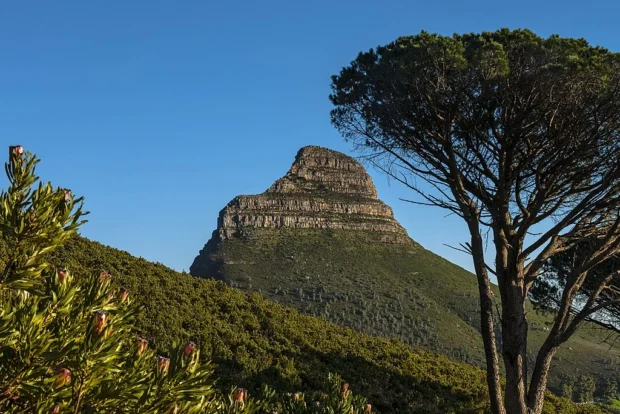
Walk the old neighborhoods and watch the weavers at work, or listen for steelpan bands practicing under the highway bridges. Lion’s Head, with its evening full-moon hikes, is a local favorite; people gather at the summit to watch both ocean and city lights. I once joined a group of Capetonians marking the solstice with folk songs and homemade honey wine, swapping tales in English, Afrikaans, and Xhosa.
Departure and Lasting Impressions
When the time comes to leave Cape Town, you carry away images that don’t fit into a camera roll. Table Mountain, quietly guarding its city. Jazz spilling from open doors in the city bowl. Hands raised in dance, or lifted for prayer. Cape Town is a city of mingling of traditions and change, of ocean and rock, of hearty food and painted houses. Spend your days listening, tasting, and wandering. The city will tell you its stories if you let it.

Anthropologist and traveler admiring local customs, festivals and traditional arts.
- CapeTown CityHall by Martinvl on Wikimedia Commons – cc by-sa 4.0
- View of Table Mountain from Signal Hill 1 by Photograph by Mike Peel (www.mikepeel.net). on Wikimedia Commons – cc by-sa 4.0
- Robben Island – Cape Town, South Africa (3883849594) by South African Tourism from South Africa on Wikimedia Commons – cc by 2.0
- Bo-Kaap, Cape Town (23) by Nahid SultanThis work was made by Nahid Sultan and released under the license(s) stated below. Please feel free to use it for any purpose as long as you credit Nahid Sultan as author and follow the terms of the chosen license. If you use this work outside of the Wikimedia projects, I would very much like to get a note from you. Thanks! on Wikimedia Commons – cc by-sa 4.0
- Two Oceans Aquarium 2018 18 by Photograph by Mike Peel (www.mikepeel.net). on Wikimedia Commons – cc by-sa 4.0
- V&A Waterfront – Western Cape, South Africa (4028578483) by South African Tourism from South Africa on Wikimedia Commons – cc by 2.0
- Kirstenbosch National Botanical Gardens – South Africa (2418528060) by South African Tourism from South Africa on Wikimedia Commons – cc by 2.0
- Cape Town (ZA), Cape Point Nature Reserve — 2024 — 3361 by Dietmar Rabich on Wikimedia Commons – cc by-sa 4.0
- At Cape Town (MP) 2018 029 by Photograph by Mike Peel (www.mikepeel.net). on Wikimedia Commons – cc by-sa 4.0
- Cape Town, Castle Of Good Hope – panoramio (1) by scott marsland on Wikimedia Commons – cc by 3.0
- Fynbos, Lion's Head and trees from Table Mountain trail by Daniel Case on Wikimedia Commons – cc by-sa 3.0


.jpg)
.jpg)

.jpg)
.jpg)
,_Cape_Point_Nature_Reserve_--_2024_--_3361.jpg)
_2018_029.jpg)
.jpg)
