

Porto, Portugal’s second largest city, surprised me from the very first moment. This city is famous for its lively river views, brightly colored narrow houses, and beautiful tile-covered walls. As a traveler who values authentic experiences, Porto offered not only postcard-perfect sights, but also a rhythm of everyday life that felt welcoming and mysterious at once. From its historic architecture to street gastronomy, its art-filled cafés to timeless squares, Porto’s neighborhoods are a living gallery of Portuguese culture. Whether you are planning a few days or a longer stay, these Porto highlights and hidden corners will linger in your memory long after you leave.
Table of Contents
Arriving in Porto: Easy Steps to the City
Touching down at Francisco Sá Carneiro Airport, my first impression was how organized and easy it was to get into the city center. The Metro do Porto its violet E line runs straight from the airport to Trindade station. The ride takes about 35 minutes, and trains are punctual and clean. Tickets are cheap, and you can buy them from the machines at the airport. You do not need to speak Portuguese; there are English instructions. As the train hummed along, the city’s red roofs and blue river slowly appeared, setting the mood for what was ahead.
Crossing Dom Luís I Bridge: Porto’s Iron Icon
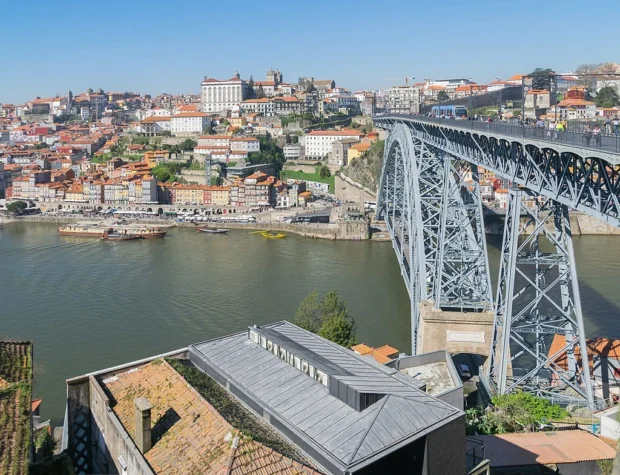
My strongest memory of Porto starts on the Dom Luís I Bridge, the city’s most recognized landmark. Designed by a student of Gustave Eiffel, this double-deck iron bridge stretches over the Douro River, connecting Porto’s old town to Vila Nova de Gaia. I crossed it both on foot and by metro, and each time was different. The upper level is reserved for trams and pedestrians, and as you walk, you feel the wind and see the ancient city spread beneath your feet. Locals say the bridge is especially beautiful at sunset, when the buildings glow gold and the river reflects the sky. It is also a favorite spot for photographers don’t be surprised if you suddenly find yourself framed by someone’s camera lens.
For a stunning urban adventure, try the Sydney Harbour Bridge Walk with breathtaking views similar to Porto’s iconic bridge vistas.
Wandering Porto’s Ribeira District
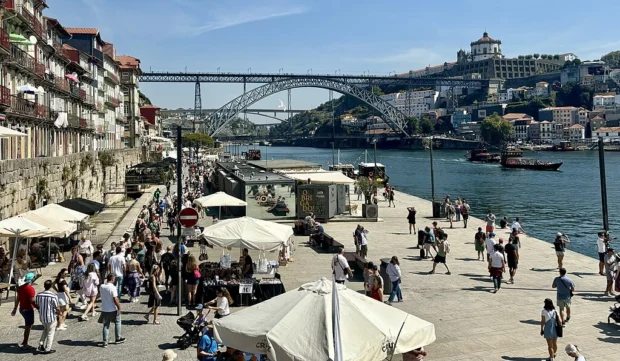
On the north side of the bridge lies the Ribeira district, Porto’s oldest neighborhood. I spent an afternoon wandering its steep, twisting lanes, which are lined with centuries-old houses painted yellow, pink, or blue. Laundry hangs from balconies; cafés spill onto cobble-stone squares. Ribeira Square is always buzzing with voices and music. At the water’s edge, you’ll see old wooden boats once used to transport port wine barrels. I recommend sitting on the riverside for a while with a glass of iced white port, simply watching local life pass by. Here, time slows down. The smell of grilled sardines drifts past as children play football between outdoor tables.
Clérigos Tower and Panoramic Views
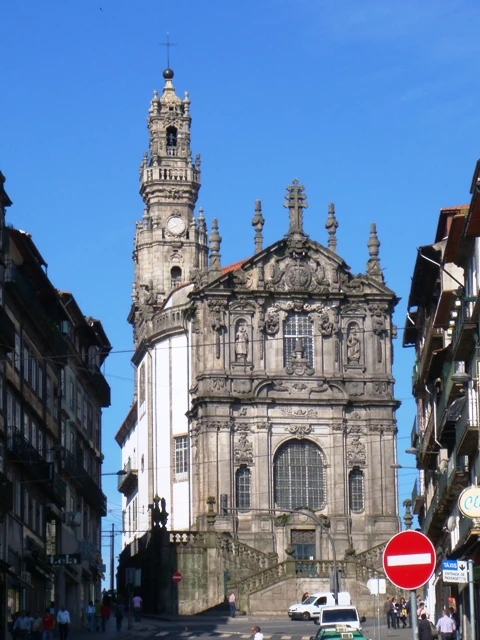
From Ribeira, I followed narrow streets uphill to Clérigos Tower, a slender baroque bell tower that has watched over Porto since the 1700s. The climb to the top is 225 steps be ready for a workout but the panorama is worth every breath. From the viewing platform, Porto rolls out in a patchwork of red roofs and church domes, with the river twisting towards the Atlantic. I learned from a friendly guide that the tower’s architect, Nicolau Nasoni, is buried under the church next door, still looking over his masterpiece. As bells rang above, I stood quietly, feeling the city’s pulse beneath me.
Porto Cathedral and São Bento Station: Living Art in Stone and Tile
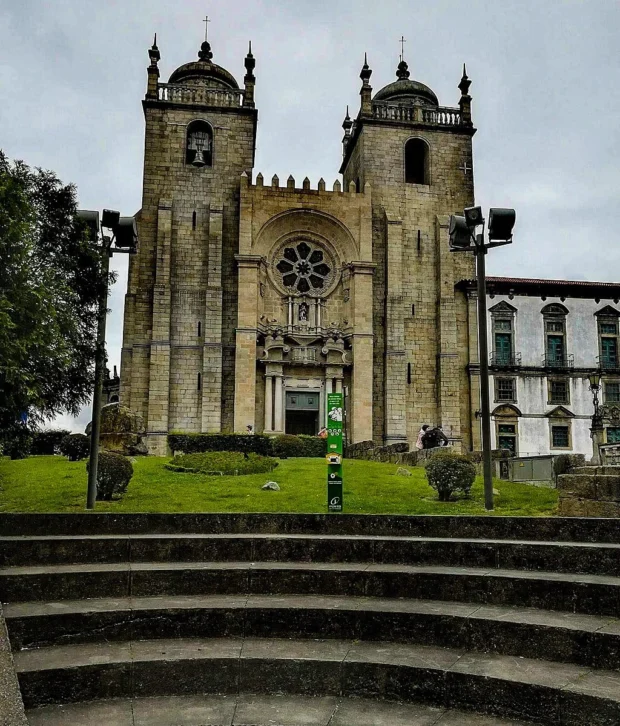
Just a short walk from Clérigos, Porto Cathedral (Sé do Porto) sits like a fortress above the old town, its thick granite walls holding centuries of stories. I entered through its heavy wooden door and was struck by the cool hush inside. Sunlight slanted through stained glass, painting colors on ancient stones. Outside, the cathedral square is a good place to pause and look out at the river below.
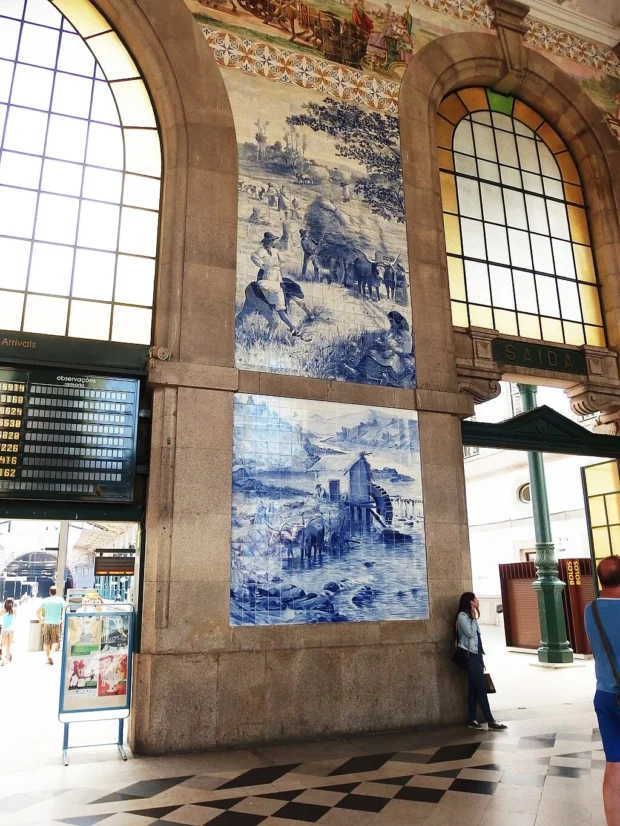
Not far from here is São Bento Station, famous not only for its trains but for the artwork on its walls. Over 20,000 blue and white tiles (azulejos) tell the history of Portugal, showing battles, farmers, kings, and festivals. I spent a long time just gazing at the tiles, letting the scenes transport me back in time. The locals use this as their daily station, but to travelers, it feels like walking through a living museum. For updated opening times and services, consider checking information before your trip.
Port Wine, Market Traditions, and Postcard Moments
Porto’s name is known worldwide because of its famous port wine. In Vila Nova de Gaia, across the river, you’ll find many wine cellars offering guided tours and tastings. I joined a small group, learning how the sweet wine is aged in cool, dark barrels. Guides share the story of English merchants who fell in love with this wine hundreds of years ago and made it an international treasure. It was fascinating to see how local craftspeople still use traditional methods, and every glass tasted like a piece of Porto’s history.
For a taste of local life, I wandered through the Mercado do Bolhão in the city center. This lively market is packed with food stands. Old ladies sell fresh vegetables, codfish, and wheels of cheese. The butchers call out their offers, and flower sellers add color and perfume. I tried a bifana a simple pork sandwich hot and spicy, the way locals eat it for lunch. Street food is a big part of Porto’s identity, and even a quick snack feels like a cultural lesson.
Architectural Landmarks: Palácio da Bolsa and Livraria Lello
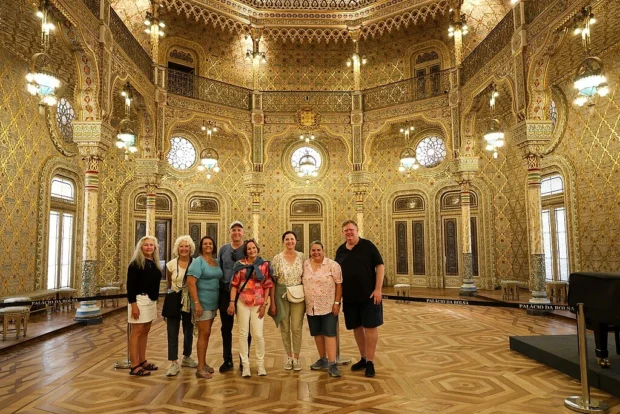
One of Porto’s architectural masterpieces is the Palácio da Bolsa, or Stock Exchange Palace, built in the 19th century. Its neoclassical façade hides some of the city’s finest interiors. I joined a guided tour to see the Arab Room, decorated with glittering gold details and Moorish patterns. Oddly, this building was never a royal palace, but it feels fit for a king. The room is often used for concerts and events, and I imagined elegant balls taking place under the chandelier.
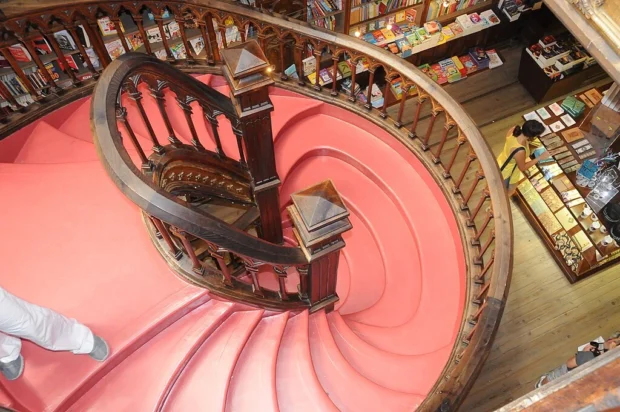
Nearby, I found Livraria Lello, a bookshop that has become a pilgrimage for literature lovers anywhere. It is a dreamy, winding place, filled with stained glass, carved wood, and a staircase that looks like it is floating. Locals told me that JK Rowling, while living in Porto, visited the shop often, and it is said to have inspired her Harry Potter books. Even if you are not a reader, you will want to photograph this magical interior. Arrive early to skip the crowds a line forms before it opens.
Casa da Música and the Modern Side of Porto
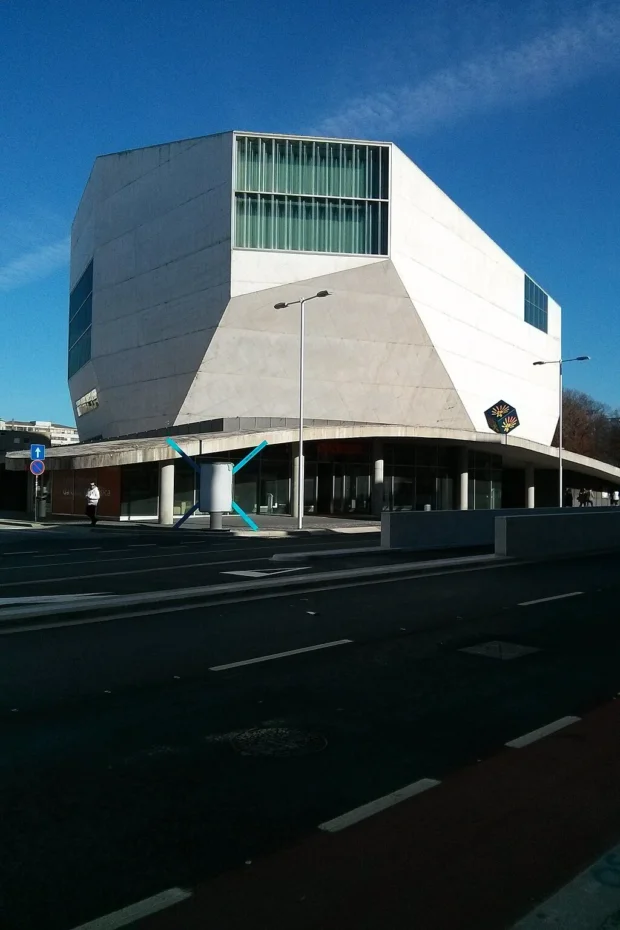
Porto is proud of its past, but it also embraces the future. Casa da Música, a bold, shining concert hall, stands out in the Boavista district. Shaped like a giant white diamond, it is a magnet for music fans and architecture lovers alike. I attended a rehearsal one morning, sitting quietly as an orchestra warmed up. The acoustics are perfect, and the building’s sharp angles catch the sun in unexpected ways. Even if there’s no concert, the café inside is a good place to relax and watch Porto’s modern side go by.
Jardins do Palácio de Cristal: Green Escape in the City
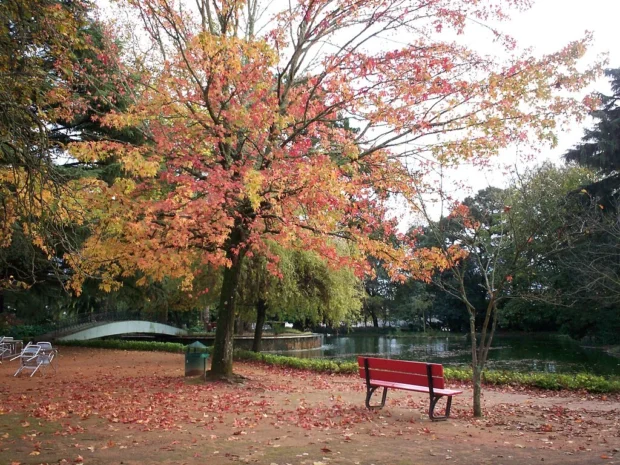
After a day among busy streets, I craved a little green peace. The Crystal Palace Gardens, or Jardins do Palácio de Cristal, offered just that. Winding paths lead through roses, camellias, and tall trees. Peacocks roam the lawns with their tails spread like blue fans. From the edge of the garden, I looked out over the Douro boats drifting below, the city climbing the hills. Locals come here to picnic, read, or simply rest. For those who love photography, this is one of the best spots for capturing Porto’s skyline.
Foz do Douro: Where River Meets the Sea
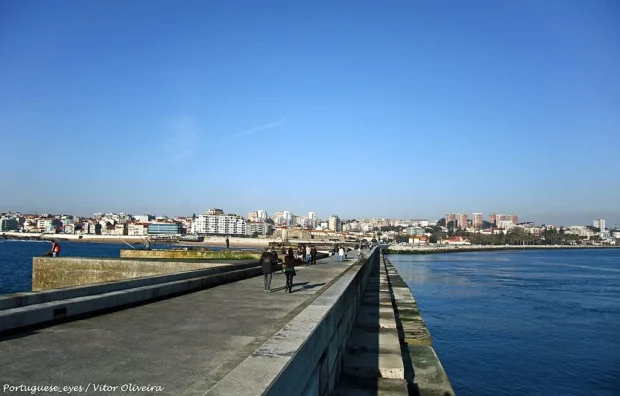
No visit to Porto feels complete without breathing the salty air at Foz do Douro, where the Douro River meets the Atlantic Ocean. I rode tram number 1 from the center a slow, rattling journey, but worth it for the views along the water. Foz has elegant 19th-century villas, fresh seafood restaurants, and a long promenade lined with palm trees. I watched fishermen patiently checking their lines and families walking dogs in the afternoon sun. The Atlantic waves are wild, sometimes crashing high against the rocks, but local swimmers do not seem to mind. Try the roasted octopus with potatoes here; it is a specialty and full of flavor.
Where to Stay in Porto: Neighborhood Choices
Porto’s historic center, especially Ribeira and Baixa, is the best place for first-time visitors. You will be close to most attractions, lively squares, and the river. Staying here means you can walk almost everywhere, and there is always a bakery or café around the corner. For quieter nights and more space, the Boavista district offers wider avenues, parks, and modern apartments still just a short metro ride from the sights. Near Foz do Douro, you find seaside guesthouses, perfect if you want fresh air and peaceful evenings.
No matter the district, many accommodations are inside old stone buildings with tall ceilings, wooden stairs, and those beautiful tile facades Porto is famous for. Most guesthouses are run by friendly owners who will share their favorite bakery or market stall if you ask.
Neighborhood Gastronomy and Coffee Rituals
Porto’s food is honest, robust, and full of surprises. In the Baixa area, I tasted the city’s most famous dish, francesinha a sandwich layered with steak, ham, sausage, and cheese, then covered with a spicy tomato beer sauce. It is not light, but it is comforting, especially after a long walk. For breakfast, the traditional pastel de nata (custard tart) and a strong bica coffee are served at almost every café. I loved sitting in Art Deco coffee houses, watching the world go by while locals argued about football or politics in fast Portuguese.
Every district has its own flavor. In Bolhão, cheap and cheerful diners serve tripe stew a dish Porto’s residents are proud of. In the riverside zone, you will find grilled sardines and seafood rice. I met an old baker who told me his family has baked broa, the local corn bread, for over 80 years. Food here is not only to eat but to share, always arriving at the table with a story.
Porto’s Traditions and Everyday Customs
Porto’s people are proud but humble, and politeness is important. When you enter a shop or café, a friendly “bom dia” (good morning) is appreciated. Locals value directness and honesty, but always with a smile. During meals, do not rush dining is a chance to talk and laugh. Tipping is not mandatory, but a small amount is welcomed for good service.
Street festivals are part of city life, especially during São João in June, when the whole city celebrates with grilled sardines, music, and dancing in the streets. People believe that hitting others gently on the head with plastic hammers during the festival brings luck. It might sound odd, but laughter fills the air, and everyone joins in, tourists included.
Practical Travel Tips for Porto
Getting around Porto is simple. Besides the metro, there are trams, buses, and local trains. Walking is often the best way to see the old neighborhoods some streets are steep and paved with stones, so wear comfortable shoes. Carrying cash is useful in small shops or markets, but most places accept cards. Weather can change quickly; a light jacket is good to have, even in summer.
The city is safe, but like any popular place, watch your belongings, especially in crowded markets or trams. English is spoken at hotels and main sights, but learning a few Portuguese words is always appreciated and opens doors to friendly conversations.
Capturing Porto’s Soul: Slow Moments and Lasting Memories
One of my favorite memories is simply sitting by the river at sunset, watching the boats and listening to a street musician playing fado. Porto is a city best enjoyed at a slow pace. Stop to look at the hand-painted tiles, taste a new pastry, or chat with the old man who sells postcards near the cathedral. Every day brings a new discovery sometimes grand, sometimes quietly beautiful.
Porto mixes old and new, elegance and roughness, river and sea. From the iron lines of Dom Luís I Bridge to the secret gardens behind stone walls, it is a place that rewards curiosity. Whether you are here for the famous azulejos, the taste of port wine, or the warmth of its people, Porto will find a way to surprise you. If you take time, walk slowly, and let the city tell its stories, you might just fall in love as I did.
After enjoying Porto’s rich history and landscapes, take a moment to explore Lisbon’s Belém Tower, a beautiful maritime fortress blending art and adventure.
Lover of cities, local cafés, and historic streets, exploring urban life with attention to architecture and culinary delights.
- O Porto (visto da Ponte Dom Luis I) by Rititaneves on Wikimedia Commons – cc by-sa 3.0
- Dom Luis I bridge from Jardim do Morro (1) by Krzysztof Golik on Wikimedia Commons – cc by-sa 4.0
- -i—i- (54045813007) by Frank Kovalchek from USA on Wikimedia Commons – cc by 2.0
- Clerigos Tower, Porto, Portugal by User: (WT-shared) Shoestring at wts wikivoyage on Wikimedia Commons – cc by-sa 4.0
- Cattedrale di Porto. Ph Ivan Stesso by Ivan Stesso on Wikimedia Commons – cc by-sa 4.0
- Porto, São Bento station, azulejos (2) by Palickap on Wikimedia Commons – cc by-sa 4.0
- Palácio da Bolsa, Bolsa Palace, Porto, Portugal (53973583947) by flowcomm on Wikimedia Commons – cc by 2.0
- Livraria Lello – Porto Portugal (4) by Joseolgon on Wikimedia Commons – cc by-sa 4.0
- Casa da Música (14369875742) by Aleksandr Zykov from Russia on Wikimedia Commons – cc by-sa 2.0
- Jardins Palácio de Cristal by Marta.i.sousa on Wikimedia Commons – cc by-sa 3.0
- Foz do Douro – Porto – Portugal (15809441453) by Vitor Oliveira from Torres Vedras, PORTUGAL on Wikimedia Commons – cc by-sa 2.0
.jpg)
.jpg)
.jpg)


.jpg)
.jpg)
.JPG)
.jpg)

.jpg)