
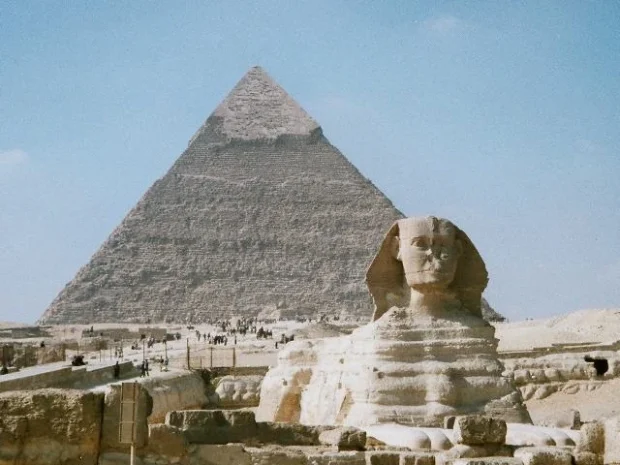
The sprawling sands outside Cairo hold a secret that has echoed through millennia the Pyramids of Giza. Among the most admired monuments on Earth, these ancient stone giants stand as testaments to human endurance, creativity, and deep connection with the cosmos. For those drawn by whispers of history, archaeology, and the quiet majesty of Egypt’s golden desert, the Pyramids of Giza evoke a reflection on time, heritage, and the natural world surrounding Egypt’s bustling capital. This narrative unfolds here amidst the shifting sands and enduring stones inviting travelers to walk where Pharaohs once ruled and the desert wind carries stories older than written word.
Table of Contents
Approaching the Desert Giants from Cairo’s Heart
Reaching the Pyramids of Giza from central Cairo is a gentle passage between the modern and the eternal. Located approximately 20 kilometers southwest of downtown Cairo, the Giza Plateau is accessible by multiple means, each with its own rhythm and view.

Visitors arriving from Cairo International Airport will find taxis or pre-arranged car services the most convenient, offering a 45-to-60-minute drive across the city’s vibrant traffic toward the desert horizon. For those traveling from Cairo’s central train or bus stations, frequent local minibuses traverse the route to Giza’s suburb, followed by a short taxi ride to the entrance.
Alternatively, many choose private guided tours which streamline transport and provide enriched context, merging convenience and education seamlessly. The journey itself unfurls an ever-widening panorama where concrete meets sands softly stirred by the breeze.
The Eternal Shape of Memory and Stone
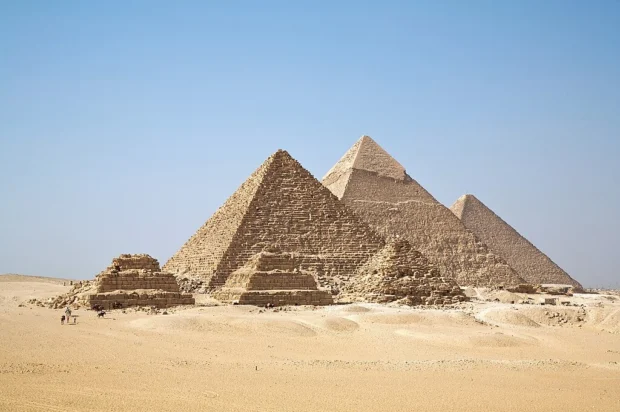
The Pyramids of Giza form a complex enveloping three monumental pyramids: Khufu (the Great Pyramid), Khafre, and Menkaure, each resting on the desert plateau for over 4,500 years. The Great Pyramid of Khufu, the oldest and grandest, was held as the tallest man-made structure for nearly four millennia. This feat of engineering, constructed with limestone blocks weighing tons each, reaches skyward as a silent ode to the Pharaoh’s passage to eternity.
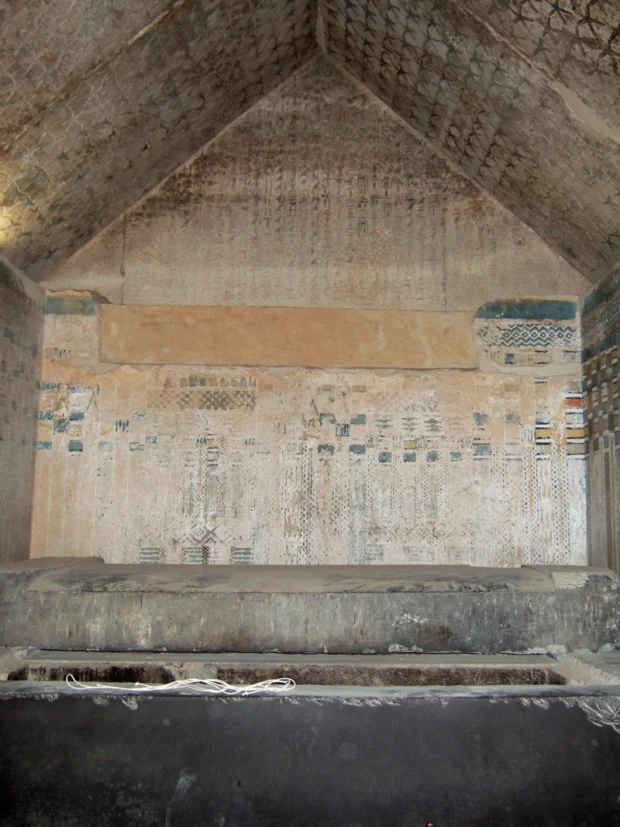
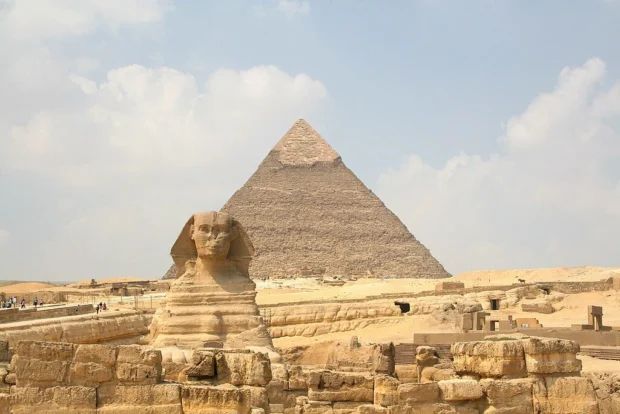
Embedded within these colossal forms are stories of the ancient Egyptian vision of the afterlife, astronomy, and governance. The alignment of the pyramids subtly mirrors the stars of Orion’s Belt, a celestial guide to immortality for the ancients. Surrounding the pyramids, the sprawling necropolis includes mortuary temples, smaller pyramids for queens, and the enigmatic Great Sphinx, whose lion’s body and human face gaze steadfastly toward dawn.
The Sphinx’s Silent Vigil
The Great Sphinx, carved from natural limestone, embodies mystery and endurance, its weathered countenance whispering secrets of forgotten epochs. Part guardian, part riddle, it bridges human imagination with the land’s geological history, standing sentinel against winds that sculpt the desert floor.
Planning Your Visit to the Giza Plateau
Visiting the Pyramids is an encounter with time itself, best approached with care and respect. Ideal months to venture here are from October to April, when cooler desert climes allow for more comfortable exploration. Early mornings and late afternoons are especially magical the sun’s angle painting the ancient stones with golden hues, while crowds thin into whispers.
Weekdays typically offer a more serene experience than weekends, when local visitors and tourists alike add vibrancy to the desert quiet. The site opens at dawn and closes with the sunset, providing ample daylight hours for discovery.
Tour and Ticket Essentials
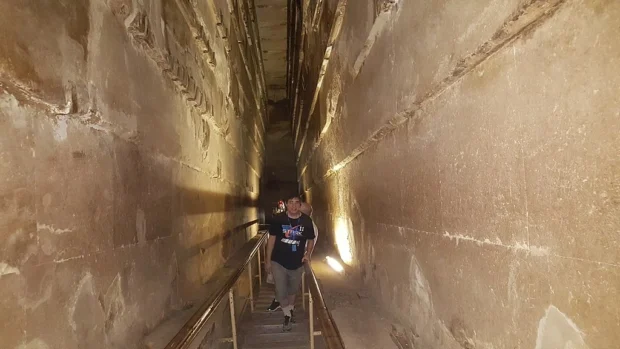
Entry to the pyramid complex requires ticket purchase either at the gate or online through the official portal. Guided tours, offered by numerous local operators, enrich understanding of each monument’s layered significance and practical construction marvels. For those wishing to enter the interior of the Great Pyramid, a separate ticket is required, availability often limited, and the experience involves narrow, steep passageways not suited for everyone.
Accommodations near the Desert’s Edge
Several lodgings cluster around the Giza Plateau, blending convenience with views of the pyramids against the endless sky. Whether seeking a cozy guesthouse, a boutique hotel with a terrace view, or larger resorts with modern amenities, options are abundant yet deliberate ensuring tranquility after days spent among the sands.
Evenings afford a chance to dine in local eateries that preserve traditional Egyptian flavors. Sampling dishes like koshari, ful medames, or freshly baked baladi bread amid the hum of nearby Cairo offers a grounding balance to the day’s grand explorations.
The Desert’s Whisper Through Time and Stone
While the Pyramids stand as monuments of human craft, they also invite contemplation of the desert itself the shifting sands, the sparse flora that clings defiantly to life, and the archaeological stories etched in stone faces and petroglyphs hidden nearby. These relics echo an ancient relationship between land and people, between nature’s endurance and human heritage.
The Pyramids exemplify the intertwining of geology and astronomy, traditional navigation routes once fabled by desert caravans, and cultural heritage sites preserved through careful conservation. Photography here captures not just monuments, but moments suspended in timeless silence.
Additional Resources and Contacts
For refreshed details, ticket bookings, and official visitor guidelines, the Egyptian Ministry of Tourism website remains a reliable portal. This site, while functional and full of practical information, retains a quiet dignity reflecting the pyramids’ solemn presence.
Consulting local guides and experts familiar with the desert ecosystem, regional oral traditions, and ethnographic aspects of the Giza Plateau will deepen the experience beyond stones and sand. The connection to this place resonates far beyond the immediate visit, echoing ancient wisdom and architectural mastery.
For a broader view of Cairo’s vibrant life and rich culture beyond the pyramids, consider reading this guide to Cairo’s ancient marvels and buzzing life today.
- Egypt.Giza.Sphinx.01 by en:User:Hajor on Wikimedia Commons – cc by-sa 3.0
- All Gizah Pyramids by Ricardo Liberato on Wikimedia Commons – cc by-sa 2.0
- Camels and horses near Khafre's Pyramid, Egypt by Aaftabnadaf786 on Wikimedia Commons – cc by-sa 4.0
- By ovedc – Interior of the Great Pyramid – 07 by Ovedc on Wikimedia Commons – cc by-sa 4.0
- Burial chamber in Unas' pyramid by Vincent Brown on Wikimedia Commons – cc by 2.0
- Great Sphinx of Giza, Giza, Egypt4 by Diego Delso on Wikimedia Commons – cc by-sa 3.0


