
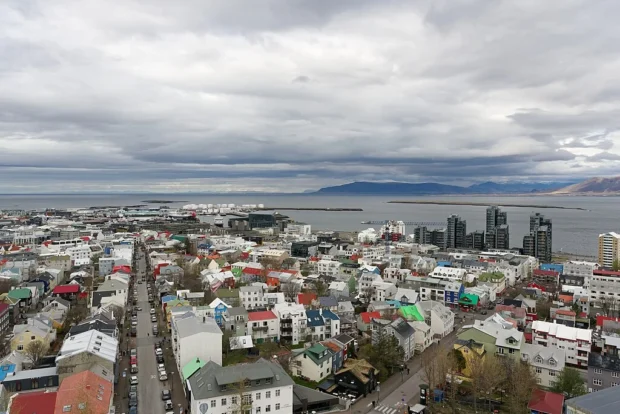
Reykjavik, Iceland, stands today as a compact but sophisticated capital city at the edge of the North Atlantic. For visitors interested in city infrastructure, design, and must-see locations, Reykjavik offers a precise combination of famous landmarks, innovative transport systems, and a distinct Icelandic culture. Keywords such as Reykjavik sights, Hallgrímskirkja, Harpa Concert Hall, Sun Voyager, and Reykjavik food emerge frequently among travelers planning their visit. My recent journey in Reykjavik, punctuated by efficient city transit and methodical urban planning, turned up not just postcard views, but clever local solutions and practical amenities perfect for those who appreciate both aesthetics and logistics.
Table of Contents
Getting Around Reykjavik: Transport and Access
Arrival at Keflavik International Airport, 50 kilometers from the city center, presents the first test of Icelandic transport. After several conversations at the terminal, I found the most efficient route is the Flybus coach, which departs with every arriving flight. Tickets are best booked online for a slight discount, and the bus reaches BSI bus terminal in central Reykjavik in 45 minutes, with onward connections to popular hotels and guesthouses available by minibus. Navigating the city is easy; most districts are connected by city buses operated by Strætó, which are accessible and allow payment via the Strætó app saving time and small change.
If you prefer cycling, Reykjavik’s expanding bike lane network follows the coast and main roads, offering direct access between the harbor, downtown, and neighborhoods like Vesturbær. Intermodality is remarkably advanced for a city of this size; at the Hlemmur bus station, I observed seamless connections between regional buses and city routes. No metro or tram exists, but the journey on foot between most major sites rarely exceeds 20 minutes. This compact design interests fans of urban planning and accessibility. Road surfaces are heated in some areas to prevent ice, also a unique feature I noted while walking Laugavegur Street in winter.
Hallgrímskirkja: Landmark of Reykjavik’s Skyline
Rising above Reykjavik, Hallgrímskirkja is the tallest church in Iceland and a vital navigation point in the city. The church’s design, influenced by basalt lava flows and Iceland’s volcanic landscape, is both striking and functional; I spoke with a guide who explained its construction relied on innovative concrete techniques to withstand seismic conditions. Admission to the tower, available via elevator, provides unmatched views of the city’s colored rooftops and the Faxaflói Bay, with tickets sold just inside the entrance. The symmetry of the church also acts as a visual anchor, simplifying city wayfinding for newcomers. Locals often use Hallgrímskirkja for rendezvous, proving its place as a true urban center.

Harpa Concert Hall and the Waterfront
Harpa Concert Hall, with its glass façade inspired by Icelandic basalt columns, caught my eye on approach from the harbor. Completed in 2011, Harpa marks Reykjavik’s transformation into a modern city, both visually and culturally. The building’s panels, which shimmer in changing light, are best viewed at sunset, when the North Atlantic wind can be felt along the adjacent harbor path. I joined a guided tour, which introduced the complex acoustics of the main hall and the precision urban planning behind Harpa’s location near the main port. This site is also a hub for buses, and tickets for events can be bought easily at digital kiosks in the lobby an example of Iceland’s focus on technology and efficiency.

A short walk north brings you to the Sun Voyager, or Sólfar, a steel sculpture resembling a Viking ship. The placement, right along Sæbraut Road, is strategic offering unobstructed views of Mount Esja across the bay. Locals explained that Sun Voyager is not just a tourist attraction, but also a symbol of hope and freedom in Icelandic culture. I noticed, even in cold winds, Reykjavik residents pause here, perhaps to take a photograph, or quietly greet each other with “Góðan daginn” (good day).

Laugavegur Street and City Life
Laugavegur Street is Reykjavik’s main shopping and pedestrian corridor, stretching from Hlemmur to Bankastræti. The street is notable for its accessibility, with raised sidewalks and heated pavement in winter, an urban design highlight that prevents slippery surfaces a detail appreciated during icy months.

On Laugavegur, I tasted a traditional pylsur (Icelandic hot dog) at a street stand, famous for sheep and lamb sausage topped with a sweet brown mustard, crunchy onions, and “remúlaði,” a mayonnaise-based sauce. I recommend visiting mid-morning, when bakeries sell warm kleina (pastries) and city buses are less crowded. The street is also reserved for special events and parades, emphasizing its importance in Reykjavik’s public life. While sitting on a bench, I overheard a soft “Takk fyrir” (thank you) exchanged between shopkeepers and customers a gentle reminder of the city’s polite etiquette.
Reykjavik’s Museums: Culture and History Combined
For those interested in the past, the National Museum of Iceland near the University district presents well-organized exhibitions on settlement, sagas, and even modern politics. English descriptions are provided alongside Icelandic, making it accessible for all. My guidebook suggested starting here for a solid background before visiting other historical sites.

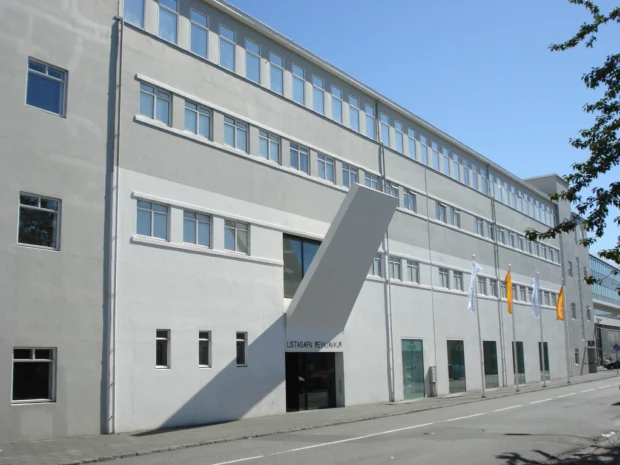
The Reykjavik Art Museum is divided between three buildings: Hafnarhús, Kjarvalsstaðir, and Ásmundarsafn, all connected by city buses. At Hafnarhús, I learned about contemporary Icelandic artists and the city’s transition from fishing port to cultural hotspot. Not far away, the Saga Museum utilizes lifelike figures and multimedia presentations to retell the stories of Vikings and early settlers.

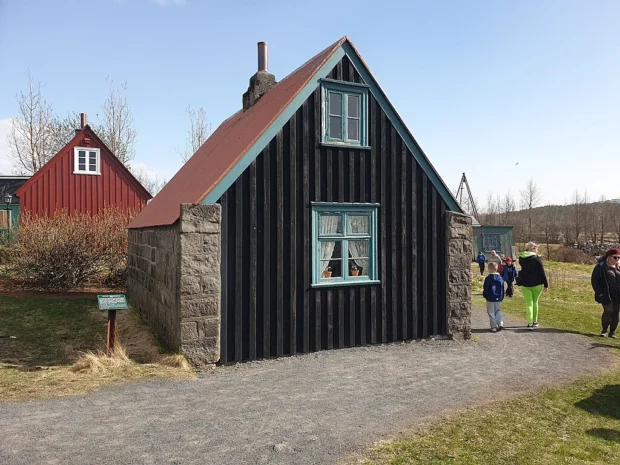
If you have extra time, Árbaejarsafn Open Air Museum recreates a traditional Icelandic village, with turf houses and costumed interpreters. During my stroll, a docent greeted me with “Velkomin” (welcome), explaining how Reykjavik’s suburbs once looked. For visitors keen on infrastructure, Perlan a glass dome on Öskjuhlíð Hill features not only a 360-degree observation deck but also an exhibition center housed above the city’s former hot water storage tanks, an ingenious use of resources that suits Iceland’s geothermal expertise.

Postcard Scenes on Tjörnin and Around the Lake
In the heart of Reykjavik, Tjörnin Lake is a gathering place for birdwatchers, families, and joggers. The walking path, illuminated at dusk and free from car traffic, loops around the water through parks and past City Hall. In winter, I found locals skating or feeding swans, while in summer the lake reflects the pastel houses and green lawns. Directly south, the Parliament and National Gallery are within easy reach, highlighting the city’s compact design.

Public benches and informative signage make Tjörnin an accessible destination for all ages. This is also a good area to spot traditional wooden houses, maintained with bright colors to withstand the northern light. On my walk, a local advised me to sample “skyr” a thick yogurt available in nearby cafés remarking, “Það er gott fyrir þig,” meaning “It is good for you.” I found skyr to be both mild and filling, perfect for a midday break.
Districts, Design, and Where to Stay
Reykjavik’s accommodation options cluster in several districts. The city center (Miðborg) offers quick access to sights, frequent bus service, and plentiful food halls, while Vesturbær provides quieter guesthouses and family-run hostels within walking distance of both the harbor and the university campus. Neighborhoods like Hlíðar and Laugardalur, further east, are served by city bus lines, making them efficient bases for those interested in the Reykjavik Art Museum’s satellite locations or the city’s largest swimming pool.
Icelandic residential architecture mixes functionalism with bursts of color. Many homes use corrugated metal siding an adaptation to fierce winter weather. Even guesthouses maintain this balance, offering warm interiors and views toward the mountains or the Atlantic. While many international brands are present, I noticed independent guesthouses frequently provide better advice on bus tickets, day tours, and cycling routes.
Food Specialties and Reykjavik’s Culinary Scene
Icelandic cuisine reflects both the country’s isolation and innovation. In the Old Harbor district, I sampled plokkfiskur, a traditional fish stew with mashed potatoes and herbs, recommended by an elderly couple who explained its origins in using leftover cod. Several restaurants in Grandi neighborhood feature “catch of the day” fish cod, haddock, or Arctic char served with root vegetables and homemade rye bread.
For a sweet option, try rúgbrauð, a dark rye bread baked in geothermal ovens. I found it sold both at small bakeries and at Perlan’s café, which boasts panoramic views. Vegetarian dishes are increasingly common, especially in places catering to students, and most menus mark allergens clearly in both Icelandic and English. Tap water is always potable and fresh, drawn from local springs; Reykjavik locals often declare with pride that their “vatn” (water) is among the world’s purest.
Etiquette, Customs, and Practical Advice
Reykjavik is renowned for politeness and informality. While locals rarely say hello to strangers on the street, a small smile or quiet “Halló” is always polite when entering shops or starting a conversation. Removing shoes indoors is customary, especially when visiting someone’s home. Icelanders value punctuality, so arriving on time for tours or reservations is appreciated. Street crime is very rare, and public spaces are safe at all hours.
Recycling bins line the main streets, a reminder of Iceland’s environmental consciousness. Most restaurants and shops accept credit cards; small cash is only needed for some bus tickets or public toilets. English is widely spoken, but using simple Icelandic phrases such as “Takk fyrir” (thank you), “Góðan daginn” (good day), or “Velkomin” (welcome) is always received with a nod or smile. I found that navigation was made even easier by the clear signage and well-placed city maps throughout the central districts.
Practical Timings, Access, and Closing Thoughts
Most major sights open between 10:00 and 17:00, but summer daylight (nearly 20 hours) allows for extensive self-guided walking tours well into the evening. Bus timetables are posted at each stop; the Strætó app provides live updates and route planning in English, which I found highly efficient. For those planning longer stays or trips outside Reykjavik, domestic bus lines link directly to the city center and onward to the airport, often departing from the BSI terminal
Finally, Reykjavik’s combination of modern infrastructure, compact design, and respect for tradition make it an efficient, welcoming place to visit. Whether tracing the city’s history in museums, admiring modernist architecture at Harpa, or simply enjoying a hot dog on Laugavegur, you will find both warmth and order in Iceland’s capital. For anyone interested in urban design, efficient travel, and memorable sights, Reykjavik fulfills every expectation.

- View of Reykjavík from Hallgrímskirkja, 20230507 1229 5733 by Jakub Hałun on Wikimedia Commons – cc by-sa 4.0
- Hallgrímskirkja by Andreas Tille on Wikimedia Commons – cc by-sa 4.0
- Reykjavik's harbor (5893660208) by Helgi Halldórsson from Reykjavík, Iceland on Wikimedia Commons – cc by-sa 2.0
- Solfari Sun Voyager by Docrgd on Wikimedia Commons – cc by 4.0
- Reykjavík, Iceland (51334239662) by Fabio Achilli from Milano, Italy on Wikimedia Commons – cc by 2.0
- Nationalmuseum 20120919 2 by Helmut Seger on Wikimedia Commons – cc by-sa 4.0
- The Saga Museum by Grásíða on Wikimedia Commons – cc by-sa 3.0
- Nýlenda by Steinninn on Wikimedia Commons – cc by 4.0
- Reykjavik (5064351031) by Guilhem Vellut from Annecy, France on Wikimedia Commons – cc by 2.0
- 20190623 LakeTjornin 8456 (48464031106) by Ray Swi-hymn from Sijhih-Taipei, Taiwan on Wikimedia Commons – cc by-sa 2.0


.jpg)

.jpg)


.jpg)
.jpg)