
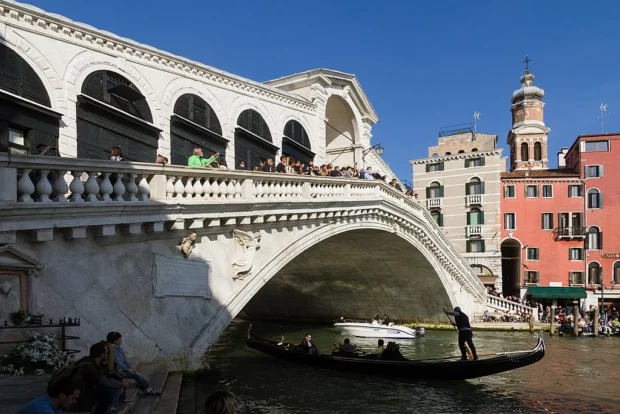
Venice’s Rialto Bridge stands as an emblem of architectural ingenuity, linking history to modern vibrancy in the heart of Italy’s famed lagoon city. For those intrigued by structural form, urban morphology, and the evolution of design craftsmanship, this bridge offers an unparalleled window into the Renaissance period and the mercantile character that shaped Venice. Positioned amidst the bustling Grand Canal, the bridge reflects human creativity against the backdrop of a city uniquely poised between water and land. Understanding its story enriches the visitor’s journey beyond mere sightseeing, inviting a deeper appreciation of Venice’s role as a nexus of commerce and culture.
Table of Contents
For those captivated by Venice’s waterways, a journey along the Grand Canal offers enriching views of historic palaces and vibrant local life.
Step-by-Step Directions to Rialto Bridge
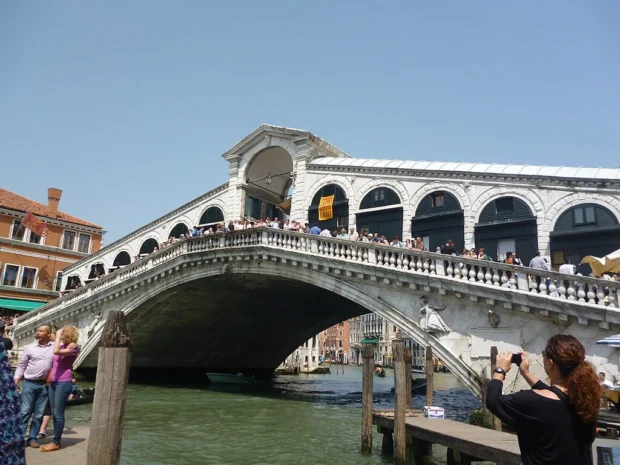
The Rialto Bridge is conveniently located in central Venice, crossing the Grand Canal between the sestieri of San Marco and San Polo. Visitors arriving by train will disembark at Santa Lucia station. From there, a picturesque 20-minute walk follows the Grand Canal’s edge or the network of calli (small streets) leading through lively squares and shops.
Alternatively, taking a vaporetto (Venice’s water bus) is both practical and atmospheric. Lines 1 and 2 run regularly from Santa Lucia station to the Rialto vaporetto stop, which lies just steps from the bridge’s northern end.
If arriving via Venice Marco Polo Airport, take the Alilaguna water shuttle service marked as “Linea Arancio (Orange)” or “Linea Blu (Blue)” that connects directly with the Grand Canal and stops near Rialto. These boats provide a direct route and a scenic introduction to Venice’s waterways.
The Craftsmanship and History Behind Rialto Bridge
Originally constructed as a wooden pontoon bridge in the 12th century, the Rialto Bridge evolved to meet the city’s growing commercial demands. By 1591, the current stone version opened, the work of Antonio da Ponte, who departed from Gothic forms to favor Renaissance balance and proportion. Its three-arched design spans the canal with remarkable audacity.
Craftsmen employed Istrian stone, prized for its durability and resistance to water, enabling the structure to gracefully bear pedestrian traffic and the weight of shops that line its sides. This commercial feature shops anchored on the bridge itself reflects Venice’s mercantile spirit, turning a passage into both marketplace and promenade.
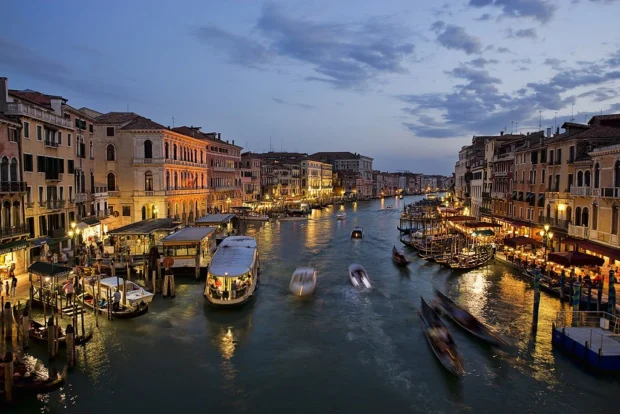
Over the centuries, the bridge has borne witness to social transitions and flood challenges, notably enduring and adapting through Venice’s urban morphology and conservation efforts. The site remains an enduring symbol of Renaissance architectural daring and practical city planning.
Curious Details Often Missed
Many visitors do not realize that the Rialto Bridge’s name derives from “Rivo Alto,” meaning “high bank” in Venetian dialect, denoting the original marketplace location. The bridge’s central portico was originally intended to serve as a grand balcony where the city’s ducal officials would watch trade and public events. Though now the shops obscure this feature, glimpses remain if one looks carefully.
Another quirk: the sculpture of a pair of twin heads called “The Faces” at the bridge’s arch, believed by some locals to ward off evil spirits or bring luck to passing merchants, remains a subtle, fascinating detail easily overlooked.
Optimal Visiting Time and Practical Tips
Venice attracts millions each year, so visiting the Rialto Bridge at the right moment can transform experience from bustling crowd to contemplative stroll. Early mornings, just after sunrise, are when the bridge emerges in nearly empty serenity, the soft light revealing its stone textures with exquisite clarity perfect for architectural photography.
Weekdays generally see fewer tourists compared to weekends. Late autumn and winter usher smaller crowds and a mystical fog, enriching the air of history enveloping the bridge. Avoid peak afternoon hours to fully appreciate the proportions without being overwhelmed by groups.
Since the bridge carries both pedestrians and numerous souvenir sellers, maintaining awareness while crossing is wise, especially during busy periods.
Nearby Stay and Culinary Scene
Within walking distance of the Rialto Bridge, numerous accommodations offer authentic Venetian atmospheres ranging from historic palazzi converted into guesthouses to boutique inns on quieter calle. Most provide idyllic views of canals or charming internal courtyards, perfectly complementing the urban fabric surrounding the bridge.
The Rialto Market, located close by, presents an immersive sensory experience. Visitors may sample Venetian specialties such as fresh seafood cicchetti (small plates), risotto al nero di seppia (cuttlefish ink risotto), and traditional pastries. Quaint bacari (wine bars) nestle along narrow alleys, inviting pauses with a glass of local prosecco or spritz.
Reservation and Tour Insights
Crossing the Rialto Bridge requires no ticket or reservation; it is a public walkway open 24/7. However, guided tours focusing on the bridge’s architectural features, urban role, and historical anecdotes can deepen appreciation immensely. Many walking tours also combine the bridge with visits to nearby palaces, churches, and markets.
Booking a gondola ride from the nearby lagoon provides a complementary perspective, allowing visitors to see the bridge’s arches from below, appreciating the engineering skill in balancing aesthetics with function.
Official Information and Resources
For those interested in current news, restoration projects, and events related to the Rialto Bridge and Venice’s architecture, the Venice municipality’s official portal offers authoritative updates and cultural programs. Visit the Comune di Venezia official site for comprehensive details.
Architecture lovers will also find detailed archives and restoration reports often shared by local conservation bodies, illustrating ongoing efforts to preserve this iconic structure for future generations.
Final Reflections on Venice’s Rialto Bridge
Walking across the Rialto Bridge, one treads on centuries of social and architectural evolution where every stone tells stories of human ingenuity and commerce. Its bold arches not only span the Grand Canal but also connect Venetian past with present. Appreciating this bridge through the lenses of material craftsmanship, stylistic shifts, and urban planning reveals Venice’s unique ability to harmonize function and beauty within a constantly shifting environment.
This crossover of design and life, commerce and residence, water and stone continues to inspire fascination among those who cherish architectural heritage and wish to grasp the pulse of a city unlike any other.
For a broader sense of Venice’s historic grandeur, a visit to St. Mark’s Basilica reveals stunning Byzantine art and rich civic heritage near the heart of the city.
- Ponte di Rialto, April, 2017 by Alexey Komarov on Wikimedia Commons – cc by-sa 4.0
- Ponte di Rialto, Venezia by Lyaju on Wikimedia Commons – cc by-sa 3.0
- 1 venice grand canal rialto bridge 2012 by chensiyuan on Wikimedia Commons – cc by-sa 4.0


