
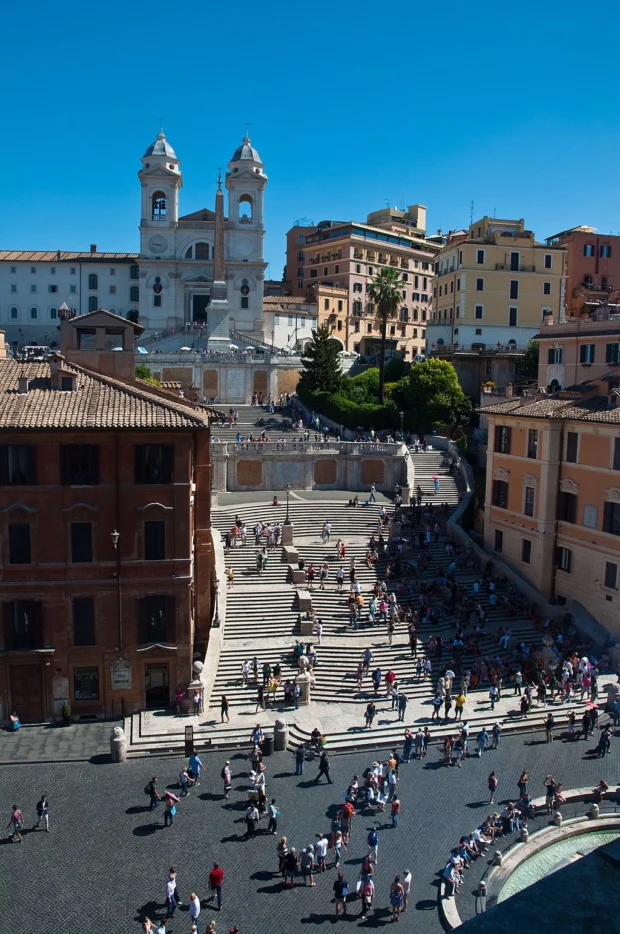
In the heart of Rome, Italy, the Spanish Steps stand as a sculptural marvel blending architectural finesse with vibrant city life. This splendid stairway, known locally as Scalinata di Trinità dei Monti, elegantly links the Piazza di Spagna below with the Trinità dei Monti church above. Visitors from around the globe find themselves drawn to its harmonious proportions, fine craftsmanship, and the convergence of historic and modern Roman scenes. Whether reaching the steps from the nearby station, airport, or city center, the Spanish Steps offer a fascinating encounter with Italy’s rich architectural legacy and social fabric.
Table of Contents

Arriving Gracefully: How to Reach the Spanish Steps
Getting to the Spanish Steps is straightforward, making it a frequent stop for anyone venturing through central Rome. The nearest metro station is Spagna on Line A, located just beneath the steps. Exiting here deposits you right into the Piazza di Spagna, a bustling square that hosts the foot of the staircase. From Rome’s main railway terminus, Termini Station, a quick metro ride leads to Spagna station, connecting visitors smoothly to this iconic location.

If traveling from Leonardo da Vinci International Airport (Fiumicino), the Leonardo Express train to Termini followed by the metro is recommended for speed and comfort. Alternatively, local buses also serve routes crossing near Piazza di Spagna. Walking from areas like Via Veneto or Piazza del Popolo brings the added delight of absorbing Rome’s architectural nuances on the streets en route.
Timeless Craftsmanship in Every Step
Constructed in the early 18th century, the Spanish Steps were designed by the talented Francesco de Sanctis, whose architectural dexterity harmoniously linked a religious sanctuary to the bustling city below. The stairway unfolds in a fan-shaped design, consisting of 135 steps that display a blend of Baroque theatricality and restrained elegance. The staircase’s proportions create not only visual delight but also purposeful circulation, accommodating large gatherings and ceremonial processions.

Each stone reveals a narrative of Rome’s material craftmanship, with travertine blocks carved with delicate precision. The steps themselves have witnessed centuries of cultural shifts from Baroque exuberance to modern artistic activities such as fashion photo shoots and live music performances. Respect for the original stonework remains paramount in ongoing conservation efforts, preserving this architectural legacy for future generations to enjoy.
A Link Between Architectural Eras
The Spanish Steps occupy a unique position in Rome’s architectural timeline. Their creation coincided with the gradual transition from Baroque complexity to the Neoclassical restraint that later defined much of the city’s fabric. The elegant balustrades, spacious landings, and the symphonic rhythm of the steps anticipate the greater urban planning concepts that followed through the 18th and 19th centuries. This stairway stands as an enduring symbol of architectural evolution, reflecting both artistic ambition and social function.
For those captivated by Rome’s architectural grandeur, the Colosseum offers a monumental glimpse into ancient engineering and city life that complements the Spanish Steps beautifully.
Best Moments to Visit and Soak in the Atmosphere
Timing your visit to the Spanish Steps can remarkably enrich your experience, whether you seek tranquil moments or a pulse of Roman life. Mornings just after sunrise offer a serene ambiance with soft golden light caressing the travertine. Alternatively, late evenings see the steps glowing under artfully positioned lighting that highlights their sculptural quality against the dusk sky.
Weekdays, especially Tuesday through Thursday, tend to be less crowded than weekends when tourists and locals alike gather for leisure and socializing. Early spring or late autumn provide pleasant weather, ideal for lingering on the steps and exploring nearby boutiques and cafes without the intense summer crowds.
Navigating Reservations and Guided Tours
Unlike many heritage sites requiring advance booking, the Spanish Steps are an open public space where no tickets or reservations are needed to visit the stairs themselves, allowing spontaneous moments of appreciation. However, joining guided architectural tours can greatly enhance understanding of the site’s significance, material details, and historical context furnished by expert insights.
Several walking tours encompassing the Spanish Steps, Piazza di Spagna, and adjoining neighborhoods offer a comprehensive look at Rome’s urban evolution. For visitors with particular interest in architecture history and conservation, specialized tours focusing on Roman Baroque and Neoclassical periods provide rich, focused narratives.
Nearby Delights: Accommodation, Cuisine, and Surroundings
Staying near the Spanish Steps means immersing yourself in Rome’s luxurious yet authentic atmosphere. The area is filled with charming guesthouses, boutique accommodations, and elegant guest rooms that reflect the refined aesthetics of this quarter. Waking up within steps of this architectural marvel ensures a seamless start to your days of exploration.
For dining, several traditional trattorias and gelaterias invite you to savor quintessential Roman flavors. Try local delicacies such as carciofi alla giudia (Jewish-style artichokes) or simple but perfectly prepared pasta dishes. Cafes overlooking the Piazza di Spagna serve as excellent spots to watch the continuous dance of tourists and locals alike on the steps.
Quirks and Lesser-Known Facts That Enrich the Visit
While millions admire the Spanish Steps yearly, here are some fascinating details often missed:
- The name “Spanish Steps” originates not from the stairs themselves but from the Spanish Embassy to the Holy See, historically located in Piazza di Spagna.
- At the base of the steps stands the Fontana della Barcaccia, a Baroque fountain shaped like a sinking ship, sculpted by Pietro Bernini, an architectural tale in its own right about Rome’s flooding history.
- In the 19th century, the steps were a favorite spot for artists and writers, including the likes of John Keats, who lived nearby in a small house turned museum today.
- Strict regulations now protect the steps to prevent damage caused by crowds, including fines for sitting or eating on the stairway, reflecting the delicate balance between public use and preservation.
Essential Online Resource
Planning a visit and looking for official updates or detailed historical background? The local city tourism site offers valuable information and event updates at Roma Capitale Tourism. Although some sections prioritize Italian, this source provides authoritative details on preservation efforts and neighborhood guides that elevate your appreciation of the Spanish Steps and surrounding historic layers.
For a contrasting taste of Europe’s rich urban stories, the vibrant renewal of Warsaw’s cultural city break offers a unique perspective to complement Rome’s classic charm.
- Spanish Steps, Rome, Sept. 2011 – Flickr – PhillipC (3) by Phillip Capper from Wellington, New Zealand on Wikimedia Commons – cc by 2.0
- Spanish Steps, Rome (2994297265) by Michal Osmenda from Brussels, Belgium on Wikimedia Commons – cc by-sa 2.0
- Piazza di Spagna – panoramio (7) by Mister No on Wikimedia Commons – cc by 3.0
- 0 L'église de la Trinità dei Monti à Rome 2 by Jean-Pol GRANDMONT on Wikimedia Commons – cc by 4.0
.jpg)
.jpg)
.jpg)
