

Barcelona’s Sagrada Familia stands as a monumental testament to human creativity and architectural genius. Nestled in the heart of this vibrant Catalan city, this basilica attracts millions drawn by its sweeping spires and intricate façades. For those curious about Barcelona Spain Sagrada Familia, this guide reveals pathways, history, and insights to truly appreciate this architectural marvel. From getting there to pondering its evolving design, prepare for a journey through time, craftsmanship, and visionary art.
Table of Contents
Tracing the Steps: Getting to Sagrada Familia with Ease
Positioned in the Eixample district, the Sagrada Familia is remarkably accessible by various modes of transportation. Visitors arriving from central Barcelona can hop on the metro lines L2 or L5, disembarking at the Sagrada Familia station. This convenience places the basilica within a short walking radius, an ideal start before immersing in its grandeur.
Travelers coming from Barcelona-El Prat Airport can choose the Aerobus to Plaça de Catalunya, then transfer to metro lines toward Sagrada Familia. Alternatively, taxis offer direct routes, a swift choice for those carrying luggage or preferring comfort. Train travelers arriving at Sants station may connect to the metro lines serving the site, weaving city transit smoothly into their exploration.
Nearby accommodation options abound, ranging from boutique guesthouses to modern apartments, providing a restful base close to the basilica. Flavorful local eateries dot the surrounding streets, inviting visitors to savor Catalan delights such as bombas, pa amb tomàquet, or fresh seafood tapas perfect preludes or finales to a day of architectural admiration.
The Living Fabric: Sagrada Familia’s Enduring Design and History
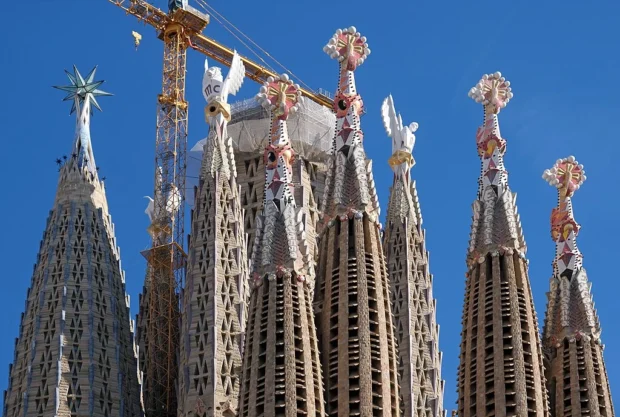
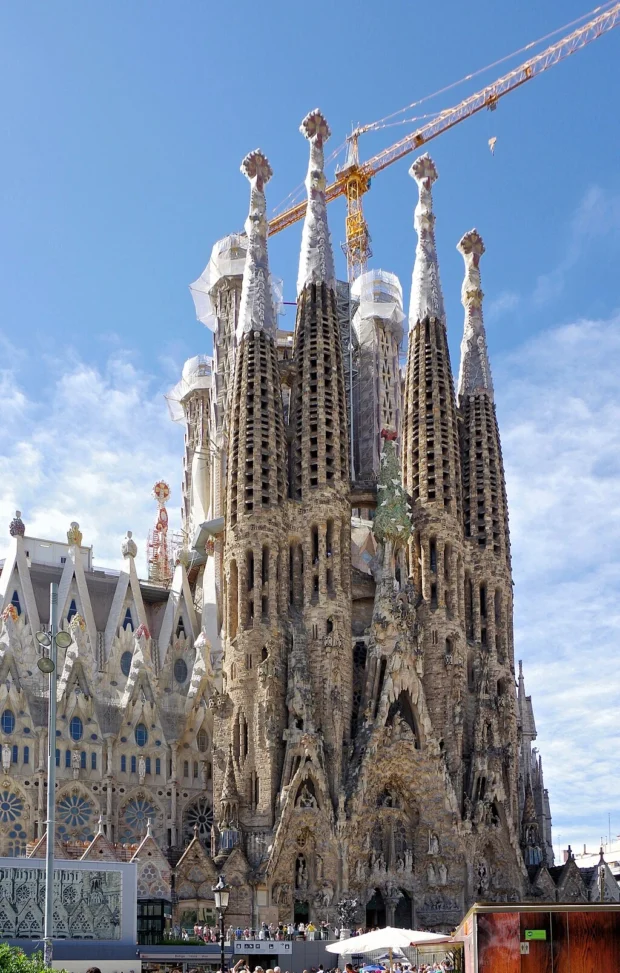
Antoni Gaudí’s vision for the Sagrada Familia began in 1882, rooted in a neo-Gothic style that later evolved into a singular modernist masterpiece. The basilica intertwines Christian symbolism with natural forms, where columns branch like trees and façades narrate biblical stories with sculptural finesse. This evolving work embodies architectural conservation through continuous adaptation while respecting initial intentions.
One striking fact often overlooked is the deliberate asymmetry. Gaudí rejected rigid symmetry, favoring organic growth that challenges conventional design norms. His death in 1926 halted progress, but architects since have dedicated themselves to interpreting his sketches, blending historical transitions with modern engineering techniques.
The basilica’s ambitious scale and craftsmanship reflect not only religious devotion but also a celebration of material workmanship stone, ceramics, glass all orchestrated into a harmonious ensemble. The soaring towers reach toward the sky, symbolizing a bridge between earth and heaven, a testament to human aspiration and ingenuity.
A Symbol Beyond Architecture
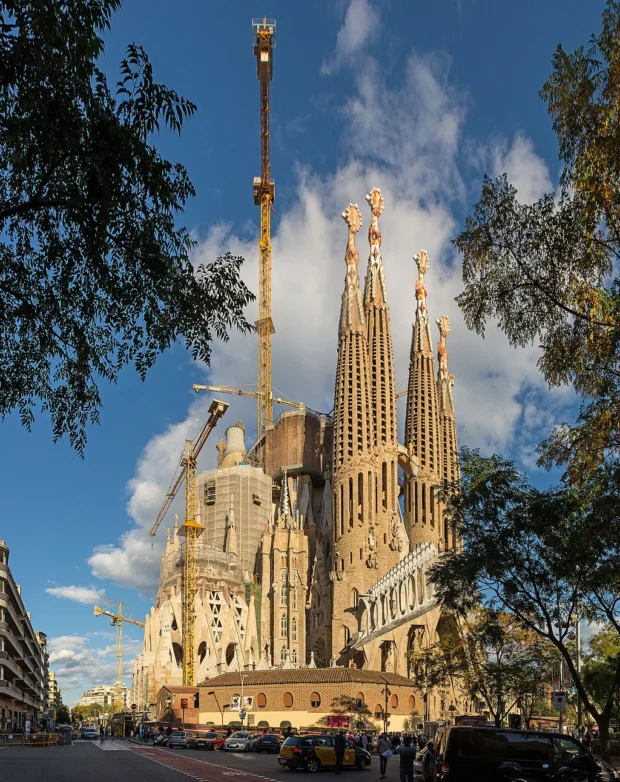
While many marvel at its towering presence, Sagrada Familia also embodies Barcelona’s urban morphology, integrating seamlessly into the city grid yet asserting its singular identity. Its presence influences neighborhood dynamics, attracting cultural activity and reinforcing the city’s status as an architectural capital.
Choosing Your Moment: Best Times and Tips for Visiting
To fully absorb the basilica’s ambiance, timing your visit can enhance the experience remarkably. Early mornings, especially on weekdays, often provide quieter atmospheres with softer light filtering through stained glass windows, enriching the interior’s kaleidoscope of colors.
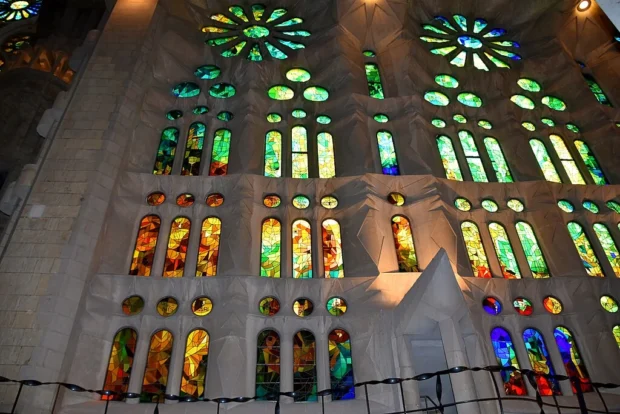
Weekends and holidays draw larger crowds. If unavoidable, booking tickets well in advance is crucial to avoid long waits. Seasonal variations also affect light and crowd levels spring and autumn offer moderate weather and reduced tourist density compared to midsummer.
One subtle visitor tip: linger near the Passion façade during late afternoon when shadows sculpt the dramatic reliefs, revealing nuances often missed in harsh midday sun. Such moments invite reflection on the narrative depth and craftsmanship embedded in every stone.
Navigating Reservations and Tours: Practical Insights
Reservations are highly recommended given the basilica’s popularity. While walk-ins are possible, they risk extended queues and limited access, especially in peak seasons. Official tickets come in various formats including basic entry, guided tours, or access to towers, the latter offering panoramic city views.
Guided tours enrich understanding by unpacking architectural elements, symbolism, and historical context. Audio guides serve as flexible companions, allowing self-paced exploration without foregoing insightful commentary. Booking directly through the official Sagrada Familia website ensures authentic tickets and up-to-date information.
Escort services for special needs or private group arrangements are also available, further broadening access and personalizing the visit experience.
Local Flavors and Surroundings to Complement Your Visit
Beyond the basilica’s walls, the neighborhood exudes a unique charm. The nearby Mercat de la Sagrada Familia offers a glimpse into daily life with fresh produce, cheeses, and traditional pastries. Sampling local cuisine in small family-run restaurants adds another layer to your cultural immersion.
Street art and modernist buildings nearby create an urban tapestry reflecting Barcelona’s eclectic spirit. Walking routes leading from the basilica can introduce you to lesser-known architectural gems and tranquil parks, perfect for contemplation after the grandeur encountered inside.
The Craft of Light and Form: Architectural Details Not to Miss
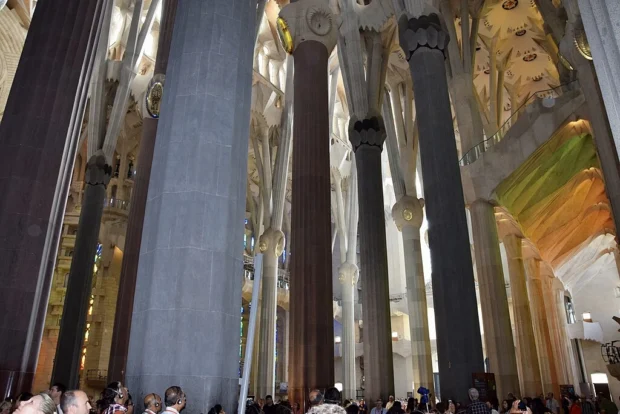
Sagrada Familia’s interior is a masterclass in architectural innovation and artistry. The columns, inspired by tree trunks, branch out to support the ceiling in a way that disperses weight naturally, reducing the need for conventional buttresses. This clever engineering allows light to flood the space through vivid stained glass, creating a dynamic interplay of hues that changes with daylight.
On the façades, sculptures tell the story of life, death, and resurrection with astonishing detail. The Nativity façade, completed during Gaudí’s lifetime, bursts with joyous complexity, while the Passion façade presents stark, angular figures conveying suffering and sacrifice.
Subtle Artistic Elements
Look closely at the wrought iron gates designed by Gaudí himself, revealing intricate patterns of vine leaves and grapes, symbols of life and communion. Such details highlight the craftsman’s dedication to integrating nature and faith into every element.
Final Reflections on an Ever-Continuing Work
Sagrada Familia transcends the label of a mere building; it is a poetic dialogue between past and future, art and engineering, spirituality and materiality. Its ongoing construction embodies a living tradition, inviting each visitor to witness the unfolding narrative of human creativity.
Whether standing beneath its towering spires or tracing the sculpted façades with your eyes, you become part of a grand architectural conversation centuries in the making. Barcelona’s iconic basilica remains a beacon of possibility where stone tells stories and dreams rise toward the sky.
For those captivated by Sagrada Familia’s grandeur, this Barcelona itinerary brings the city’s vibrant art and lively streets into full view.
- Barcelona – Exterior of the Apse of the Sagrada Família – Western exposure by Didier Descouens on Wikimedia Commons – cc by-sa 4.0
- Sagrada Familia Barcelona 2 by kallerna on Wikimedia Commons – cc by-sa 4.0
- 15-10-28-Sagrada Familia-WMA 3127-3136 by Ralf Roletschek on Wikimedia Commons – gfdl 1.2
- Sagrada Familia, stained glass windows (5) (31150758322) by Richard Mortel from Riyadh, Saudi Arabia on Wikimedia Commons – cc by 2.0
- Antoni Gaudi‘s Sagrada Familia, Barcelona (Ank Kumar) 05 by Ank Kumar on Wikimedia Commons – cc by-sa 4.0
- Barcelona BW Sagrada Familia 2019-10-07 12-54-53 re by Berthold Werner on Wikimedia Commons – cc by-sa 4.0


_(31150758322).jpg)
_05.jpg)
