

San Francisco sits on the hills beside the Pacific Ocean, a compact city with famous bridges, colorful neighborhoods, and a touch of backstreet curiosity. For visitors interested in efficient sightseeing, this guide shares both the classic highlights and a few spots only the observant traveler will notice. Whether you’re in search of the Golden Gate Bridge, better public transport tips, or simply want to understand what makes San Francisco unique in United States or even North America, you’ll find practical ideas here. This city is packed with postcard views but also little surprises at every cable car turn.
Table of Contents
Getting In and Around: From Airport to Urban Adventure
The main airport San Francisco International, or SFO is about 20 kilometers south of the city center. From the airport, the BART train (Bay Area Rapid Transit) runs directly to downtown in about 30 minutes. Buy a Clipper card at the station; it works on BART, Muni buses, trams, and even ferries, making your transfers simple and economical. Unlike some American cities, San Francisco rewards travelers who use public transit. The city center is compact enough for walking, but with the right ticket, hopping on and off buses or vintage streetcars is part of the fun.
Golden Gate Bridge: Crossing More Than Water
No city structure is quite as famous as the Golden Gate Bridge. Painted a bright orange-red but officially called “International Orange,” this engineering marvel stretches for just under three kilometers across the bay’s entrance. Most tourists snap photos from the city side, at Crissy Field or the elegant Golden Gate Bridge Welcome Center. If you’re practical about time, try renting a bicycle at Fisherman’s Wharf and riding across the bridge toward Sausalito. On misty days, the bridge seems to disappear into the clouds a classic San Francisco scene, almost unreal from a distance, and magical up close when the foghorns sound.

Architect and engineer Joseph Strauss designed the bridge to withstand both earthquakes and endless Pacific wind. It opened in 1937, and since then, more than two billion cars have crossed. Observers often miss the tiny walkways built for maintenance crews look for them next time you’re close. Biking or walking across can be brisk; bring a jacket, regardless of the season.
From Fisherman’s Wharf to Pier 39: Urban Playgrounds by the Bay
Fisherman’s Wharf is a busy, sometimes crowded place, but it’s impossible to ignore. From historic fishing fleets to small souvenir shops, this port area is mostly about fun. Strolling the wooden piers, you’ll hear sea lions barking, especially near Pier 39. The mammals have become such a feature that entire viewing platforms have been built for them. A little further inland you’ll notice seafood stands offering sourdough bread bowls filled with clam chowder don’t miss sampling these. Some say the bread, made with a local yeast culture that dates back to the Gold Rush era, tastes like nowhere else in the world.

Pier 39 itself is more than souvenir shops; there’s a small aquarium, street performers, and a double-decker old-fashioned carousel. For efficiency, plan a half-day here. It’s also the departure point for boat trips to prison islands or for ferries to Angel Island a gentler spot with hiking paths and a curious history as an immigration station for arrivals from Asia a century ago.

Alcatraz Island: Echoes of History Across the Water
From the wharf, you can see rocky Alcatraz Island, the site of the most infamous prison in the United States. The short ferry ride, just 2.4 kilometers, surprises many the island feels much closer to the city than popular films suggest. The National Park Service runs visits via timed ferries, so book ahead. Standing on the concrete parade ground, with city skyscrapers shimmering across the water, one feels the isolation. What’s less known: before it was a prison, Alcatraz was a lighthouse and a military fort. The wind whistles through cellblock windows, and hidden gardens, planted by families of prison guards, still survive in sheltered corners.
For an immersive experience about San Francisco’s iconic prison, Alcatraz Island Prison offers a compelling next step to your city visit.
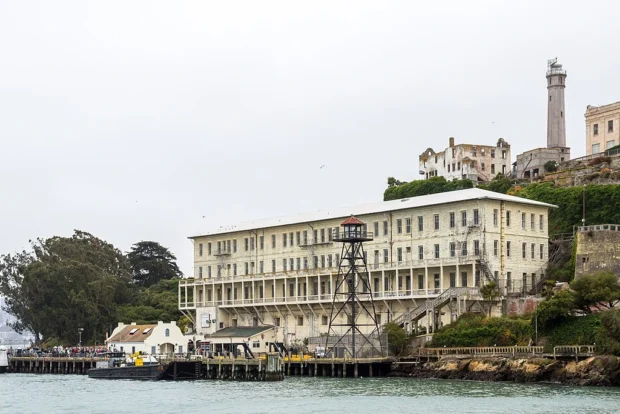
If you take an evening tour, pay attention to the chilling silence as the city lights turn on across the bay. Guides tell stories of clever escape attempts one group famously used fake heads to fool guards and disappeared in 1962, their fate still a favorite topic in town. For up-to-date ferry times and visitor tips, the island’s official page is a reliable source: Alcatraz Island – National Park Service.
Climbing Streets, Corners, and Neighborhood Personality
Away from the waterfront, San Francisco rises in a patchwork of hills, each neighborhood showing a different side of city life. Chinatown, just a few blocks from Union Square, is the oldest and most active in North America. Walking Grant Avenue, I passed dragon gates and small dim sum bakeries, where locals pointed out that the best egg tarts are found not at the busiest stores but down quieter side lanes. Street signs here mix English and Chinese, another reminder that the city has always been a meeting point for people from east and west.

Union Square itself is the classic city-center busy, sometimes noisy, with visiting shoppers and street artists. The cable cars pass by here, and their wooden seats and brass fittings are unlike any ordinary train. If you’re curious about how the cars turn at the end of each line, watch the turntables by hand at Powell and Market: the cable car is still rotated by people, using pure muscle power.

If you like steep walks and quirky photos, Lombard Street deserves a detour. The “crookedest street in the world,” as it’s advertised, curls through bright gardens for one short block eight sharp turns squeezed into just 180 meters. Drivers line up to navigate the bends, but on foot, it’s a perfect spot for city views and strange symmetry.

High above the city, Coit Tower stands on Telegraph Hill, its slender white form visible from almost any angle. Built in the 1930s, Coit Tower honors volunteer firefighters: the city battled hundreds of blazes during Gold Rush days, when buildings were packed tightly and made of wood. Inside, you’ll find 1930s murals wall paintings that show daily life, farming, and factory work, reflecting a time when the city was still growing into itself. The elevator to the top rewards you with panoramic views, on clear days spreading from the Bay Bridge to the far-off hills of Marin County.

Modern City Life and a Passion for Innovation
San Francisco’s fascination with new ideas whether in transport, technology, or art runs through its streets. The San Francisco Museum of Modern Art, or SFMOMA, holds an impressive collection, with works by American and international artists. The building itself is part of the experience: open spaces, unexpected ramps, and rooftop gardens connect one level to the next. I noticed many young students with sketchbooks, using the free Wi-Fi and easy bench seating as an open classroom.

Nearby, the Exploratorium on Pier 15 is less a museum, more a “playground for scientists.” Hands-on exhibits teach physics and perception; here you’ll see children and adults equally fascinated by spinning disks, light tricks, and telescope stations looking out over the bay. If you time your visit for twilight, the walk along the Embarcadero provides its own light show the Bay Bridge’s moving LED sculpture, which stretches for over 2 kilometers, is a modern touch locals still debate.

Just outside the busy blocks sits the Palace of Fine Arts, a dome surrounded by a reflective lagoon and swans. Originally built for the 1915 World’s Fair, the structure looks like it belongs in ancient Rome, and it’s a favorite for picnics and wedding photos. If you look closely at the columns, you’ll see intricate designs with mythological creatures a nod to the city’s taste for theatrical architecture.

Nature, Parks, and Hilltop Views
Green spaces are woven throughout San Francisco’s design, sometimes unexpectedly. The Presidio, a former military post, has trails winding through cypress groves and views back toward the bridge walkers and cyclists often share these paths with picnicking families. Twin Peaks, at the city’s center, offers the best urban panorama. The two hills reach about 280 meters, enough to give a near-360-degree view: morning is best for photo clarity, as fog can quickly roll in by noon.
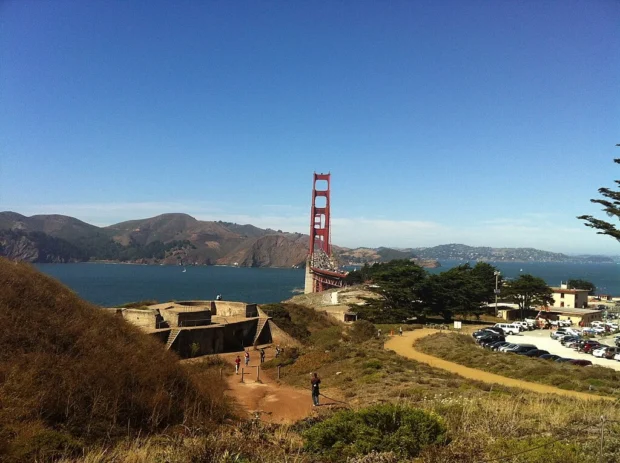
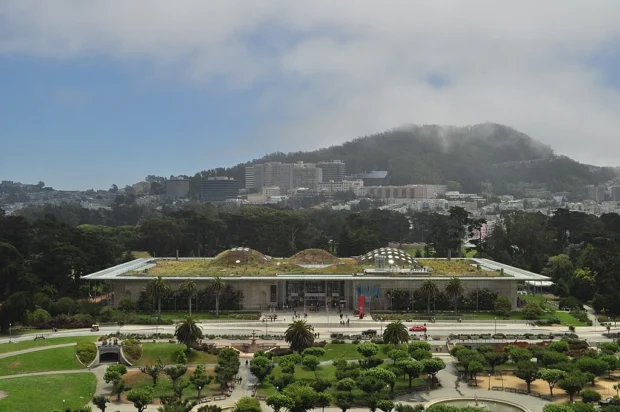
For more structured nature, the California Academy of Sciences in Golden Gate Park is a blend of aquarium, planetarium, and natural history museum. The living roof a rolling landscape planted with native species serves both cooling and water-saving functions, a testament to the city’s eco-friendly engineering. I listened in as a guide explained the Academy’s earthquake simulation room to a group of visiting European students many seemed surprised how often the city prepares for the next “big one.”
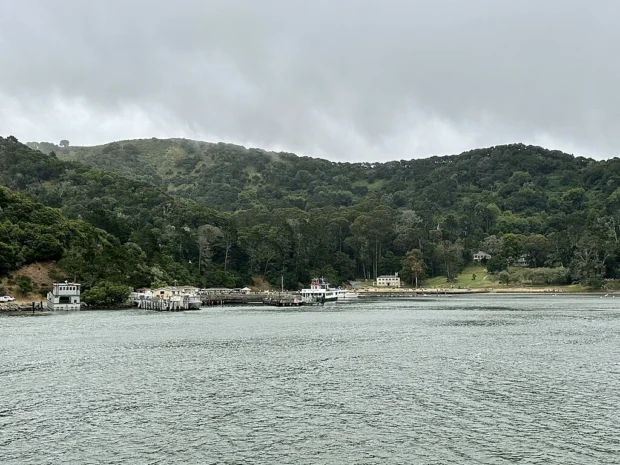
On the subject of islands, Angel Island rarely makes the headlines but is a personal highlight. Ferries depart from the Ferry Building downtown. The island is quieter than Alcatraz; walking or cycling its perimeter road, you’ll find abandoned immigration buildings and eucalyptus groves. The view back to the city, especially as the sun sets, ranks among the best on the bay, and the absence of crowds lets one imagine early arrivals from around the world, waiting for their new lives to begin.
Café Breaks, Neighborhood Eats, and Urban Details
San Francisco’s food reflects its neighborly mix: in North Beach, Italian cafés line the corners, where you can enjoy espresso and sweet cannoli. The Mission District’s taquerias offer fresh tortillas, spicy salsas, and California-style burritos these are often large enough for two. Chinatown’s restaurants serve hand-pulled noodles and steamed buns. For a budget-conscious traveler, snack at bakeries or small lunch counters; prices near the tourist piers can be high, but moving a few blocks inland makes a difference.
What sets San Francisco eating apart besides the sourdough bread might be its focus on sustainable ingredients. Many menus display the names of farms or fishing boats. On a streetcar ride, I chatted with a chef who praised the city’s morning farmers’ markets for the “freshest herbs and fish in California.” She recommended trying dungeness crab (usually winter only) or sampling cheese from Marin County across the bay.
Neighborhoods reward those with slow curiosity: in Haight-Ashbury, look up old psychedelic murals and intricate roof details remain from the 1960s. In Japantown, a small but quiet plaza offers cherry blossom trees and seasonal events. At Market Street’s edge, near Civic Center, you’ll notice a recent effort to widen sidewalks and add street signs in raised lettering, helping both locals and visitors find their way more easily.
City Customs, Local Insights, and a Few Polite Reminders
Locals in San Francisco are generally relaxed, but the city runs on quiet efficiency. When using buses or trams, have your ticket or Clipper card ready before you board this keeps lines moving smoothly. People often greet each other with a simple “Hi” or “How’s it going?” even with strangers; it’s polite and friendly, not too formal. If you’re invited into someone’s home or shop, taking off your hat or sunglasses is appreciated most see it as a sign of respect.
San Francisco’s compact design means you’ll walk more than you expect. Streets can be very steep, and weather changes quickly. The famous “microclimates” mean the sun can be shining at the Embarcadero but cold fog will fill the Mission or Pacific Heights Carrying a light jacket (even in summer) is always a good idea. Tipping in restaurants and for guides is common—anywhere from 15 to 20 percent is standard.
Locals pride themselves on innovation. Many use new ticketing apps for public transport or check digital maps for real-time train and ferry arrivals. Stations and stops are usually well marked, often with digital signs. If you get lost, public libraries and community centers often have free maps, and locals are usually happy to answer questions. With its mix of old-fashioned cable cars and modern transit, San Francisco offers a lesson in urban adaptation every corner seems to offer something engineered for both beauty and function.
Daily Routes: Maximizing Your City Hours
San Francisco can be seen in layers. A single day could start with sunrise at Twin Peaks, bring you down through the Castro’s rainbow flags, then across Market Street into downtown. The efficient traveler uses the Muni Metro or historic streetcars pick up a city map near the Powell Street BART station, or download one to your phone (city Wi-Fi is widely available). Key lines cross the city center, and trams along Market Street bring you to the Ferry Building, where ferries depart for Angel Island or Oakland.
If you’re planning consecutive museum visits say, SFMOMA and the Exploratorium budget time for short walks between them, as the city’s blocks can be longer than expected, with occasional hills. For those interested in design and history, the walk between Coit Tower and Lombard Street is a lesson in city engineering: steep switchbacks, hidden stairways, and gardens built by local volunteers. If you see a plaque naming a street or lane after a fruit or city, it’s likely an homage to early settlers from around the world.
Traveling by ferry across the bay, especially in late afternoon, is both efficient and beautiful. Ferries are fast, reliable, and timed to connect with downtown trains. Routes between San Francisco, Sausalito, and Oakland have stunning views of the city skyline, bridges, and, on clear days, even Mount Tamalpais north of the bay.
Leaving Room for Surprises
Efficiency is important, but San Francisco also rewards the unplanned. A walk through Golden Gate Park might lead to a jazz player in the sun, or a community garden hidden behind a church. You might notice street tiles quoting poets, or the sound of foghorns drifting in from the bay. For train lovers, the F-Market streetcar line uses old trams from Europe and the United States spotting their painted city names is a fun challenge. Public benches often have brass plaques dedicated to local characters; reading them gives a sense of the city’s quietly humorous side.
San Francisco is a meeting point for history, engineering, and personality. By combining careful planning, flexible city transport, and time for small discoveries, you’ll make the most of your visit. This city’s hills, bridges, and lively streets are as inviting to a first-time traveler as they are to someone seeking new perspectives. Pack comfortable shoes, a reliable map and be ready for both the classic and the surprising at every turn.
After exploring San Francisco, discover historic grandeur and vibrant city life at the Red Fort in Delhi with its timeless charm Red Fort experience.
- SF Transamerica full CA by Daniel Schwen on Wikimedia Commons – cc by-sa 2.5
- GoldenGateBridge-001 by Rich Niewiroski Jr. on Wikimedia Commons – cc by 2.5
- San Francisco (CA, USA), Fisherman's Wharf, Pier 39, Sea Lion Viewing Area — 2022 — 185143 by Dietmar Rabich on Wikimedia Commons – cc by-sa 4.0
- Pier 39 – July 2025 – Sarah Stierch by Missvain on Wikimedia Commons – cc0
- San Francisco (California, USA), Alcatraz — 2012 — 4530 by Dietmar Rabich on Wikimedia Commons – cc by-sa 4.0
- Chinatown, San Francisco, California, USA (52448126140) by Domenico Convertini from Zurich, Schweiz on Wikimedia Commons – cc by-sa 2.0
- San Francisco – Union Square from St. Francis Hotel by Roger Wollstadt on Wikimedia Commons – cc by-sa 2.0
- Lombard Street, San Francisco, 2022 7 by dconvertini on Wikimedia Commons – cc by-sa 2.0
- Coit Tower, Telegraph Hill, San Francisco, California by EPoelzl on Wikimedia Commons – cc by-sa 3.0
- San Francisco Museum of Modern Art, San Francisco by Supercarwaar on Wikimedia Commons – cc by-sa 4.0
- Palace of Fine Arts (16794p) by Rhododendrites on Wikimedia Commons – cc by-sa 4.0
- Battery At Presidio San Francisco CA. – panoramio by Noah_Loverbear on Wikimedia Commons – cc by-sa 3.0
- California Academy of Sciences from Hamon Observation Tower 01 by Joe Mabel on Wikimedia Commons – cc by 4.0
- Ayala Cove, Angel Island, Juan de Ayala anchored here in 1775. The cove is currently the site of the Angel Island Ferry landing by Richard N Horne on Wikimedia Commons – cc by-sa 4.0


,_Fisherman%27s_Wharf,_Pier_39,_Sea_Lion_Viewing_Area_--_2022_--_185143.jpg)

,_Alcatraz_--_2012_--_4530.jpg)
.jpg)


.jpg)


