

São Paulo, Brazil’s biggest city, is a place where you walk into skyscraper shadows and moments later stand beneath green trees and blue sky. The energy here pulses, but not in a way that makes you feel rushed more like it sweeps you up, carries you from corner juice bars to wide avenues, then hides you away in secret alleys painted with wild splashes of color. I landed on a soft and warm day, birds singing somewhere above the concrete. São Paulo sounded noisy and alive, so I set out to find its rhythm, starting with the heartbeat of its everyday life and the postcard spots you see on travel sites but also the oddities and small corners that kept me guessing.
Table of Contents
Arriving and Finding Your Way in São Paulo
After landing at Guarulhos International Airport, I saw São Paulo’s skyline from the window thick with towers, stretching forever. There’s no need to fear finding the center. From the airport, take the Airport Bus Service or a suburban train. Both options link you with metro lines and major bus terminals. The metro was much easier than I expected, with staff ready to answer simple questions. Buy a Bilhete Único card, load some cash, and you can leap between subways and buses with the locals. That card became my pocket friend, always ready to get me to the next adventure. Most signs and announcements are in Portuguese, but a little patience goes a long way. In busy stations, someone can almost always help, sometimes even practicing their English with you.
Finding Nature and Art in the City’s Heart: Ibirapuera Park
On my second morning, I slipped into Ibirapuera Park, São Paulo’s urban oasis. Think of it as the lungs of this high-rise city—quiet, green, and always busy with joggers, families, kids on bikes, and musicians under the trees. Eucalyptus and flowering trees filled the air with a fresh, sweet scent. Couples take selfies by the lakes. Food carts wait at the corners, offering coconut wate straight from the shell—cold and sweet. I followed winding paths past lakes where capybaras make rare appearances (locals whispered this as a lucky sign, though I just spotted ducks).
For a change of city park vibe, read about Central Park’s unique charm in New York, blending history and vibrant social life.
Inside the park, look for Museu de Arte Moderna (Museum of Modern Art, also called MAM). It’s a sleek low building full of Brazilian art, some bold and colorful, some so strange I smiled just looking at it. I lost track of time admiring sculptures and chatting with a student who sketched quick portraits in her notebook, teaching me the word “coragem” courage. She said the park inspires creative courage, and I believed her.
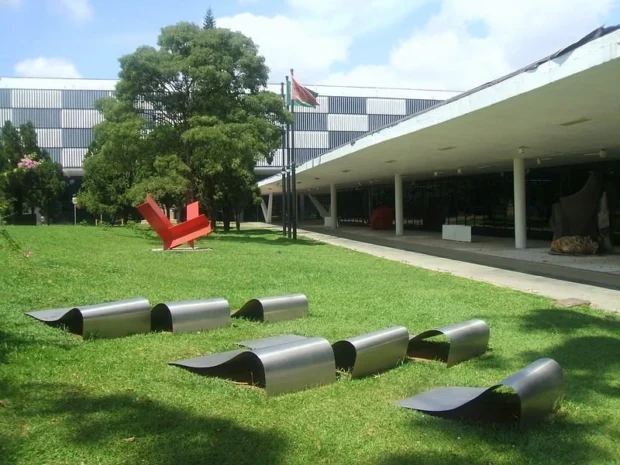
Art Under Glass: São Paulo Museum of Art on Paulista Avenue
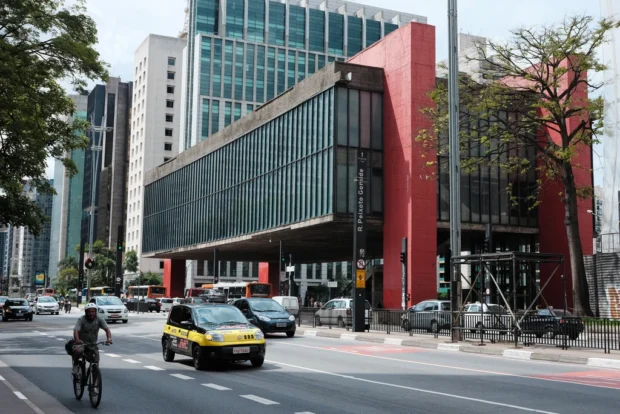
No São Paulo guide is complete without Paulista Avenue. A walk along this broad, lively street feels like jumping into the city’s living room, packed with locals, tourists, and street performers. At the center stands the São Paulo Museum of Art (MASP), stunning with its red supports and glass structure—like art on stilts. On Sundays, the avenue closes to cars, so people take over with bikes, roller skates, and music. Food trucks line the curb selling everything from pastel (crispy pastry) to sushi spiked with cream cheese—São Paulo’s mixed heritage on a plate.
Inside MASP, oil paintings hang on transparent easels. The collection blew me away, shifting from old European masters to modern Brazilian stars. A guide pointed out the famous self-portrait by Tarsila do Amaral, an artist who mixed modern fashion with Brazilian colors. I felt the echo of samba drums, even in these quiet, cool halls. Sometimes, students gather outside to draw or protest. I joined a circle for a moment, listening as they debated modern art with big hand movements and fast Portuguese. No one minded my basic questions; the city seems to expect curiosity.
Rediscovering the Pulse of Paulista Avenue
Paulista Avenue isn’t just about museums; it’s Sao Paulo’s main artery. Tall banks and glass towers stretch to the clouds while cafes and newsstands spill onto the sidewalks. On weekends, the sound of a thousand conversations mixes with three radios playing samba or rap. There are corners where old bookstores hide places to browse rare maps or poetry, even if you don’t speak Portuguese. I bought a coffee and watched skateboarders zigzag between workers on lunch. I even caught an impromptu jazz band just past a newsstand, their music floating with the traffic noise. Don’t be surprised to see young performers breakdancing near neon-lit bakeries. Everybody claims Paulista as their own.

Markets, Cathedrals, and Classic Architecture
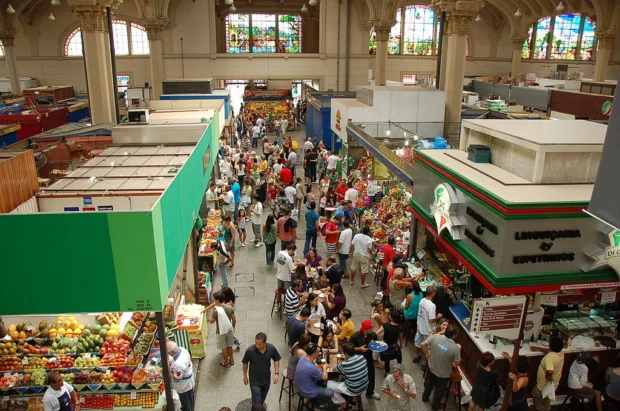
The next stop was the Municipal Market of São Paulo, a place that left my senses spinning. Bright fruits—pitaya, guava, jabuticaba—stack in wild pyramids. You hear vendors calling out, scents of spices and salted cod in the air. I tasted a famous mortadella sandwich—thick slices, gooey cheese, a mountain between two light rolls. A local couple at my table insisted I also try pastel de bacalhau, a fried pastry filled with fish. We laughed as juice dripped down our hands. For those who love food, this market is paradise—spices, sweets, even jars of preserved hearts of palm.
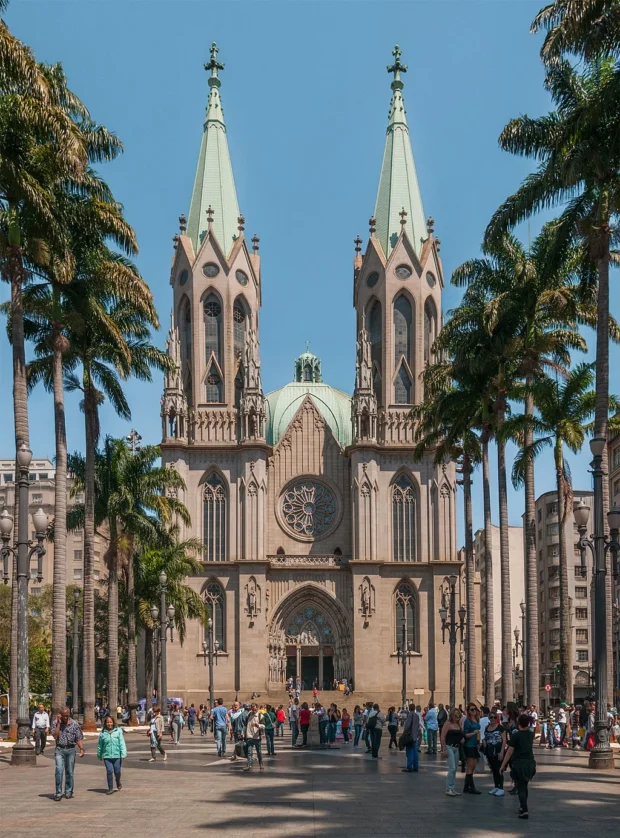
A short walk from the market stands Cathedral of São Paulo, known as Sé Cathedral. Its towers leap high above Praça da Sé, where pigeons and chess players gather in the sun. Inside, colored light filters through stained glass. I watched an older man, his shirt tucked tight, bowing his head in quiet. It felt peaceful even mystical. They say the cathedral’s crypt covers the spot where São Paulo began, marked by a palm tree planted 500 years ago.
If architecture excites you, stroll to Copan Building or Martinelli Building. The Copan waves its concrete like a sand dune, designed by Oscar Niemeyer, Brazil’s legendary architect. People live, love, and sip black coffee all inside, a slice of urban life stretching toward the clouds. Martinelli is older, more dramatic, built by a man who dreamt São Paulo would rival New York a mix of ambition and eccentricity in each brick.
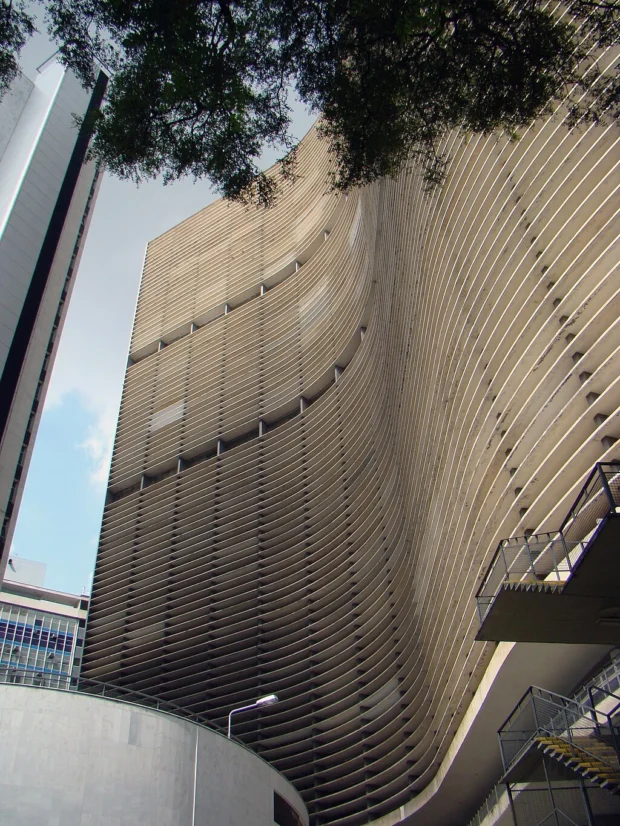
Street Art, Unusual Corners and Neighborhood Surprises
Leaving the city center, I took the metro to Vila Madalena home to Beco do Batman. This colorful alley is a riot of street art. Walls drip with murals heroes, monsters, swirling patterns. Every corner felt like a new surprise, sometimes a little wild but always bursting with energy. Local artists painted while I was there, cans hissing. A group of teenagers with battered cameras took photos for a school project. We compared our favorite murals mine was a giant owl with eyes made from bottle caps.
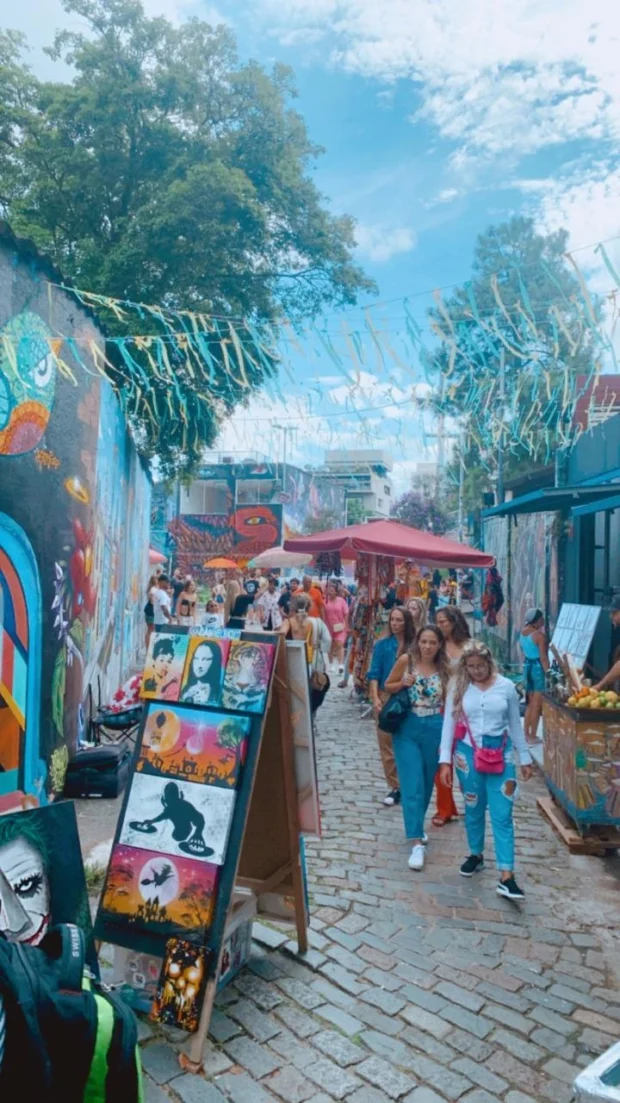
While in Vila Madalena, I ducked into tiny cafes where the coffee comes strong and locals greet you without fuss. In São Paulo, good coffee is everywhere from hip bakeries to old-school neighborhood spots. Brazilians sip slowly, chatting or people-watching. That’s the way to pass an afternoon, especially in a city that rarely sleeps. I learned quickly that coffee isn’t just a drink it’s a conversation.
A detour east brought me to Liberdade, the famed Japanese-Brazilian neighborhood, full of lanterns strung above narrow streets. Markets here offered mochi, sushi, and street snacks like tempura. I picked sweet azuki bean cakes and listened to local school kids trading Pokémon cards beneath the red torii arches. Liberdade is at its liveliest on weekends crowds and smells, laughter, and the sizzle of food. You feel very far from home but welcomed all the same.

Art, Football, and Classic São Paulo Surprises
I couldn’t skip Pinacoteca do Estado, the city’s oldest art museum and a surprise in itself. This spot combined raw red brick, natural light, and classic art with daring modern pieces. I met a group of students drawing copies of sculptures, trying to match the curves with their pencils. The echo in these halls made me feel I was part of something historic, but the art kept it fresh. The Museum of the Portuguese Language wasn’t far a blend of interactive exhibits and stories that pulled language to life. There’s a multi-sensory wall where you can hear what Portuguese sounds like in rap, poetry, classroom and childhood. For a word-lover, it’s a playground.

Football fans can’t miss the museum devoted to Brazil’s favorite sport. The Football Museum, near Pacaembu Stadium, has video highlights, shirts, and trophies even the sound of an imaginary crowd roaring. I pressed my ear to the wall and could almost believe I was at a match. Whether you know the rules or not, the spirit of football carries you in São Paulo everyone has a story about that one incredible game.
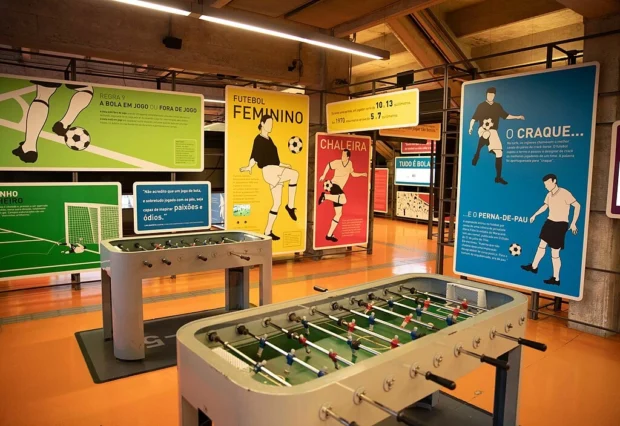
Staying in São Paulo: Neighborhoods and Atmosphere
Choosing where to stay in São Paulo feels a bit like picking your favorite part in a great song. Paulista and Jardins offer ease and movement, full of metro lines, stylish cafes, and quirky bookshops. The vibe is international and always changing. Vila Madalena, west of downtown, shines for its street art and friendly hostels. You’ll find artists sipping espresso and designers sketching in packed bars. For a taste of classic grandeur, Centro (city center) mixes old hotels with modern skyscrapers don’t miss mornings here when the city yawns and wakes up slowly. Liberdade, meanwhile, promises late-night snacks, quiet temples, and red lanterns, welcoming for anyone curious. Avoid staying too far from metro stations, as São Paulo’s sprawl can become a challenge, especially late at night.
Eating São Paulo: Food Adventures in Every District
Let’s talk food. São Paulo doesn’t just feed you; it tempts you with something different at every corner. In the morning, I grabbed pão na chapa a buttered bread grilled until it’s golden from a café in Consolação. Lunch in the Municipal Market could be feijoada (a black bean stew with pork) or coxinha, the city’s famous chicken croquettes shaped like little teardrops. If you love sweets, try brigadeiro a chocolate treat found in every bakery.
Evenings feel special in Itaim Bibi or Vila Madalena, where restaurants serve pizza, sushi, burgers, and, of course, Brazilian barbecue (churrasco). Everywhere, fruit juice bars pour giant glasses of anything fresh mango, cashew, or açaí. I sometimes just followed my nose. If you walk the alleys behind Avenida Paulista, you’ll find pastel joints and tiny botecos (bars) where old men argue football and pass you a glass of cold beer. In Liberdade, I slurped noodles by a window, students chatting in two languages next to me.
Music, Customs and Little Surprises
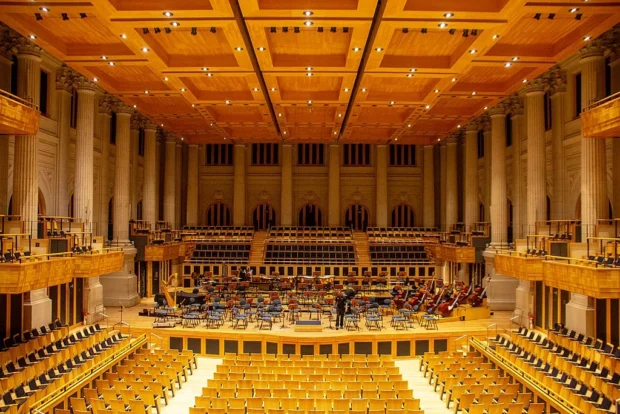
Music is the city’s heartbeat. Sometimes subtle, sometimes loud, always present. On Sundays, I heard samba outside a metro station, dancers in jeans and sneakers, never missing a step. In Centro, near Pátio do Colégio, I lingered in Sala São Paulo, the grand concert hall crafted from an old train station. The seats creaked, the orchestra warmed up, and suddenly the whole city seemed to hold its breath. I learned never to clap between movements at classical concerts a custom I discovered the hard but friendly way. Locals are quick to remind you, always with a smile.

Life here is warm but brisk, with people quick to greet but just as quick to move on. If someone offers you cafézinho, accept it’s a welcoming gesture. But always say “bom dia” or “boa tarde” when you enter a shop or lift. Interrupting people is fine in conversation, but not in line. São Paulo trains locals to be direct but polite, curious but practical.
For a contrasting urban experience, Miami’s vibrant beaches and colorful neighborhoods offer a sunny rhythm that complements São Paulo’s bustling city life. See how Miami’s streets and shores inspire in our feature on Miami’s coastal charm.
I ended one night at a boteco, my table crowded with half-empty bottles and plates. A student told me São Paulo is never the same after midnight bars glow, music leaks onto the streets, and sometimes even the air feels different. It was as if the whole city took a breath and sighed, ready for another rush tomorrow.
Final Thoughts: Urban Jungle, Warm Encounters
São Paulo is not a slow city, but it rewards those who walk slowly. I learned more from crowded markets and hidden murals than from guidebooks. Locals love their city with a pride that isn’t always obvious. Art, architecture, football, and cafe conversations all these things make São Paulo hard to leave behind. Wander a little, speak a few words in Portuguese, and catch your own bright, noisy piece of this city. Your favorite memory might be the small things a perfectly made coffee, a mural in a side street, or a wave from a stranger who knows you’re just passing through but is happy to share São Paulo with you.

A digital nomad exploring cities across the globe, with a passion for local street food and hidden cafes.
- Webysther 20190306143154 – Catedral Metropolitana de São Paulo by Webysther Nunes on Wikimedia Commons – cc by-sa 4.0
- Amélia Toledo – Sete ondas, 1995 by Dornicke on Wikimedia Commons – cc by-sa 3.0
- At Paulista Avenue, São Paulo, Brazil 2018 018 by Photograph by Mike Peel (www.mikepeel.net). on Wikimedia Commons – cc by-sa 4.0
- Edifício Copan (3408011258) by Rodrigo Soldon from Rio de Janeiro, Brazil on Wikimedia Commons – cc by 2.0
- Beco do batman carnaval by Geovannaantonioaluno on Wikimedia Commons – cc0
- Pinacoteca de São Paulo, Brazil by Wilfredor on Wikimedia Commons – cc by-sa 4.0
- Museu do Futebol (29179061468) by Governo do Estado de São Paulo on Wikimedia Commons – cc by 2.0
- Catedral da Sé em São Paulo by Wilfredor on Wikimedia Commons – cc0
- Sao Paulo – Mercado Municipal by Felix Tansil on Wikimedia Commons – cc by-sa 3.0
- Pátio do Colégio (17152396407) by Núcleo Editorial on Wikimedia Commons – cc by 2.0
- Sala São Paulo 2018 07 by Photograph by Mike Peel (www.mikepeel.net). on Wikimedia Commons – cc by-sa 4.0
- Museu de Arte de São Paulo Assis Chateaubriand – MASP by Marcelo N Valente on Wikimedia Commons – cc by-sa 4.0
- Auditório Ibirapuera Parque do Ibirapuera São Paulo 2019-6180 by Paul R. Burley on Wikimedia Commons – cc by-sa 4.0


.jpg)


.jpg)


.jpg)


