

Vienna, Austria, offers an elegant tapestry of cultural treasures, and none embodies imperial grandeur like Schönbrunn Palace. This Baroque masterpiece enchants visitors with its garden vistas, historic halls, and stories woven through centuries. Journeying here invites exploration of architectural finesse, Habsburg history, and the palace’s profound role in Central Europe’s artistic and political evolution. Whether arriving by train or plane, Schönbrunn’s splendor is within easy reach from Vienna’s core. Nearby, the city’s culinary scene and lodging options provide cozy bases for extended stays. In this guide, discover how to navigate to the palace, grasp its significance, and make the most of your visit with smart bookings and timing strategies.
Table of Contents
For a broader view of Vienna’s charm beyond the palace, explore our Vienna Highlights Guide, which showcases the city’s palaces and rich cultural life.
An Elegant Arrival: Getting to Schönbrunn Palace by Public Transit
Schönbrunn Palace lies southwest of Vienna’s historic center, well connected by the city’s efficient transport system. Most visitors rely on the U4 underground line, which leads directly to the Schönbrunn station, just steps away from the palace gates. From Wien Hauptbahnhof (Vienna’s main train station), this trip takes approximately 20 minutes an effortless glide through Vienna’s urban fabric.
Travelers arriving from Vienna International Airport can take the City Airport Train to Wien Mitte station, then switch to the U4 subway line heading to Hütteldorf, exiting at Schönbrunn. The entire transfer typically spans under an hour, blending airport efficiency with smooth city transit.
For those who prefer the charm of the city streets, tram lines intersect near the palace, offering scenic approaches past quaint neighborhoods. Walking from the city center is possible but stretches longer than an hour, reserved for dedicated strollers eager for urban immersion.
The Crown Jewel’s Story: Architectural Grandeur and Imperial Importance
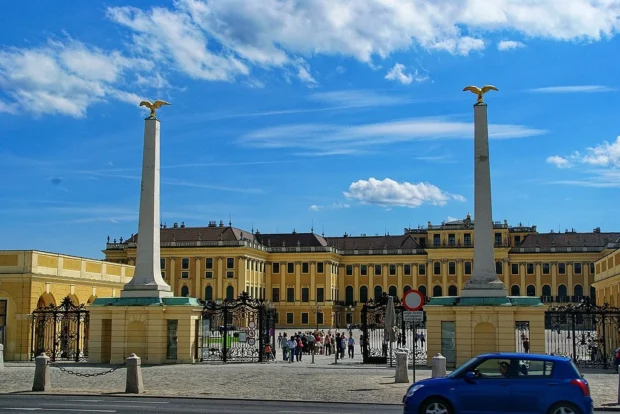
Schönbrunn Palace, an exemplar of Rococo style, first emerged as a summer residence for the Habsburg monarchy in the mid-18th century. Commissioned by Empress Maria Theresa, the palace replaced earlier hunting lodges on the site. Its architectural language balanced symmetry, intricate stuccoes, and grand facades reflects Viennese Baroque’s high refinement.

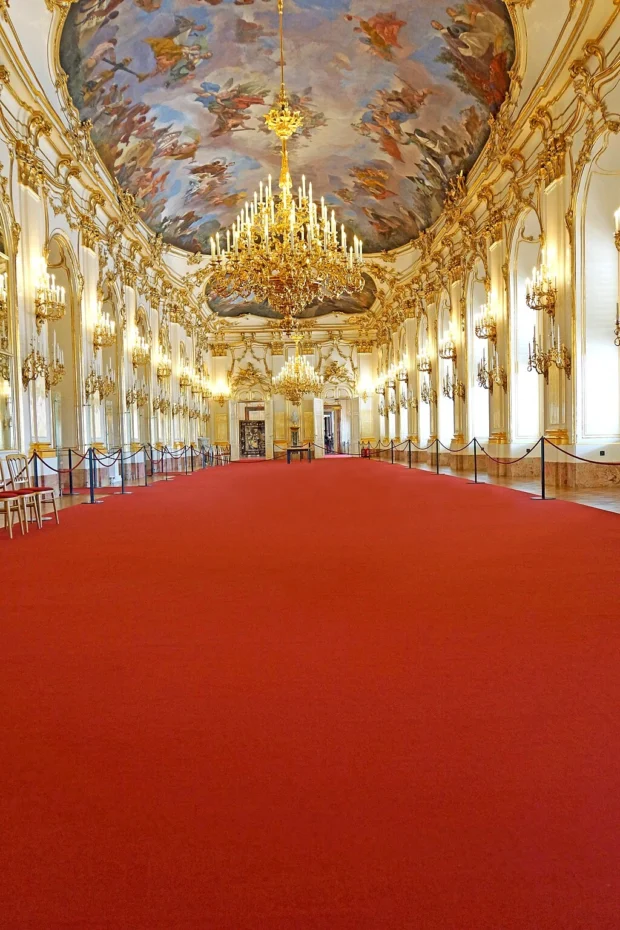
Inside, the palace unfolds like a theatrical stage where power and artistry intersect. The Great Gallery, adorned with ceiling frescoes and crystal chandeliers, hosted imperial balls and diplomatic ceremonies. Meanwhile, the private apartments reveal the domestic lives of Maria Theresa and Emperor Franz Joseph, presenting a contrast of grandeur and intimacy.
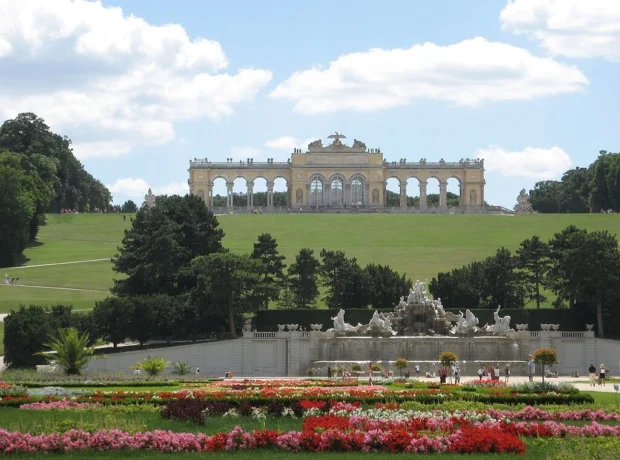
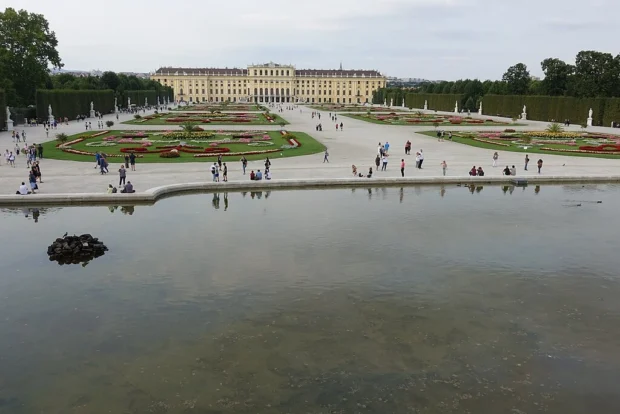
Beyond the interiors, the gardens stretch in geometric precision, inspired by French formal landscaping yet softened by naturalistic elements. The Gloriette, perched aloft a hill, offers panoramic views and exemplifies neoclassical clarity, a later architectural evolution complementing the Rococo core.
After enjoying the architectural grandeur of Schönbrunn Palace, learn about the stunning design and spiritual significance of St. Peter’s Basilica in Vatican City.
A Palace That Witnessed History’s Currents
Schönbrunn’s walls have heard the whispers of empire-building, peacetime elegance, and political upheavals. Napoleon’s occupation during the early 19th century and the 20th-century transitions from empire to republic layered additional historical dimensions. Every stone resonates with the narratives of Europe’s grand transformations.
Timing Your Visit: When to See Schönbrunn in Its Full Glory
Planning your palace visit with care elevates the experience. Schönbrunn draws crowds year-round, yet early mornings and weekdays from Tuesday to Thursday present thinner visitor flows. Arriving at opening time ensures access to the palace’s rooms before tour groups swell.
Seasonal shifts alter the palace atmosphere profoundly. Spring awakens the gardens with blooms, while autumn cloaks the grounds in warm hues, ideal for photography and reflective walks. Winter introduces a festive ambiance, especially during the Christmas markets nearby, but indoor tours can feel brisk due to the cold.
Special Events and Quiet Moments
Occasional concerts in the Orangery or garden spaces offer sonic layers to the visual feast, merging classical music with the palace’s historic aura. Checking the official event calendar prior helps synchronize your visit with these cultural highlights.
The Visit Itself: Tickets, Tours, and Insider Tips
Reservations for Schönbrunn Palace have become increasingly essential, especially in peak seasons. The official website provides a straightforward booking system, allowing visitors to secure timed entry tickets and choose from various tour options. Guided tours shed light on architectural details and historical contexts often overlooked in self-guided visits.
The Classic Pass lets visitors access the palace’s main apartments, the maze, and the carriage museum, while the Grand Tour expands into over 40 rooms with richly furnished interiors. Audio guides, available in multiple languages, offer a flexible alternative to live guides.
Purchasing tickets online ahead of time not only guarantees entry but also helps avoid long queues, a common issue during weekends and school holidays. Visitors can also consider combined tickets that include other Vienna attractions, making the most of their travel itinerary.
Beyond the Palace Walls: Nearby Accommodation and Dining Delights
Staying near Schönbrunn offers a quieter retreat from Vienna’s bustling center while keeping sights within reach. Numerous guesthouses and boutique lodging options populate the district, many housed in charming historic buildings that reflect Vienna’s architectural lineage.
Local eateries embrace both Viennese tradition and contemporary flavors. Sampling Wiener Schnitzel or Sachertorte in cafés close to the palace provides a sensory extension of the cultural tour, allowing taste buds to savor regional craftsmanship alongside architectural artistry.
Hidden Stories and Quirky Schönbrunn Details
Few visitors notice the palace’s precise use of light and shadow in its window designs, a deliberate Baroque technique to enhance the depth and drama of rooms. The palace clock tower, often overshadowed by grander facades, once regulated the daily rhythms of an imperial household intricately tied to court etiquette.
Explore Vienna’s architectural elegance further with a visit to Belvedere Palace, renowned for its stunning Baroque design and beautiful gardens.
Moreover, the palace zoo, established in 1752, holds the title of the world’s oldest zoo still operating, a delightful blend of natural history nestled within a royal estate. Discovering these layers invites a richer appreciation beyond the palace’s visible splendor.
Official Information and Booking
For updated visitor information, ticket reservations, and event schedules, refer to the palace’s official homepage Schönbrunn Palace website. This resource ensures access to all necessary details in clear formats, enhancing your planning with trustworthy data.
For those captivated by royal residences, Buckingham Palace’s captivating history and London setting offer a fascinating next destination after Vienna’s Schönbrunn Palace.
- Palacio de Schönbrunn, Viena, Austria, 2020-02-02, DD 28 by Diego Delso on Wikimedia Commons – cc by-sa 4.0
- Schloss Schönbrunn 02 by Txllxt TxllxT on Wikimedia Commons – cc by-sa 4.0
- 15-04-18-Schloß-Schönbrunn-Großer-Saal-DSCF3688-RalfR by Ralf Roletschek on Wikimedia Commons – gfdl 1.2
- Austria-00643 – Great Gallery (20571322170) by Dennis G. Jarvis on Wikimedia Commons – cc by-sa 2.0
- Palace and gardens of Schönbrunn (16) by Joseolgon on Wikimedia Commons – cc by-sa 4.0


.jpg)
.jpg)