

The city of Macau, resting by the South China Sea, emerges as an intriguing blend of old-world charm and futuristic vision. Macau’s streets carry echoes of centuries past, yet glitter with lights from soaring towers and contemporary casinos. As a crossroads between European and Chinese cultures, Macau entices visitors with its famed landmarks, fascinating architecture, and lively food scene. This city, where Portuguese and Cantonese influences meet, showcases an urban fabric shaped by trade, faith, and imagination. If you are looking for where history meets modern ambition, Macau is waiting for you.
Table of Contents
The Ruins of St. Paul’s: Macau’s Signature Icon
My first morning walk led me to the Ruins of St. Paul’s, the most iconic structure in Macau. Once a 17th-century Jesuit church, the site now has only its dramatic stone façade, presiding over a grand staircase. Up close, the delicate carvings shimmer in the sunlight: lotus flowers, biblical scenes, even a Portuguese ship. Each relief seems to tell a story of East meeting West. Locals pause here to take photos or simply sit and reflect this façade is not only a relic but a silent witness to the city’s many changes.
The engineering marvel of the stonework reveals Renaissance sensibility meeting local craftsmanship. Once, the church was the largest of its kind in Asia, until fire left only the resilient front wall and crypt. I felt a moment of awe imagining choirs in the open air, their voices carrying across the square. The site invites both pilgrims and architects, and even after all these years, the Ruins of St. Paul’s remain the face of Macau.

Senado Square: Where Two Worlds Cross Paths
I continued to Senado Square, Macau’s historic center and a UNESCO World Heritage Site. The waves of its black and white mosaic pavement set a hypnotic rhythm, echoing the flow of people who cross it every day. The surrounding pastel buildings, with neoclassical arches and delicate ironwork, reveal the city’s Portuguese roots. Yet, just steps away, red lanterns and Chinese banners flutter above the lanes, reminding you that this is a place of cultural fusion.

Senado Square serves as both a gathering place and a stage for city life. Locals buy egg tarts at bakeries, street performers draw small crowds, and families relax beneath the colonnades. In the evening, gentle yellow lights highlight the elegant facades St. Dominic’s Church, with its striking yellow-and-white colors, stands proudly at one end. The mix of European and Chinese architectural styles creates a unique harmony. It’s not only a square; Senado is the very heart of Macau’s urban morphology, witnessing everything from festivals to everyday commerce.
Macau Tower: Defining the Urban Skyline
The city’s horizon is forever changed by the Macau Tower, a marvel of modern engineering that reaches 338 meters into the sky. Approaching the tower, I admired its slender vertical elegance. At the top, the glass observation deck offers a dynamic view the old town’s tiled roofs blend into futuristic casino complexes and blue sea beyond. Skywalks circle the tower for those seeking a little thrill, while those less daring can simply enjoy tea and cakes in the revolving restaurant above.
I learned from a local architect that the tower’s base, unlike many observation towers, uses exposed concrete and steel, referencing Macau’s industrial heritage and commitment to modernist design. Throughout the year, Macau Tower plays host to international events bungee jumping is especially famous here. Even for those uninterested in heights, the tower’s silhouette has become a symbol of the city’s aspirations and capability. It stands as a testament to the region’s ambitious spirit and technical finesse.

A-Ma Temple and Monte Fort: Stories in Stone
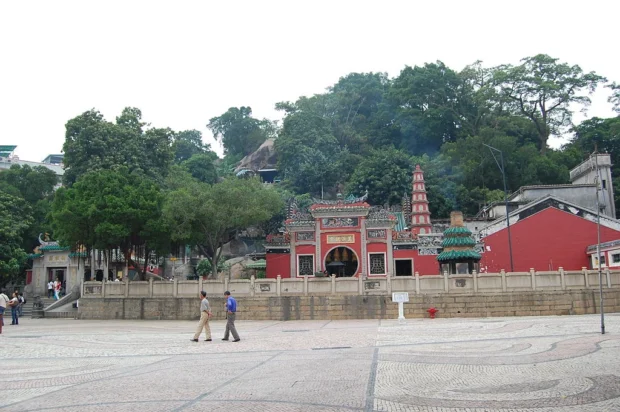
Seeking more tranquil corners, I visited A-Ma Temple in the southwest. Said to be the birthplace of Macau’s name (from the phrase “A-Ma-Gao”), the temple honors the sea goddess Mazu. The scent of incense lingers across the granite courtyards, where dragon carvings and graceful pavilions rise in silent dialogue with the sky. Distinctive green tiles and stone lions mark the entrance, while fortune-tellers offer prayers and advice. The temple resonates with reverence, a living example of sacred site conservation amid modern growth. The phrase “Lei hou,” meaning “hello,” greeted me kindly from worshippers as I quietly observed.
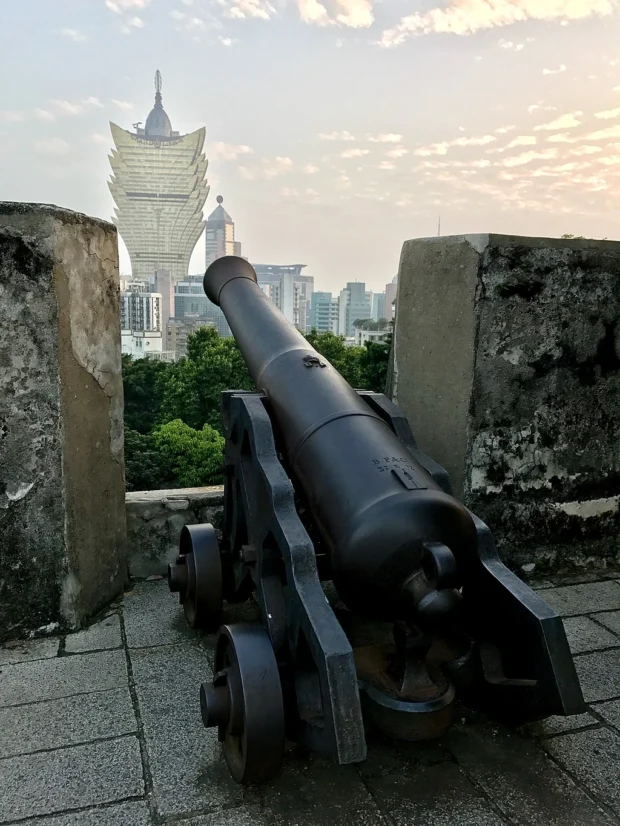
Nearby, Monte Fort commands the city from its strategic hilltop. Built in the 17th century, the fort was once Macau’s last line of defense. Cannons line the walls, gazing out across the harbor. The fort’s ramparts offer unmatched city views old alleys winding into clusters of glass towers. The Museum of Macau sits within the fort’s grounds, its modern design blending with ancient stone. This museum gave me a compact overview of the city’s origins, trade patterns, and the unique convergence of languages and religions. It is a must for any visitor hoping to grasp Macau’s layers.
The Venetian Macau: Modern Grandeur and Entertainment
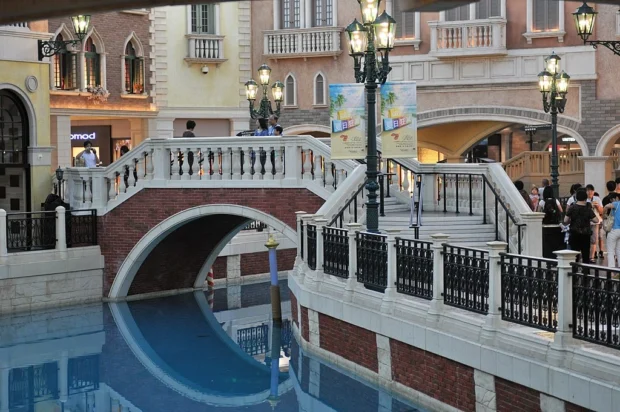
On the Cotai Strip, I entered a very different world the Venetian Macau. Modeled after Venice, this entertainment complex is famous for its luxury and sense of spectacle. Inside, artificial canals wind beneath painted skies, and gondoliers sing in Italian. For a moment, you might believe you have left China and arrived in Europe. Yet, outside the casino halls, decorations bring in hints of Chinese motifs and stonework reminiscent of local fortifications.
The sheer scale of the Venetian impressed me. The atrium’s dome, supported by refined columns with gold accents, reminded me of European palazzi. Still, I found Macau’s ability to interpret foreign architectural styles and blend them with local flavor quite fascinating. The design movement here is playful and ambitious, using illusion and engineering in equal measure. For those interested in hotel architecture, the Venetian is a masterclass in themed design and spectacle.
Hidden Corners and Local Life in Taipa Village
Crossing the bridge to Taipa Village revealed another side of Macau. Here, low pastel houses, Portuguese tile murals, and narrow streets add an old-world feeling to the area. The village is lively but calm, with small bakeries, antique shops, and local eateries tucked into colorfully restored buildings. I tried “minchi” a meaty dish with potatoes and a fried egg, cherished by Macanese families for generations. The phrase “Mm goi,” meaning “thank you,” frequently accompanied smiles from restaurant staff, showing the welcoming nature of the district.
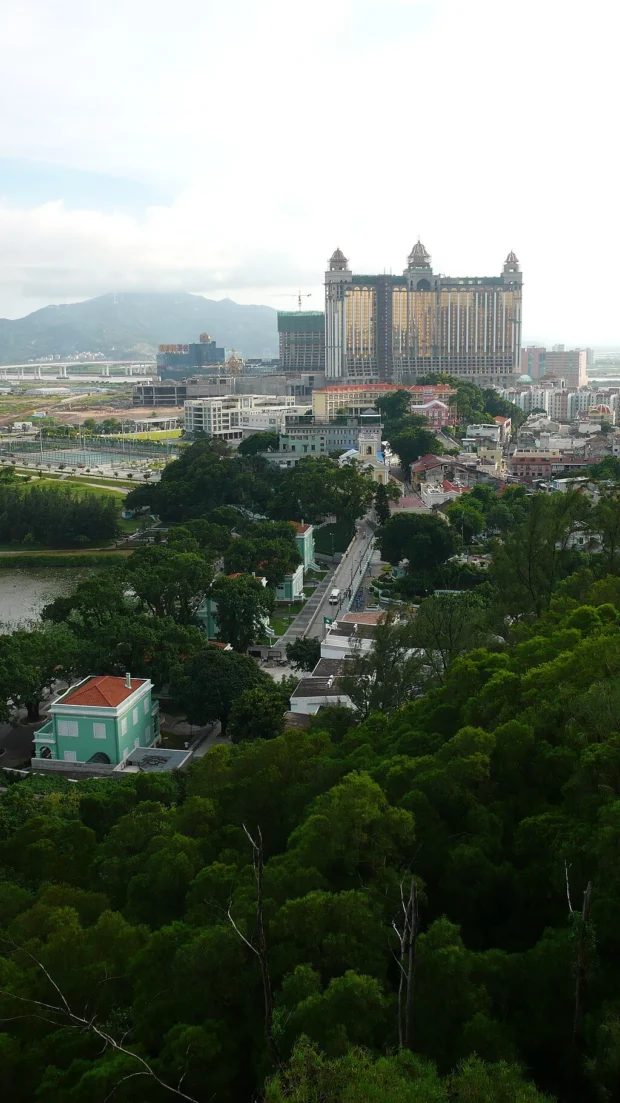
Taipa’s side streets are ideal for walking, free from casino bustle. The local temples and churches, set in leafy parks, tell stories of community faith and adaptation. Some walls reveal illustrations of Portuguese ships, a reminder of the old maritime trade. If you are curious about daily life, Taipa Village remains the city’s soul, offering a taste of Macau’s living traditions and design sensibilities.
Architectural Observations and Hidden Delights
Macau’s greatest surprise lies in its careful layering of architectural styles. From high-rise modernist landmarks to stoic fortifications, the city’s planning is a living document of global trends adapted to local needs. Public squares like Senado, industrial relics, and the dramatic curves of the city’s many bridges show a continuing conversation between eras and disciplines. I often found myself pausing at a street corner just to study the balance between old stucco, new glass, and the tropical greenery spilling from balconies above.

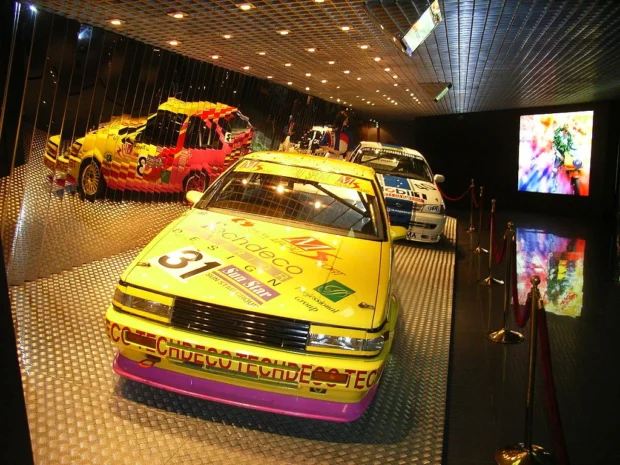
Among the city’s lesser-known quirks are the tiled street signs white and blue ceramics, crafted by local artisans, which recall the azulejo tradition. Small plazas reveal hidden fountains, and shaded arcades protect pedestrians from the subtropical sun. The Grand Prix Museum, not far from the city center, memorializes Macau’s long history with motorsport race fans and design enthusiasts alike find inspiration in the aerodynamic displays and vintage cars. Locals speak both Cantonese and Portuguese, a rare linguistic heritage. Phrases like “Ou mun” for “Macau” and “Zou san” for “good morning” were often overheard and show how languages have mingled here across centuries.
Where to Stay, Getting Around, and Cultural Etiquette
Visitors will find accommodations for every taste. The peninsula offers characterful guesthouses and modern buildings close to historic sites, while Cotai’s hotels place you at the center of entertainment. Public buses and the clean, efficient LRT train make getting around easy. From Macau International Airport or the ferry terminal, board a shuttle or public bus timetables are displayed in English, Chinese, and Portuguese. Many roads are signed in three languages, and drivers tend to respect traffic rules. Ferries connect to Hong Kong and Zhuhai, too, making Macau well-linked to the region.
After enjoying Macau’s blend of old and new, immerse yourself in Johannesburg’s vibrant markets and rich history for a fresh urban glimpse Johannesburg City Breaks.
Macanese cuisine is a story in itself. Beyond minchi, I tasted African chicken, pork chop buns, and the irresistible pastel de nata (egg tart), especially in the streets around Senado Square and Taipa. In the fishermen’s district of Coloane, seafood dishes, such as chili crab and steamed clams, are local favorites. Keep in mind, it’s polite to greet people with a nod or a simple “Lei hou.” At temples, remove hats and lower your voice; gambling areas require formal attire. Macau is a safe city, but always respect photography rules in religious or government buildings.
Local customs blend the formal and the relaxed you may be offered tea in a shop, and it’s polite to accept, even if just for a sip. People shake hands lightly rather than with a strong grip. On the streets, cleanliness is expected; littering is frowned upon. While English is widely understood in tourist areas, using a phrase or two in Cantonese will earn you approving smiles. In this city where east meets west so seamlessly, a little respect for traditions goes a long way.
Reflections on Macau’s Timeless Energy
What is most striking about Macau is not only its famous casinos or colonial facades but the harmony in its contrasts. Markets sit beside cathedrals, artisanal tiles meet mirrored glass, and ancient rituals continue under neon lights. The city’s urban form is both deliberate and organic, growing through centuries of adaptation. As I wandered its labyrinth of streets, pausing at every door and square, I felt the presence of thousands who came before me mariners, artists, monks, and merchants all shaping this remarkable place.
For those who appreciate design, Macau is a living archive, full of inspiration and unexpected details. Each landmark, from the Ruins of St. Paul’s to Macau Tower, reveals stories of ambition, loss, and renewal. The city’s bridges, fortifications, and sacred sites evoke the persistence of its people. Whether you linger in a shaded arcade, admire the geometry of a palace, or simply enjoy a pastel de nata in the afternoon sun, Macau invites you to see how beauty and meaning are crafted across generations. It is, above all, a city built on the art of transformation.
After savoring Macau’s unique cityscape, take a moment to visit Sentosa Island in Singapore for a contrasting escape with sandy beaches and vibrant attractions.
- Fountain Macau by Philip Nalangan on Wikimedia Commons – cc by 4.0
- Ruins of st.Paul by Anisha Indurkar on Wikimedia Commons – cc by-sa 4.0
- MC Macau Peninsula 1327pm old zone 議事前地 Largo do Senado 玫瑰聖母堂 Igreja de São Domingos church November 2023 R12S 03 by Kamfutiam Georgez on Wikimedia Commons – cc0
- Macau Tower CE Centre by Whhalbert on Wikimedia Commons – cc by-sa 3.0
- A-Ma Temple (1387764934) by edwin.11 on Wikimedia Commons – cc by 2.0
- Macau fort by kallerna on Wikimedia Commons – cc by-sa 3.0
- 澳门赌场 Macau Casino 澳门路凼城 Macau Cotai City China Xinjiang – panoramio (7) by 罗布泊 on Wikimedia Commons – cc by 3.0
- Taipa Old City Overview – panoramio by calvinstkm on Wikimedia Commons – cc by-sa 3.0
- Largo do Senado 04-02-2023(5) by LN9267 on Wikimedia Commons – cc by-sa 4.0
- Grand Prix Museum 50815 17 by No machine-readable author provided. KAMSAND23 assumed (based on copyright claims). on Wikimedia Commons – cc by-sa 2.5


.jpg)

.jpg)

.jpg)
