

Arriving in Tokyo is like opening a well-crafted novel each page brings a new surprise. The city is known for its fast trains, bright lights, and quiet moments in nature. At first, Tokyo can feel big, almost endless. But spend a little time, and you start to notice small details tiny shrines tucked between tall buildings, the smell of fresh fish in morning markets, the way locals bow in greeting. If you’re curious about Tokyo’s famous sights, hidden corners, and delicious food, you’re in the right place. Let me take you through the city I came to know over weeks of wandering, talking with residents, and finding stories behind the postcards.
Table of Contents
Arriving in Tokyo: From Airport to City Center
Tokyo welcomes travelers from two main airports: Narita and Haneda. Both are well connected to the city center by train. Narita Express (often called N’EX) makes the trip from Narita Airport to Tokyo Station simple and comfortable, gliding past rice fields and suburbs in about an hour. If you arrive at Haneda, the Tokyo Monorail zips you to Hamamatsucho Station, where you can change to the Yamanote Line, Tokyo’s famous loop train. Trains are punctual, clean, and safe no need to worry about getting lost. Every sign has English, and station staff are always willing to help you with a gentle smile.
Tokyo Tower: A Symbol and a View
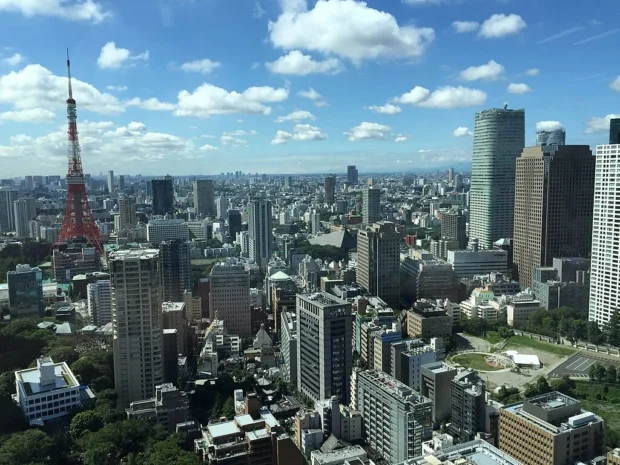
Tokyo Tower is hard to miss—painted in bright orange and white, it rises above the city like a modern pagoda. Built in 1958, it was inspired by Paris’s Eiffel Tower, but the atmosphere is completely different. I went up just before sunset, and the view from the Main Deck was breathtaking. Skyscrapers stretched to the horizon, but from above, you notice the odd patch of green, old temple roofs, and even Mount Fuji on a clear day. The glow of the city lights at night is unforgettable. For opening details and ticket information, feel free to check its official website. Downstairs, there’s a small museum about the tower’s history. I found a group of schoolchildren sketching the skyline—it’s that kind of place, inspiring visitors of all ages.
For a deeper look at Tokyo Tower’s history and nearby spots, the detailed Tokyo Tower Lights write-up adds rich context to your visit.
From Ancient Temples to Bright Crossings: Senso-ji and Shibuya
Tokyo is a city of contrasts, and nothing shows this better than moving from Senso-ji Temple in Asakusa to Shibuya Crossing. Senso-ji is Tokyo’s oldest Buddhist temple, built in the 7th century. As you approach, the red Thunder Gate (Kaminarimon) greets you, and the street fills with the sweet smell of roasted rice crackers. Inside, travelers and locals alike wash their hands and mouth in the ritual font, then pause to offer prayers. The temple grounds are busy but somehow calming. You will see fortune slips tied in neat rows. I once saw a wedding party in full kimono pass by, a window into centuries-old tradition. It’s easy to lose track of time among the lanterns and souvenir stalls. Behind the main hall, there’s a quiet garden and tiny pagoda, perfect for a break if the crowds are thick.
For those enchanted by Senso-ji’s vibrant atmosphere, exploring its nearby cultural gems reveals more of Tokyo’s heartfelt traditions and lively streets.

Then, less than thirty minutes by train, the world changes in Shibuya. The famous Shibuya Crossing is sometimes called “the scramble” hundreds of people cross at once from all directions. It looks chaotic, but everyone moves smoothly, rarely bumping into each other. I stood at the Starbucks above the crossing, watching waves of people surge and retreat. Down at street level, music and ads fill the air. Walk a few streets away, and you will find small bars called izakaya, where you can share grilled skewers with new friends. Shibuya’s energy is unlike anywhere else a theater for modern Tokyo life.

Meiji Shrine and Yoyogi Park: Nature and Ritual in the City
For a different Tokyo, step into Meiji Shrine, surrounded by a deep, silent forest in the heart of the city. The walk from the entrance is long and peaceful, lined with tall cedar trees. At the gate, bow gently a small gesture of respect. Inside, the smell of wood and incense fills the air. I watched people write wishes on wooden plaques called ema, which hang from racks around the shrine. These simple boards become a tapestry of hopes in many languages.
Near the heart of Tokyo, the peaceful paths of Meiji Shrine offer a graceful retreat blending nature with Japan’s spiritual traditions.
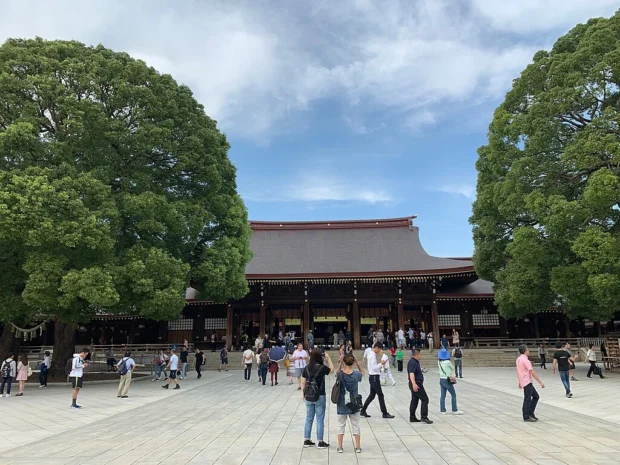
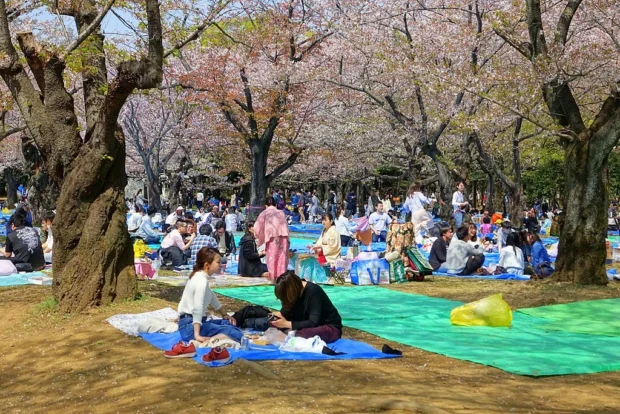
Just next door, Yoyogi Park offers wide lawns and picnic spots. On weekends, musicians and dancers practice for small audiences, and in spring, cherry blossoms turn the park into an ocean of pink. One afternoon, I joined a group of strangers in a game of badminton language didn’t matter, laughter did. If you come in late autumn, don’t miss the golden ginkgo trees, their fan-shaped leaves swirling in the wind.
Modern Views and Traditional Life: Tokyo Skytree and the Old Towns
Tokyo Skytree stands even taller than Tokyo Tower at 634 meters, it is the tallest structure in Japan. The elevators whoosh you to the top in seconds. The views stretch far beyond the city, sometimes as far as the Pacific Ocean. On the lower floors, there is a lively shopping area and an aquarium. Some say the Skytree area, called Oshiage, was once famous for its waterways and old shops. If you are curious about the latest events or want ticket times, the Tokyo Skytree official site is a good resource.

Not far away is Asakusa, the district surrounding Senso-ji. Here, rickshaw pullers in traditional coats offer rides, and you can still find shops selling hand-painted fans and delicate ceramics. I stumbled upon a tiny family-run store selling maneki-neko, the beckoning cat statues said to bring good luck. Each was shaped and painted by hand small pieces of Tokyo’s spirit you can take home.

Imperial Palace and Hamarikyu Gardens: Stories of Old Japan
The Imperial Palace sits at the heart of Tokyo, surrounded by deep moats and ancient stone walls. The palace itself is rarely open to the public, but the East Gardens are peaceful and free to enter. Walkways pass through old gatehouses, and in spring, plum and cherry trees bloom along winding paths. The Imperial Palace has stood through war and peace, fire and rebuilding it is a symbol of endurance for Tokyo.

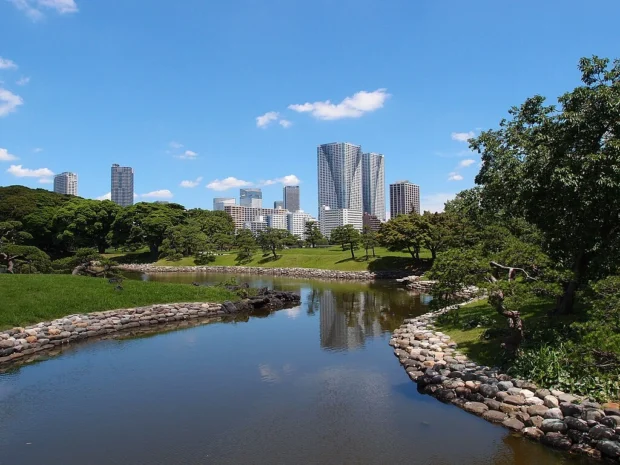
South of the palace, Hamarikyu Gardens show another side of the city’s past. Once a samurai’s hunting ground, now the gardens mix wild ponds with carefully pruned pine trees. I watched a gardener on a tiny boat, plucking fallen leaves from the water true dedication. The gardens host a small teahouse where you can sit on tatami mats and drink matcha, whisked green tea, while looking over the water. It’s easy to forget the skyscrapers just beyond the park’s walls.
Where to Stay in Tokyo: Quiet Stays and City Life
Choosing where to sleep in Tokyo depends on the mood you want. In Asakusa, you find smaller guesthouses close to historic sights like Senso-ji and tiny alleys filled with lanterns. Shinjuku is busier, with many modern hotels and quick access to trains that go everywhere. Ueno offers a balance there’s the huge Ueno Park, famous for its museums and cherry blossoms, and plenty of budget places. Ginza is Tokyo’s shopping heart, with polished skyscrapers and upscale apartments, while Odaiba, built on artificial islands, draws those curious about futuristic architecture and seaside views. Each neighborhood gives a different Tokyo, so think about what you want to see most and pick a place nearby you’ll save time and enjoy local flavor.
Eating in Tokyo: Districts and Specialties
Tokyo is a paradise for anyone who loves food. I started most mornings at Tsukiji Outer Market, once the world’s biggest fish market. While the inner auction area has moved, the outer market bustles with small stalls and tiny restaurants. Try tamagoyaki (sweet omelette) on a stick, or a bowl of fresh sashimi. The scent of grilled eel drifts through the air, and you can watch rice balls shaped by hand. In the afternoons, I’d walk through Ameya-Yokocho in Ueno for skewered meats and fried snacks, or visit a kissaten old-style coffee house for thick toast and slow-drip coffee.

Ginza is famous for sushi and wagyu beef, but there’s also delicate pastries and green tea from Kyoto. In Akihabara, the energy is high here, themed cafes serve anything from parfaits to curry rice, often with a quirky twist. If you’re feeling brave, look for monjayaki in Tsukishima, a pancake-like dish cooked at your table. Tokyo’s food reflects all Japan: careful, creative, and always fresh.

Finding Green: Parks, Gardens, and Secret Spaces
Sometimes Tokyo feels like a city of steel and glass, but nature hides in every corner. Ueno Park is the largest, and in spring it is packed with people under the cherry blossoms, sharing bento boxes and laughter. The park also has several museums, including one with an amazing collection of Asian ceramics and folk art. In the mornings, joggers and seniors exercise side by side, and street performers attract small crowds.

Another place I love is Hamarikyu Gardens, where saltwater ponds rise and fall with the tides. Here, you may spot herons fishing or couples sketching the old teahouse across the water. Yoyogi Park is best on Sundays, when you might see dancers dressed as Elvis, families flying kites, or craft markets with handmade textiles. Even in crowded Shibuya, a walk through a bamboo grove or down a tree-lined avenue can transport you from the noise to calm.
Shopping and Nightlife: Akihabara, Ginza, Roppongi Hills, Odaiba
Tokyo’s shopping districts each have a personality. Akihabara is known for electronics, manga, and everything for fans of anime shops glow with neon, and music plays late into the night. If you’re interested in crafts, you can find specialty stores selling ceramics, traditional toys, and even kimonos. I bought a hand-dyed handkerchief here, dyed using the same techniques as a hundred years ago.

In Ginza, high-end boutiques line wide boulevards, and department stores offer food basements with every delicacy imaginable. Roppongi Hills mixes luxury shops with art museums and city views sometimes, I would visit just to see the seasonal flower displays. Odaiba, built on reclaimed land in Tokyo Bay, is famous for giant shopping malls, entertainment centers, and a small replica of the Statue of Liberty. From here, the Rainbow Bridge lights up at night, and ferris wheels glow in the distance.

Customs, Myths, and Small Surprises
Tokyo is a city that cares about manners. When entering a home, always remove your shoes; slippers are usually provided. On trains, talking on your phone is not polite; instead, enjoy the silence or the scenery outside. In shrines and temples, bow lightly at the entrance, and take photos only where allowed. I learned these customs not from guidebooks but from watching locals small gestures that show respect for tradition.
I heard many stories from people I met. One local told me that in old Tokyo, now called Edo, street vendors would call out in song, letting neighbors know the day’s catch or harvest. Another story: Tokyo’s first sushi was sold from carts along the Sumida River, meant to be eaten quickly by hand. Even busy crossings have their legends some say if you stop, close your eyes, and listen to the sound of feet at Shibuya, you can hear the city’s heart beating.
Tokyo also values craftsmanship. In shop windows, you’ll see fine ceramics, silk textiles, and handmade sweets. I found a tiny workshop near Asakusa where an elderly man shaped bamboo into tea whisks, the same way his grandfather did. Such crafts connect today’s Tokyo with centuries past.
Getting Around: Train Lines and Local Etiquette
The best way to travel in Tokyo is by train or subway. The network seems complex at first, but color-coded maps and English signs make it easy. The Yamanote Line circles the city’s key districts use it as your guide. Suica and Pasmo cards work on most lines; simply tap and go. If you get lost, ask station staff they’re used to helping visitors, and even a few words of Japanese are appreciated. Never rush through train doors, and always wait for passengers to exit before entering.
Walking is safe and often rewarding. You’ll notice small temples, pop-up food stalls, and even cats napping in quiet alleys. Buses can reach places far from train stations, but I found the joy is in wandering, letting the city reveal itself one detail at a time. If you love biking, some areas offer rental shops, but remember to park only in designated areas Tokyo is tidy, and locals take pride in clean streets.
Final Thoughts: Tokyo’s Endless Surprises
Every time I visit Tokyo, I find something new. One morning, I watched carp swim in a temple pond; another day, I joined an impromptu jazz session under neon lights. The city balances old rituals and constant reinvention. Whether you stand atop Tokyo Tower or wander through a bamboo grove in a quiet park, you sense a city built on respect for beauty, for history, and for each person who walks its streets. If you come with open eyes and a curious heart, Tokyo will offer stories, flavors, and moments you’ll never forget.
For a broader view of Tokyo’s skyline and vibrant culture, visiting the Tokyo Skytree offers an unforgettable experience beyond the city’s traditional sights.
A Chinese tour guide with deep knowledge of the Far East, its traditions, and culinary secrets.
- Marunouchi Central Plaza with blue sky, Tokyo station and Shin-Marunouchi Building, panoramic view from JP Tower, Tokyo, Japan by Basile Morin on Wikimedia Commons – cc by-sa 4.0
- Cityscape near Tokyo Tower, ARK Hills Sengokuyama Mori Tower, and Shiroyama Trust Tower, view from Toranomon Hills Mori Tower, Minato-ku, Tokyo – 2 (2015-09-11 by yellowmagics9 @Pixabay 1121869) by yellowmagics9 on Wikimedia Commons – cc0
- Illuminated Senso-ji Temple (4097294737) by Yoshikazu TAKADA from Tokyo, Japan on Wikimedia Commons – cc by 2.0
- Shibuya Crossing, May 2017 1 by Celuici on Wikimedia Commons – cc by-sa 3.0
- Meiji Jingu Shrine Tokyo Japan by MediaByPanda on Wikimedia Commons – cc by-sa 4.0
- 2019 Tokyo Skytree by Kakidai on Wikimedia Commons – cc by-sa 4.0
- Japan – Tokyo (Asakusa) (10005090516) by Maya-Anaïs Yataghène from Paris, France on Wikimedia Commons – cc by 2.0
- Tokyo Imperial Palace Main Gate (2875559412) by gwaar from Japan on Wikimedia Commons – cc by 2.0
- Hamarikyu Gardens (9155535655) by Guilhem Vellut from Annecy, France on Wikimedia Commons – cc by 2.0
- Tsukiji Outer Market -01 by Aimaimyi on Wikimedia Commons – cc by-sa 3.0
- Matsuya Ginza 2012 by Kakidai on Wikimedia Commons – cc by-sa 3.0
- April 2009, hanami in Ueno Park -91288 by Syced on Wikimedia Commons – cc0
- Cherry blossom festival 2018 – Yoyogi Park – Tokyo, Japan – DSC05535 by Daderot on Wikimedia Commons – cc0
- Akihabara, Tokyo, Japan 006 by Vasconium on Wikimedia Commons – cc by-sa 2.0
- Roppongi Hills 2013-12-01 by Shampoorobot at Japanese Wikipedia aka ja:User:A16504601 on Wikimedia Commons – cc by-sa 3.0

.jpg)
.jpg)


_(10005090516).jpg)
.jpg)
.jpg)


