

Shanghai, a bustling metropolis known for its striking skyline and dynamic energy, holds a quieter treasure that invites thoughtful contemplation the Shanghai Museum. Nestled in the city heart, this museum is a sanctuary for lovers of history, craftsmanship, and cultural depth. Here, amid delicate ceramics and age-old bronzes, enthusiasts of folk art, textile traditions, and tea culture will find inspiration. Accessible by various modes of transport from the city center, airport, or railway station, the museum’s location also offers nearby accommodation and local eateries serving authentic Shanghai flavors, creating a perfect cultural day trip in this energetic city.
Table of Contents
Journeying to the Museum’s Cultural Core
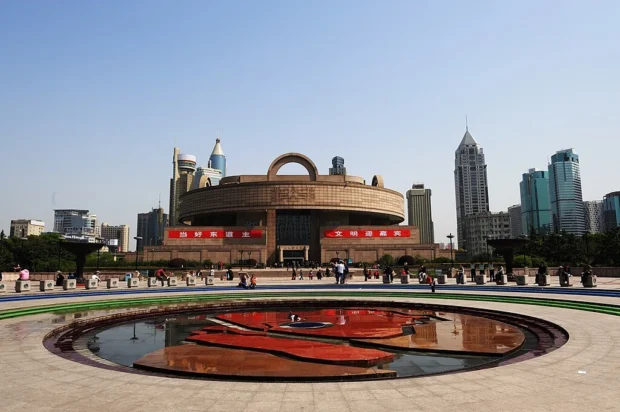
Located at People’s Square, the Shanghai Museum stands proudly near the intersections of Nanjing West Road and Huangpi South Road. For those arriving from Shanghai Hongqiao Airport or the main railway station, the journey is straightforward:
- From Hongqiao Airport: Take Metro Line 2 directly to People’s Square Station; the museum is a short walk from Exit 1.
- From Shanghai Railway Station: Board Metro Line 1 or Line 3 to People’s Square Station, then follow the signs to the museum.
- From Pudong Airport: Use Metro Line 2, changing at East Nanjing Road to Line 2 towards People’s Square.
Nearby accommodations range from charming boutique inns in the old French Concession to stylish urban hotels overlooking the Huangpu River. Food lovers will enjoy wandering local markets and street stalls selling xiaolongbao, the famous soup dumplings, and zhajiangmian, a hearty noodle dish rich with soybean paste and minced pork.
Architectural Poetry: The Museum’s Round Design
The Shanghai Museum’s architecture itself narrates a story of Chinese philosophy. Its distinctive round top and square base symbolize heaven and earth, an ancient concept deeply rooted in Chinese tradition. This thoughtful design creates a contemplative space where the museum’s artifact exhibits harmonize with the building. Walking inside, the openness of the main hall offers a graceful introduction to the journey through millennia of artistry and craftsmanship.
Tracing China’s Cultural Footprints Through Artifacts
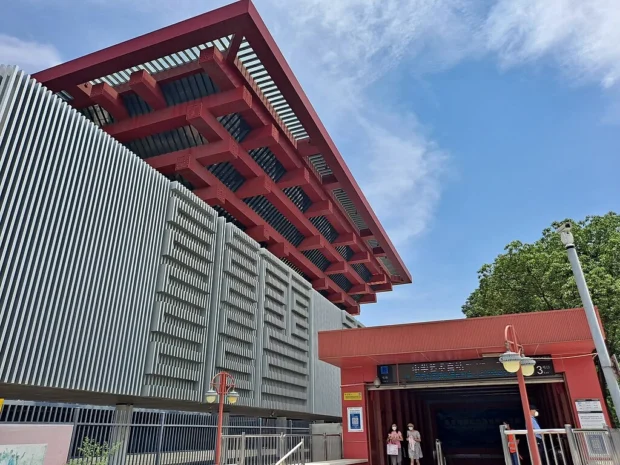
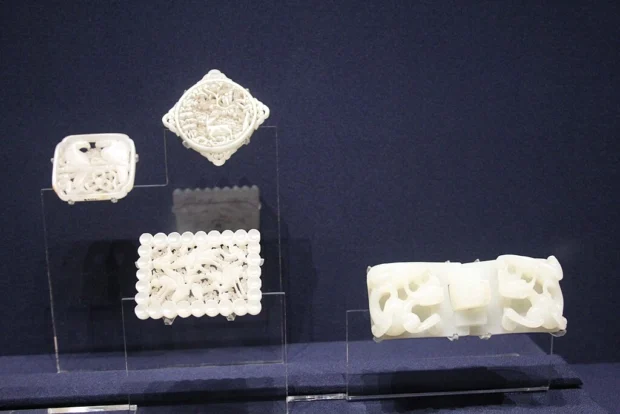
The museum’s collections span over 5,000 years of Chinese history, with treasures ranging from Neolithic pottery to exquisite Song Dynasty ceramics. Each exhibit whispers stories of artisans who mastered bronze casting, jade carving, and silk weaving. The bronze items, some dating back to the Shang Dynasty, reveal rituals and beliefs entwined with power and spirituality. Meanwhile, the silk textiles and paintings illustrate the lyrical beauty that flourished along the Silk Road, capturing the essence of ancient trade and cultural exchange.

The Folk Art Spirit in the Galleries
Remarkably, the museum also preserves folk arts that reflect the vibrant cultural practices of China’s diverse ethnic groups. Delicate paper cuttings, intricate embroidery, and vibrant New Year paintings showcase traditions passed through generations. These expressive crafts hold meanings beyond mere decoration, symbolizing hopes for prosperity, happiness, and protection.
Craftsmanship of Ceramics and Calligraphy
Visitors are often mesmerized by the ceramics gallery, where glazes shift from jade green to the soft blue of porcelain. The museum holds rare Song Dynasty pieces, prized for their simple forms and subtle glazes that express an elegant restraint. Nearby, calligraphy scrolls provide a window into the literati culture, revealing the philosophical depth and aesthetic finesse valued by Chinese scholars.
Optimum Timing and Thoughtful Visiting Guidelines
Planning a visit here encourages choosing weekdays, ideally in the morning hours when light filters gently through the museum’s glass ceilings, enhancing the viewing experience. Weekends tend toward busy crowds, especially during Chinese holidays when local families come to connect with heritage. Spring and autumn offer moderate weather perfect for exploring the surrounding People’s Square and nearby gardens afterwards.
Admission to the Shanghai Museum is free, but visitors are advised to reserve tickets online in advance, especially during peak seasons, to ensure smooth entry. Guided tours are available upon request and can be arranged through the museum’s official website, enriching the visit with in-depth stories about each exhibition’s origins and significance.
Local Dining and Cultural Delights Nearby
After absorbing artistry, return to the streets around People’s Square for a taste of Shanghai’s culinary nuances. Finger-licking xiaolongbao is a must; these little dumplings burst with savory broth and tender pork, crafted like a delicious poem of texture and aroma. Alternatively, steamed hairy crab in autumn is celebrated for its subtle sweetness a true seasonal delight.
For quieter moments, traditional tea houses nearby offer soothing green and jasmine teas, grounding visitors in relaxation amidst a crafted ritual that echoes the ancient tea culture integral to Chinese life. Each sip lends a connection to the centuries-old reverence of tea as both medicine and social glue.
Reservations and Practical Visitor Advice
Ticketing is free but timed entry requires online booking. Visit the official Shanghai Museum site to plan your visit, check for special exhibitions, and arrange guided tours or audio guides that enhance the storytelling experience. Walk-through security and respectful photo policies help preserve the delicate artifacts on display.
Wear comfortable shoes the museum’s spacious halls invite hours of wandering through history. Carry a light sweater, as galleries can be cool to protect the exhibits. Photography is allowed in most areas without flash, offering chances to capture the brilliant glazes of ceramics or the flowing lines of ancient calligraphy.
Learn More and Plan Your Visit
For up-to-date details, visitor guidelines, and digital previews of collections, explore the Shanghai Museum official website. This well-structured site offers enriching resources to familiarize yourself with the museum’s treasures before arriving.
Whether fascinated by ancient rituals engraved in bronze, enchanted by vivid folk art, or charmed by the graceful poetry of calligraphy and ceramics, the Shanghai Museum stands as a timeless guardian of cultural heritage a meaningful stop in the heart of Shanghai’s ever-evolving story.
After marveling at ancient crafts inside, you might wander through vibrant urban life and hidden streets in Shanghai’s lively neighborhoods in this guide to Shanghai’s streets and culture.
A Chinese tour guide with deep knowledge of the Far East, its traditions, and culinary secrets.
- China Art Museum, Shanghai (2015) – 03 by Another Believer on Wikimedia Commons – cc by-sa 4.0
- The shanghai museum by Pyzhou on Wikimedia Commons – gfdl
- China Art Museum Station Entrance by 钉钉 on Wikimedia Commons – cc by-sa 4.0
- Shanghai Museum, Ox in Bronze (8376405030) by Mark Huguet from Suzhou – Wuxi, China on Wikimedia Commons – cc by-sa 2.0
- Ming Jade Belt Plaques & Qing Jade Belt Clasp by Gary Todd on Wikimedia Commons – cc0
_-_03.JPG)


.jpg)
