

Rising from the lush Tijuca Forest, the iconic Christ the Redeemer statue casts a serene gaze over the city of Rio de Janeiro. This colossal monument, a symbol of peace and faith, holds a captivating presence that invites travelers to pause and reflect. Whether you arrive from the bustling city center or the distant airport, the journey up Corcovado Mountain offers a blend of architectural wonder, scenic beauty, and cultural resonance. In this post, I share my observations on the Christ the Redeemer statue’s striking design, the rhythmic interplay of light and shadow over Rio’s urban geometry, and practical insights for visiting this monumental landmark.
Table of Contents
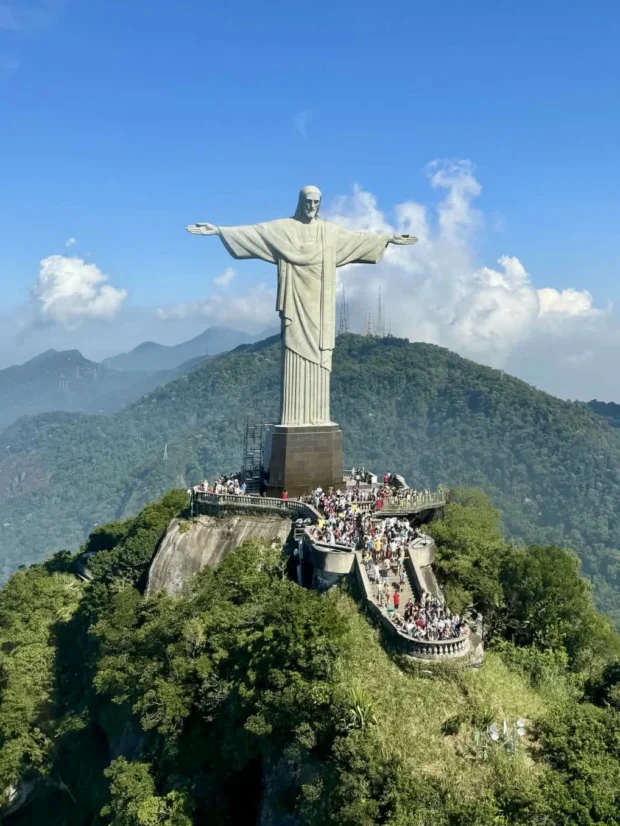
Ascending Corcovado: Pathways to the Iconic Statue
To reach Christ the Redeemer, visitors begin their ascent either from the Cosme Velho neighborhood or via official tours departing from downtown Rio. The most atmospheric route is the Corcovado Rack Railway, which meanders through dense forest, revealing an evolving tapestry of light and shade. The slow climb offers tantalizing glimpses of Rio’s sprawling cityscape and the Atlantic’s shimmering horizon.
For those arriving from Rio de Janeiro–Galeão International Airport, a taxi or rideshare to Cosme Velho takes roughly 45 minutes, depending on traffic. From the city center, the journey is shorter, typically about 30 minutes. The train station sits close to local eateries, where you can savor traditional Brazilian snacks before the climb.
Local Flavors Near Cosme Velho
Before or after your visit, I recommend tasting “pastel de queijo” (fried cheese pastry) sold by street vendors, paired with a fresh coconut water for cooling refreshment. The neighborhood’s small cafés serve rich Brazilian coffee, perfect for an early start to your day. These simple flavors complement the grandeur awaiting you atop Corcovado.
Architectural Grandeur and Symbolism of Christ the Redeemer
The statue itself stands 30 meters tall, arms extending 28 meters wide, crafted from reinforced concrete and covered with thousands of triangular soapstone tiles. This choice was deliberate: soapstone’s enduring texture and pale color create a soft, glowing effect under Rio’s tropical sun.
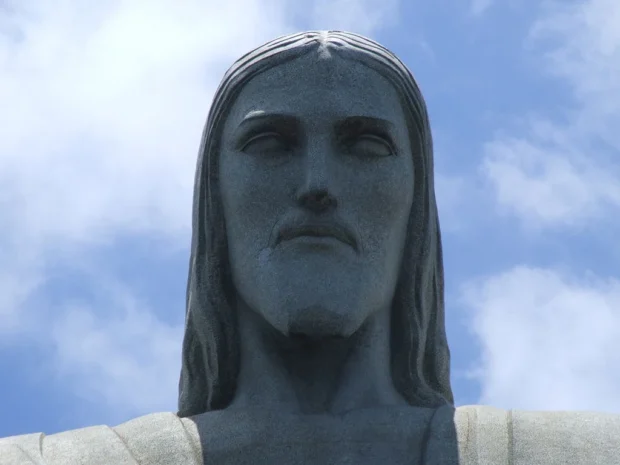
Built between 1922 and 1931, Christ the Redeemer was designed by sculptor Paul Landowski and engineer Heitor da Silva Costa. The statue’s Art Deco style reflects the era’s fascination with streamlined forms and monumental scale. What fascinates me most is how the statue’s geometric symmetry balances perfectly with the rugged contours of Corcovado, creating a harmonious dialogue between man-made and natural forms.

Myth and Meaning Beneath the Outstretched Arms
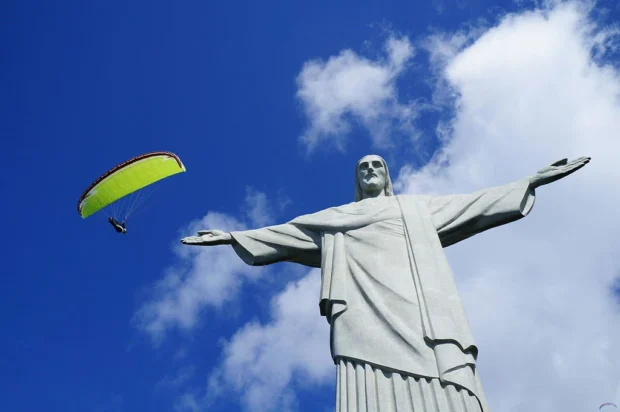
Locals often speak of the statue as a silent protector, its open arms symbolizing a welcoming embrace to all people. There’s a lesser-known story about the statue’s design inspiration: some say the arms were intentionally spread wide to mirror the cross, yet others believe the shape echoes the wingspan of a bird in flight, symbolizing freedom and hope.
Best Time and Day to Visit for Light and Atmosphere
Early mornings, especially on weekdays, provide a tranquil experience with fewer crowds and soft, golden light perfect for photography. The sunrise bathes the statue in warm hues, casting long shadows that enhance its sculptural details. Late afternoons before sunset also offer stunning panorama views, where the interplay of city lights and the dimming sky creates a compelling visual rhythm.
Avoid weekends and holidays when lines lengthen and the viewpoint becomes congested. If you crave solitude, consider visiting on a Tuesday or Wednesday morning to fully appreciate the interplay of light and shadow across Rio’s urban canvas.
Planning Your Visit: Tours, Tickets, and Reservations
Access to the statue requires purchasing tickets either online or at the base station. The official site offers secure reservations, which I highly recommend to avoid long queues. Group tours often combine the ride on the rack railway with local guides, providing rich historical context and architectural insights.
Note that the statue’s summit is reached by elevator and stairs from the railway station, with limited accessibility for visitors with reduced mobility, so plan accordingly.
- Purchase tickets from the official website to secure your spot.
- Arrive early to avoid crowds and enjoy the natural light.
- Dress in comfortable shoes for walking and bring sunscreen and water.
- Check weather forecasts clear skies reveal breathtaking views.
- Consider combining this visit with a walk in the Tijuca Forest for a broader nature experience.
Where to Stay and How to Immerse in Rio’s Urban Pulse
Nearby accommodations range from cozy guesthouses to boutique hotels nestled within leafy neighborhoods. Staying in areas like Santa Teresa or Laranjeiras offers a peaceful retreat with easy access to the statue and other city attractions.
For a broader view of Rio’s vibrant life beyond the statue, check out our feel the pulse of Rio de Janeiro article, capturing the city’s lively streets and hidden gems.
To savor Rio’s urban dining, wander toward local markets or beachfront kiosks offering classic dishes like feijoada a rich black bean stew with pork and freshly grilled seafood. The vibrant colors and aromas of these dishes reflect the city’s diverse cultural fabric.
Capturing the View: Photography Tips from the Peak
Having spent hours photographing from the summit, I can attest to the dynamic range of perspectives available. Morning shots highlight the statue’s textured stone against soft skies, while afternoon vistas showcase the sprawling city below in vibrant detail.
Keep an eye on the changing light angles. The statue’s arms create intriguing shadows on the pedestal, and the panoramic backdrop shifts from urban grids to natural contours, offering a rich palette for visual storytelling.
Official Christ the Redeemer Website for Tickets and Information
For more details and to book your visit, please check the official site.

- Christ the Redeemer-(Corcovado) front view by Mucio Scorzelli on Wikimedia Commons – cc by-sa 4.0
- Aerial view of Cristo Redentor, Rio de Janeiro by Florent Pécassou on Wikimedia Commons – cc by-sa 4.0
- Detail, Christ the Redeemer statue by Dkoukoul on Wikimedia Commons – cc by-sa 3.0
- Cristo Redentor – Close by Nikolof on Wikimedia Commons – cc by-sa 4.0
- Nas mãos do Cristo by Rafael Rabello de Barros on Wikimedia Commons – cc by-sa 3.0
_front_view.jpg)


