
If the word “Sofia” makes you think only of a city somewhere in Eastern Europe, you’re not alone. I came here half by accident, expecting old churches but not much else. I left with my mind swirling with golden domes, mountain air, and the laughter of people who love this city’s slow mornings and bright evenings. Sofia, Bulgaria’s capital, is a place where ancient stones, socialist grandeur, and lively markets meet a city that surprises you at every turn. This guide is for anyone who wants to feel Sofia’s heartbeat, whether you’re a first-time explorer or someone who thought they knew the city already. I’ll share practical travel tips, small customs to know, and a few unusual stories I collected in my weeks wandering here. If you want to stroll past Alexander Nevsky Cathedral, hike Vitosha Mountain, eat banitsa on a park bench, and find the stories behind the stones, Sofia is ready for you.
Table of Contents
Arriving in Sofia and Getting Around
Arriving in Sofia is simple, whether by plane or train. Sofia Airport has a direct metro connection (Line 1) to the city center. The metro is quick, clean, and tickets are very affordable. The main train and bus stations are close to downtown. I recommend using the metro or trams to move around; they are easy to navigate, and locals are happy to help with directions. Avoid taxis, as some charge more to tourists, and the traffic can be slow. Walking is safe and pleasant in most central neighborhoods.
The city’s main square, where the yellow cobblestones lead you past grand government buildings, is a scene I return to again and again. You’ll notice the echoes of many different eras as you cross from neoclassical facades to old Thracian ruins.
Alexander Nevsky Cathedral: Sofia’s Golden Heart
If there’s one image that lives in the mind when you think of Sofia, it is the shining domes of Alexander Nevsky Cathedral. This Orthodox cathedral is not just an icon of the city — it’s a symbol of faith and freedom for many Bulgarians. I remember my first visit: the late afternoon sun turning the domes almost orange, and the bells echoing through the square. Completed in the early 20th century to honor Russian soldiers who helped free Bulgaria from Ottoman rule, the cathedral is both massive and elegant. Step inside to see rich mosaics, icons, and a sense of peace that hushes even the busiest visitor.
To deepen your connection with Sofia’s rich heritage, visit the detailed account of Alexander Nevsky Cathedral and its lasting cultural impact in this nearby feature.

Outside, street artists and flower sellers bring color to the square. One afternoon, I met an old man selling tiny felt icons. He told me, “Some days I see the same face twice one at sunrise, one at sunset, always looking up.” Sofia’s icons, old and new, are everywhere if you look.
Boyana Church: Medieval Frescoes Hid in the Hills
Tucked away at the foot of Vitosha Mountain stands Boyana Church, a UNESCO World Heritage site. This small medieval church looks plain from outside but holds one of Europe’s greatest treasures inside: frescoes from 1259 that shine with color and expression. The faces on the walls are so full of life, so different from the stiff icons you might expect, it almost feels like the artists finished the work yesterday. Local guides say that these paintings changed the course of European art, inspiring painters far beyond Bulgaria.
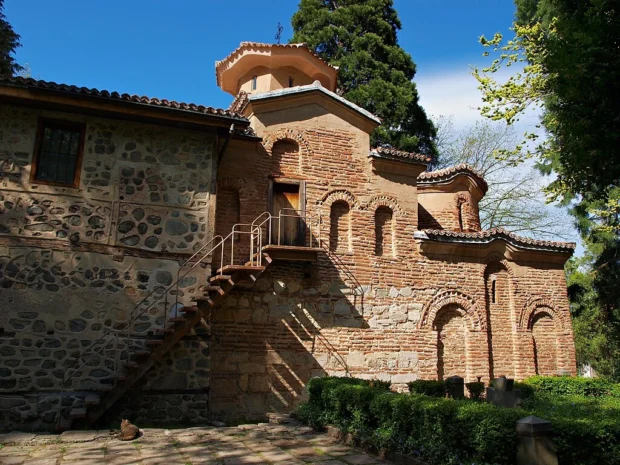
Visits are limited to keep the frescoes safe, so arrive early or book in advance. A tip: take trolleybus 2 or bus 64 from the center for a slow ride through Sofia’s leafy neighborhoods, passing gardens and tall linden trees. As you wander toward the church, listen for bird song and the sound of water from the nearby creek.
Vitosha Mountain: Wild Beauty Above the City
Not many European capitals have a mountain rising right at the city’s edge, but Sofia’s Vitosha Mountain is always on the horizon. In spring and summer, locals hike to the stone river of Zlatnite Mostove or picnic in the meadows. In winter, the ski slopes open, and you might see university students, businesspeople, and families all riding the old chairlift together. The air smells of pine, and the city sparkles below.
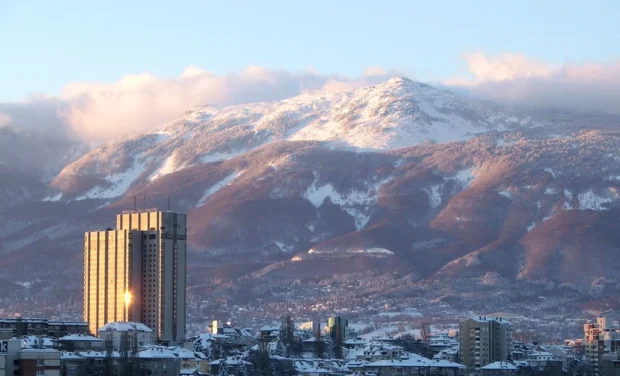
A favorite memory: climbing up on a Sunday morning with a group of new friends and, at the top, sharing a large banitsa (a flaky pastry with cheese) from a local bakery. They told me, “Vitosha is our second home. If you want to know Sofia, you must breathe this air at least once.” To reach the trailheads, take bus 66 from Hladilnika metro stop or the Dragalevtsi chairlift both are easy to use and make the journey part of the adventure.
Grand Squares, Living History, and Socialist Splendor
Sofia’s center is a living museum. Walk along the yellow brick road (the Prince Alexander of Battenberg Boulevard), and you’re following a path once reserved for royalty. Stop at the National Palace of Culture, a massive building from the 1980s, where I stumbled into a folk dance festival on my first week. Inside, the halls fill with art exhibitions, concerts, and student debates. The square outside turns into an open-air cinema or food fair when the weather is warm.

The Ivan Vazov National Theatre is another jewel, with white columns and a red facade facing a lively park. I sat in the park one evening, listening to young musicians playing old folk songs while students rehearsed lines on nearby benches. The theatre itself is a place for both classic Bulgarian drama and visiting performances from across Europe. I didn’t understand every word, but the emotion crossed every language barrier.

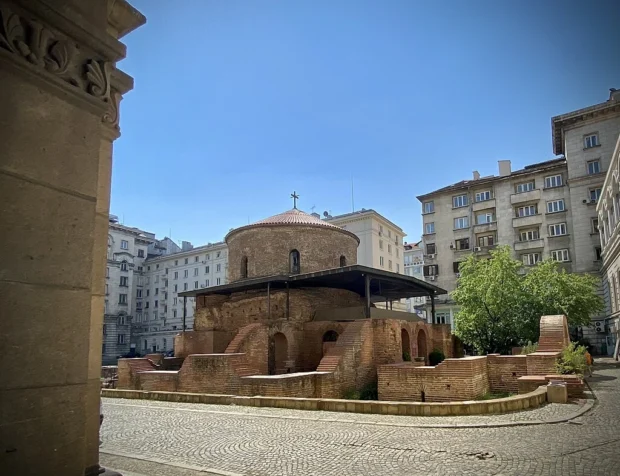
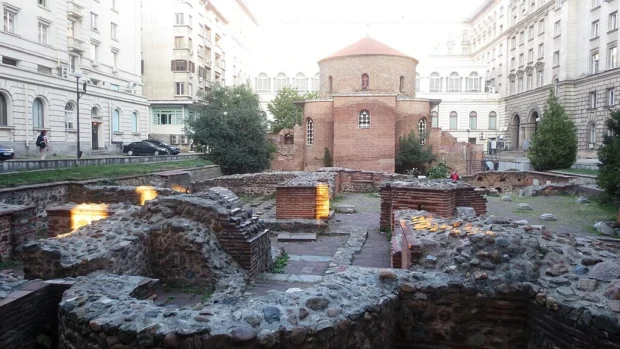
Nearby, in quiet courtyards, you’ll find the red-brick Sveti Georgi Rotunda, Sofia’s oldest building. Dating back to Roman times, this rotunda sits almost hidden between larger structures. Its ancient walls have seen Empires come and go. I stood there, listening to an old caretaker humming a hymn, and thought about how much history these stones have absorbed.
Churches, Mosques, and Sofia’s Religious Heritage
What makes Sofia unique is the way faith traditions stand side by side. The Saint Sofia Church, next to the cathedral that borrowed its name, is an austere but beautiful brick basilica from the 6th century. During one visit, I watched as locals lit candles and whispered prayers. In the garden, a statue of a lion keeps silent watch a symbol of courage that Bulgarians cherish.

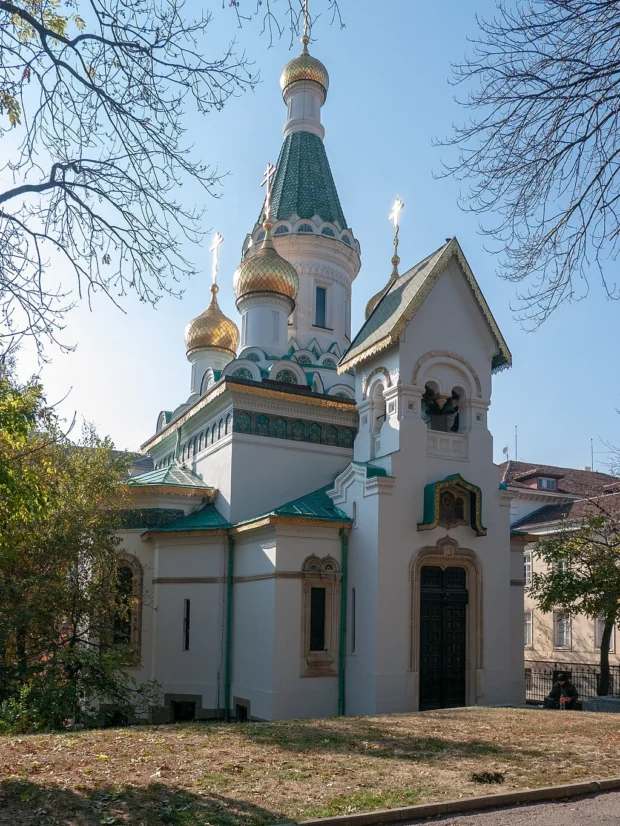
The Russian Church, with its green and gold domes, seems made for fairy tales. Step inside at noon, and you may hear the deep voices of a choir rising with incense. Just across the street is the Banya Bashi Mosque, built in the 16th century when Sofia was known as Serdica. Its single minaret is a soft reminder of the city’s Ottoman chapter. I met a man in the mosque’s garden who told me, “Here, we remember every empire, but now we pray for peace.”

Markets, Mineral Baths, and Sofia’s Living Traditions
If you want to see Sofia’s everyday life, visit the Central Market Hall or the old Trade Rows. There, cheese sellers call out prices next to honey makers and fruit vendors. I sampled lukanka (a spicy salami) and fresh figs, and listened as a woman explained the difference between old mountain honey and the lighter kind from the plains.
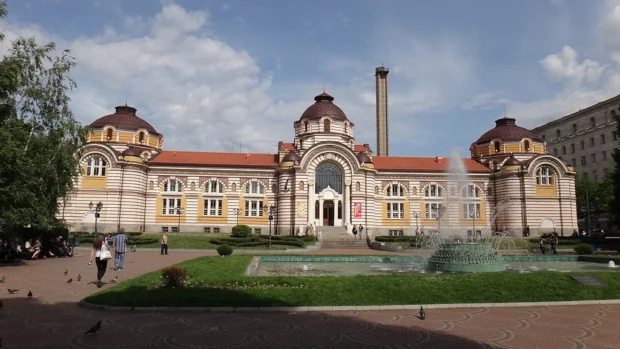
Just next door, Sofia Central Mineral Baths is a landmark that once welcomed men and women from all over the Balkans, arriving to soak in healing waters. Today, the building houses a museum, but outside you’ll see locals filling bottles from public fountains. The water is warm, with a hint of sulfur, and some swear it keeps them healthy all winter.
The city’s tradition of markets lives on along Vitosha Boulevard, the main shopping and café street. Early morning, the street is quiet, but by afternoon every table is filled. Street musicians play near flower stalls, and you’ll see students, families, and businessmen all resting here. On my last evening in Sofia, I sat on a terrace sipping ayran (yogurt drink) and watched a sudden summer storm sweep in then pass just as quickly.

Heritage Museums and Unexpected Corners
Sofia’s museums are full of surprises. The National History Museum, set in a former dictator’s mansion, is rich with gold treasures, ancient weapons, and costumes from Bulgaria’s many regions. I spent hours here, listening to a guide tell the story of the Thracian kings and their golden masks. They say the world’s oldest gold jewelry was found not far from Sofia, a reminder that Bulgaria has always been at the crossroads of civilizations.

The Earth and Man National Museum may sound unusual, but inside you’ll find one of Europe’s largest collections of minerals and crystals. Some stones are as big as bathtubs, others shine in every color. Children run from case to case, and I found myself amazed at the beauty that comes from deep underground.
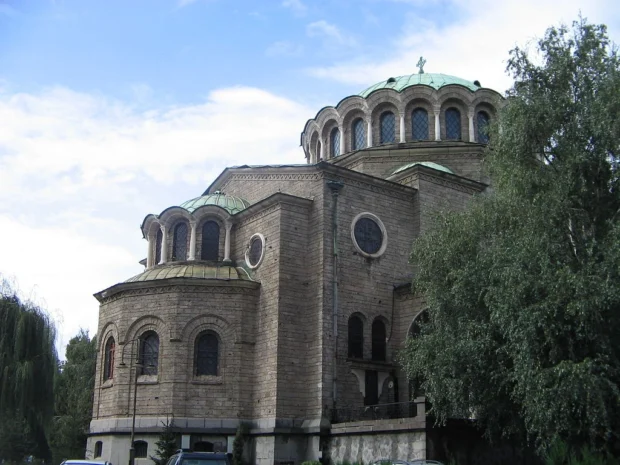
The Saint Nedelya Church, with its high dome and peaceful candlelit corners, invites you to pause and reflect. One afternoon, I watched a wedding procession enter, with the sound of an old Balkan folk song echoing in the nave. Even if you’re not religious, the moment felt sacred.
Sofia’s Rituals: Food, Festivals, and Everyday Customs
Eating in Sofia is a joy, whether you’re in a hip downtown spot or a sleepy neighborhood café. In the center, try shopska salad (tomatoes, cucumbers, cheese) with a cold glass of local beer. In the Lozenets district, bakers open early, filling the air with the smell of fresh banitsa. On weekends, join residents in hipster bars near the National Palace of Culture, where craft beer and homemade rakia (fruit brandy) are served with laughter.
Don’t be surprised if strangers greet you with a firm handshake and look you in the eye Bulgarians are proud of directness and honesty. In March, you’ll see red and white strings called martenitsi tied to trees and worn on people’s wrists, a sign of spring and good luck. And yes, the famous “yes” and “no” head shakes are opposite: nodding means “no” and shaking side-to-side means “yes.” I nearly ordered an entire roast lamb by accident before learning this.
A few do’s and don’ts to help you fit in: always take off your shoes when visiting someone’s home. Never joke about the country’s history or politics unless you know the person well. And if you’re given a piece of bread with salt at a celebration, accept it with both hands it’s an honor.
Where to Stay and How to Make Yourself at Home
Central Sofia has a range of places to stay, from old guesthouses with creaky staircases to modern apartments in leafy neighborhoods. Staying close to Vitosha Boulevard means you can walk almost everywhere, but quieter districts like Oborishte or Lozenets offer a softer pace and local cafés. In the evenings, the city’s parks fill with people join them with an ice cream and you’ll soon feel at home.
Metro stations are clearly marked, and most signs have English translations. Buy a rechargeable card for the metro and trams it saves time and money. If you’re arriving late, the trains run until midnight, and night buses connect key points. Sofia is generally safe, but keep an eye on your belongings in crowded places, especially in the markets and on busy trams.
Final Impressions: Sofia’s Layers and Legends
Sofia is a city that doesn’t shout for your attention. Instead, it rewards those who walk slowly, listen to old stories, taste what’s on offer, and look up at the mountains every now and then. One evening, as the sun set behind the cathedral and the city turned gold, I realized Sofia’s real beauty is in its layers: ancient ruins beside new glass bars, languages mingling in the street, wild roses blooming against concrete. If you come with open eyes and a sense of humor, Sofia will share its secrets one golden dome, one pastry, one story at a time.
After feeling Sofia’s charm, take a moment to enjoy the fresh streets and green parks shown in Chisinau’s city guide.
Eastern Europe travel specialist uncovering hidden gems from the Baltics to the Balkans.
- Oldest building in the city, Church St. George Rotunda Храм ротонда "Св. Георги", Sofia, Bulgaria – B by Sharon Hahn Darlin on Wikimedia Commons – cc by 2.0
- Alexander Nevsky Cathedral, Sofia (by Pudelek) by Pudelek (Marcin Szala) on Wikimedia Commons – cc by-sa 3.0
- Boyana Church 2 TB by Todor Bozhinov / Тодор Божинов on Wikimedia Commons – cc by-sa 3.0
- Sofia-vitosha-kempinski by podoboq from Sofia, Bulgaria on Wikimedia Commons – cc by 2.0
- National Palace of Culture (48828046592) by David Stanley from Nanaimo, Canada on Wikimedia Commons – cc by 2.0
- Ivan Vazov National Theatre, Sofia by Pudelek (Marcin Szala) on Wikimedia Commons – cc by-sa 3.0
- Church St Georg Rotunda IMG 0538 by Bjoertvedt on Wikimedia Commons – cc by-sa 4.0
- Sveta Sofia Church, Sofia (P1070749) by Matti Blume on Wikimedia Commons – cc by-sa 4.0
- Banya Bashi Mosque – Sofia – Bulgaria – 02 (28009163777) by Adam Jones from Kelowna, BC, Canada on Wikimedia Commons – cc by-sa 2.0
- Nikolaj church, Sofia (P1070761) by Matti Blume on Wikimedia Commons – cc by-sa 4.0
- Sofia Center, 1000 Sofia, Bulgaria – panoramio (55) by karel291 on Wikimedia Commons – cc by 3.0
- Boulevard Vitosha (5) (37448099450) by Hans Birger Nilsen on Wikimedia Commons – cc by-sa 2.0
- Sofia – National Museum of History by Ann Wuyts on Wikimedia Commons – cc by 2.0

.JPG)


.jpg)


.jpg)
.jpg)
.jpg)
.jpg)
_(37448099450).jpg)
