
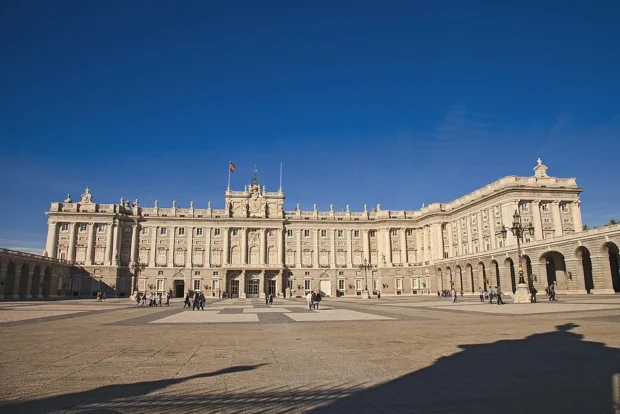
Madrid’s Royal Palace stands as a testament to Spain’s dynastic power, artistic vibrancy, and architectural mastery. Visitors arriving at this monumental palace in the heart of Madrid will find more than regal halls; they meet layered history, exquisite design, and a site that continues to charm and inspire those fascinated by palatial form and function. If your itinerary includes Madrid, Spain, and you have even the slightest curiosity about grand architecture or royal heritage, the Royal Palace provides an unparalleled window into European monarchy and craftsmanship.
Table of Contents
The Prado Museum offers a serene escape to admire Spain’s artistic heritage, a perfect complement to your visit to the Royal Palace.

Architectural Brilliance Enshrined in Stone and Marble
The Royal Palace of Madrid, or Palacio Real, impresses with its remarkable neoclassical architecture, its origins dating back to the 18th century after the devastating fire of the old Alcázar fortress. Designed by the architect Filippo Juvarra but completed by Giovanni Battista Sacchetti, the palace combines an imposing scale with an intricate balance of form and decoration. Walking its polished marble floors and beholding the vast Rococo and Baroque interiors reveals a meticulous attention to artistic detail that changes the visitor’s perception of power and refinement.
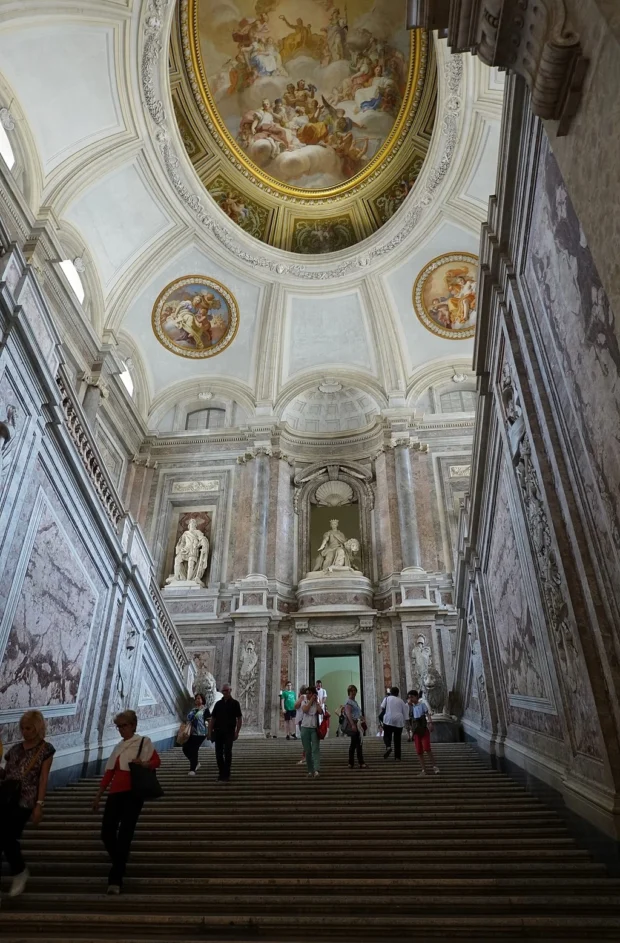
The façade’s rhythmic column order reflects classical ideals, inspired heavily by Italian influences but adapted to Spanish traditions. Among its noteworthy features are the grand stairway, skillfully designed to direct the noble flow of guests into stately reception rooms, and the royal pharmacy, a curious survival of past court life tucked away amid opulence.
Stylistic Evolution and Craftsmen’s Touch
The palace displays a compelling architectural dialogue between light and shadow, open courtyards and enclosed galleries. As construction progressed over decades, later architects added neoclassical elements that softened the original Baroque boldness, yielding harmonious proportions. Skilled Spanish artisans contributed lavish stuccowork, frescoes, and ironwork that lend the interiors a vibrancy often lost in similar grand structures.

Journeying to the Palace: Navigating Madrid’s Heart
Located near the western edge of downtown Madrid, the Royal Palace is accessible through multiple transit routes. From Madrid’s main train station, Atocha, metropolitan subway lines connect seamlessly with the Ópera station, which lies just a few steps from the palace entrance. If coming from the airport, travelers find easy access on the Metro Line 8 plus a short transfer to Line 2 or 5 leading towards city center stops.
- Metro Ópera (Lines 2, 5, R) – closest station, five-minute walk
- Bus routes 3, 25, 39, 148 serve the palace area
- Walking from Puerta del Sol takes about 15 minutes through charming streets
Nearby lodging options abound, ranging from elegant boutique guesthouses to comfortable city stays. Visitors seeking authentic local atmosphere may prefer accommodations nestled in the historic La Latina or Austrias districts. While visiting, don’t miss sampling classic Madrid dishes at taverns near Plaza Mayor just a short walk away try the calamari sandwich or callos a la madrileña for a hearty experience.
Best Visiting Hours and Avoiding the Crowd
The palace welcomes visitors year-round, except on certain state occasions when it hosts official functions. The ideal time to explore is early morning on weekdays, especially Tuesday through Thursday, when foot traffic is relatively light. Arriving when the palace opens allows guest access into the grand staircases and ceremonial rooms without the distraction of large groups.
Spring and autumn months offer temperate climate and lengthened daylight, enhancing the tour atmosphere considerably. Winter mornings reveal a quiet austerity that encourages contemplation of the ornate ceilings and luxurious textiles preserved from centuries past.
Reservation and Tour Necessities
Tourists must purchase tickets in advance, especially in peak seasons, to ensure smooth admission and access to the guided tours provided The Royal Palace website offers timed-entry tickets—an essential step due to visitor volume limitations designed to protect the interiors. Audio guides are available in several languages and are highly recommended to grasp the rich context behind each room’s decoration and key historical narratives.
Unveiling Royal Secrets: Stories Behind the Walls
Beyond its immediate grandeur, the palace tells engrossing stories of Spanish monarchy’s evolution. It was never just a royal residence but a seat of power where decisions shaped Spain’s path through European conflicts and alliances. Interestingly, the palace houses one of the most significant collections of Stradivarius violins, hidden away behind secure walls. The armory, with its historic weapons display, illustrates the shifting technologies of warfare that influenced fortress designs across Europe.
For those intrigued by majestic palaces, the Belvedere Palace in Vienna offers another take on Baroque elegance and rich history.
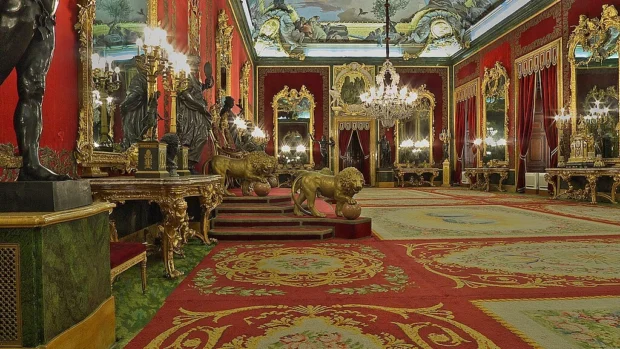
Legend has it that the palace site witnessed an Alcázar fire sparked during carnival festivities, a dramatic event recorded in royal chronicles that led to its reconstruction. Visitors often overlook the subtleties embedded in the floor patterns and ceiling frescoes representing mythological themes, intended to reflect royal virtues of justice, strength, and wisdom.
The Official Portal: Your Gateway to the Royal Experience
For all essential visitor information including up-to-date opening hours, ticketing, and special exhibits, the official website of the Royal Palace remains the most reliable resource. It provides comprehensive guidance for a well-planned visit and occasional virtual tours for armchair explorers.
Visit the Royal Palace for details on schedules, ticket reservations, and current events.
Travelers intrigued by royal residences may find the vibrant Grand Palace in Bangkok offers a fascinating perspective on Asian royal architecture and cultural heritage.
- Madrid. Royal Palace. Spain (4083783003) by Tomás Fano on Wikimedia Commons – cc by-sa 2.0
- Exterior of the Royal Palace of Madrid, 2013 – 01 by Little Savage on Wikimedia Commons – cc by-sa 3.0
- Royal Palace of Caserta, 18th century (7) by Prof. Mortel on Wikimedia Commons – cc by 2.0
- Royal Palace of Madrid (24) (28716614883) by Richard Mortel from Riyadh, Saudi Arabia on Wikimedia Commons – cc by 2.0
- Salón del Trono. Palacio Real de Madrid by Jose Luis Filpo Cabana on Wikimedia Commons – cc by 3.0
.jpg)

.jpg)
_(28716614883).jpg)
