

Vatican City’s Sistine Chapel is a realm where divine artistry and sacred history meld under one vaulted ceiling. This legendary sanctuary, exquisite in both spiritual grandeur and artistic mastery, draws countless souls each year, eager to witness the frescoes by Michelangelo that pulse with vivid life and celestial drama. When wandering these hallowed halls, visitors float amid Renaissance brushstrokes, feeling history’s palpable breath in the cool, echoing chamber. From its location within the Apostolic Palace to the intricate details waiting on each wall, the Sistine Chapel holds stories that transcend mere sightseeing. It invites a meditative pause on faith, creativity, and the boundless human spirit.
Table of Contents
Unveiling the Sistine Chapel’s Timeless Splendor
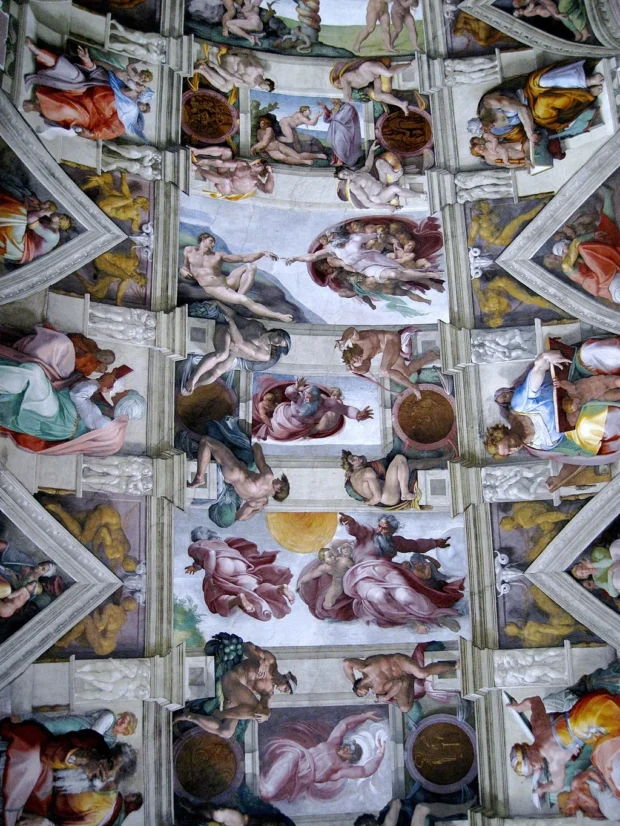
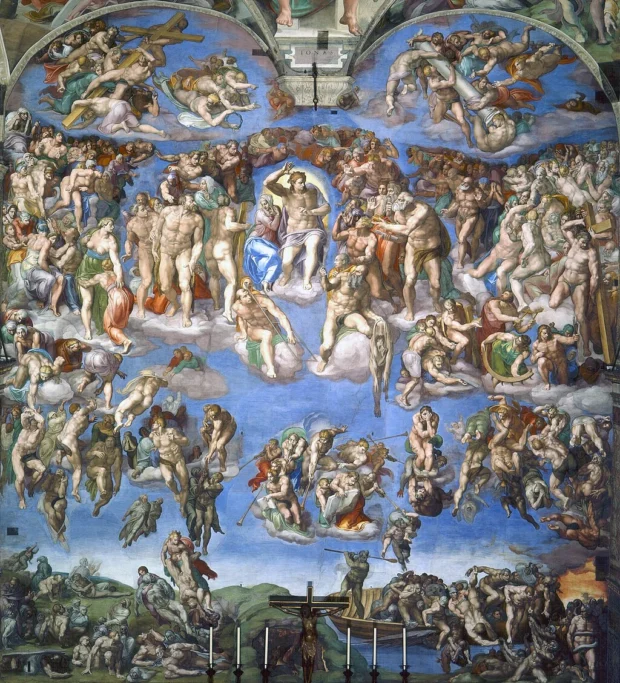
The Sistine Chapel, completed in 1483 under Pope Sixtus IV a pontiff whose very name inspired its identity serves not only as a chapel for papal ceremonies but as a treasure trove of Renaissance genius. The ceiling’s centerpiece, painted by Michelangelo between 1508 and 1512, is famed for “The Creation of Adam,” a luminous tableau depicting the biblical spark of life. Each fresco, carefully restored through painstaking conservation, represents chapters of sacred narrative and artistic innovation that influenced generations of painters. Michelangelo’s later work on the Last Judgment, adorning the altar wall, adds an intense, dramatic vision of divine justice, composed decades after the ceiling’s completion.

Amid these frescoes, the chapel’s architecture harmonizes with the artwork, its modest dimensions a rectangle roughly 40 meters by 14 meters creating an intimate yet awe-inspiring space. The interplay of natural light and pigment offers ever-shifting nuances, coaxing visitors into quiet contemplation. Beyond religious motifs, the chapel epitomizes Renaissance ideals human form, emotion, and storytelling elevated to celestial heights.
Navigating to the Heart of Vatican City’s Artistic Wonder
Locating the Sistine Chapel might seem straightforward, yet its position within the Vatican’s labyrinthine complex deserves attention. It lies inside the Apostolic Palace, accessible primarily through the Vatican Museums. Most visitors enter the Vatican Museums from Viale Vaticano, Rome’s bustling avenue leading to the Vatican walls. If arriving by public transport, the Metro A line offers Ottaviano-San Pietro station, a short walk from the entrance. Alternatively, buses like line 49 or 32 serve the area, connecting from central Rome spots.
For those arriving by plane, Leonardo da Vinci-Fiumicino Airport is about 30 kilometers from the Vatican. A taxi or the Leonardo Express train to Rome’s Termini station, followed by a Metro ride, completes the journey. Trains also connect regional Italian cities to Termini, from which the Metro leads to Ottaviano. Once inside the museums, follow signs directing visitors to the Sistine Chapel, typically near the end of the museum path, ensuring a buildup of anticipation for the culminating masterpiece.
Nearby Accommodation and Flavors of the City
While the Vatican itself does not offer hotels within its walls, the surrounding neighborhoods of Prati and Borgo provide charming lodging options, often in historic buildings with a touch of Roman elegance. These areas are favored for their proximity to the Vatican and a serene atmosphere distinct from the bustling city center.
After immersing in Renaissance splendor, the palate beckons. Local trattorias offer Roman cuisine imagine al dente pasta carbonara or cacio e pepe, seasoned simply yet profoundly. Quaint cafes invite a languid espresso or gelato as you stroll the shadowed streets, savoring the city’s blend of old and alive.
When to Step Through: Timing Your Sistine Chapel Visit
Choosing the right moment to enter the Sistine Chapel enhances the encounter profoundly. Early mornings on weekdays, especially from October to March, tend to be less crowded, allowing the frescoes’ details to breathe and your mind to wander unhurriedly. Midday and weekends draw the largest crowds, and the chapel’s hushed ambiance can feel overwhelmed by travelers.
The chapel closes on Sundays except special occasions; thus, Monday to Friday are optimal days. Additionally, during the Vatican’s religious celebrations Easter, Christmas visiting becomes more challenging due to ceremonies. Opting for late afternoon entry offers softer light filtering through the windows, casting a gentle glow on the ceiling’s scenes.
Advance Planning: Tours and Reservation Essentials
The Sistine Chapel is not a stand-alone ticket; it is part of the Vatican Museums’ journey. To avoid long queues and ensure entry, pre-booking is recommended. Official Vatican websites and authorized tour providers offer timed tickets, sometimes including guided tours that deepen appreciation through expert storytelling.
Guided tours can illuminate tales of restoration, the symbolism hidden in each fresco, and the complex politics that shaped the art. In contrast, audio guides provide flexible pacing. Security checks and dress codes modest clothing covering shoulders and knees are strictly enforced, preserving the chapel’s sanctity.
Whispers of History and Art You Might Overlook
Beyond Michelangelo’s towering legacy, other artists contributed to the chapel’s decoration: Botticelli, Perugino, and Ghirlandaio, among others. Their panels on the side walls narrate the lives of Moses and Christ, a pairing that invites reflection on law and salvation.
A lesser-known secret is the ceiling’s architectural illusions. Michelangelo painted fictive architectural elements such as painted cornices and figures in niches, creating a sense of depth that invites viewers to step through the wall into a heavenly realm. The subtle use of color and foreshortening plays with perception, a Renaissance homage to human ingenuity blending with divine inspiration.
Embracing the Sacred Silence Within
Upon entering the Sistine Chapel, a hush falls visitors instinctively mute their voices, reverencing the sacred space. This quietude allows the frescoes to speak not only to the eyes but to the soul. The chapel remains a working papal chapel, hosting conclaves where new popes are elected. This fusion of living tradition and historic art makes every moment here charged with spiritual and temporal significance.
Amongst the crowds, one might pause near the altar wall, observing the powerful depiction of the Last Judgment. The swirling figures saints, angels, sinners embody the tension between mercy and justice, art and doctrine, life and eternity. Time seems to slow, inviting a meditative breath in this eternal chamber.
Official Vatican Resources for Visitors
For detailed information, reservations, and updates, the Vatican Museums’ official website offers comprehensive guidance. This resource ensures you plan your visit with confidence and respect for the chapel’s protocols. Visit the Vatican Museums Official Website for all visitor details, ticketing options, and latest announcements.
The Sistine Chapel transcends its stone walls and pigments; it is a testament to human aspiration and divine dialogue. As you walk beneath Michelangelo’s luminescent heavens, may you find a moment of grace and inspiration, sheltered within the heart of Vatican City.
After admiring the Sistine Chapel’s masterpieces, discover the vast collection and iconic wonders of the Louvre Museum in Paris for a broader art journey.

Art museum enthusiast who loves contemporary art and spends days wandering through exhibitions.
- Sistine Chapel (51366684675) by Nan Palmero from San Antonio, TX, USA on Wikimedia Commons – cc by 2.0
- Sistine Chapel Ceiling – panoramio by trukdotcom on Wikimedia Commons – cc by-sa 3.0
- Oops, accidental photo, Sistine Chapel, Rome (45510598785) by Deb Nystrom from Ann Arbor, Michigan, USA on Wikimedia Commons – cc by 2.0
.jpg)

.jpg)