
Bangkok pulses with life, yet nestled within its vibrant chaos lies Wat Phra Kaew, a sanctuary of profound beauty and sacred tradition. Rich in cultural heritage, this temple, often called the Temple of the Emerald Buddha, is one of Thailand’s most cherished sites. Visitors from around the globe flock here to admire its exquisite craftsmanship and to connect with centuries of royal and spiritual history. Whether you arrive from Suvarnabhumi Airport or the bustling city center, navigating to Wat Phra Kaew is straightforward and rewarding.
Table of Contents

How to Reach Wat Phra Kaew Easily from Bangkok
Located in the historic Rattanakosin district, Wat Phra Kaew sits within the Grand Palace grounds, making it a must-visit cultural spot in Bangkok. If you’re coming from the city center, the most scenic route is by river taxi along the Chao Phraya River, which docks near Tha Chang Pier. From there, a brief walk leads you to the temple gates, allowing you to absorb the nearby vibrant market areas.
If you prefer land transport, the BTS Skytrain to Saphan Taksin station is a good start. From that station, river taxis are easily accessible. For convenience and comfort, taxis or ride-hailing services can drop you right at the entrance just be prepared for traffic, especially during peak hours.
From Suvarnabhumi Airport, the Airport Rail Link connects to the BTS line, making public transport a viable option. However, many travelers choose a taxi for direct access, which takes about 40 to 60 minutes depending on traffic. Nearby accommodations range from charming guesthouses to modern hotels all within easy reach of the temple complex and offering local flavors in their dining options.
The Sacred Heart: Wat Phra Kaew’s Timeless Significance
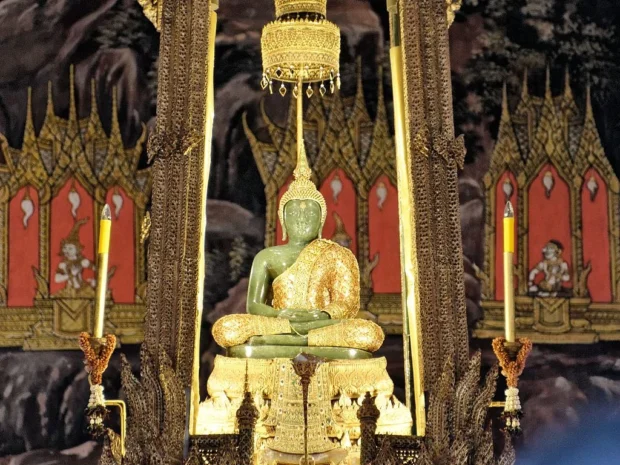
Wat Phra Kaew is not just any temple; it houses the Emerald Buddha, a figurine carved from a single block of jade. This statue is regarded as the palladium of Thailand, believed to bring prosperity and protection to the nation. Installed in 1784 by King Rama I, the temple marks the foundation of Bangkok as the capital and the start of the Chakri dynasty.
Royal Ceremonies and Spiritual Rituals
The temple plays a central role in numerous royal ceremonies, particularly the changing of the Emerald Buddha’s robes to correspond with the seasons: summer, winter, and rainy season. These occasions, conducted by the king or a representative, underscore the temple’s ongoing connection to the monarchy and Thailand’s spiritual life.
Architectural Wonder and Artistic Mastery
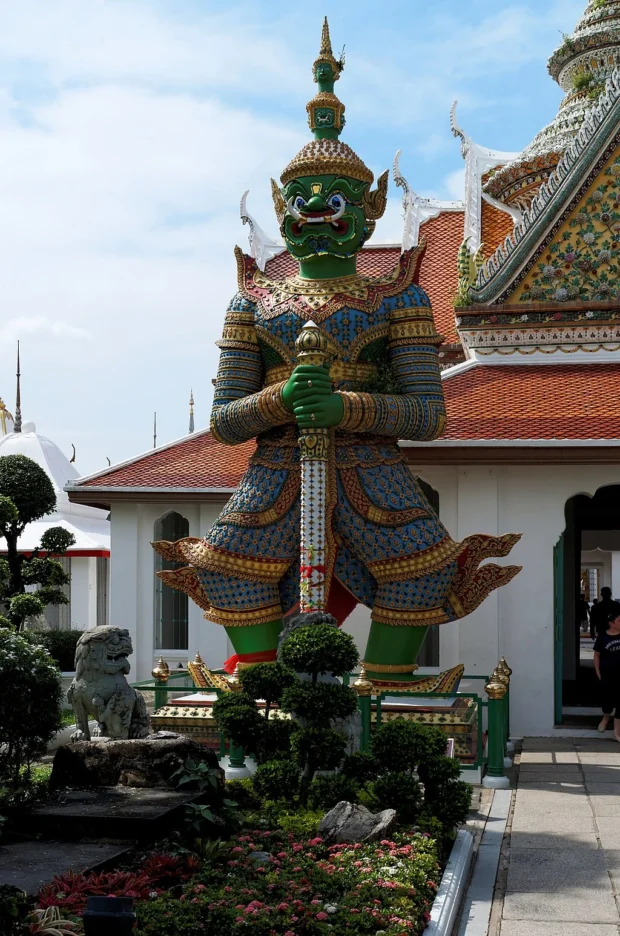
Intricate murals depicting epic tales from the Ramakien, Thailand’s national epic, adorn the temple walls. The craftsmanship combines gold leaf, colored glass, and meticulous woodcarving, showcasing centuries of artisan skill. Visitors often overlook the guardian statues at the gates, modeled as giants from Hindu mythology, which stand sentinel and add to the temple’s enchanting mystique.
Planning Your Visit to Wat Phra Kaew
Timing your visit can enhance the experience. Wat Phra Kaew opens daily from 8:30 AM to 3:30 PM, with the best days being weekdays to avoid the weekend crowds. Early mornings offer a tranquil atmosphere where the temple’s intricate details glow in soft light. Avoid Thai public holidays and festivals when large crowds gather, although witnessing ceremonies during these times can be fascinating.
Tickets include entry to the Grand Palace, and it is important to dress respectfully. Visitors must cover their shoulders and knees, and remove shoes before entering certain buildings. Guided tours are available and can provide deeper insights into the symbolism and stories that the temple holds.

Reservations and Tours: What You Need to Know
While walk-in tickets are generally available, booking a tour or ticket online in advance is recommended during peak tourist seasons. This avoids long queues and ensures a guided experience tailored to your interests in history, architecture, or spiritual traditions. Many tours also include visits to nearby landmarks such as Wat Pho and the National Museum.
Official information and ticketing can be found on the Grand Palace official website, which offers updates on hours, admission fees, and special events. Be cautious when booking through unofficial sites to avoid scams or overpriced offers.
Nearby Delights: Food and Local Flavor Around Wat Phra Kaew
The area surrounding Wat Phra Kaew is a culinary delight. Just a short walk away, you can find street vendors offering authentic Thai dishes such as pad thai, som tam (spicy papaya salad), and fresh coconut ice cream. The aroma of grilled satay skewers and fragrant herbal soups fills the air, inviting visitors to sample local favorites.

For those seeking a sit-down meal, small eateries serving river fish, sticky rice with mango, and aromatic Thai teas are abundant. These intimate spots reveal the everyday tastes of Bangkok’s residents and provide a restful pause after exploring the temple grounds.
Secrets and Stories Often Missed by Visitors
One enchanting tale recounts how the Emerald Buddha was found in Chiang Rai, covered in stucco to hide it from invaders, and later rediscovered with its true green color. Another curious fact is the temple’s absence of typical Buddha statues outside the Emerald Buddha chamber, emphasizing its unique status.
The temple complex also houses smaller shrines dedicated to guardian spirits, reflecting a blend of Buddhism and ancient animistic beliefs. Take a moment to observe these quietly, as locals often leave offerings and prayers here for good fortune.
Reflective Moments: Why Wat Phra Kaew Endures
Visiting Wat Phra Kaew is more than sightseeing; it is walking into a living tapestry of Thailand’s identity. Respecting its spiritual aura and craftsmanship reveals stories of resilience, artistry, and devotion woven through centuries. This temple stands as a poetic reminder of how sacred spaces unite culture, history, and faith a moment to pause and absorb before stepping back into Bangkok’s bustling streets.
Visitors captivated by Wat Phra Kaew’s heritage may find the serene beauty and riverside charm of Wat Arun in Bangkok a peaceful next step to enrich their cultural journey.
A Chinese tour guide with deep knowledge of the Far East, its traditions, and culinary secrets.
- 20171201 Bangkok Wat Arun 6460 DxO by Jakub Hałun on Wikimedia Commons – cc by-sa 4.0
- The Three Chedis, Wat Phra Kaew byThis Photo was taken by Supanut Arunoprayote.Feel free to use any of my images, but please mention me as the author and may send me a message. (สามารถใช้ภาพได้อิสระ แต่กรุณาใส่เครดิตผู้ถ่ายและอาจส่งข้อความบอกกล่าวด้วย)Please do not upload an updated image here without consultation with the Author. The author would like to make corrections only at his own source. This ensures that the changes are preserved.Please if you think that any changes should be required, please inform the author.Otherwise you can upload a new image with a new name. Please use one of the templates derivative or extract. on Wikimedia Commons – cc by 4.0
- Emerald Buddha, August 2012, Bangkok (cropped) by Credit Jan S. Peterson. Cropped from original image and lighting balanced by DxO. on Wikimedia Commons – cc by-sa 3.0
- Wat Phra Kaew, Kinnara, Bangkok, Thailand by Vyacheslav Argenberg on Wikimedia Commons – cc by 4.0
- Monk in Wat Phra Kaew by ผู้สร้างสรรค์ผลงาน/ส่งข้อมูลเก็บในคลังข้อมูลเสรีวิกิมีเดียคอมมอนส์ – เทวประภาส มากคล้าย on Wikimedia Commons – cc by 3.0
- Memorial Chedi. Wat Phra Kaeo, a026 by Michael Gunther on Wikimedia Commons – cc by-sa 4.0


.jpg)


