

The Hermitage Museum in Saint Petersburg is a must-see for anyone visiting this northern Russian city. This grand palace, filled with art and history, draws visitors worldwide to admire its collections and its stunning architecture. If you want to enjoy the Hermitage without hassle, this guide will take you through getting there, what to expect, and how to make your visit smooth and memorable. Whether you’re curious about the art treasures or the palace’s past, the Hermitage offers a rich experience to uncover.
Table of Contents

How to Reach the Hermitage Museum with Ease
Located in the heart of Saint Petersburg, the Hermitage Museum sits along the Neva River, making it easily reachable by various means of transport. If you arrive by plane at Pulkovo Airport, a taxi or a direct bus can take around 30 to 40 minutes to reach the museum. From the city center, the easiest route is by metro, heading to Admiralteyskaya station, which places you just a short walk away from the museum’s entrance.
For those traveling by train, Saint Petersburg’s Moskovsky Station is about 20 minutes away by taxi or metro. Walking from nearby city landmarks like Palace Square or Nevsky Prospect is also a pleasant option, offering beautiful views of the historic streets.
After visiting the museum, you can explore nearby local cafes and street food stalls offering traditional Russian dishes, such as borscht soup or pirozhki pastries, perfect for a quick authentic bite.
Why the Hermitage Stands Apart in World History
The Hermitage Museum is more than just an art gallery; it is a palace with a story that mirrors the history of Russia itself. Founded in 1764 by Empress Catherine the Great, the museum began as a private collection of European art. Today, it is one of the largest and oldest museums globally, housing over three million items, from paintings and sculptures to archaeological finds and ancient artifacts.
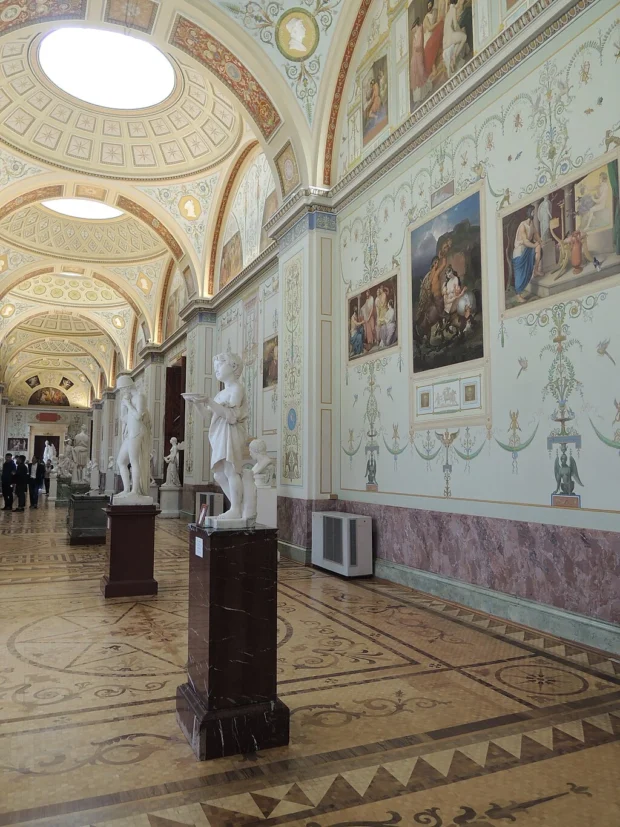
Walking through the rooms, you see the grandeur of the Winter Palace, the former home of Russian tsars. The museum reflects Russia’s power, culture, and changes over centuries from the imperial court’s lavish lifestyle to the revolutionary moments that shaped modern Russia.

Famous Stories and Hidden Corners
An interesting tale involves the museum’s survival during the Siege of Leningrad in World War II. Despite the severe hardships, workers preserved priceless artworks by moving them to safety underground or carefully packing them away. Visitors often miss the subtle signs of this history, visible in certain plaques and memorial corners within the complex.
Best Times and Days for a Calm Visit
To enjoy the Hermitage without overwhelming crowds, timing your visit is key. Weekdays, especially Tuesday to Thursday, tend to be quieter, and early mornings right at opening time offer the most space to appreciate the exhibits peacefully. Avoid weekends if you prefer a more private experience.
Winter months can be magical here, with fewer tourists and the city covered in snow, but the museum is busy during major Russian holidays. Summer brings longer days and a festive atmosphere but expect more visitors.
Keep in mind the museum is closed on Mondays, so plan accordingly.
Booking a Tour or Tickets in Advance
While tickets can be purchased on-site, booking online ahead of time is highly recommended. This saves waiting in long lines and guarantees entry at your preferred time. Guided tours are available in multiple languages, including English and Russian, providing insightful commentary about the collections and the palace’s history. Many visitors find these tours enrich their visit, offering stories behind the paintings and the lives of the artists.
You can learn more and book tickets on the Hermitage Museum official website.
Where to Stay Near the Hermitage for Comfort
Numerous accommodation options surround the Hermitage, from charming guesthouses to well-appointed apartments. Staying close by allows you to return to your room for a rest between museum sections or evening strolls along the Neva River embankment. Many lodgings offer easy access to other Saint Petersburg highlights such as the Church of the Savior on Spilled Blood, making your trip both relaxing and convenient.
Taste of Saint Petersburg: Food Near the Museum
After hours among masterpieces, try local eateries serving traditional Russian cuisine. Look for places offering pelmeni (dumplings), smoked fish from nearby rivers, or hearty beetroot salads. Some cafes enjoy riverside views, adding charm to your dining experience.
The city’s market halls also provide a lively atmosphere where you can sample fresh bread, cheeses, and local sweets. These food spots are often tucked away down side streets, rewarding those who like to wander.
Uncommon Details to Notice Inside the Museum
While many come to see famous works by Leonardo da Vinci, Rembrandt, and Michelangelo, the Hermitage is also home to lesser-known treasures that tell unique stories. For example, the nearby Small Hermitage building contains rare ceramics and textiles, a heaven for those interested in crafts and folk traditions.
Look for the intricate tile work and decorative features in the palace interiors these often escape notice but display exquisite craftsmanship from different centuries. The museum’s layout itself is a journey through changing architectural styles, from baroque to neoclassical.
Local Legends and Myths in the Palace Walls
One popular legend describes a hidden underground passage from the Winter Palace to the Admiralty building, used in times of emergency by the royal family. Whether true or not, this story adds a mysterious layer to the palace’s history, inviting visitors to imagine the intrigue behind the gilded walls.
Final Thoughts on Visiting the Hermitage
Visiting the Hermitage Museum is like stepping into a living book of Russian history and culture. The combination of world-class art, stunning architecture, and rich stories makes it a place where every corner invites curiosity. Planning your trip with attention to timing, transport, and ticketing will enhance the experience, allowing you to connect deeply with the heritage of Saint Petersburg.
For a fuller glimpse of Russian royal elegance beyond the Hermitage, you might appreciate a visit to the Peterhof Palace with its stunning fountains and gardens just outside Saint Petersburg.
Whether you are a lover of fine paintings, curious about royal life, or fascinated by historic trade routes and cultural landscapes, the Hermitage offers something to spark your imagination and warm your heart.
For a broader view of Saint Petersburg’s rich culture and landmarks beyond the Hermitage, see the essential city guide with tips on historic sights and local life Saint Petersburg’s Grand Heritage.
Eastern Europe travel specialist uncovering hidden gems from the Baltics to the Balkans.
- Saint Petersburg Hermitage from Neva 12 by Ad Meskens on Wikimedia Commons – cc by-sa 4.0
- 00 2038 Winter Palace – Hermitage Museum (St. Petersburg) by W. Bulach on Wikimedia Commons – cc by-sa 4.0
- Gallery of the History of Ancient painting (Hermitage) 02 by shakko by shakko on Wikimedia Commons – cc by-sa 4.0
- Russia (St.Petersburg) Hermitage Museum, Grand Jordan staircase (36115022913) by Güldem Üstün from Istanbul, TURKEY on Wikimedia Commons – cc by 2.0

.jpg)
_02_by_shakko.jpg)
_Hermitage_Museum,_Grand_Jordan_staircase_(36115022913).jpg)