
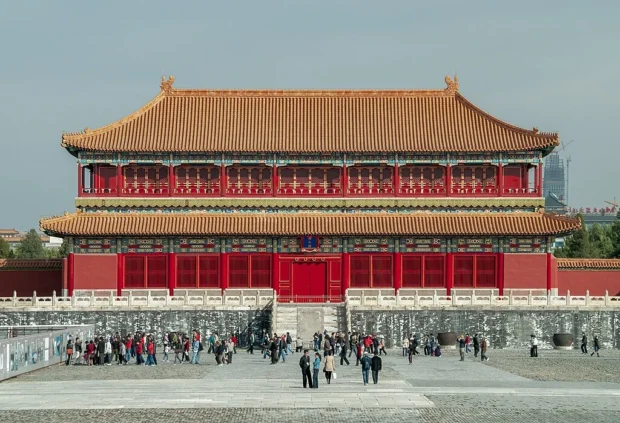
Visiting the Forbidden City in Beijing offers a rare glance into the heart of China’s imperial past, nestled within one of the world’s largest palatial complexes. This immense historic site invites travelers to wander through time, admiring its intricate stone architecture, mosaics, and age-old reliefs that have endured centuries of cultural continuity. The Forbidden City’s vast courtyards and majestic halls illustrate not only the power of past dynasties but also the rich oral traditions and historic trade routes that shaped this remarkable cultural landscape. For those intrigued by traditional cuisine, craft workshops, and the careful archaeological conservation efforts within the city, a visit here promises both an immersive history lesson and a sensory adventure. If you are planning your journey to this iconic Beijing landmark, here’s everything you should know from directions and visitor tips to booking your tour and sampling local flavors nearby.
Table of Contents
Beyond the palace walls, Tiananmen Square offers a grand open space filled with historic events and vibrant city life, complementing your Forbidden City visit.

Navigating Your Way to the Heart of Ancient Beijing
Located squarely in the heart of Beijing, the Forbidden City also known as the Palace Museum is easily accessible from various city points. From the city center, it’s just a short subway ride away. Line 1 of the Beijing Subway brings you directly to Tiananmen East or Tiananmen West stations, both a five to ten-minute walk from the north entrance at Tiananmen Square. If arriving from Beijing Capital International Airport, the airport express train connects to Line 2 at Dongzhimen station, where you can transfer to Line 1 for a seamless route.
For those arriving by train, Beijing Railway Station is just a couple of subway stops away on Line 2, making the Forbidden City conveniently reachable without hassle. While taxis are readily available, traffic congestion in central Beijing can delay travel, so the subway remains the most reliable and cost-effective option
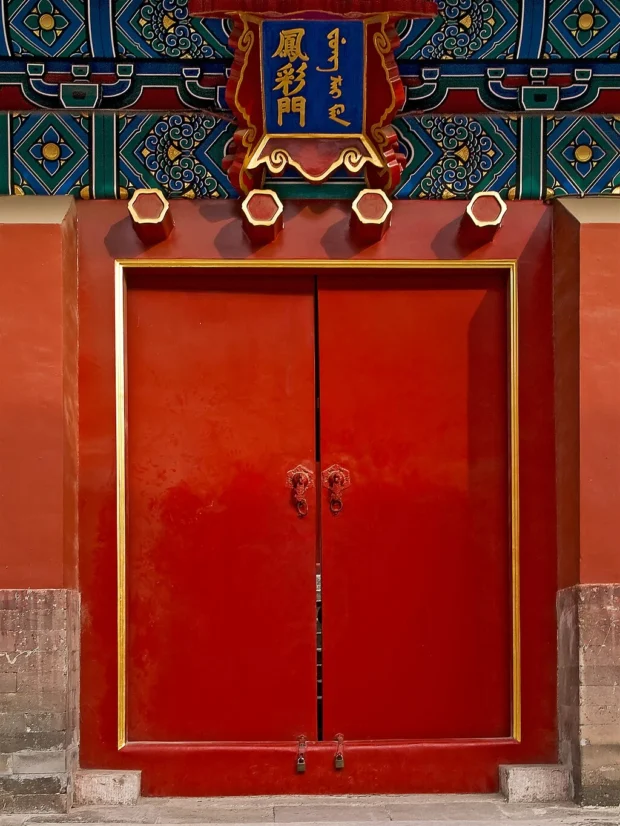
An Architectural and Cultural Tapestry of China’s Dynasties
The Forbidden City stands as a monumental symbol of Chinese stone architecture and imperial authority, constructed between 1406 and 1420 during the Ming Dynasty. For nearly 500 years, it served as the political and ceremonial center for 24 emperors across the Ming and Qing dynasties. Its massive wooden structures, decorated with elaborate mosaics and delicate reliefs, reveal the mastery of traditional craftsmanship and the importance of symbolism in imperial design.
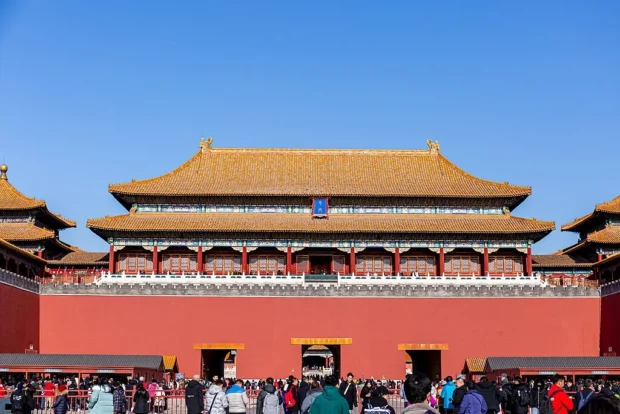
Walking through the Meridian Gate into vast courtyards, visitors can imagine the ancient processions, court rituals, and the intricate power dynamics that once unfolded here. Each building and pathway reflects strict Confucian order and philosophy, while the site’s careful conservation efforts today honor both its archaeological significance and its living cultural heritage. The palace complex’s cultural mapping offers insight into how imperial power and spiritual beliefs intertwined with daily life for centuries.
Surprising Details Often Overlooked
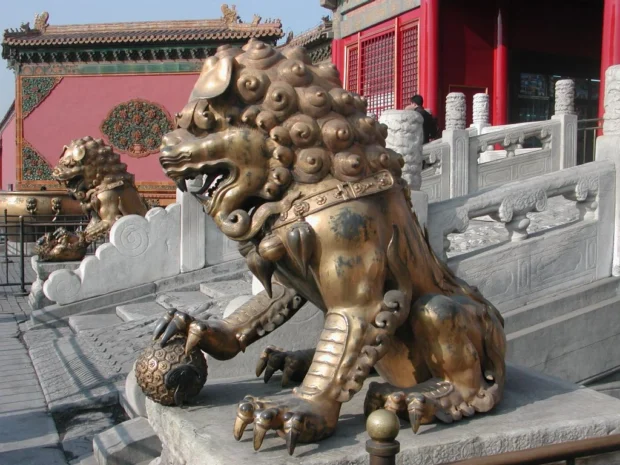
Many visitors might miss the subtle artistry of the palace roof tiles, glazed in yellow the color of the emperor and the intricate stone carvings of dragons and phoenixes symbolizing strength and prosperity. The Forbidden City was not just a royal residence but a fortress with fortified walls and moats, aligning it closely with historic fortifications found worldwide. It’s a testament to medieval castle-like defense architecture, blending functionality with exquisite beauty.
For travelers fascinated by historical fortifications and cultural heritage, the Xi’an Travel Guide reveals more of China’s ancient walls, temples, and vibrant market life beyond Beijing.
When and How to Experience the Palace Museum
Timing your visit to the Forbidden City can greatly enhance your experience. Early mornings on weekdays, especially outside of public holidays, offer tranquility and fewer crowds. The palace opens at 8:30 am, and arriving promptly allows you to explore the main halls before the midday influx of tourists. Avoid Mondays when the museum is typically closed for maintenance.
Spring and autumn provide the most comfortable weather, coupled with vibrant seasonal colors that dot the vast courtyards and gardens, adding to the sensory richness of your visit.
Booking and Touring Arrangements
Entry to the Forbidden City requires a ticket which can be purchased online or at the gate, though advance online reservation is strongly recommended, especially during busy seasons. Guided tours are highly advisable to unlock the deeper stories and historical significance behind each section of the palace. Several official and private guides offer tours in multiple languages, bringing alive the oral traditions and imperial anecdotes that textbooks often overlook.
The official website for the Palace Museum provides up-to-date ticket information, opening hours, and virtual exhibits—feel free to check its website for all details.
Nearby Comfort and Culinary Delights
After a day immersed in imperial grandeur, visitors can find cozy accommodations ranging from boutique guesthouses to international hotels within walking distance of the Forbidden City. Staying nearby allows for easy revisits to the museum or leisurely strolls through the surrounding historic neighborhoods.
Sample traditional Beijing snacks and meals in local eateries around Wangfujing Street or the bustling Qianmen area. Here, specialty dishes such as Peking duck, zhajiangmian (noodles with soybean paste), and jianbing (savory Chinese crepes) offer authentic flavors steeped in the city’s culinary heritage. Don’t miss the chance to visit markets where artisans craft delicate paper cuttings and lacquerware, echoing the traditional crafts that once adorned the palace.
Reflection: More Than Stone and Tradition
Visiting the Forbidden City is not merely a sightseeing activity; it is an invitation to engage with layers of history, culture, and the ethos of a civilization that valued order, artistry, and philosophy. Each courtyard, hall, and corridor whispers stories of emperors and craftsmen, servants and scholars. The palace’s stunning stone reliefs and mosaics hint at a complex narrative of power and spirituality that continues to inspire architects and historians worldwide.
For a broader view of Beijing’s unique architecture and vibrant cityscapes beyond the Forbidden City, explore the detailed urban rhythms and historic sites in Beijing’s Architectural Rhythm.

As you walk beneath the golden roofs and along the marble bridges, take moments to absorb the stillness and imagine the vibrant life that once filled this imperial maze. This journey transcends time, connecting the past’s grandeur with the present’s curiosity and respect.
After exploring the Forbidden City, a visit to the Temple of Heaven reveals Beijing’s spiritual heart with its stunning architecture and serene gardens.

Explorer of historical towns, ancient ruins, and traditional markets, combining modern travel with interest in heritage.
- Beijing forbidden city Belvedere of Embodying Benevolence-20071018-RM-142403 by Ermell on Wikimedia Commons – cc by-sa 4.0
- Forbidden City1 by Allen Timothy Chang (張華倫) (Allentchang) on Wikimedia Commons – cc by-sa 3.0
- Peking verbotene Stadt Tür-20071018-RM-152957 by Ermell on Wikimedia Commons – cc by-sa 4.0
- 20200110 Meridian Gate-2 by Balon Greyjoy on Wikimedia Commons – cc0
- Forbidden City Imperial Guardian Lions by Allen Timothy Chang on Wikimedia Commons – cc by-sa 3.0
- 2014 Manchu Forbidden City- Chongzheng Hall Dragon Throne 09 by Gary Todd on Wikimedia Commons – cc0


