
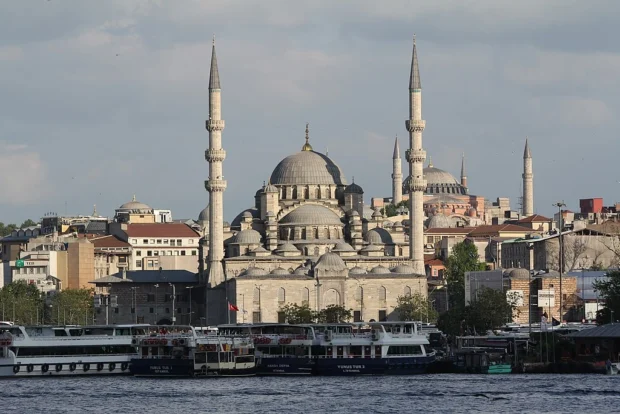
Istanbul is a city where continents meet, but it is more than just a point on a map between Europe and Asia. Each street, every crumbling stone, and the echoing call to prayer breathe stories of hundreds of years. For those searching for things to do in Istanbul, there is no end to the list: ancient buildings, lively markets, and flavors that linger long after the meal. If you have ever wondered what it feels like to walk through history and modern life at the same time, Istanbul is where you touch that feeling.
Table of Contents
Walking Through Sultanahmet’s Living History
When I first set foot in Sultanahmet, the old heart of Istanbul, I felt the past in every step. The Hagia Sophia stands at the center, its huge dome floating above the city’s skyline. Once a Byzantine church, later a mosque, and now a museum and mosque again, its mosaics tell stories that words cannot fully capture. I remember standing in the soft afternoon light, watching dust motes drift and listening to the hush a rare silence in busy Istanbul. Locals say that emperors were crowned here, and the marble floors are worn by centuries of footsteps, both royal and everyday.
Learn more about Hagia Sophia’s rich history and its place at Istanbul’s heart in the detailed guide Unveiling Hagia Sophia.

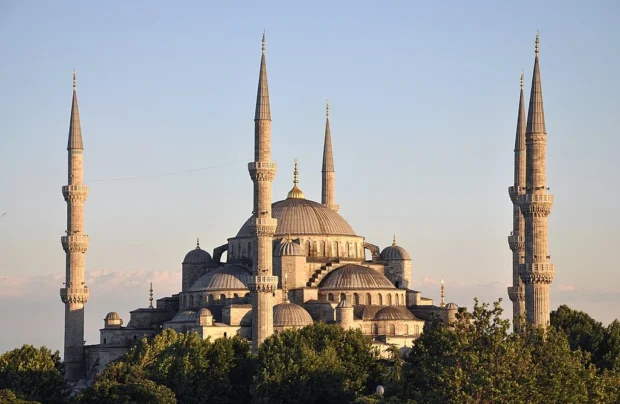
A short stroll away, you see the Blue Mosque, known for its six slender minarets and walls tiled with over 20,000 blue İznik tiles. I met a group of students sketching the interior, fascinated by how the light dances on the tiles. During prayer times, the sound of recitation fills the air, but at other hours, it is calm and cool inside a good place to pause and let Istanbul’s fast rhythm slow down.
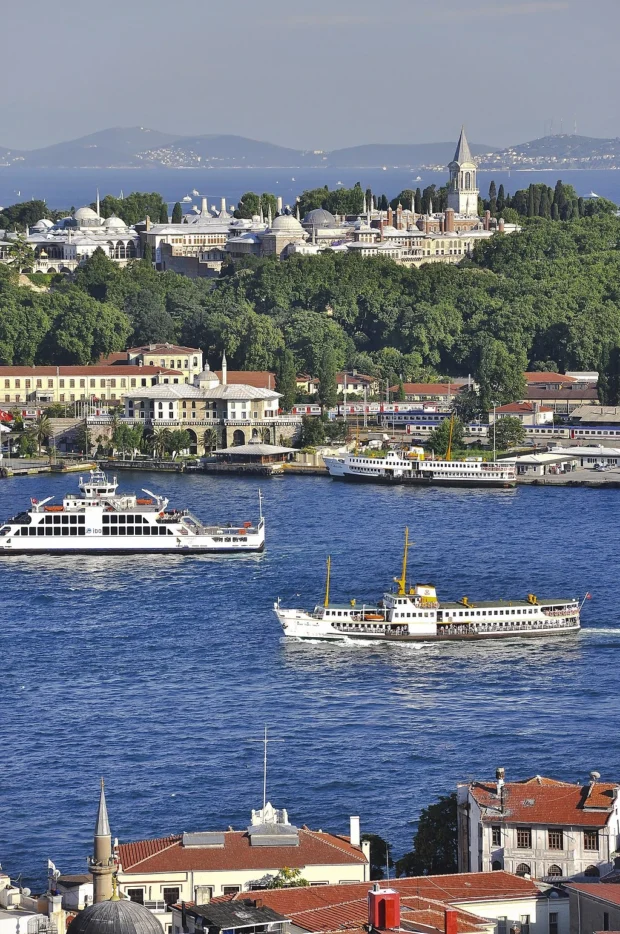
Nearby is the Topkapi Palace, the former court of the Ottoman sultans. It is easy to lose yourself among the quiet courtyards and lush gardens. The kitchens alone are massive, hinting at the army of cooks who once fed thousands. In the treasury, jeweled swords and the famous Spoonmaker’s Diamond glimmer in dim light. I heard a tale from a guide about the sultans’ secret passageways, and though I never saw one, I did see peacocks strutting across the grass as if they belonged to another age.
If you are intrigued by Ottoman history, the Topkapi Palace reveals the empire’s royal life and rich heritage just minutes from Sultanahmet’s landmarks.
Underground Secrets and Towering Views
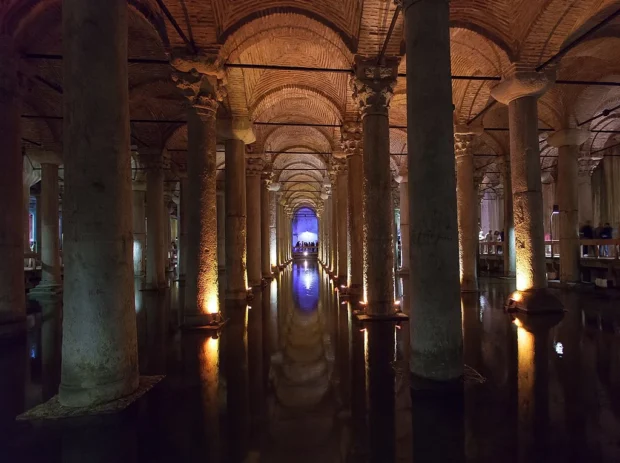
Under the streets near the Hagia Sophia, the Basilica Cistern hides in the shadows. Once, it gave water to the entire city; today, it feels otherworldly, with its forest of marble columns and the mysterious Medusa heads carved at the base. The sound of dripping water echoes, and you almost expect to see a Byzantine guard slip past. I found myself imagining what stories the cistern’s cool darkness might hold, perhaps a forgotten letter or a lost coin.
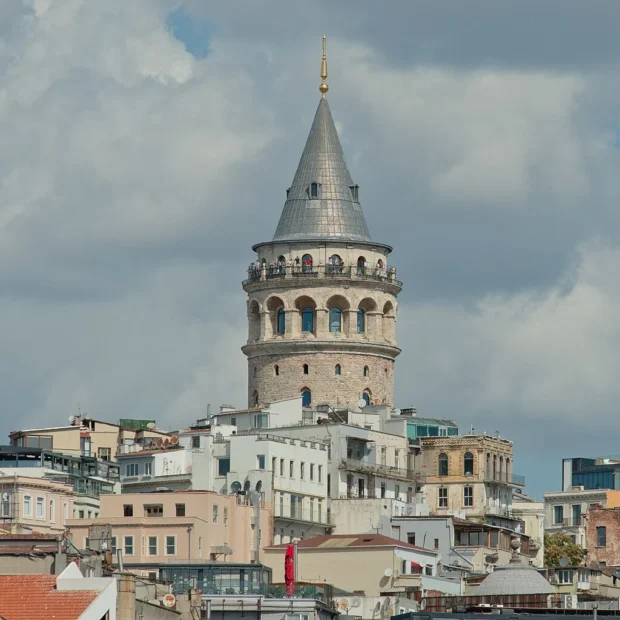
For a different view, I climbed the winding stairs of the Galata Tower. The city opens up below: the Bosporus, the domes, the red-tiled roofs, and the sprawl of streets. From this vantage point, you realize how water shapes Istanbul. Ships glide past, connecting Black Sea ports with the Mediterranean. On the tower’s terrace, I met a couple from Bulgaria who were tracing their family’s old trade routes proof that Istanbul’s role as a meeting point is still alive.
Markets: Where Senses and Stories Collide
It would not be Istanbul without the Grand Bazaar. Here, the air is thick with the scent of leather, incense, and roasted coffee. I wandered for hours, never quite sure if I was lost or just finding new worlds beneath the painted arches. Rug sellers invited me for tea, and I learned that bargaining can be friendly, even playful an old tradition still alive today. One shopkeeper, Mehmet, told me his grandfather traded here before the First World War, and he showed me photos from a tin box under his counter.

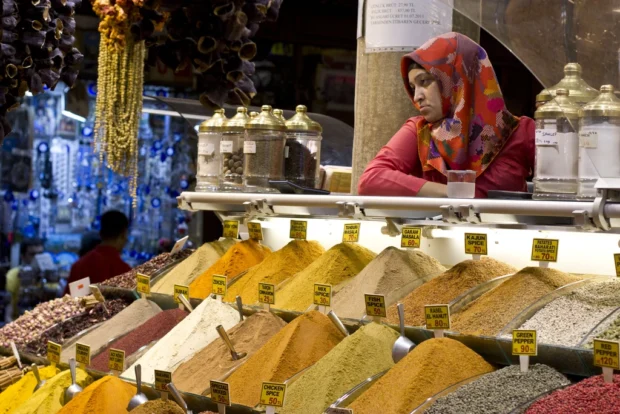
A few streets away, the Spice Bazaar feels brighter, packed with stalls of saffron, dried figs, and Turkish delight. The colors are as rich as the smells scarlet peppers, green pistachios, and yellow saffron. I tasted fresh lokum (Turkish delight) in Eminönü, near the bazaar, and it was softer and lighter than any I had tried before. My advice: always try a sample, even if you do not buy. Sellers are proud of their sweets and will happily offer you a taste.
Bosporus: Istanbul’s Lifeline
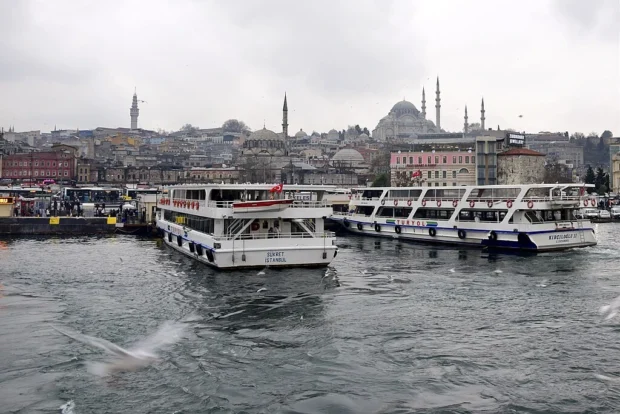
The Bosporus Strait splits the city in two, joining the Sea of Marmara to the Black Sea. Ferries cross the water all day, carrying crowds from Europe to Asia and back again. I always took the public ferries, just to feel the wind and watch the city’s skyline. Along the shore, the Ortaköy Mosque sits with its baroque curves and waterside view one of Istanbul’s most photographed places. Street sellers in Ortaköy hand out kumpir, a baked potato loaded with cheeses and olives; I ate mine while gulls circled overhead.

To complement your experience with the Bosporus, explore our guide on Boat Trips on the Bosporus Strait for scenic journeys and cultural insights.
If you pass under the giant Bosporus Bridge, you will notice neighborhoods changing quickly palaces, old wooden houses, and fishermen standing patiently on the shore, all within a few minutes’ ride. I once struck up a conversation with a retired captain who pointed to the hills, telling me legends of sea monsters and lost ships. The Bosporus is more than water; it is a living memory, tying countless travelers and traders to Istanbul’s pulse.
Layers of Faith and Fortitude
Istanbul’s mosques are not only places of worship they are threads in the city’s cultural fabric. Beyond the Blue Mosque, the Suleymaniye Mosque rises on the city’s Third Hill. Designed by the famous architect Sinan, it is less crowded and more peaceful, with a garden that opens to a wide view over the Golden Horn. Inside, the scent of old wood mingles with candle wax. On Fridays, you may see families picnicking among the tombs of sultans.
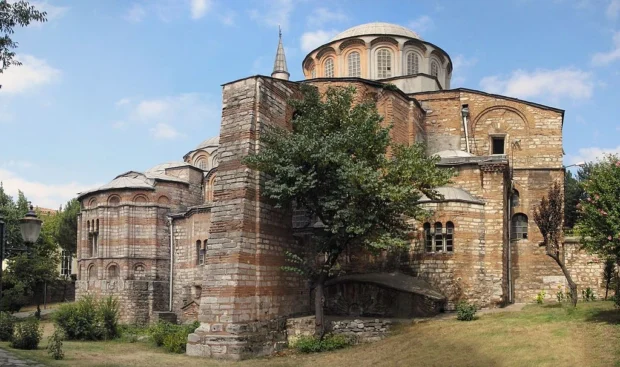
For those looking for a taste of ancient Christianity, the Chora Church in Edirnekapı is a wonder. Its golden mosaics and painted frescos survived centuries of war and change. I found a quiet corner and listened to the echoes voices from centuries ago, perhaps. The church is surrounded by old city walls, and sometimes you can see local children playing football where invaders once stood.
Neighborhoods, Food, and Frequent Surprises
Modern Istanbul is as fascinating as its past. I always found myself returning to Istiklal Avenue, the city’s main pedestrian street in Beyoğlu. Here, you’ll see old trams ring their bells and students reading poetry at corner cafes. Music drifts from every direction street musicians with violins, clarinets, and sometimes an unexpected jazz band. Antique bookstores sell maps from the Ottoman era, and I bought a tiny one showing the silk roads to the East.

Hungry? Istanbul’s food is a reflection of its diversity. In Karaköy, I tasted fish sandwiches grilled on boats near the water. In Fatih, I joined locals for a bowl of lentil soup and hot bread, best eaten with a sprinkle of lemon. Don’t leave without trying baklava in a family-run shop where the pastry is as thin as paper, or a slice of künefe a warm dessert filled with cheese, sticky with honey, and lightly burnt at the edges. Each district has its specialty: street-cooked mussels in Beşiktaş, spicy lahmacun (flatbread) in Kadıköy, and sweet sütlaç (rice pudding) in Üsküdar.
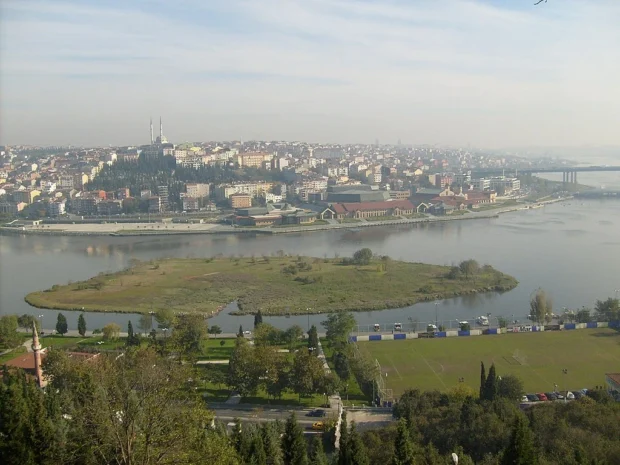
Quieter streets sometimes offer the greatest surprises. On Pierre Loti Hill in Eyüp, you can sip tea overlooking the Golden Horn, just as the French writer once did. The view is hazy in the morning, with mosques rising like ships above the rooftops. I chatted with an elderly couple who told me they had come here every Sunday for fifty years, always choosing the same bench. Moments like these made me realize that Istanbul’s spirit survives not only in grand buildings but in daily rituals.
Palaces, Museums, and Island Escapes
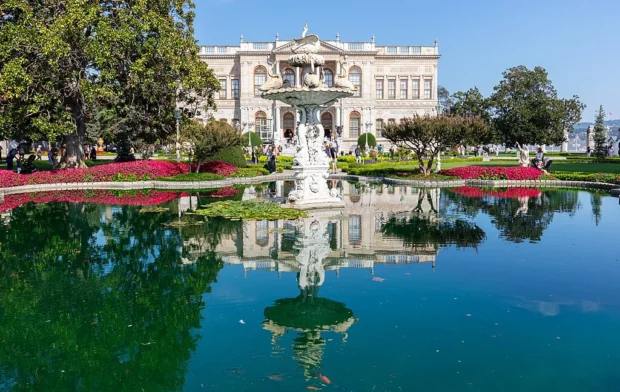
The Dolmabahçe Palace on the Bosporus showcases Istanbul’s 19th-century splendor. Its marble halls and crystal chandeliers once dazzled sultans and foreign visitors. I walked through rooms that seemed frozen in time, with carpets as soft as clouds and walls covered in gold leaf. One guide whispered a legend: “They say time stands still in these halls.” It almost felt true.
For something more hands-on, the Rahmi M. Koç Museum along the Golden Horn offers a playful dive into Turkey’s industrial past. Old steam engines, submarines, and even a restored tram fill the halls. Local families often bring their children here to climb aboard the trains and imagine life before smartphones. I met a restorer polishing a ship’s bell, and he shared stories of Istanbul’s shipyards and forgotten crafts.
If you seek quiet, consider a ferry ride to the city’s islands. The Princes’ Islands, just an hour away, have no cars only bicycles and horse carts. Old Greek mansions line the lanes. I found myself eating pistachio ice cream under a pine tree, listening to the waves and the distant call to prayer drifting over the water.
How to Get Around and Where to Stay
Istanbul’s public transport is efficient once you learn its rhythms. From the airport, I took the metro directly to the city center a clean, fast ride. Trams run between Sultanahmet, the Grand Bazaar, and the Bosporus, weaving through traffic and history at the same time. Ferries are not just for tourists; locals depend on them daily, and the views are always rewarding. Buy an Istanbulkart for cheap, easy rides on all forms of public transit.
Staying near Sultanahmet or Taksim Square puts you close to major museums and markets, while Asian-side districts like Kadıköy offer quieter neighborhoods. I found small guesthouses on back streets, where the owners shared home-cooked breakfast and neighborhood stories. In the evenings, street lights glow softly and the sounds of the city mellow perfect for evening walks.
Cultural Notes and Everyday Customs
Turkish hospitality is famous. If you are offered tea, accept it, even if you just take a sip it is a sign of welcome. Dress modestly when visiting mosques; scarves are available for women at the entrance. Public displays of affection are rare in traditional areas but common in modern districts. Respect comes quietly in Istanbul, shared through gestures, patience in lines, and a calm smile.
The city’s rhythm is unpredictable. Morning may begin with the call of street sellers “Simit!” (ring-shaped bread) and end with quiet sea breezes in Kadıköy or Beşiktaş. One evening, I joined a group of locals playing backgammon in a park. No one hurried; every move was savored, like tea sipped slowly. These moments, I realized, are as much a part of Istanbul as its monuments.
Istanbul’s Heart: Old Roots, New Voices
Istanbul is alive in its contrasts. Byzantine columns stand beside Ottoman domes. The smell of grilled fish merges with incense from centuries-old mosques. Markets bustle while quiet courtyards offer shade. The city is shaped by wind, water, and the stories of those who passed through merchants, conquerors, and poets.
For a more relaxed seaside vibe with history and flavors, try the charming walk along Izmir’s Kordon, blending old and new by the Aegean.
Yet it is the people who make Istanbul unforgettable. From the rug dealer in the Grand Bazaar, to the elderly tea vendor on Pierre Loti Hill, to the family picnicking in the shadow of Suleymaniye Mosque, each encounter added a new shade to my memory of the city. Istanbul is not only a place to see but a place to feel, taste, and listen. Every street is a living museum, every meal a chapter, every ferry crossing a bridge between worlds.
Explorer of historical towns, ancient ruins, and traditional markets, combining modern travel with interest in heritage.
- New Mosque, Istanbul, from Bosphorus by Till Niermann on Wikimedia Commons – cc by 3.0
- Exterior of Sultan Ahmed I Mosque in Istanbul, Turkey 002 by Moonik on Wikimedia Commons – cc by-sa 3.0
- View of Topkapı Palace from the Galata Tower, Istanbul, Turkey 001 by Moonik on Wikimedia Commons – cc by-sa 3.0
- Basilica Cistern – Istanbul, Turkey – panoramio by Sergey Ashmarin on Wikimedia Commons – cc by-sa 3.0
- Galata Tower – 20250825 by mike on Wikimedia Commons – cc by-sa 4.0
- Grand Bazaar, Istanbul, Turkey (Ank Kumar) 01 by Ank Kumar on Wikimedia Commons – cc by-sa 4.0
- Spice Bazaar, Istanbul (6167306708) by William Neuheisel from DC, US on Wikimedia Commons – cc by 2.0
- Ortaköy Mosque or Büyük Mecidiye Camii (Grand Imperial Mosque of Sultan Abdülmecid) in Beşiktaş, Istanbul, Türkiye (Ank Kumar, Infosys Limited) 05 by Ank Kumar on Wikimedia Commons – cc by-sa 4.0
- Istanbul, Türkiye , Suleymaniye Mosque ( Ank Kumar, Infosys Limited ) 05 by Ank Kumar on Wikimedia Commons – cc by-sa 4.0
- Istanbul İstiklal Avenue IMG 7942 1920 by Alexxx1979 on Wikimedia Commons – cc by-sa 4.0
- Pierre Loti,den bakış – panoramio by aydın koç on Wikimedia Commons – cc by-sa 3.0
- Palacio de Dolmabahçe, Estambul, Turquía, 2024-09-28, DD 110 by Diego Delso on Wikimedia Commons – cc by-sa 4.0


_01.jpg)
.jpg)
_in_Be%C5%9Fikta%C5%9F,_Istanbul,_T%C3%BCrkiye_(Ank_Kumar,_Infosys_Limited)_05.jpg)
_05.jpg)


